
In the rapidly evolving landscape of HealthTech, the term “proband” serves as the foundational unit for one of the most significant technological shifts in human history: the digitization of biology. Traditionally, a proband is defined as the first individual in a family to receive a diagnosis for a genetic condition or to be studied in a clinical research setting. However, in the 21st century, the proband is no longer just a patient in a medical chart; they are the starting node in a complex digital network of genomic data, AI-driven diagnostics, and bioinformatics.
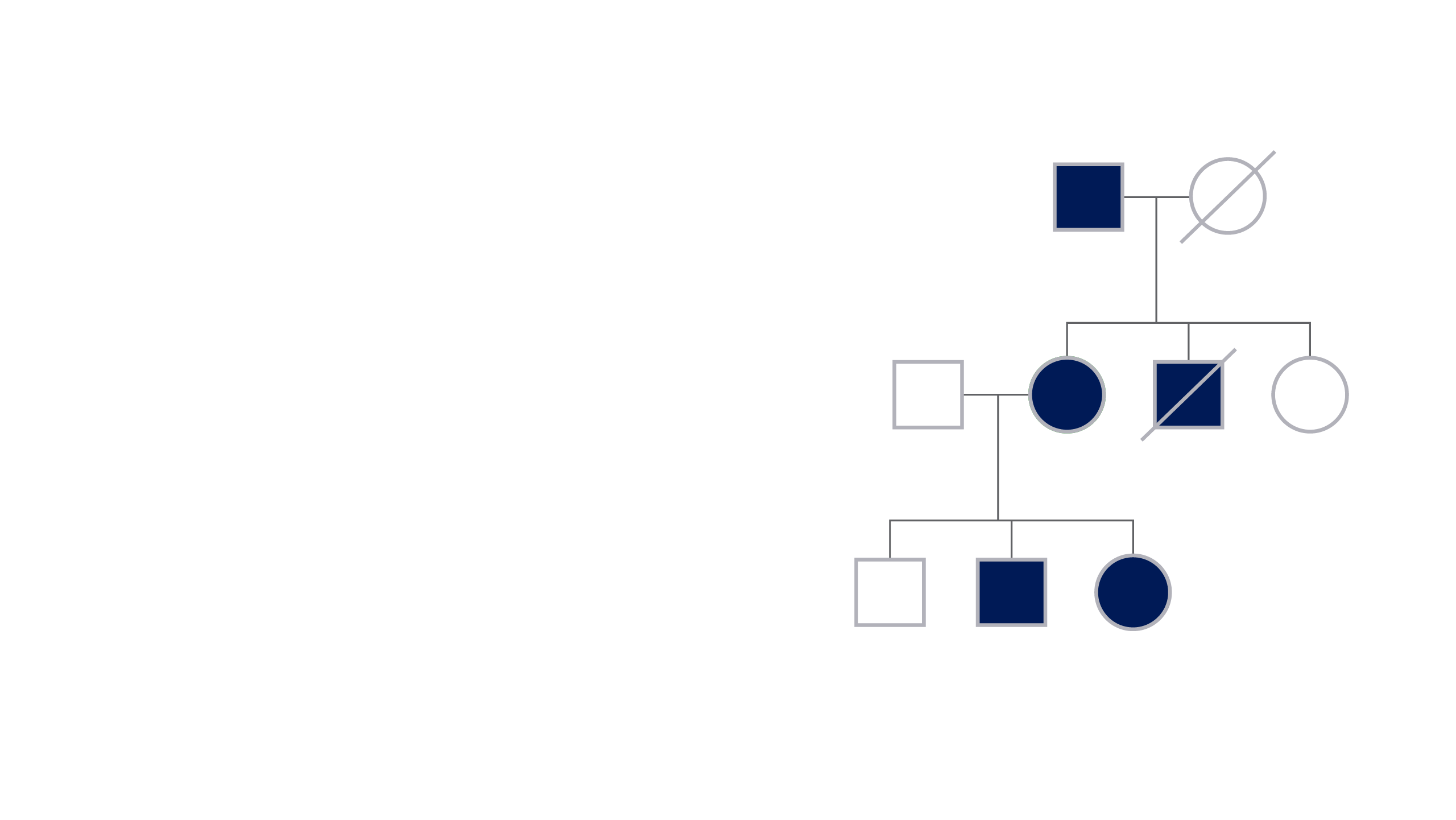
As technology continues to bridge the gap between software and the human genome, understanding the role of the proband is essential for anyone tracking the intersection of digital health, data security, and precision medicine.
The Proband in the Digital Age: From Paper Pedigrees to Big Data
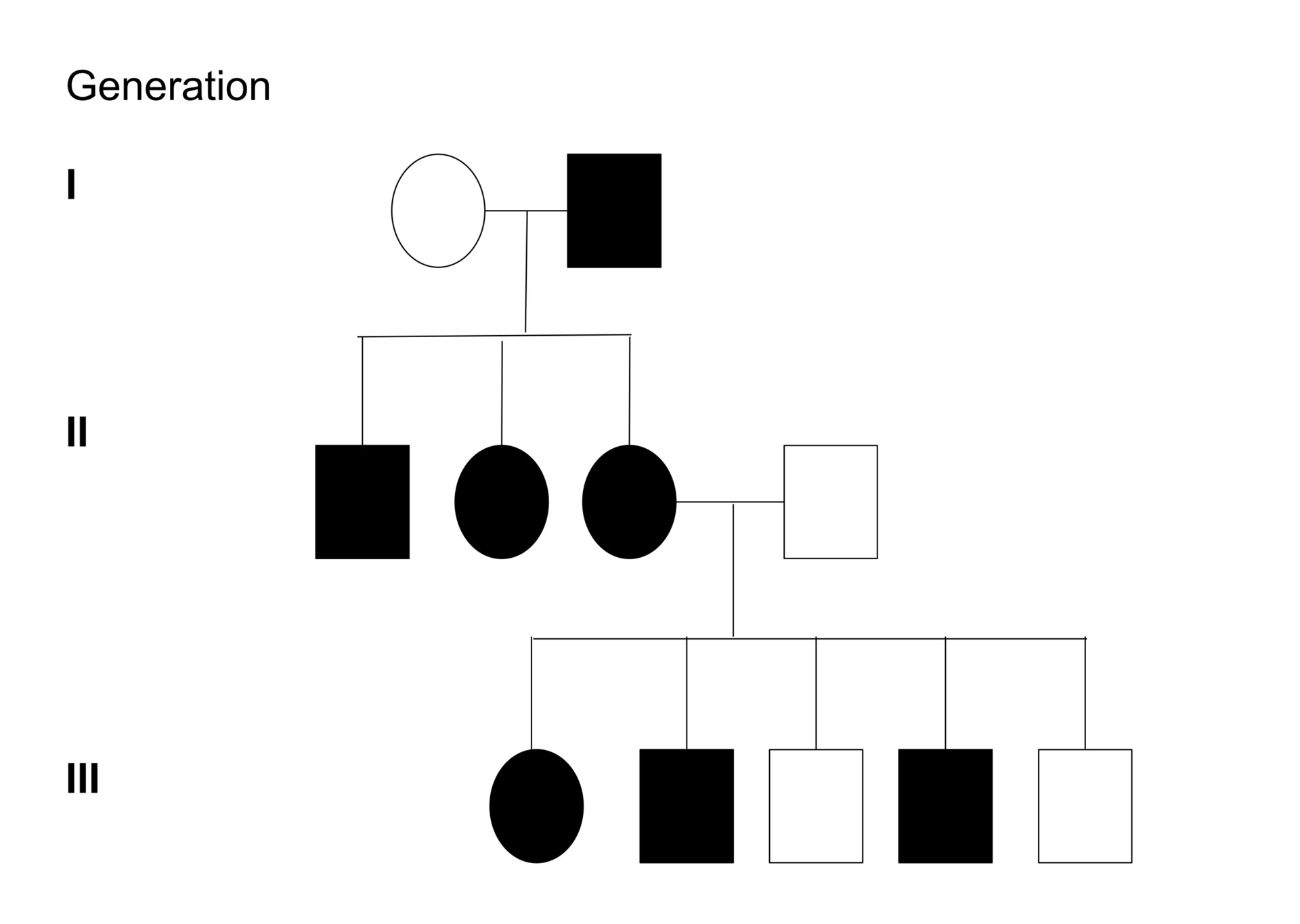
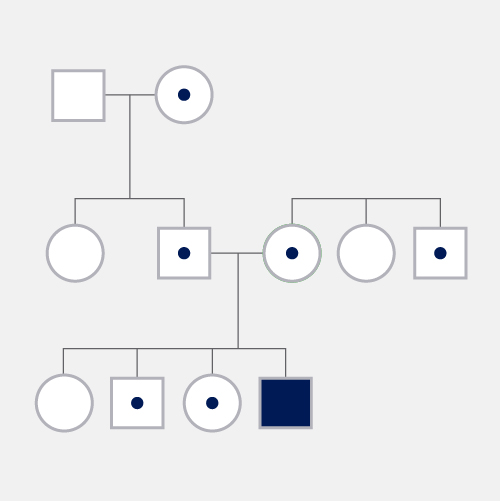
Historically, identifying a proband meant a physician manually drawing a “family tree” on a piece of paper. Today, this process has been revolutionized by sophisticated pedigree software and automated data entry systems. The proband acts as the “index case,” the primary data source from which software algorithms extrapolate potential risks for an entire kinship.
Digitizing Genetic Lineage
Modern HealthTech platforms have moved far beyond the static charts of the past. Today’s software-as-a-service (SaaS) solutions for clinical genetics allow for the dynamic creation of digital pedigrees. When a proband enters their data into a system, the software can automatically cross-reference historical health records, phenotypic data, and existing genomic databases. This digital transformation allows clinicians to visualize inheritance patterns with a level of precision that was previously impossible. By treating the proband as a data anchor, these platforms can predict the probability of genetic variants across generations using Bayesian mathematical models integrated directly into the UI.
The Role of AI in Identifying Index Cases
Artificial Intelligence is now being leveraged to identify probands even before they present clinical symptoms. Through “opportunistic screening” algorithms, AI tools scan Electronic Health Records (EHRs) for specific biomarkers or phenotypic clusters that suggest an underlying genetic condition. In this context, the tech identifies a “digital proband”—an individual whose data profile triggers an alert for further genomic sequencing. This proactive technological approach shifts the focus from reactive medicine to predictive analytics, using the proband’s data to protect the health of an entire genetic network.
Software Ecosystems for Genomic Analysis and Interpretation
Once a proband is identified, the technological heavy lifting begins. The journey from a biological sample to a meaningful insight involves a sophisticated stack of software tools designed to handle massive datasets. A single human genome sequence represents roughly 200 gigabytes of raw data, and the software used to analyze the proband’s DNA must be both powerful and highly efficient.
Next-Generation Sequencing (NGS) Pipelines
The analysis of a proband relies on Next-Generation Sequencing (NGS) pipelines. These are specialized software workflows that take raw data from sequencing machines and process it through several stages: alignment, variant calling, and annotation.
- Alignment: Software aligns the proband’s DNA fragments against a reference genome.
- Variant Calling: AI algorithms identify where the proband’s DNA differs from the norm.
- Annotation: The software queries massive databases (like ClinVar or gnomAD) to determine if those differences are benign or pathogenic.
For a proband, these tools are the difference between an unsolved medical mystery and a targeted treatment plan. The tech niche is currently seeing a surge in “secondary analysis” tools that use FPGA (Field Programmable Gate Array) acceleration to process this data in minutes rather than days.
Cloud Computing and Data Interoperability
The sheer volume of data generated by a single proband necessitates cloud-based infrastructure. Companies like Amazon Web Services (AWS) and Google Cloud have developed specialized “HealthOmics” platforms to store and analyze genomic data. The challenge within this niche is interoperability—ensuring that the data from a proband in one hospital system can be securely shared with researchers in another. APIs (Application Programming Interfaces) are being developed to standardize how genomic data is transmitted, ensuring that the “proband” remains a consistent data entity across different software environments, from clinical diagnostic tools to pharmaceutical research platforms.
Data Security and Privacy for the Digital Proband
As the proband becomes a digital entity, the risks associated with data breaches become exponentially more severe. Unlike a credit card number, a proband’s genetic data cannot be changed if it is stolen. This has led to a massive push in the tech sector for advanced security protocols specifically designed for genomic information.
Encryption and De-identification Technologies
Protecting the proband’s identity is the primary goal of genomic cybersecurity. Tech firms are now deploying “homomorphic encryption,” a cutting-edge method that allows software to perform calculations on encrypted data without ever decrypting it. This means an AI can analyze a proband’s genome for disease markers while the actual genetic sequence remains hidden. Furthermore, “differential privacy” techniques are used to share aggregate data from multiple probands with researchers while ensuring that no individual’s identity can be reverse-engineered from the dataset.
Ethical Tech: Consent and Data Sovereignty
The relationship between the proband and their data has sparked a new movement in “Ethical Tech.” Traditional data silos often leave the proband with little control over how their information is used once it is digitized. New blockchain-based solutions are emerging to give probands “data sovereignty.” By using smart contracts, a proband can grant or revoke access to their genomic data in real-time. Each time a researcher or a pharmaceutical company accesses the data, the transaction is recorded on a transparent, immutable ledger. This tech-first approach to consent ensures that the proband remains the owner of their biological information, even as it moves through the digital ecosystem.
Future Trends: The Proband in Precision Medicine and Wearable Tech
The future of the proband lies in the integration of genomic data with real-time phenotypic monitoring. We are moving toward a world where the “proband” is continuously monitored by a suite of interconnected devices, providing a holistic view of health that goes far beyond a single genetic test.
Wearable Tech and Real-Time Phenotyping
The next evolution of the proband involves the marriage of genomics with wearable technology. Modern smartwatches and bio-sensors can track heart rate variability, glucose levels, and sleep patterns. When this “real-world data” is layered over the proband’s genetic profile, software platforms can provide a much more accurate picture of how a genetic variant is actually manifesting. For example, a proband with a genetic predisposition to a specific cardiac condition can have their wearable data monitored by an AI that alerts their doctor at the first sign of an arrhythmia. This integration of hardware and genetic software is the cornerstone of the “digital twin” concept in HealthTech.
The Democratization of Genetic Testing via Apps
The rise of consumer-facing HealthTech has turned millions of people into “self-identified probands.” Apps like 23andMe and Ancestry have shifted the point of entry from the clinic to the smartphone. This democratization has created a massive influx of data, but it also presents a challenge for the tech industry: how to provide professional-grade analysis in a user-friendly app interface. The current trend is toward “interpretation layers”—third-party software tools that allow a proband to upload their raw DNA data to receive deep-dive reports on everything from pharmacogenomics (how they respond to medications) to nutritional optimization. This app-centric model is expanding the definition of a proband from a clinical subject to a proactive consumer of their own biological data.
Conclusion: The Proband as the North Star of HealthTech
In the tech world, the proband is much more than a medical term; they are the central node in a vast, burgeoning data economy. From the software pipelines that sequence their DNA to the blockchain protocols that protect their privacy, the technology surrounding the proband is defining the future of human health.
As we continue to refine AI algorithms, improve cloud infrastructure, and enhance data security, the proband will remain the “North Star” of precision medicine. By focusing on the individual at the heart of the data, the tech industry is not just solving medical mysteries—it is building a personalized, proactive, and secure digital health ecosystem for everyone. The journey of the proband is the journey of HealthTech itself: a transition from general observations to precise, data-driven insights that have the power to transform lives across generations.
aViewFromTheCave is a participant in the Amazon Services LLC Associates Program, an affiliate advertising program designed to provide a means for sites to earn advertising fees by advertising and linking to Amazon.com. Amazon, the Amazon logo, AmazonSupply, and the AmazonSupply logo are trademarks of Amazon.com, Inc. or its affiliates. As an Amazon Associate we earn affiliate commissions from qualifying purchases.