
The global economy is fundamentally divided into two primary spheres: the public sector and the private sector. While the public sector encompasses government-run agencies and services, the private sector is the engine of innovation, competition, and wealth creation. For anyone looking to build a career, start a business, or optimize their personal finances, understanding the nuances of a private sector job is essential.
A private sector job refers to any position within an organization that is not owned or operated by the government. These entities range from solo entrepreneurships and small local businesses to massive multinational corporations listed on the stock exchange. Because these organizations are driven by profit, the dynamics of employment within them are vastly different from those in government roles. In this guide, we will explore the intricacies of the private sector through the lens of business finance, career advancement, and wealth accumulation.

The Financial Architecture of the Private Sector
At its core, the private sector is defined by its financial independence. Unlike government agencies, which are funded through taxation and public budgets, private sector entities must generate their own revenue to survive. This fundamental difference shapes everything from the hiring process to the daily tasks of an employee.
The Profit Motive and Employee Value
In the private sector, every role is viewed through the lens of Return on Investment (ROI). When a company hires an individual, they are essentially making a financial investment. The expectation is that the employee’s contribution—whether through sales, operational efficiency, or product development—will eventually generate more value than the cost of their salary and benefits. This creates a high-performance environment where merit and productivity are the primary currencies.
Diversity of Business Structures
The private sector is not a monolith. It includes various legal and financial structures, each offering different opportunities for workers:
- Sole Proprietorships: The simplest form of private sector work, where an individual owns and operates the business.
- Partnerships: Businesses owned by two or more individuals who share profits and liabilities.
- Privately Held Companies: Larger organizations that are owned by a group of private investors or a family and do not trade shares on public exchanges.
- Publicly Traded Corporations: Massive entities like Apple or Amazon that are owned by shareholders and must adhere to strict financial reporting standards.
Market-Driven Wages and Competition
Because private companies compete for talent, wages are often dictated by supply and demand rather than fixed government pay scales. This means that in high-demand fields like finance, technology, or specialized engineering, salaries can escalate rapidly. However, it also means that in periods of economic downturn, the private sector is more prone to wage freezes or layoffs as companies fight to remain solvent.
Compensation, Benefits, and Personal Finance Strategy
One of the most compelling reasons individuals choose the private sector is the potential for significant financial upside. While public sector roles are known for stability and pensions, the private sector offers a more diverse and potentially lucrative compensation package.
Salary Negotiation and Performance Bonuses
In the private sector, your starting salary is rarely “set in stone.” There is almost always room for negotiation based on your past performance and the value you bring to the table. Furthermore, many private-sector jobs include performance-based bonuses. These are often tied to either individual KPIs (Key Performance Indicators) or the overall profitability of the company. From a personal finance perspective, these bonuses can be powerful tools for debt repayment or investment capital.
Equity and Stock-Based Compensation
For those working in startups or publicly traded companies, equity is a major component of the “Money” aspect of the job. Employees may receive Stock Options or Restricted Stock Units (RSUs). If the company grows and its valuation increases, these equity stakes can turn into life-changing sums of money. This aligns the employee’s financial interests with the company’s success, a hallmark of private sector business finance.
Retirement Planning: From Pensions to 401(k)s
Unlike many government jobs that still offer traditional defined-benefit pensions, the private sector primarily utilizes defined-contribution plans, such as the 401(k). This places the responsibility of retirement planning on the individual. Many companies offer a “match”—essentially free money where the employer contributes to your retirement fund based on your own contributions. Navigating these options is a critical part of managing personal finance for any private sector professional.
Professional Growth: The Meritocratic Ladder
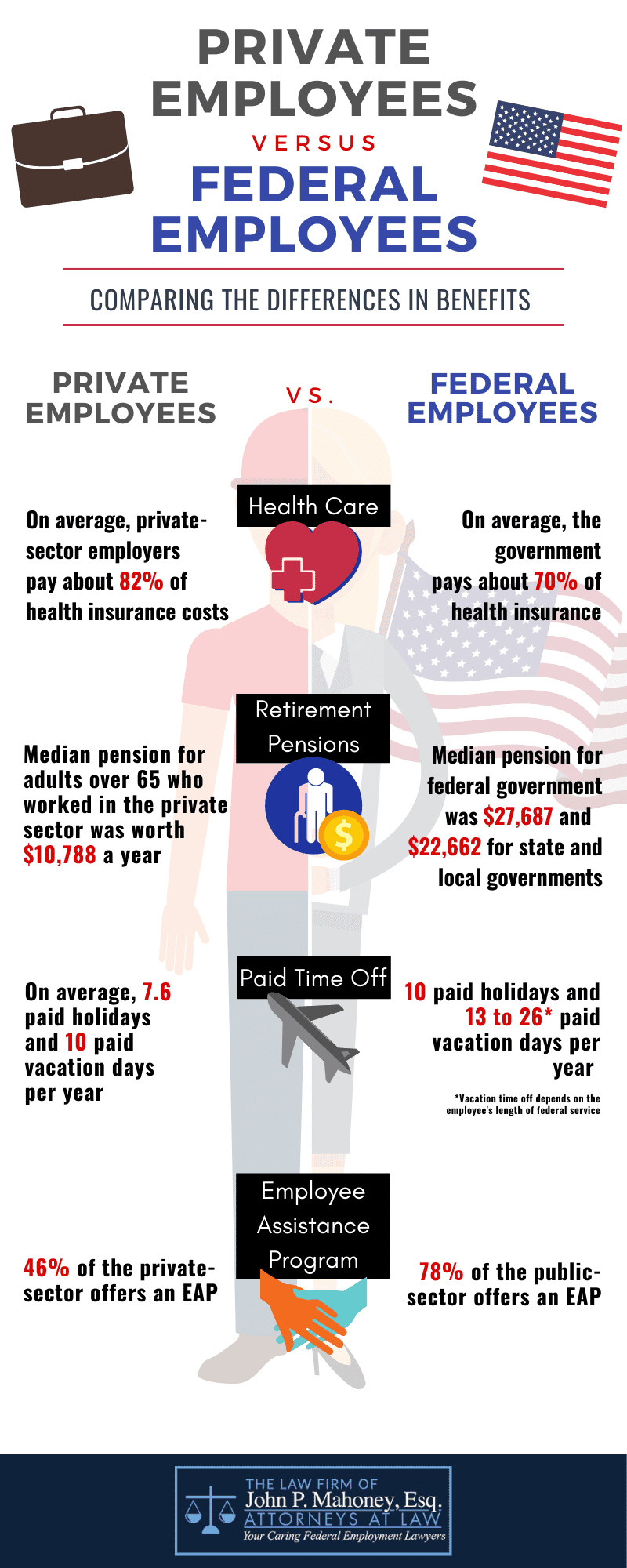
The private sector is characterized by its agility and its focus on growth. For an ambitious professional, this environment offers a faster track to leadership and higher earnings than the typically seniority-based public sector.
Rapid Career Progression
In a private firm, if you prove your worth and contribute significantly to the bottom line, you can be promoted quickly. There is no requirement to wait for a specific number of years of service. This “fast-track” capability allows high-achievers to reach executive levels or high-six-figure salaries much earlier in their careers. This speed of progression is a key factor in long-term wealth building, as it increases your “lifetime earnings” potential.
Skill Acquisition and Reskilling
To stay competitive and profitable, private companies must constantly innovate. This means employees are often given access to cutting-edge tools, software, and training. Working in the private sector forces a level of adaptability that is highly valuable in the modern economy. Whether it’s learning AI-driven data analysis or mastering new project management methodologies, these skills are transferable assets that increase your market value.
The Entrepreneurial Mindset
Working in the private sector, especially in smaller companies or startups, provides a front-row seat to how a business actually makes money. You learn about overhead, margins, customer acquisition costs, and capital expenditures. This “business IQ” is invaluable for anyone who eventually wants to transition into entrepreneurship or side hustles. You aren’t just an employee; you are a witness to the mechanics of the free market.
Navigating Risks: Stability vs. High Returns
While the private sector offers high financial rewards, it is not without its risks. Understanding the trade-offs is essential for sound financial planning and career longevity.
Employment Volatility and At-Will Employment
In many jurisdictions, private sector employment is “at-will,” meaning either the employer or the employee can terminate the relationship at any time for any legal reason. Private companies are also more sensitive to the business cycle. If a company loses a major contract or the economy enters a recession, layoffs are often the first line of defense to protect the organization’s financial health. This necessitates a more robust personal financial safety net, including a 3-to-6-month emergency fund.
The Importance of Personal Branding
Because the private sector is competitive, you cannot rely solely on your job title for security. Your “brand” and your network are your true security. Professionals in the private sector must view themselves as a “Business of One.” This involves keeping your resume updated, maintaining a professional presence on platforms like LinkedIn, and constantly networking. In the world of money and business, who you know is often just as important as what you know.
Benefits Variability
While some tech giants offer “gold-standard” benefits including free meals and comprehensive health insurance, many small businesses in the private sector may offer very little. When evaluating a private sector job, you must look at the “Total Compensation” package. A job that pays $10,000 more in salary but offers no health insurance or 401(k) match may actually be a worse financial move than a lower-paying job with robust benefits.
The Future of Private Sector Employment in a Digital Economy
The nature of the private sector job is evolving rapidly due to technological advancement and shifts in how capital is deployed.
The Rise of Remote Work and the Gig Economy
The private sector has been the leader in adopting remote and hybrid work models. This has opened up a global talent market. For the worker, this means the ability to earn a “Silicon Valley” or “Wall Street” salary while living in a lower-cost-of-living area—a massive advantage for personal wealth accumulation. Additionally, the “Gig Economy” is a subset of the private sector that allows for flexible, project-based work, which many use as a lucrative side hustle to supplement their primary income.
Impact Investing and Corporate Social Responsibility (CSR)
Modern private sector entities are increasingly judged not just by their profit margins, but by their impact on society and the environment. This shift is influencing where investment capital flows. Companies with strong Environmental, Social, and Governance (ESG) scores are often seeing more favorable financing terms. For the employee, this means that “values-based” employment is becoming a reality in the private sector, allowing individuals to align their career goals with their personal ethics without sacrificing financial gain.
Automation and the New Financial Reality
As AI and automation take over routine tasks, the private sector is shifting its focus toward “human-centric” value: strategy, emotional intelligence, and complex problem-solving. Those who can leverage technology to increase their output will see their earnings grow, while those in easily automated roles may face financial pressure. Staying on the right side of this digital divide is perhaps the most important financial strategy for any private sector worker today.
In conclusion, a private sector job is more than just a paycheck; it is an entry point into the most dynamic and financially rewarding segment of the economy. By understanding the profit motives, compensation structures, and inherent risks of the private sector, you can navigate your career not just as a worker, but as a savvy financial actor. Whether your goal is to climb the corporate ladder, maximize your investment portfolio, or eventually start your own firm, the private sector provides the platform and the capital to make those dreams a reality.
aViewFromTheCave is a participant in the Amazon Services LLC Associates Program, an affiliate advertising program designed to provide a means for sites to earn advertising fees by advertising and linking to Amazon.com. Amazon, the Amazon logo, AmazonSupply, and the AmazonSupply logo are trademarks of Amazon.com, Inc. or its affiliates. As an Amazon Associate we earn affiliate commissions from qualifying purchases.