
In the rapidly evolving landscape of sexual wellness technology—often referred to as “Sex-Tech”—the emergence of high-performance devices has shifted the focus from simple manual toys to complex mechanical engineering. Among the most potent entries in this category is the “Power Banger” sex machine. Far from a novelty item, a Power Banger represents a specific class of high-torque, linear-actuator-driven hardware designed for consistent, high-intensity performance.
From a technological standpoint, these machines are a marvel of industrial design repurposed for personal intimacy. They bridge the gap between heavy-duty laboratory equipment and consumer electronics, utilizing sophisticated motor controllers and modular architecture to provide a customizable experience. To understand what a Power Banger is, one must look beyond the surface and examine the electrical engineering, mechanical physics, and digital interfaces that power these modern devices.

The Anatomy of a Power Banger: Engineering and Design
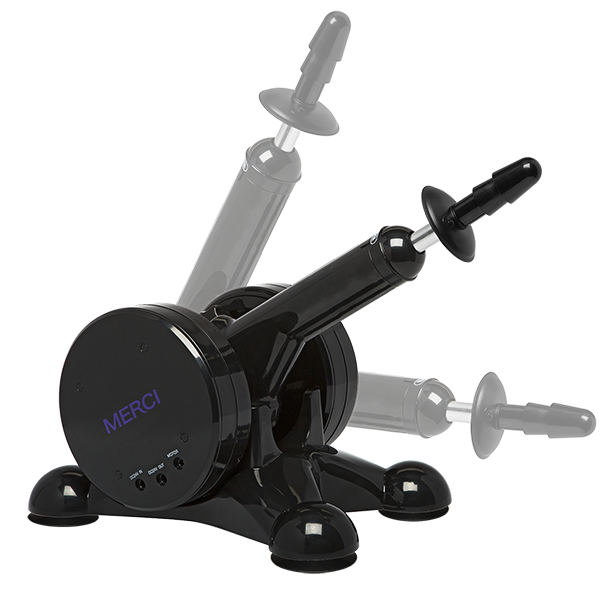
At its core, a Power Banger sex machine is a motorized device designed to convert rotational energy into linear motion. Unlike smaller, handheld vibrators that rely on unbalanced motors to create oscillations, a Power Banger utilizes a robust drive system to facilitate a physical “thrusting” motion. This requires a level of engineering typically reserved for industrial machinery.
High-Torque Motors and Stroke Depth
The “Power” in Power Banger refers specifically to the torque and wattage of the internal motor. Most high-end units utilize 24V or 40V DC motors capable of maintaining consistent thrust even under significant resistance. In cheaper models, physical pressure can cause the motor to stall or slow down; however, a true Power Banger is designed with a high stall-torque rating to ensure the rhythm remains uninterrupted.
Furthermore, the stroke depth—the distance the attachment travels forward and backward—is a key technical specification. Most machines in this class offer adjustable stroke lengths ranging from 1 to 6 inches. This is achieved through a crank-arm system or a linear actuator, where the user can manually adjust the pivot point on a flywheel to change the physical displacement of the thrusting rod.
Frame Stability and Industrial Design
Because these machines generate significant kinetic energy, stability is a primary engineering concern. A Power Banger is typically constructed from heavy-duty materials such as aircraft-grade aluminum or reinforced stainless steel. The weight of the machine is a functional feature; it prevents “walking” or shifting during high-speed operation.
The chassis often features a tripod or a weighted base with industrial-grade suction cups. From a design perspective, the focus is on the center of gravity. Engineers must calculate the force of the thrust against the stability of the frame to ensure that the device remains stationary, even when operating at maximum strokes per minute (SPM).
Technological Advancements in Contemporary Sex Machines
The sex-tech industry has seen a massive influx of innovation over the last decade, moving away from simple “on/off” switches toward nuanced control systems. The Power Banger has benefited significantly from advancements in Pulse Width Modulation (PWM) and digital signal processing.
Variable Speed Control and Programmable Cycles
The control interface of a Power Banger is where the “Tech” niche truly shines. Older generations of machines used simple potentiometers that offered rudimentary speed control. Modern high-performance machines utilize sophisticated PWM controllers. This allows for ultra-fine adjustments in speed, enabling the motor to move at a crawl or at speeds exceeding 300 strokes per minute without losing power.
Moreover, some Power Bangers now feature programmable cycles. Using onboard microcontrollers, users can select patterns that vary the speed and depth automatically. This mimics biological rhythms rather than mechanical ones, representing a significant leap in the software-hardware integration of adult devices.
Connectivity and Remote Integration
Perhaps the most significant technological leap in this category is the integration of “Teledildonics”—the ability to control hardware via the internet. High-end Power Bangers are increasingly equipped with Bluetooth or Wi-Fi modules. This allows the machine to be synced with specialized apps, VR (Virtual Reality) environments, or even real-time data streams.
In this ecosystem, the machine becomes an “IoT” (Internet of Things) device. Software developers have created platforms where the motion of the Power Banger can be synchronized with digital media, where the depth and speed of the thrusts are dictated by the metadata of a video or a remote partner’s input from across the globe. This level of synchronization requires low-latency hardware and sophisticated firmware to ensure the physical response matches the digital command in real-time.
User Interface and Ergonomic Integration
While the internal motor provides the power, the user interface (UI) and ergonomic design determine the machine’s utility. Tech-focused manufacturers prioritize the “modularity” of the device, ensuring that the machine can adapt to various physical needs and environments.
Wired vs. Wireless Control Modules
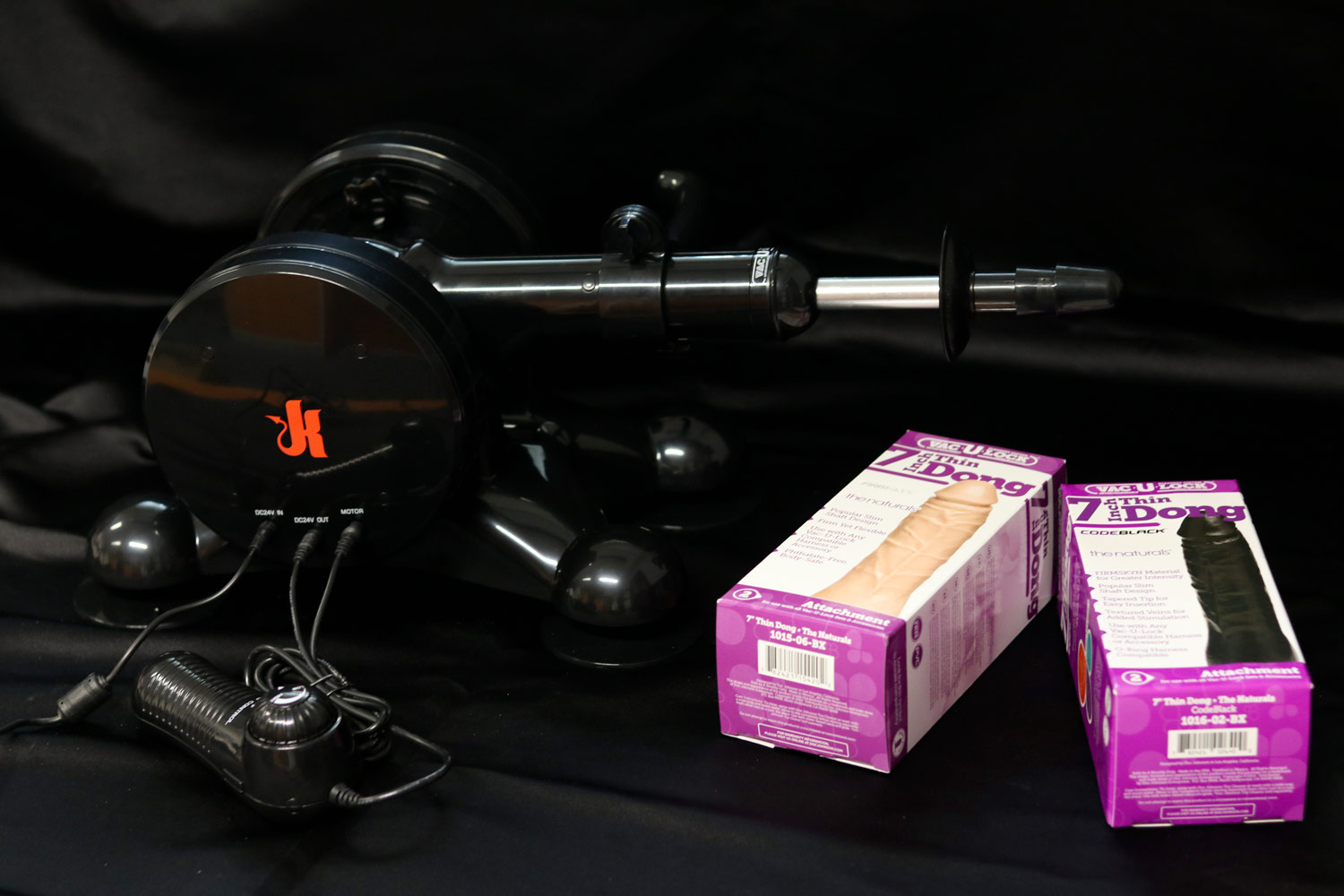
Control mechanisms for Power Bangers generally fall into two categories: wired remotes and wireless digital interfaces. Wired remotes are often preferred by power users because they offer zero latency and are less prone to interference. These remotes usually feature high-quality dials and toggle switches that provide tactile feedback.
Conversely, wireless modules—often utilizing 2.4GHz radio frequency or Bluetooth—allow for a cleaner setup without the clutter of cables. The tech challenge here is ensuring a stable connection. Manufacturers must implement robust pairing protocols to prevent signal dropping, which would disrupt the experience. Some advanced units even include voice-control integration, allowing users to adjust settings via smart-home assistants, though this remains a niche segment of the market.
Modular Attachment Systems
The engineering of the “business end” of a Power Banger involves quick-release mechanisms. The industry standard has shifted toward the “K-Clip” or “Vac-U-Lock” systems. These are mechanical coupling interfaces that allow users to swap different attachments securely and rapidly.
From a mechanical engineering perspective, these couplers must be able to withstand high-frequency vibrations and intense lateral forces. The precision of the machining in these couplers is vital; any “play” or looseness in the connection can lead to mechanical failure or noise, which detracts from the high-tech feel of the device.
Safety, Maintenance, and Digital Security in Sex-Tech
As sex machines become more technologically advanced, the focus on safety and security becomes paramount. This encompasses both the physical safety of the hardware and the digital privacy of the software driving it.
Electrical Safety and Thermal Management
High-torque motors generate heat. A Power Banger operating at full capacity for extended periods requires an efficient thermal management system. Engineers often incorporate heat sinks or internal cooling fans into the motor housing. Additionally, because these devices are often used in environments where liquids may be present, the electrical components must be shielded.
Many high-end machines are rated for IPX (Ingress Protection) standards. Ensuring that the power supply (typically an external AC-to-DC transformer) has overcurrent and short-circuit protection is a standard requirement for reputable tech brands in this space. This prevents the motor from overheating or causing electrical hazards during prolonged use.
Data Privacy in Connected Devices
With the rise of app-controlled Power Bangers, digital security has become a critical concern. These machines collect sensitive data regarding usage patterns and preferences. In the tech community, the security of “Connected Sex Toys” is a hot-button issue.
Manufacturers are now expected to implement end-to-end encryption for their apps and secure Bluetooth pairing to prevent “bluejacking” (unauthorized remote access). As these devices become more integrated into the digital life of the user, the firmware must be regularly updated to patch vulnerabilities. A high-quality Power Banger is not just defined by its motor strength, but by the robustness of the software ecosystem that supports it.
The Future of High-Performance Sex-Tech
The Power Banger sex machine represents a intersection of mechanical power and digital precision. As we look forward, the trend is moving toward even greater automation, AI-driven responsiveness, and more refined haptic feedback. We are seeing the transition of these devices from “dumb” mechanical tools to “smart” interactive systems.
For the tech-savvy consumer, the appeal of a Power Banger lies in its specifications: the RPM, the torque, the connectivity protocols, and the modularity. It is a testament to how far consumer electronics have come, proving that even the most intimate aspects of human life can be enhanced by rigorous engineering and innovative technology. Whether through the lens of motor efficiency or the complexity of remote synchronization, the Power Banger stands as a powerhouse of modern sex-tech hardware.
aViewFromTheCave is a participant in the Amazon Services LLC Associates Program, an affiliate advertising program designed to provide a means for sites to earn advertising fees by advertising and linking to Amazon.com. Amazon, the Amazon logo, AmazonSupply, and the AmazonSupply logo are trademarks of Amazon.com, Inc. or its affiliates. As an Amazon Associate we earn affiliate commissions from qualifying purchases.