
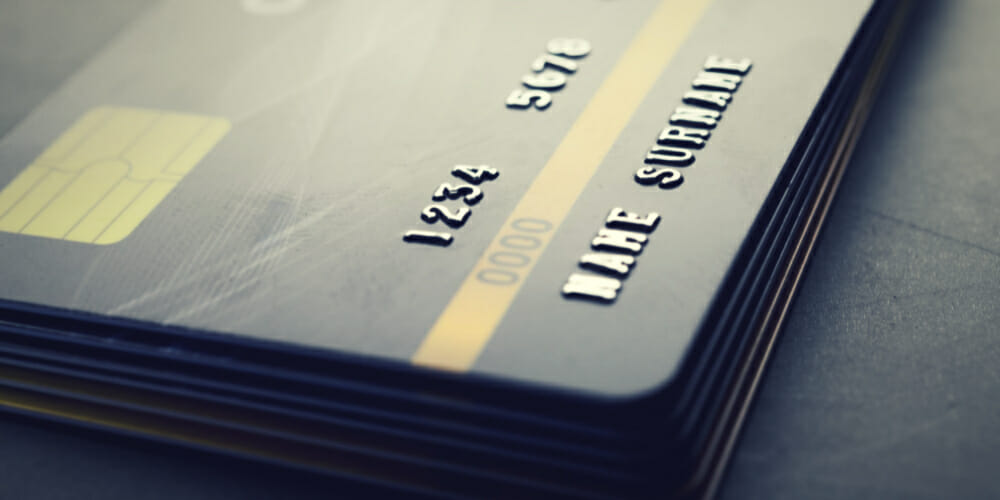
When you are checking out at an online store or inserting your card at a gas station, you are often prompted to enter a “postal code” associated with your debit card. For many cardholders, this request can be a source of confusion. Unlike the sixteen-digit card number, the expiration date, or the three-digit CVV code, the postal code is not physically printed on the plastic itself.
In the realm of personal finance and digital banking, the postal code is a critical component of the Address Verification System (AVS). It serves as a secondary layer of authentication designed to protect your funds and ensure that the person using the card is the rightful owner. Understanding how this piece of data functions is essential for navigating the modern financial landscape, preventing fraud, and ensuring your transactions are processed without friction.

The Role of the Postal Code in Financial Security
The request for a postal code is not a random data collection point; it is a sophisticated security measure. In the world of business finance and consumer banking, this is known as part of the “billing address verification” process. This system acts as a silent gatekeeper for millions of transactions every day.
Understanding the Address Verification System (AVS)
The Address Verification System, or AVS, is a tool used by merchants and financial institutions to detect suspicious credit and debit card transactions. When you enter your postal code during a purchase, the merchant’s payment processor sends a request to your issuing bank. The bank then compares the postal code provided by the user with the postal code they have on file in your official billing records.
The bank responds with a code indicating how well the addresses match. If the postal code is incorrect, the bank may decline the transaction, even if you have sufficient funds and have entered the correct card number. This is particularly vital in “Card-Not-Present” (CNP) transactions, such as online shopping, where the merchant cannot physically verify your ID.
Why Financial Institutions Use Postal Codes to Mitigate Risk
From a personal finance perspective, the postal code is your first line of defense against unauthorized spending. If a fraudster manages to obtain your debit card number through a data breach or a skimmer, they often lack the specific billing details associated with your bank account. By requiring a postal code, retailers add a layer of complexity that deters many automated fraud attempts.
For the bank, this reduces the “chargeback” rate—instances where a customer disputes a transaction as fraudulent. Lower fraud rates mean lower costs for the bank, which ideally translates to better services and lower fees for the consumer.
The Connection Between Your Billing Address and Your Card
To use your debit card effectively, you must understand that the card is tethered to a specific geographic location in your bank’s database. This location is your “billing address,” and the postal code is its most significant identifier.
The Difference Between Physical and Shipping Addresses
In the digital economy, users often have multiple addresses: a physical home address, a shipping address (where you want the package sent), and a billing address. The postal code required for your debit card is strictly the one associated with your billing address.
Many people make the mistake of entering the postal code of their current location or their intended shipping destination. If you are ordering a gift for a friend in a different state, you must still use your home postal code—the one where your bank statements are sent—for the payment to be authorized. Confusion between these addresses is one of the leading causes of declined transactions in e-commerce.
Keeping Your Financial Records Updated
Because the AVS relies on a direct match with your bank’s records, keeping your information updated is a fundamental aspect of managing your personal finances. If you move to a new apartment but forget to update your address via your banking app or website, your debit card may stop working at automated kiosks or online stores.
Most financial institutions allow you to update this information instantly through digital banking portals. It is a best practice to update your billing address at least one week before moving to allow the internal systems and third-party verification tools to sync with the new data.
Practical Scenarios: When and Where You’ll Need It
The postal code requirement appears in various financial environments, each with its own logic and necessity. Recognizing these scenarios can help you prepare and avoid the frustration of a rejected payment.
Online Transactions and E-commerce
Online shopping is the most common place you will encounter the postal code prompt. In this environment, the merchant is taking a risk by fulfilling an order without seeing the customer. By requiring the postal code, the merchant’s financial toolset can verify that the buyer has access to the account holder’s private information.
Furthermore, some sophisticated financial tools use the postal code to calculate sales tax in real-time. Depending on your jurisdiction, the tax rate may change from one zip code to the next. Therefore, the postal code serves a dual purpose: it secures the transaction and ensures the correct amount of tax is collected for the government.
Using Debit Cards at the Gas Pump
If you have ever paid for fuel at the pump, you have likely been asked to “Enter ZIP” or “Enter Postal Code.” This is a high-security measure because gas stations are frequent targets for credit card “skimming.” Skimming occurs when criminals place a small device over the card reader to steal data.
Because gas pumps are often unattended, they are high-risk zones. By requiring a postal code, the payment processor ensures that even if a card has been skimmed or cloned, the thief cannot use it easily at the pump without knowing the victim’s home zip code. This simple step saves the global banking system billions of dollars in fraudulent fuel charges annually.
International Considerations for Travelers
For those traveling internationally, the postal code requirement can become complicated. Different countries use different formats—some are purely numeric (like the US Zip Code), while others are alphanumeric (like those in the UK or Canada).
If you are using a US-issued debit card in a country that requires a postal code at an automated kiosk, and the system does not recognize your format, it can lead to a financial “dead end.” In these cases, it is often recommended to see an attendant or use a travel-focused financial tool that bypasses these localized prompts.
Troubleshooting Common Postal Code Errors
Despite its simplicity, the postal code verification process can fail. Understanding why these errors occur can help you resolve them quickly and maintain access to your money.
Dealing with Declined Transactions
The most common reason for a “Declined” message when the funds are available is an AVS mismatch. If you are certain you entered the code correctly, the issue might lie with how the merchant’s system interprets the data. Some systems are highly sensitive and require an exact match of both the postal code and the street number.
If a transaction is declined, do not keep trying the same code repeatedly. This can trigger a “fraud alert” on your account, leading the bank to freeze your card entirely for your protection. Instead, log into your banking app to verify exactly which address is listed as “Primary Billing.”
The “Pending Charge” Confusion
A frustrating aspect of postal code errors is the “pending charge.” When a transaction fails due to a postal code mismatch, your bank statement may still show a “pending” or “authorized” amount. This happens because the bank initially approved the funds, but the merchant rejected the transaction because the AVS did not match.
These funds are not actually gone; they are “on hold.” Within 3 to 7 business days, the bank will realize the transaction was never completed, and the money will be released back into your available balance. Understanding this lifecycle is vital for personal budgeting, as it prevents the panic that arises from seeing “missing” money.
Best Practices for Managing Your Financial Identity
As we move toward an increasingly digital economy, the way we verify our identity through financial tools is evolving. Staying informed about these changes is a hallmark of good financial health.
Monitoring Your Statements for Security
The postal code is a tool, but it is not infallible. Sophisticated “phishing” attacks now attempt to steal not just your card number, but your full billing address and postal code. Therefore, you should regularly monitor your bank statements.
Look for small, unauthorized “test charges”—often just a few cents—that fraudsters use to see if a card and its associated postal code are valid before making a large purchase. Most modern banking apps allow you to set up instant push notifications for every transaction, which is one of the most effective ways to catch fraud in real-time.

The Rise of Virtual Cards and Enhanced Verification
In the future of business finance, the traditional postal code might be replaced or supplemented by more robust tech. Many banks now offer “Virtual Debit Cards” for online use. These cards allow you to generate a unique card number for a specific merchant.
Some virtual card providers even allow you to set a “custom” billing address or postal code, providing an extra layer of privacy between your actual home address and the merchant. Embracing these financial tools can significantly enhance your digital security, ensuring that your primary debit card and its associated postal code remain shielded from the broader internet.
In conclusion, while the postal code might seem like a minor administrative hurdle, it is actually a cornerstone of secure personal finance. It bridges the gap between your physical identity and your digital money, ensuring that your hard-earned funds remain accessible to you—and only you. By keeping your information updated and understanding the mechanics of AVS, you can navigate the world of commerce with confidence and security.
aViewFromTheCave is a participant in the Amazon Services LLC Associates Program, an affiliate advertising program designed to provide a means for sites to earn advertising fees by advertising and linking to Amazon.com. Amazon, the Amazon logo, AmazonSupply, and the AmazonSupply logo are trademarks of Amazon.com, Inc. or its affiliates. As an Amazon Associate we earn affiliate commissions from qualifying purchases.