
In the meticulous world of brand building, every detail, no matter how seemingly minor, contributes to the overarching narrative and perception of a company. From the carefully chosen logo to the nuanced tone of voice, consistency and precision are paramount. Yet, amidst the grand strategies of market positioning and visual identity, a fundamental element often overlooked can subtly erode credibility and obscure clarity: grammar. Specifically, the correct usage of possessive plurals stands as an unsung hero in crafting impeccable brand messaging, ensuring that your communication is not just understood, but respected.
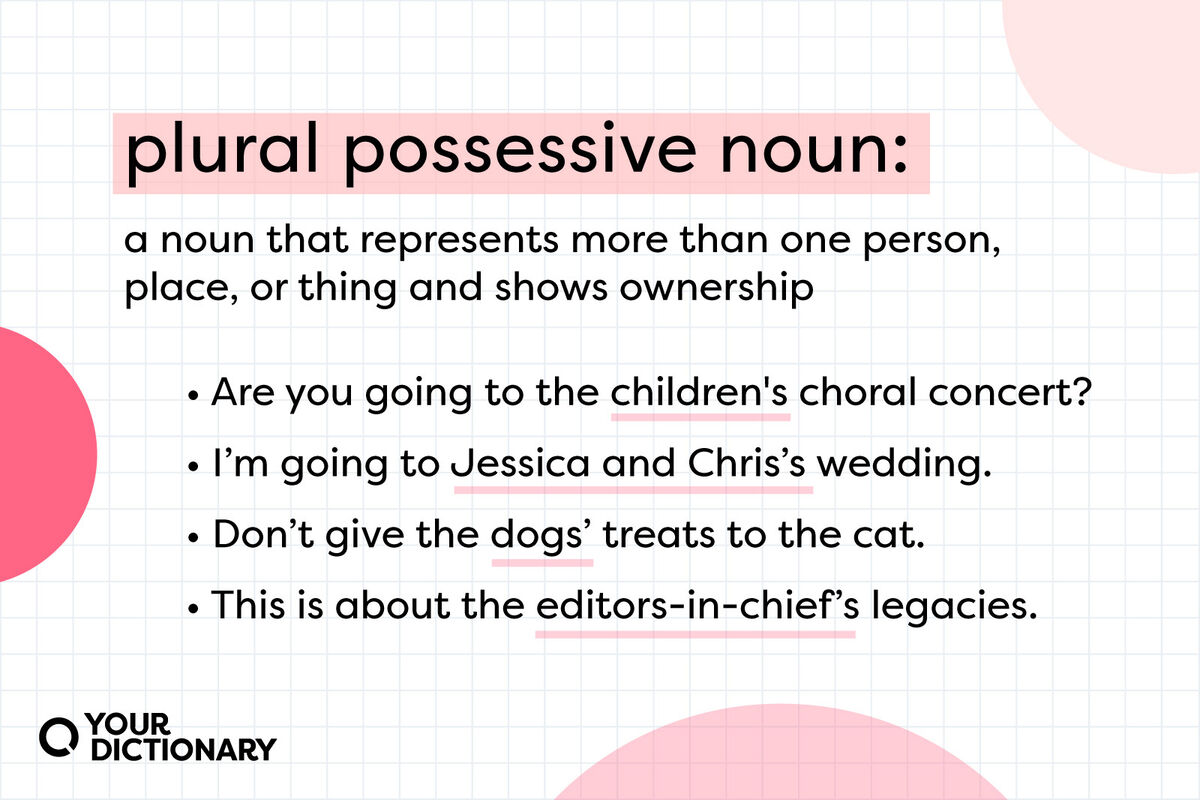
A possessive plural, at its core, is a grammatical construction used to indicate ownership or a strong relationship between a group of people or things and something they possess. For instance, “the companies’ strategies” denotes strategies belonging to multiple companies, while “our customers’ feedback” refers to feedback provided by numerous customers. While seemingly a simple linguistic rule, its misuse can lead to ambiguity, undermine professionalism, and ultimately tarnish a brand’s carefully cultivated image. In the realm of branding, where every word is an ambassador for your identity, mastering the possessive plural is not merely a matter of correctness; it’s a strategic imperative for clarity, credibility, and compelling communication.
The Unseen Architects of Brand Clarity: Deconstructing Possessive Plurals
Understanding the possessive plural is the foundational step towards wielding its power effectively in brand communication. It’s a concept that distinguishes precise attribution from vague generalizations, ensuring your message lands with the intended impact.
Defining the Possessive Plural: Beyond the Basics
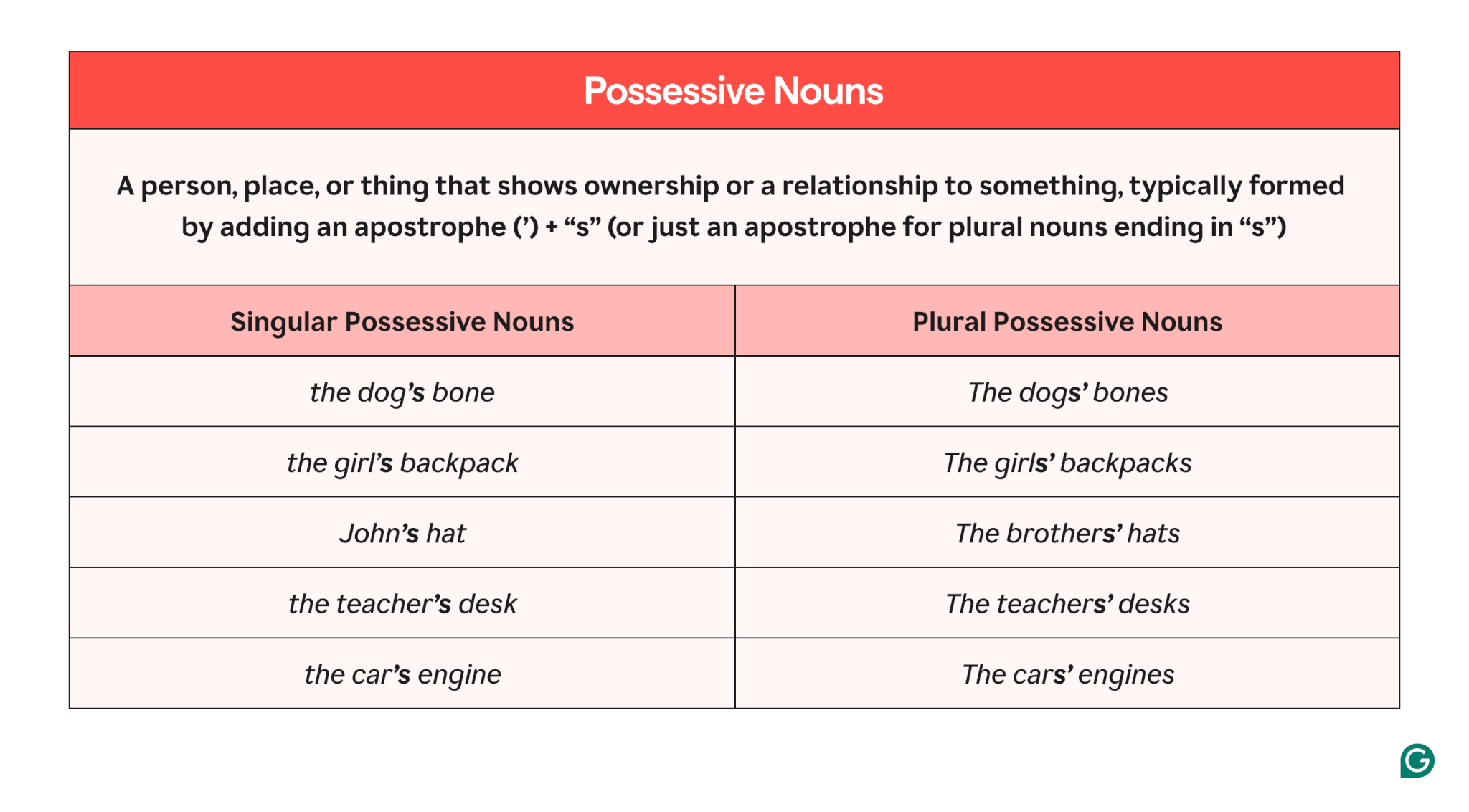
At its heart, a possessive plural indicates that a group of entities collectively owns or is associated with something. The rule is deceptively simple:
-
Start with a plural noun: Most plural nouns end in ‘s’ (e.g., “employees,” “customers,” “developers”).
-
Add an apostrophe after the ‘s’: This signifies possession (e.g., “employees’,” “customers’,” “developers'”).
-
For irregular plurals that don’t end in ‘s’ (e.g., “children,” “women,” “people”), you add an apostrophe and an ‘s’ (e.g., “children’s toys,” “women’s rights,” “people’s opinions”).
Let’s illustrate with brand-relevant examples:
-
Correct: “Our competitors’ market share is shrinking.” (The market share belongs to multiple competitors.)
-
Incorrect: “Our competitor’s market share is shrinking.” (Implies only one competitor.)
-
Correct: “We value our clients’ trust above all else.” (The trust belongs to multiple clients.)
-
Incorrect: “We value our client’s trust above all else.” (Implies a single client.)
Distinguishing this from a simple plural (“companies” vs. “companies'”) or a singular possessive (“company’s” vs. “companies'”) is crucial. A simple plural just indicates “more than one.” A singular possessive indicates something belonging to “one” entity. The possessive plural, therefore, is uniquely powerful in conveying collective ownership or association, a nuance often vital in corporate communication.
The Subtle Power of Precision in Professional Communication
In branding, every word serves a purpose. Precision in language is not just a stylistic preference; it’s a functional necessity. The correct use of possessive plurals ensures that your brand’s message is unambiguous, reflecting a commitment to detail and clarity. Misuse can lead to confusion, forcing your audience to pause and re-interpret, thereby breaking the flow of your message and distracting from your core proposition.
Consider the difference in these two phrases from a branding perspective:
-
“We stand by our employees’ rights.” (Clearly states the company’s commitment to the rights of all its employees.)
-
“We stand by our employee’s rights.” (Suggests a commitment to a single employee’s rights, potentially leaving the impression that the company doesn’t care about others.)
The subtle addition or omission of an apostrophe can entirely alter the meaning, impacting how your brand’s values and policies are perceived. In a competitive landscape, where brands vie for attention and trust, such precision differentiates you as meticulous, reliable, and respectful of your audience’s intelligence. It reinforces the idea that your brand takes communication seriously, and by extension, takes its promises and products seriously.
Protecting Your Brand’s Reputation: The Cost of Grammatical Errors
Grammar errors are more than just minor inconveniences; they are silent saboteurs of brand reputation. In an era where consumers scrutinize every aspect of a brand, grammatical precision has become an implicit indicator of quality and professionalism.
Eroding Trust: How Mistakes Undermine Credibility
When a brand consistently exhibits grammatical errors, particularly fundamental ones like the misuse of possessive plurals, it signals a deeper problem: a lack of attention to detail. This perception can quickly translate into a loss of trust. If a company can’t get its grammar right in its public-facing materials, what else is it overlooking? This question, however subconscious, can plague a potential customer’s mind.
-
Perceived unprofessionalism: A website riddled with errors suggests carelessness, directly impacting the brand’s professional image.
-
Reduced reliability: Consumers may question the quality of products or services if the communication about them is flawed. If a company can’t communicate clearly, can it deliver clearly?
-
Damage to authority: Brands striving for thought leadership or expertise must maintain an impeccable linguistic standard. Errors undermine their authority and make their insights seem less credible.
The erosion of trust is a slow, insidious process. It rarely happens overnight due to a single error, but consistent mistakes chip away at a brand’s foundation, making it vulnerable to competitors who prioritize meticulous communication.
The Domino Effect: From Marketing Copy to Investor Relations
The impact of grammatical errors is not confined to a single marketing campaign; it reverberates across all brand touchpoints, creating a domino effect that can have far-reaching consequences.
-
Marketing and Advertising: A poorly punctuated slogan or a misused possessive plural in an ad headline can confuse the message, diminish its impact, and even become the subject of ridicule, leading to negative brand associations. Imagine an ad boasting about “Our customers success stories” instead of “Our customers’ success stories”—the intended message of shared achievement is lost.
-
Website and Digital Presence: For many, a brand’s website is the first point of contact. Errors here instantly create a negative first impression, driving potential customers away before they even engage with your offerings.
-
Press Releases and Public Relations: Errors in official communications can lead to misinterpretation by media, tarnishing brand image and requiring costly damage control. A misstatement about “shareholders’ interests” versus “shareholder’s interest” can cause significant confusion in the financial market.
-
Internal Communications: While less visible externally, errors in internal documents (e.g., “employees’ handbook,” “departments’ objectives”) can signal a lack of internal rigor, affecting employee morale and perception of company leadership.
-
Investor Relations and Financial Reports: In the high-stakes world of finance, precision is non-negotiable. Mistakes in annual reports or investor presentations regarding, for instance, “partners’ contributions” versus “partner’s contributions,” can lead to serious misunderstandings, legal ramifications, and a loss of investor confidence.
Each instance of an error acts as a small crack in the brand’s facade, collectively weakening its overall integrity and making it harder to build and maintain a strong market position.
Crafting Impeccable Brand Messaging: Strategic Application of Possessive Plurals
Beyond merely avoiding errors, the strategic application of possessive plurals can actively enhance and strengthen your brand messaging, adding layers of nuance and clarity that resonate with your audience.
Enhancing Marketing and Advertising Copy
In marketing, every character counts. Possessive plurals provide a concise way to communicate collective ownership or association, which can be particularly effective in crafting impactful and engaging copy.
-
Highlighting Customer Success: Instead of saying “Stories from our customers about their success,” you can use the more elegant and punchy: “Hear our customers’ success stories.” This directly attributes the success to the group, reinforcing a customer-centric brand image.
-
Differentiating from Competitors: “Analyze our competitors’ strategies to stay ahead.” This clearly states you are examining the collective strategies of multiple competitors, demonstrating a comprehensive market awareness.
-
Showcasing Collective Value: “Experience the power of our developers’ ingenuity.” This emphasizes the collective talent and innovation within your team, contributing to a perception of robust capability.
By skillfully employing possessive plurals, brands can construct headlines, slogans, and body copy that are not only grammatically sound but also more persuasive, professional, and precise. This precision minimizes misinterpretation and maximizes the impact of your marketing efforts.
Polishing Corporate Identity and Internal Communications
The role of possessive plurals extends beyond external marketing to shape a cohesive corporate identity and ensure clear internal communications. They are crucial for defining roles, responsibilities, and values within an organization.
-
Defining Corporate Statements: In mission statements or value propositions, clarity is key. “We uphold our stakeholders’ interests with unwavering commitment” clearly communicates a broad responsibility.
-
Internal Documentation: Documents like “employees’ benefits guide,” “departments’ performance metrics,” or “teams’ weekly reports” rely on correct possessive plurals to accurately convey ownership and responsibility, preventing confusion and ensuring operational efficiency.
-
Branding Guidelines: Even within the brand’s style guide, clear language is paramount. Defining “our designers’ preferred font palette” leaves no room for ambiguity.
Consistent and correct usage in these areas reinforces a brand’s internal professionalism, streamlines operations, and ensures that all members of the organization operate under a unified, clear understanding of its identity and objectives. This internal clarity naturally translates to a more coherent external brand presence.
Implementing a Grammatically Sound Brand Strategy
Achieving grammatical excellence for your brand isn’t an accident; it’s the result of a deliberate, systematic approach integrated into your overall brand strategy.
Developing a Comprehensive Brand Style Guide
A brand style guide is the bible for all brand communications, and it must include explicit guidelines for grammar, punctuation, and usage, with a particular focus on common pitfalls like possessive plurals.
-
Standardized Rules: Define the specific rules for forming singular and plural possessives that your brand will adhere to. For example, clarify whether to use “company’s” or “companies'” in specific contexts.
-
Common Error Examples: Include a section with examples of correctly and incorrectly used possessive plurals relevant to your brand’s vocabulary. This serves as a quick reference for content creators.
-
Consistency Across Channels: Emphasize that these grammatical standards apply across all brand touchpoints—website, social media, print ads, internal memos, and presentations.
A well-crafted style guide empowers every person involved in content creation to maintain grammatical integrity, ensuring a unified and professional voice across all brand communications.
Leveraging Editorial Expertise and Technology
While a style guide provides the rules, human oversight and technological tools ensure their consistent application.
-
Professional Copy Editors and Proofreaders: Investing in professional editorial services is a non-negotiable for brands serious about their image. Editors not only catch errors but also enhance clarity, tone, and overall message effectiveness. They are the guardians of your brand’s linguistic integrity.
-
Grammar-Checking Software: While not a substitute for human editors, advanced grammar-checking software can serve as a valuable first line of defense, identifying many common errors, including issues with possessive plurals. Integrating these tools into content workflows can catch mistakes early in the creation process.
-
Training and Education: Regularly educating internal teams on brand communication standards, including specific grammar rules, fosters a culture of linguistic excellence. Workshops and accessible resources can empower employees to contribute to a consistently professional brand voice.
By combining robust guidelines, expert review, and smart technology, brands can build a resilient defense against grammatical errors, safeguarding their reputation and reinforcing their commitment to quality.
The Long-Term ROI of Grammatical Excellence for Your Brand
In the long run, the commitment to grammatical excellence, particularly in mastering nuanced constructions like the possessive plural, yields significant returns, strengthening brand equity and securing market leadership.
Building Lasting Customer Relationships
A brand that communicates flawlessly cultivates trust and respect. When customers consistently encounter clear, error-free messaging, they perceive the brand as reliable, competent, and attentive to detail. This perception translates into:
-
Enhanced Customer Confidence: Customers feel more confident in a brand that presents itself professionally, believing that the same attention to detail extends to its products and services.
-
Stronger Brand Loyalty: Brands that demonstrate an unwavering commitment to quality in all aspects, including communication, tend to foster deeper loyalty among their customer base.
-
Positive Word-of-Mouth: Customers are more likely to recommend a brand they trust and respect, extending its reach through authentic advocacy.
In essence, precise communication is a fundamental building block of strong, enduring customer relationships, creating a virtuous cycle of trust and positive engagement.

Solidifying Market Position and Thought Leadership
Brands that prioritize grammatical excellence often distinguish themselves in crowded markets. They are perceived as more authoritative, sophisticated, and trustworthy, which helps them solidify their market position and emerge as thought leaders.
-
Setting a Higher Standard: A brand that consistently communicates with clarity and precision sets itself apart from competitors who might overlook these details. This subtle differentiation contributes to a premium brand perception.
-
Establishing Authority: In whitepapers, blog posts, and expert commentary, flawless grammar reinforces a brand’s intellectual credibility, positioning it as an authoritative voice in its industry.
-
Attracting Top Talent: Just as customers are drawn to professional brands, so too are top-tier employees. A brand that values meticulous communication projects an image of excellence that attracts high-caliber talent.
Ultimately, understanding and correctly applying grammatical rules, like that of the possessive plural, is far from a trivial pursuit for brands. It’s a strategic investment in clarity, credibility, and consistency—the cornerstones of a powerful and respected brand identity in today’s demanding market landscape.
aViewFromTheCave is a participant in the Amazon Services LLC Associates Program, an affiliate advertising program designed to provide a means for sites to earn advertising fees by advertising and linking to Amazon.com. Amazon, the Amazon logo, AmazonSupply, and the AmazonSupply logo are trademarks of Amazon.com, Inc. or its affiliates. As an Amazon Associate we earn affiliate commissions from qualifying purchases.