
In the fast-paced world of technology, the leap from a conceptual breakthrough to a full-scale market release is fraught with peril. Whether you are deploying a new Artificial Intelligence (AI) model, launching a Software-as-a-Service (SaaS) platform, or introducing a complex enterprise infrastructure update, the stakes are incredibly high. A single overlooked bug or a miscalculated user interface choice can result in millions of dollars in lost revenue and irreversible damage to a company’s technical reputation.
This is where the pilot study becomes an indispensable tool. In the tech niche, a pilot study—often referred to as a “pilot project” or a “limited production run”—is a small-scale, preliminary trial designed to test the feasibility, time, cost, and adverse events of a technical project before a full-scale launch. It acts as a bridge between the laboratory (development environment) and the real world (the production environment), providing developers and stakeholders with the data necessary to proceed with confidence.
Understanding the Pilot Study in the Modern Tech Landscape
A pilot study is not merely a “practice run.” In professional software development and engineering, it is a structured research methodology. It is the phase where hypotheses about technical performance and user interaction are validated in a controlled, yet live, environment.
Defining the Scope: Pilot vs. Beta vs. PoC
To understand what a pilot study is, one must distinguish it from other common tech terms like “Proof of Concept” (PoC) and “Beta Testing.”
- Proof of Concept (PoC): This is usually internal. It is designed to prove that a specific technology or feature is possible. For example, a PoC might determine if an AI can successfully categorize images.
- Pilot Study: This is broader. It tests the entire system in a real-world scenario with a small segment of actual users. It asks: “Now that we know it works, does it function efficiently within the existing ecosystem, and do users understand it?”
- Beta Testing: This is typically the final stage of testing before a general release. While a pilot study focuses on feasibility and system integrity, beta testing focuses on finding remaining bugs through a larger user base.
Why Tech Companies Can’t Skip the Pilot Phase
The primary driver behind a pilot study is risk mitigation. In the era of “move fast and break things,” many startups have learned the hard way that breaking things in a global production environment is a recipe for disaster. A pilot study allows a development team to identify “unknown unknowns”—those technical glitches or user friction points that were impossible to predict during the coding phase. By isolating these issues within a small group, the tech team can iterate rapidly without the pressure of a global audience.
Planning and Executing a Successful Technical Pilot
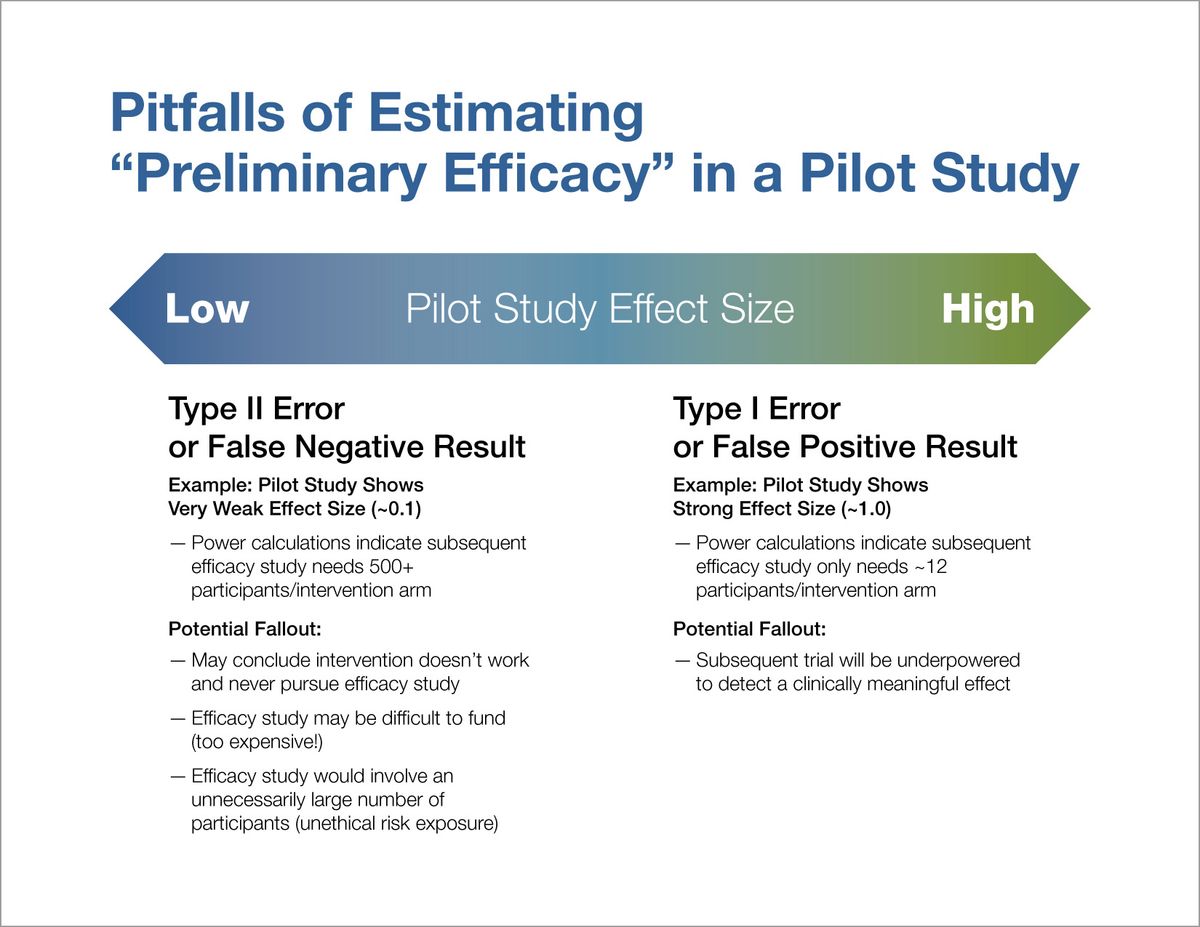
The success of a pilot study depends heavily on its structure. It requires a balance between a “sandbox” mentality and the rigors of a live deployment. A poorly planned pilot can provide misleading data, leading to a false sense of security or the unnecessary abandonment of a viable project.
Setting Clear KPIs and Success Metrics
Before a single line of code is deployed for a pilot, the technical leadership must define what success looks like. These Key Performance Indicators (KPIs) should be measurable and aligned with the project’s ultimate goals. In a tech context, these often include:
- System Latency: How does the software perform under the load of real-world data?
- Error Rates: Are there recurring crashes or API failures that didn’t appear in unit testing?
- User Retention: Within the pilot group, do users continue to engage with the tool after the initial interaction?
- Resource Utilization: Is the application consuming more cloud compute or memory than budgeted?
Selecting the Right User Segment
A pilot study is only as good as its participants. If you are piloting a new DevOps tool, your study group should consist of experienced engineers, not the marketing department. The selection process involves identifying a “microcosm” of your target audience—users who are representative of the larger whole but who are also willing to provide detailed, constructive feedback. Many tech firms use “early adopters” or long-term enterprise partners for this phase, as these users are often more tolerant of minor hiccups in exchange for early access to innovation.
Strategic Advantages of a Tech Pilot
The benefits of conducting a pilot study extend far beyond simply catching bugs. From a strategic standpoint, a pilot study is a high-yield investment that protects a company’s resources and long-term roadmap.

Resource Optimization and Budget Control
Full-scale technical deployments are expensive. They involve massive cloud hosting costs, extensive customer support training, and significant marketing spend. If a product fails at the global level, these costs are unrecoverable. A pilot study allows leadership to “fail small.” If the pilot reveals that the technology isn’t ready or that the market doesn’t need the solution, the company can pivot or pull the plug having spent only a fraction of the total budget. This financial prudence is vital for startups and established tech giants alike.
Refining the UX/UI Journey
Developers often fall in love with their own logic. However, what makes sense to a software architect might be baffling to an end-user. The pilot study provides the first genuine look at the User Experience (UX). By observing how pilot participants navigate a new app or dashboard, designers can identify points of friction. Perhaps a button is misplaced, or a multi-step process is too cumbersome. Refining these elements during the pilot phase ensures that when the product hits the mass market, it is intuitive and polished.
Security and Scalability Validation
In our current digital climate, security cannot be an afterthought. A pilot study allows security teams to monitor for vulnerabilities in a live environment without exposing the entire user base to risk. It also serves as a “stress test” for scalability. While load testing in a lab is helpful, the unpredictable nature of real-world traffic patterns during a pilot can reveal how well the infrastructure scales horizontally and whether the database architecture can handle concurrent writes without deadlocks.
Pilot Studies in Emerging Tech: AI and SaaS
The methodology of the pilot study has evolved with the rise of Artificial Intelligence and Software-as-a-Service models. These technologies require a more nuanced approach to testing because they are often dynamic and ever-changing.
Implementing AI Models via Pilot Programs
Testing an AI model is vastly different from testing traditional software. AI can be unpredictable, occasionally producing “hallucinations” or biased results. A pilot study for an AI integration—such as a customer service chatbot or an automated data analysis tool—is crucial for monitoring the model’s accuracy in the wild. During the pilot, engineers can implement a “Human-in-the-Loop” (HITL) system where the AI’s decisions are audited by experts before they reach the final user. This allows for the fine-tuning of weights and parameters based on real-world edge cases that were missing from the training dataset.
SaaS Soft Launches: Scaling the Feedback Loop
For SaaS companies, the pilot study often takes the form of a “Soft Launch.” By releasing the platform to a specific geographic region or a small industry vertical, the company can test its subscription billing systems, customer support response times, and server stability. This phase is less about the code and more about the “service” aspect of SaaS. It ensures that the operational side of the business can keep up with the technical side once the floodgates are opened.
Common Pitfalls: Why Technical Pilots Fail
Despite its benefits, a pilot study is not a silver bullet. If executed poorly, it can lead to “Analysis Paralysis” or provide a skewed version of reality.
Scope Creep and Lack of Focus
The most common reason for a failed pilot is scope creep. Because the pilot is a “trial,” there is a temptation to keep adding features to see “if they work too.” This muddies the data. A successful pilot must remain lean. If you are testing a core synchronization feature, don’t try to test a new social networking integration at the same time. Stick to the primary hypothesis; otherwise, you won’t know which variable caused the success or failure.
Ignoring Qualitative Data
In tech, we are obsessed with quantitative data—log files, uptime percentages, and click-through rates. However, a pilot study also requires qualitative insight. If users find a tool “annoying” or “confusing,” that won’t always show up in a server log. Failing to conduct interviews or surveys with pilot participants is a missed opportunity. The “why” behind user behavior is often more valuable than the “what.”

The “Sunk Cost” Fallacy
Finally, a pilot study only works if the organization is willing to act on the results—even if the results are negative. Sometimes, a pilot reveals that a project is fundamentally flawed. Technical leaders must be brave enough to stall or cancel a project based on pilot data. Proceeding with a full launch despite a disastrous pilot is a catastrophic mistake that ignores the very purpose of the study.
In conclusion, a pilot study is the ultimate safeguard in the technology sector. It provides a structured, data-driven environment to test innovations, refine user experiences, and ensure financial and technical scalability. By embracing the pilot phase, tech companies can move from the uncertainty of “hoping it works” to the strategic confidence of “knowing it works.” In an industry where the only constant is change, the pilot study remains the most reliable compass for navigating the path from concept to codebase.
aViewFromTheCave is a participant in the Amazon Services LLC Associates Program, an affiliate advertising program designed to provide a means for sites to earn advertising fees by advertising and linking to Amazon.com. Amazon, the Amazon logo, AmazonSupply, and the AmazonSupply logo are trademarks of Amazon.com, Inc. or its affiliates. As an Amazon Associate we earn affiliate commissions from qualifying purchases.