
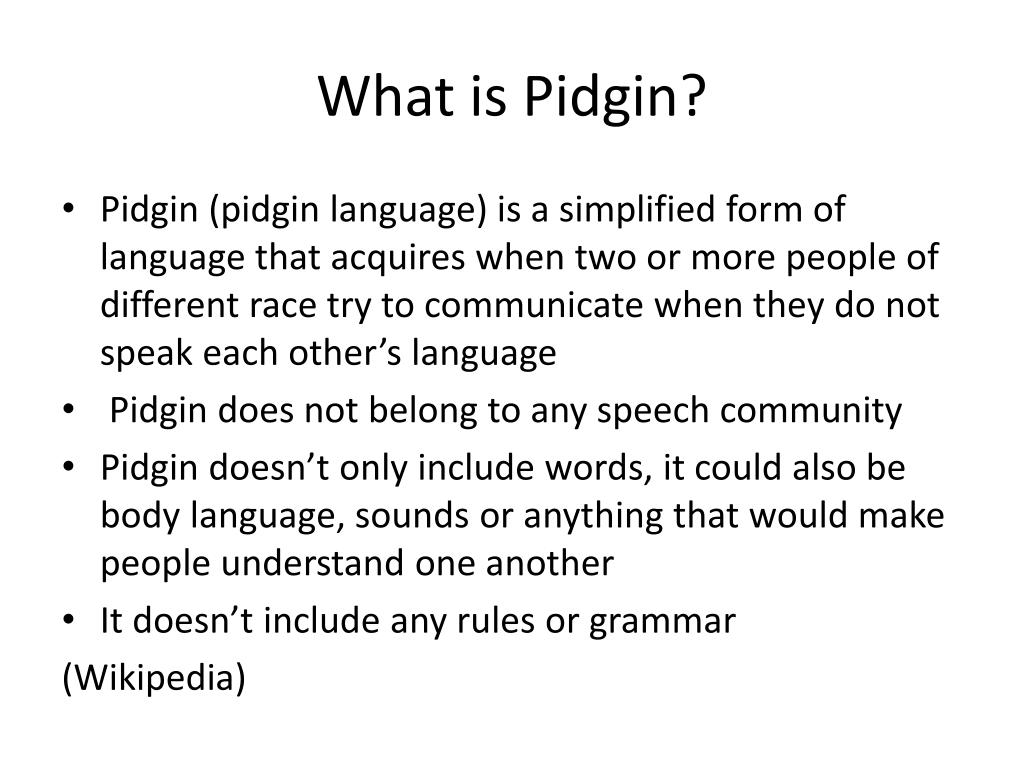
In the ever-evolving landscape of technology, seamless communication and data exchange are paramount. Whether it’s the intricate ballet of software applications interacting, the streamlined flow of information across networks, or the development of specialized tools for specific tasks, the underlying principles often mirror those of human pidgin languages. A pidgin, in its linguistic sense, is a simplified language that develops as a means of communication between two or more groups that do not have a language in common. It typically arises out of necessity, borrowing vocabulary and grammatical structures from the parent languages but simplifying them significantly for practical use.
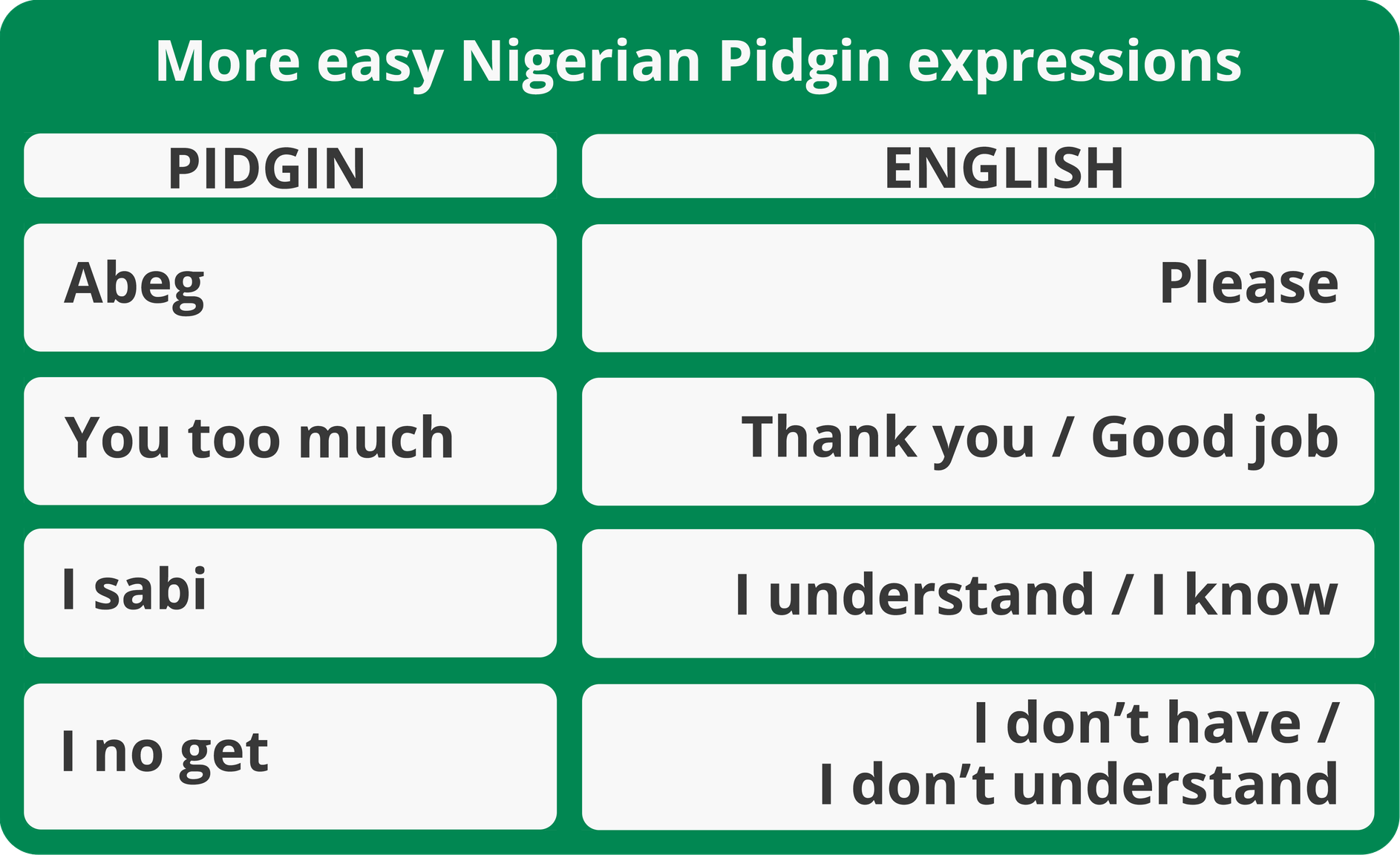
In the realm of technology, the concept of a “pidgin” translates to the creation and utilization of simplified, functional communication protocols and intermediary systems. These digital pidgins are not languages in the traditional sense, but rather the often-invisible mechanisms that enable disparate technological components, systems, and even human users to interact effectively, even if they weren’t originally designed to do so. Understanding these digital pidgins is crucial for appreciating the architecture of modern software, the interconnectedness of our digital infrastructure, and the innovative solutions that drive technological progress.
The Genesis of Digital Pidgins: Necessity as the Mother of Invention
Just as human pidgins emerge from the need for basic communication between mutually unintelligible speakers, digital pidgins are born from the inherent heterogeneity of the technological world. Different vendors, developers, and even different versions of the same software often speak distinct “languages” of data formats, protocols, and underlying architectures. Without a unifying element, integration would be impossible, and the potential of these disparate technologies would remain largely unrealized.
Bridging the Language Gap: Interoperability and Standards
The fundamental driver behind the creation of digital pidgins is the need for interoperability. In the absence of universally adopted, rigid standards for every conceivable technological interaction, systems must be designed to accommodate a range of inputs and outputs. This leads to the development of intermediary layers, translators, and simplified interfaces that act as the “pidgin” between these systems.
- Data Format Translation: Imagine receiving data from a legacy system in a proprietary format and needing to integrate it into a modern cloud-based application that expects JSON or XML. A data transformation service, acting as a digital pidgin, will parse the original data, extract its meaning, and reformat it into a structure understandable by the new application. This is akin to a human pidgin speaker finding common ground in basic nouns and verbs to convey essential information.
- Protocol Mediation: Different devices and software might employ varying communication protocols. A gateway device or an integration platform can act as a pidgin, translating messages between these different protocols. For instance, a smart home hub might need to communicate with devices using Zigbee, Z-Wave, and Wi-Fi. The hub itself becomes a pidgin, translating commands and data between these disparate communication methods.
- API Gateways: Application Programming Interfaces (APIs) are designed to allow different software components to communicate. However, even within the API paradigm, there can be variations in how data is structured, authenticated, or requested. An API gateway often serves as a pidgin, providing a simplified, unified interface to a suite of backend services. It can handle tasks like authentication, rate limiting, and data transformation, presenting a consistent “pidgin” interface to external clients, shielding them from the complexities of the underlying microservices.
The Role of Middleware and Integration Platforms
Middleware, a broad category of software that acts as a bridge between operating systems and applications, plays a significant role in facilitating digital pidgin communication. Integration platforms, a more specific form of middleware, are designed explicitly to connect disparate applications and data sources, enabling them to share information and functionality.
- Enterprise Service Buses (ESBs): Historically, ESBs were a prime example of systems facilitating digital pidgin communication. They acted as a central hub, allowing various applications to connect and exchange messages, with the ESB handling protocol translation, message routing, and data transformation. This de-coupled applications, enabling them to communicate without direct knowledge of each other’s internal workings, much like a pidgin language allows speakers of different tongues to communicate at a basic level.
- Modern iPaaS Solutions: Today, the paradigm has shifted towards Integration Platform as a Service (iPaaS). These cloud-based solutions offer a more flexible and scalable approach to digital pidgin creation. They provide pre-built connectors for numerous applications, robust data mapping tools, and workflow automation capabilities, simplifying the process of integrating diverse systems and enabling them to converse using a common, albeit simplified, digital dialect.
The Anatomy of a Digital Pidgin: Structure and Function
While not possessing the grammatical rules and vocabulary of a spoken pidgin, digital pidgins exhibit distinct characteristics that define their function and effectiveness. They are characterized by their focus on functionality, simplicity, and adaptability, prioritizing the successful exchange of information over elegance or complexity.
Simplicity and Efficiency: The Core Principles
The defining feature of any pidgin, whether linguistic or digital, is its inherent simplicity. Complex linguistic structures are stripped away, and only the essential elements for conveying meaning are retained. Similarly, digital pidgins prioritize efficient data transfer and functional interaction.
- Reduced Complexity: In software development, this can manifest as the creation of lightweight protocols or data structures designed for minimal overhead. Instead of a verbose, feature-rich protocol, a digital pidgin might use a simpler, more direct method for exchanging specific types of information.
- Task-Oriented Design: Digital pidgins are often designed with a specific task or set of tasks in mind. This focus allows for a streamlined approach, eliminating unnecessary features or complexities that would hinder the primary objective of communication or data exchange. For example, a simple API endpoint for retrieving user names is a digital pidgin for a specific data retrieval task.
- Minimal Error Handling (Initially): While robust error handling is crucial in production systems, early-stage digital pidgins might prioritize getting the basic communication channel open. This can be analogous to a human pidgin where understanding is paramount, and minor errors in phrasing are overlooked as long as the core message is conveyed. However, as the pidgin matures, more sophisticated error handling mechanisms are typically integrated.
Adaptability and Evolution: From Basic to Complex
A remarkable characteristic of both linguistic and digital pidgins is their potential for evolution. A pidgin that starts as a rudimentary communication tool can, over time, develop into a more complex and expressive language (a creole in linguistic terms). Similarly, digital pidgins can evolve to support more sophisticated interactions.
- Standardization and Refinement: As the need for a particular type of digital pidgin communication becomes widespread, efforts are often made to standardize it. This leads to the development of formal specifications and best practices, transforming a ad-hoc solution into a more robust and widely adopted protocol or data format.
- Layering and Abstraction: A complex technological system is often built upon layers of increasingly sophisticated digital pidgins. A low-level network protocol might form the base, with higher-level APIs built on top of it, and further middleware acting as pidgins to bridge gaps between different application layers. Each layer offers a simplified view of the underlying complexity.
- The “Creolization” of APIs: Over time, simple APIs can evolve. If an API becomes widely used and developers build extensive applications around it, it can grow in functionality and complexity, potentially becoming a more established and feature-rich interface. This mirrors the linguistic process of a pidgin developing into a creole, a fully formed language with its own grammar and vocabulary.

Real-World Applications: Where Digital Pidgins Thrive
The concept of digital pidgins is not merely theoretical; it is deeply embedded in the fabric of our modern technological landscape, enabling the functionality of countless applications and services we rely on daily.
Cloud Computing and Microservices Architecture
The rise of cloud computing and microservices architectures has amplified the importance of digital pidgins. In a microservices environment, a large application is broken down into smaller, independent services, each responsible for a specific business function. These services need to communicate with each other effectively, often across different networks and potentially written in different programming languages.
- Inter-Service Communication: Service-to-service communication in microservices heavily relies on lightweight protocols and well-defined APIs that act as digital pidgins. RESTful APIs, using HTTP as their underlying transport, are a prime example. They provide a simplified, standardized way for services to request and exchange data, abstracting away the complexities of the underlying network and operating system.
- API Gateways as Central Hubs: As mentioned earlier, API gateways are indispensable in microservices. They act as the primary entry point for external requests, translating and routing them to the appropriate microservices. This gateway is essentially a sophisticated digital pidgin, presenting a consistent interface to the outside world while managing the diverse communication needs of the internal services.
Internet of Things (IoT) and Embedded Systems
The Internet of Things, with its vast array of interconnected devices, presents a unique challenge for communication. Many IoT devices have limited processing power and bandwidth, requiring highly efficient and simplified communication methods.
- Lightweight Protocols for Resource-Constrained Devices: Protocols like MQTT (Message Queuing Telemetry Transport) and CoAP (Constrained Application Protocol) are designed as digital pidgins for IoT. They are lightweight, require minimal overhead, and are well-suited for intermittent network connectivity, enabling devices with limited resources to communicate effectively with central servers or other devices.
- Bridging Different Network Technologies: In IoT deployments, devices might use Wi-Fi, Bluetooth, LoRaWAN, or cellular networks. Gateway devices act as digital pidgins, aggregating data from these diverse networks and translating it into a format that can be managed and analyzed by cloud platforms.
Data Integration and Business Intelligence
Organizations today deal with data residing in numerous disparate systems, from legacy databases to cloud applications and spreadsheets. Extracting meaningful insights from this fragmented data requires effective data integration.
- ETL (Extract, Transform, Load) Processes: ETL tools and processes are essentially sophisticated digital pidgins. They extract data from various sources, transform it into a consistent format, and load it into a data warehouse or data lake. This allows disparate datasets to “speak the same language,” enabling comprehensive analysis and reporting.
- Data Virtualization: Data virtualization technologies offer a way to access and integrate data from multiple sources without physically moving it. They create a virtual layer that acts as a digital pidgin, allowing users and applications to query data from different systems as if it were all in one place, simplifying access and reducing data redundancy.
The Future of Digital Pidgins: Towards More Intelligent Communication
As technology advances, the concept of digital pidgins will continue to evolve. We are moving beyond simple translation and integration towards more intelligent and adaptive communication systems.
AI and Machine Learning in Communication
Artificial intelligence and machine learning are poised to revolutionize how digital pidgins are created and utilized. AI can help in automatically identifying communication patterns, generating optimal translation models, and even predicting communication needs.
- Automated API Generation: AI-powered tools are emerging that can analyze existing code and data structures to automatically generate APIs, effectively creating digital pidgins on demand. This can significantly speed up the development process and facilitate integration between previously incompatible systems.
- Context-Aware Communication: Future digital pidgins will likely be more context-aware, understanding the intent behind a request and adapting their communication style accordingly. This could involve dynamically adjusting the level of detail or the format of data exchanged based on the recipient’s needs and capabilities.
Decentralized and Self-Organizing Systems
The rise of blockchain and decentralized technologies presents new frontiers for digital pidgins. In decentralized networks, autonomous agents or smart contracts may need to communicate and collaborate without a central authority.
- Interoperability in Blockchain: As different blockchain networks gain traction, the need for interoperability between them becomes critical. Cross-chain bridges and protocols that act as digital pidgins will be essential for enabling seamless asset and data transfer between these distinct ecosystems.
- Agent-Based Communication: In complex simulations or future distributed systems, autonomous agents might develop their own forms of simplified communication to coordinate their actions. These emergent “agent pidgins” would be shaped by the specific environment and objectives of the agents.
In conclusion, the concept of a “pidgin” in technology refers to the essential, often invisible, mechanisms that enable disparate systems to communicate and function together. From simple data translators to sophisticated API gateways and lightweight IoT protocols, these digital pidgins are the unsung heroes of our interconnected world. By simplifying complexity and bridging communication gaps, they drive interoperability, foster innovation, and pave the way for an increasingly integrated and intelligent technological future. Understanding digital pidgins is key to comprehending the intricate, yet elegant, ways in which our digital infrastructure is built and how it continues to evolve.
aViewFromTheCave is a participant in the Amazon Services LLC Associates Program, an affiliate advertising program designed to provide a means for sites to earn advertising fees by advertising and linking to Amazon.com. Amazon, the Amazon logo, AmazonSupply, and the AmazonSupply logo are trademarks of Amazon.com, Inc. or its affiliates. As an Amazon Associate we earn affiliate commissions from qualifying purchases.