
In the modern digital landscape, where attention is the most valuable currency, brands are moving away from traditional, text-heavy communication toward more immersive, visual-centric narratives. This evolution has brought the “picture essay”—traditionally a tool of photojournalism—into the heart of brand strategy and corporate identity. A picture essay is a set or series of photographs that are intended to tell a story or evoke a series of emotions in the viewer. Unlike a random collection of images, a picture essay is a curated narrative arc that uses visual language to communicate a message, a value proposition, or a brand’s “why.”
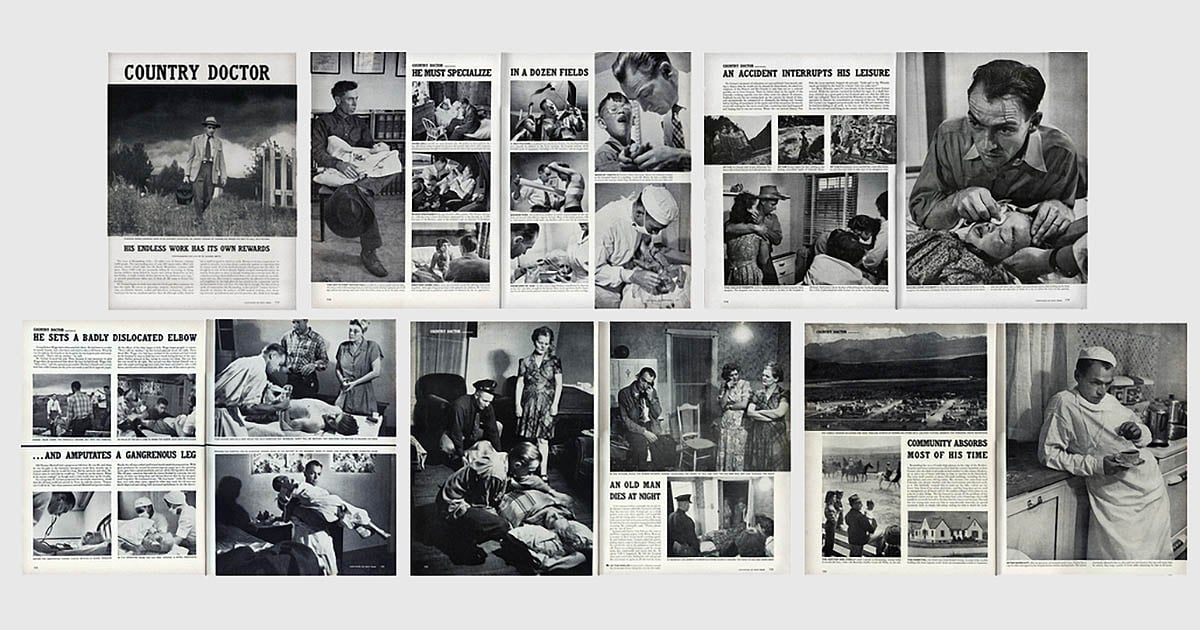
For a brand, a picture essay is not merely an aesthetic choice; it is a strategic asset. It bridges the gap between a company’s mission statement and the customer’s emotional experience. In this article, we will explore the nuances of the picture essay within the niche of brand strategy, examining how visual storytelling can define corporate identity, build trust, and create a lasting market presence.
Defining the Picture Essay in the Context of Brand Identity
At its core, a picture essay is a visual narrative. In the context of branding, it serves as a powerful medium to humanize a corporation and provide a “behind-the-scenes” look at its operations, culture, and impact. While a single image can be iconic, a picture essay provides the depth and context necessary to build a comprehensive brand story.
The Shift from Text-Heavy to Visual-First Marketing
We live in an era of “information snackability.” Consumers are bombarded with thousands of marketing messages daily, leading to sensory overload. Research consistently shows that the human brain processes images 60,000 times faster than text. For a brand, the picture essay is a response to this reality. By leading with visuals, a brand can convey complex ideas—such as sustainability efforts, manufacturing excellence, or community engagement—in a matter of seconds. A well-constructed picture essay captures the “essence” of a brand faster than a 2,000-word white paper ever could.
How Visual Narratives Create Emotional Resonance
Brand loyalty is rarely built on logic alone; it is built on emotion. A picture essay allows a brand to tap into the “affective” domain of marketing. By using a series of images that follow a logical progression, brands can trigger empathy, curiosity, and aspiration. For instance, a luxury watch brand doesn’t just show a product; it uses a picture essay to document the artisan’s hands, the grit of the workshop, and the precision of the gears. This narrative transforms the product from a mere time-telling device into a symbol of heritage and craftsmanship.
Structural Elements of a High-Impact Brand Picture Essay
A successful picture essay in branding is never accidental. It requires a deliberate structure that mirrors traditional storytelling. In brand design, this is often referred to as “visual sequencing.” To be effective, the essay must have a clear beginning, middle, and end, ensuring that the viewer is guided through the brand’s narrative without confusion.
The Narrative Arc: Establishing a Visual Flow
Every great brand story follows an arc. In a picture essay, this typically begins with an “establishing shot”—a wide-angle or high-impact image that sets the scene. This is followed by “detail shots” that highlight specific features or values, “interaction shots” showing the brand’s relationship with its customers or environment, and finally, the “clincher”—an image that leaves a lasting impression and reinforces the brand’s call to action. This flow ensures that the audience isn’t just looking at pictures; they are experiencing a journey that reinforces the brand’s identity.
Consistency in Aesthetics and Brand Voice
For a picture essay to contribute to brand strategy, it must adhere to a strict visual identity. This includes color palettes, lighting styles, and composition techniques that align with the brand’s existing guidelines. If a brand is positioned as “minimalist and high-tech,” its picture essay should feature clean lines, cool tones, and ample negative space. Inconsistency in the visual style of an essay can confuse the audience and dilute the brand’s perceived professionalism.
Captions as a Supporting Strategic Tool
While the images are the stars of the show, the text accompanying a picture essay—the captions and the introductory copy—acts as the strategic anchor. In branding, captions should not merely describe what is in the photo; they should explain the significance of the photo in relation to the brand’s values. Captions provide the “contextual bridge,” ensuring the viewer interprets the visual story through the lens of the brand’s strategic objectives.

Strategies for Implementing Picture Essays in Modern Marketing
Once the structure is defined, the challenge lies in implementation. Brands use picture essays across various platforms, from annual reports to Instagram Stories, to achieve specific marketing goals. The strategy must be tailored to the audience and the medium.
Personal Branding through Documentary Photography
For entrepreneurs and C-suite executives, personal branding is increasingly important. A picture essay that documents a “day in the life” or the journey of a project can build immense social capital. By showing the vulnerability, the hard work, and the creative process, personal brands become more relatable. This documentary-style photography moves away from the “staged” corporate headshot and toward a more authentic, transparent representation of leadership.
Case Studies: Successful Corporate Photo Essays
Consider a brand like Patagonia. Their marketing strategy is heavily reliant on picture essays that document environmental activism and the rugged reality of outdoor sports. These essays rarely focus on the “product” in a vacuum; instead, they focus on the “mission.” By documenting the journey of a recycled material or the lives of people protected by their gear, Patagonia uses the picture essay to solidify its position as a leader in corporate responsibility. Another example is Airbnb, which uses visual essays to tell the stories of hosts around the world, effectively branding themselves not as a booking site, but as a community of global citizens.
The Role of Design and Composition in Brand Trust
The technical quality of a picture essay directly impacts the perceived value of a brand. High-quality design and composition are synonymous with reliability and attention to detail. In branding, “how” you show something is just as important as “what” you show.
Leveraging Technical Excellence for Professionalism
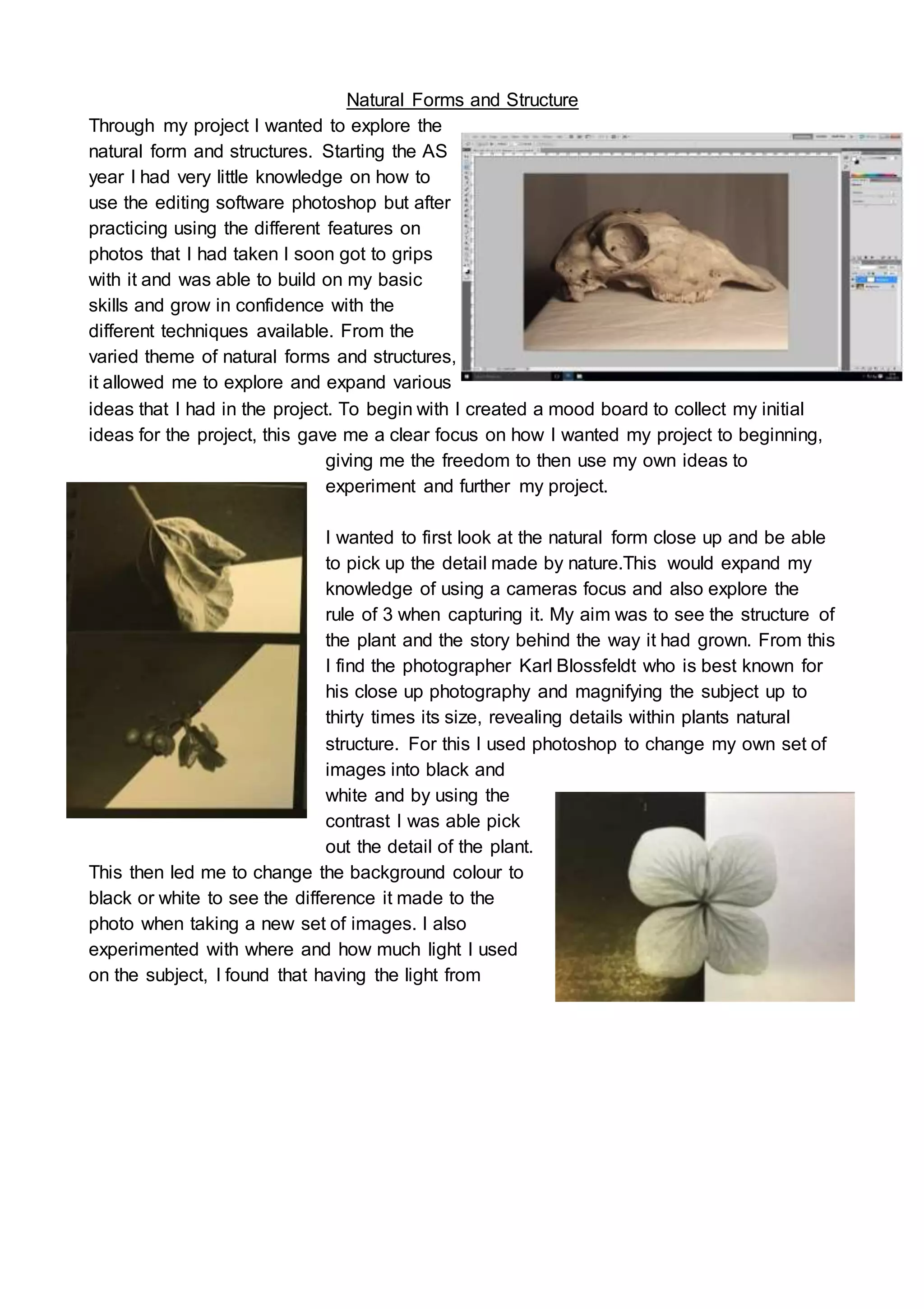
A brand that uses low-resolution, poorly composed images in its picture essay risks appearing amateurish. Professionalism in visual storytelling involves understanding the “Rule of Thirds,” leading lines, and the psychological impact of color. For example, using a shallow depth of field to blur the background and focus on a product can create a sense of intimacy and premium quality. These technical choices are strategic decisions that signal to the consumer that the brand is high-end and trustworthy.
Distribution Channels: Social Media vs. Corporate Reports
The design of a picture essay must be optimized for its distribution channel. On a platform like LinkedIn, a picture essay might be structured as a carousel focusing on industry thought leadership. In a high-end physical brand book or an annual report, the essay might be spread across multiple pages, utilizing high-quality paper and minimalist layouts to convey prestige. The strategy involves adapting the visual narrative to the “vibe” of the platform while maintaining a core brand identity.
Measuring the ROI of Visual Storytelling
In brand strategy, every creative endeavor must eventually be measured against business objectives. While a picture essay is a “top-of-funnel” awareness tool, its impact can be tracked through various qualitative and quantitative metrics.
Engagement Metrics Beyond Likes
In the digital space, the effectiveness of a picture essay is often measured by engagement depth. This includes metrics like “time spent on page,” “save” rates on social media, and “shares.” If users are spending significant time scrolling through a visual narrative, it indicates that the brand story is resonating. High share rates suggest that the visual identity of the brand is strong enough that users want to associate their own personal brands with it.
Long-term Brand Equity and Recognition
The ultimate goal of using picture essays in branding is to build brand equity. Over time, a consistent visual storytelling strategy makes a brand instantly recognizable. When a consumer can identify a brand based solely on the “mood” and “style” of a picture essay—even without seeing a logo—the brand has achieved a peak level of market penetration. This visual recognition leads to increased trust, which in turn drives customer retention and long-term financial growth.
In conclusion, a picture essay is far more than a collection of photographs. In the hands of a skilled brand strategist, it is a sophisticated tool for narrative construction, emotional engagement, and identity building. By mastering the art of the visual essay, brands can cut through the noise of the digital age and build a lasting connection with their audience that goes beyond the transactional and enters the realm of the transformational.
aViewFromTheCave is a participant in the Amazon Services LLC Associates Program, an affiliate advertising program designed to provide a means for sites to earn advertising fees by advertising and linking to Amazon.com. Amazon, the Amazon logo, AmazonSupply, and the AmazonSupply logo are trademarks of Amazon.com, Inc. or its affiliates. As an Amazon Associate we earn affiliate commissions from qualifying purchases.