
The intersection of acoustic engineering and portable design has birthed many unique instruments, but few are as distinct or as misunderstood as the pianica. Often dismissed as a mere classroom toy, the pianica—technically known as a melodica or wind-blown keyboard—represents a sophisticated piece of musical hardware. It bridges the gap between traditional wind instruments and polyphonic keyboard layouts, offering a unique tactile feedback that digital synthesizers often struggle to replicate. In this exploration, we analyze the technology behind the pianica, its evolution within the musical gadget industry, and its modern role in professional studio environments.

The Engineering and Anatomy of the Pianica: A Hardware Analysis
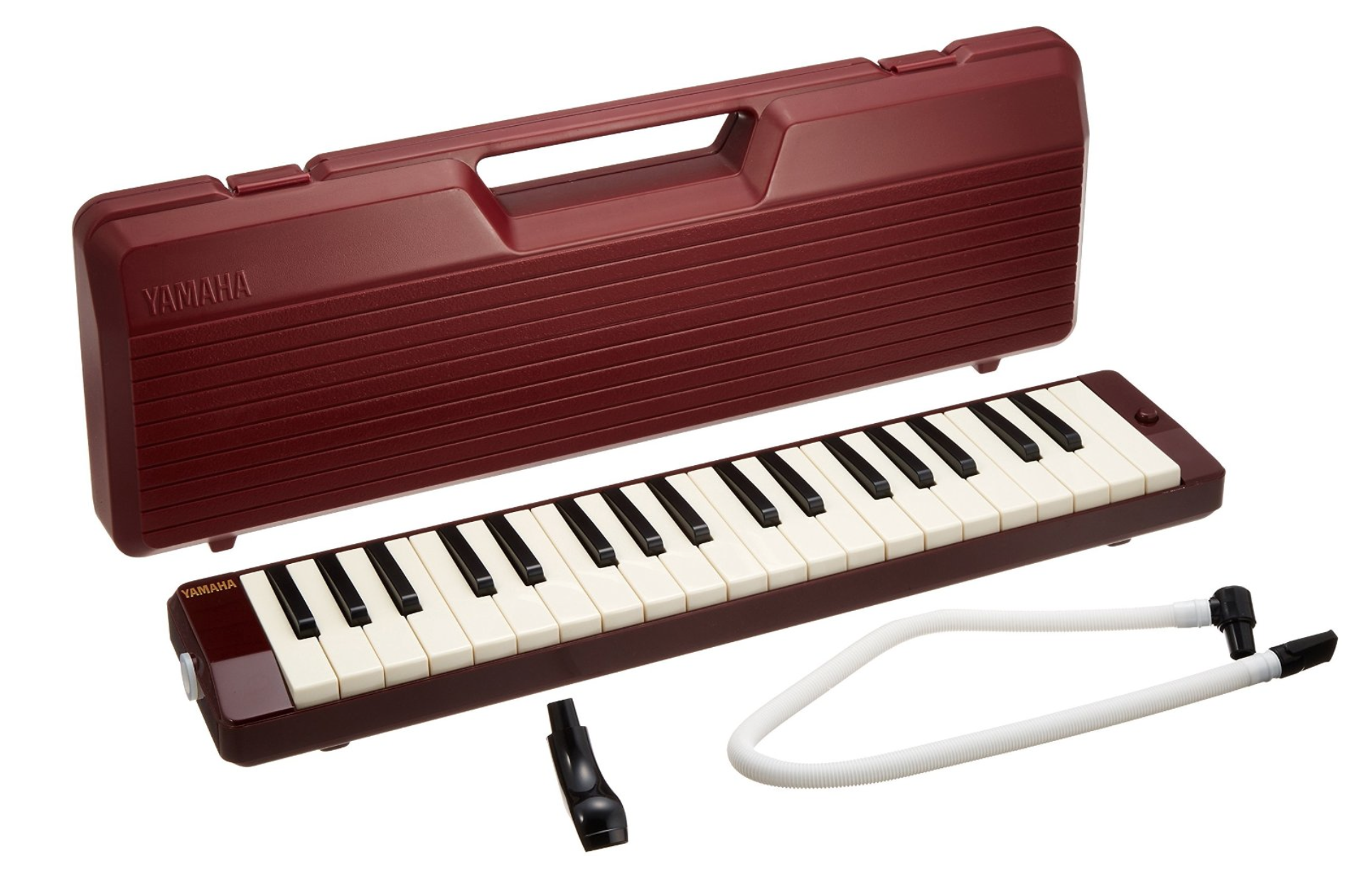
At its core, the pianica is a free-reed instrument, a classification it shares with the accordion and the harmonica. However, its interface is purely keyboard-driven, creating a unique hardware profile that requires both pneumatic pressure and manual dexterity. To understand what a pianica is, one must first look at the mechanical components that allow it to function without an external power source.
The Internal Reed Mechanism: Acoustic Technology at Work
The “engine” of the pianica consists of a series of metal reeds—usually made of brass or bronze—housed within a central chamber. When a performer blows air through the mouthpiece and depresses a key, a valve opens, directing the airflow across a specific reed. The vibration of this reed produces the sound.
From a tech perspective, this is a masterpiece of precision engineering. The clearance between the reed and the reed plate must be measured in microns to ensure immediate “speak” (the time it takes for the note to sound after air is introduced). High-end models, such as those in Yamaha’s professional lineup, utilize anti-corrosive coatings on these reeds to prevent moisture buildup—a common hardware failure in cheaper acoustic gadgets.
Ergonomics and Portability in Modern Design
The chassis of a modern pianica is typically constructed from high-impact ABS resin or, in premium professional versions, a blend of wood-plastic composites. This choice of materials is not accidental; it is a technological solution to the problem of resonance and weight.
Manufacturers focus heavily on the “action” of the keys. Unlike a MIDI controller which uses springs or weighted hammers, the pianica must balance key resistance with the airtight seal of the internal gaskets. Recent innovations in ergonomic design have seen the introduction of extension hoses and varying mouthpiece shapes, allowing the instrument to be played either horizontally on a desk (like a laptop) or held vertically (like a traditional woodwind).
The Evolution of Melodic Hardware: From Educational Tool to Professional Gear
While the concept of the wind-blown keyboard has existed since the mid-20th century, the specific term “Pianica” is a trademark of the Yamaha Corporation. The evolution of this hardware reflects a broader trend in the tech world: the migration of specialized tools from niche educational markets to mainstream professional use.
Yamaha’s Influence and the Rise of the “Pianica” Trademark
In the 1960s and 70s, Yamaha revolutionized the mass production of these instruments. By applying rigorous manufacturing standards previously reserved for their grand pianos and brass instruments, they created a reliable, consistent “gadget” that could withstand the rigors of the classroom.
The term “Pianica” eventually became a proprietary eponym in many parts of the world, much like “Xerox” is to photocopying. This branding was backed by technological consistency; Yamaha’s internal airflow management systems ensured that their instruments stayed in tune longer than generic competitors. This reliability is what eventually caught the attention of professional touring musicians who needed portable, durable hardware for live performances.
Integration into Modern Digital Music Workflows
In the contemporary music production landscape, the pianica occupies a unique space. Despite being an analog instrument, it is frequently used as a specialized “input device” in high-end studios. Producers like Jon Batiste and bands like Gorillaz have utilized the pianica to add an “organic” texture to digital tracks.
The tech appeal here lies in the “breath control” factor. While a digital keyboard (MIDI) can simulate volume through velocity or expression pedals, it cannot perfectly replicate the nuanced pressure changes of human lungs. Engineers often mic the pianica closely to capture the mechanical “click” of the keys and the intake of air, adding a layer of high-fidelity “foley” sound that gives digital productions a more human, tactile feel.

Comparing Analog Wind Technology with Digital Alternatives
As music technology continues to shift toward software-based solutions (VSTs and plugins), the pianica remains a relevant piece of hardware. However, it is often compared to digital breath controllers and MIDI wind instruments. Understanding the differences between these technologies is crucial for any hardware enthusiast.
Breath Controllers vs. The Physical Pianica
Digital breath controllers, such as the AKAI EWI or various USB-powered mouthpieces, translate air pressure into MIDI data. This allows a musician to control a synthesizer using their breath. While this offers infinite sound possibilities, it lacks the physical resonance of a real reed.
The pianica, by contrast, is a self-contained unit. There is zero latency—the time between the breath and the sound is instantaneous because it is a physical reaction. For many performers, the “haptic feedback” of the air vibrating through the keys provides a level of control that digital sensors have yet to perfectly emulate. The “tech” of the pianica is its simplicity; it requires no firmware updates, no batteries, and no interface cables.
Why Analog Feedback Still Outperforms Software Emulations
Software developers have spent decades trying to sample the “perfect” melodica or pianica. However, the complexity of how two notes interact when played simultaneously on a shared air chamber is incredibly difficult to model mathematically.
In a physical pianica, playing a chord causes a slight drop in air pressure across all active reeds, subtly changing the pitch and timbre of the notes. This “intermodulation” is a natural byproduct of the hardware’s physics. In the digital realm, this requires immense processing power to simulate. For many tech-savvy musicians, the analog hardware of the pianica remains the most efficient “processor” for this specific sound.
The Future of Hybrid Musical Gadgets
Looking forward, the pianica is not stagnant. It is undergoing a transformation as manufacturers look for ways to integrate classic acoustic technology with modern material science and digital connectivity.
Sustainable Materials and Acoustic Modeling
As environmental regulations tighten around the use of certain plastics and metals, companies are looking toward sustainable “Bio-Plastics.” These materials are designed to mimic the resonant properties of wood while maintaining the durability of industrial polymers.
Furthermore, we are seeing the emergence of “Silent” or “Acoustic-Electric” pianicas. These instruments feature built-in piezoelectric pickups or internal microphone arrays, allowing the instrument to be plugged directly into an amplifier or an audio interface. This eliminates the need for external microphones and allows the performer to apply digital effects—like delay, reverb, or distortion—directly to the analog signal path.
Smart Pianicas: Incorporating MIDI and Digital Interfaces
The next frontier for the pianica is the “Hybrid” model. Imagine a device that functions as a traditional acoustic pianica but also contains sensors to output MIDI data via Bluetooth. This would allow a musician to record a high-quality acoustic performance and a digital MIDI score simultaneously.
Prototypes of such “Smart Pianicas” are already appearing in the hobbyist “maker” community, utilizing Arduino and ESP32 chips to track key presses and air pressure. This integration represents the ultimate evolution of the instrument: a piece of hardware that honors its mid-century acoustic roots while fully embracing the capabilities of the 21st-century digital studio.
Conclusion: The Pianica as a Masterpiece of Functional Tech
In summary, a pianica is far more than a simple wind-keyboard; it is a sophisticated piece of musical hardware that sits at the crossroads of acoustic physics and ergonomic design. From its precision-engineered brass reeds to its role as a tactile alternative to digital VSTs, it offers a level of expressive control that remains highly valued in an increasingly virtual world.
Whether used as a portable tool for composition, a reliable instrument for music education, or a textured layer in a complex digital production, the pianica continues to prove its worth. As technology advances, we can expect this “gadget” to become even more integrated into our digital workflows, proving that sometimes, the most effective way to innovate is to refine the physical mechanics of the past. For the tech-conscious musician, the pianica is not just an instrument—it is an essential, low-latency, high-fidelity hardware solution for polyphonic expression.
aViewFromTheCave is a participant in the Amazon Services LLC Associates Program, an affiliate advertising program designed to provide a means for sites to earn advertising fees by advertising and linking to Amazon.com. Amazon, the Amazon logo, AmazonSupply, and the AmazonSupply logo are trademarks of Amazon.com, Inc. or its affiliates. As an Amazon Associate we earn affiliate commissions from qualifying purchases.