
The landscape of home entertainment has evolved at a breakneck pace over the last three decades, moving from the linear limitations of broadcast television to the on-demand dominance of modern streaming. Yet, nestled in the history and current utility of digital media consumption is a piece of hardware that fundamentally changed how we interact with video: the Personal Video Recorder, or PVR. Often used interchangeably with the term Digital Video Recorder (DVR), the PVR is a consumer electronics device or software application that records video in a digital format to a disk drive, USB flash drive, SD memory card, or other local or networked mass storage device.
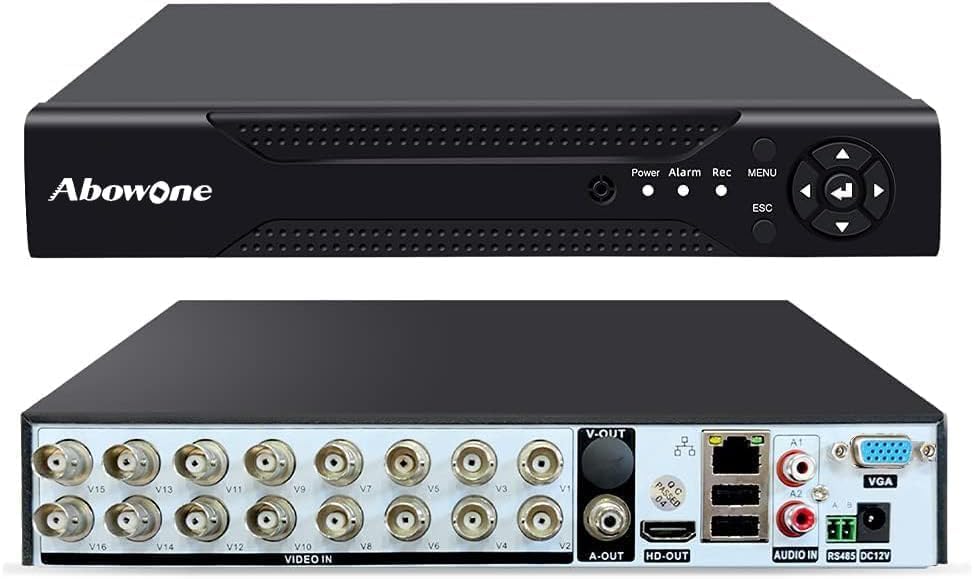
At its core, a PVR is a time-shifting machine. It liberated the viewer from the rigid schedule of network programming, allowing for a personalized, asynchronous viewing experience. While modern cloud-based streaming services have largely supplanted the need for physical local storage in many households, understanding the PVR is essential to understanding the technological bridge between analog tape and the cloud-based future.
The Evolution and Functionality of the PVR
To understand the PVR, one must first look at its predecessor: the VCR. The Video Cassette Recorder, while revolutionary, was physically cumbersome and technologically fragile. It relied on magnetic tape, which was prone to degradation, slow to fast-forward, and notoriously difficult to program. The PVR emerged in the late 1990s as the digital answer to these frustrations.
From Analog Tape to Hard Disk Drives
The primary innovation of the PVR was the shift to random-access storage. Unlike a VCR, which had to physically wind tape to a specific point to find a scene, a PVR records television signals onto a hard disk drive (HDD). This transition allowed for instantaneous access to any part of the recorded media. Because the data is stored as a file, the system can perform “trick plays”—the ability to pause live television, skip commercials, or initiate instant replays without wearing out the storage medium.
Digital Encoding and Compression
A PVR functions by capturing the incoming video signal—often via an antenna, cable box, or satellite receiver—and digitizing it. Most devices use MPEG-2 or MPEG-4 compression standards to manage the file sizes while maintaining high-definition visual fidelity. Once the signal is digitized, it is stored in a file system similar to those found on personal computers. This digital nature is what allows the device to manage complex scheduling tasks, such as recording entire series or skipping blocks of time with surgical precision.
Key Features That Defined the PVR Era
The PVR was not merely a passive recording tool; it was an intelligent agent designed to curate content based on user preference. The intelligence behind the PVR changed the power dynamic between the television network and the viewer, placing the control firmly in the hands of the audience.
Live Pause and Time-Shifting
One of the most profound impacts of the PVR was “live pause.” By constantly writing the incoming stream to a temporary buffer on the hard drive, the PVR allows the viewer to pause a live broadcast to answer the door or make a phone call and then resume exactly where they left off. This creates a “buffer” that essentially makes every live broadcast feel like on-demand content. If you arrive home twenty minutes into a game, a PVR lets you jump back to the start while the device continues to record the rest of the broadcast.

Intelligent Scheduling and Series Links
Modern PVRs include Electronic Program Guides (EPGs), which act as a digital catalog for upcoming broadcasts. These guides allow users to set recordings weeks in advance. More importantly, the “Series Link” feature changed the way audiences consume episodic content. By identifying a specific show, the PVR will automatically track changes in the broadcast schedule, account for time-slot shifts, and record every episode in a series without the user needing to intervene. This feature effectively turned television into a curated library of content.
Multi-Tuner Capabilities
Advanced PVRs are equipped with multiple tuners, allowing the hardware to receive several video streams simultaneously. This capability allows the user to record multiple shows at once while watching a previously recorded program. In many households, this eradicated the “family conflict” regarding what to watch at a specific time, as the PVR acted as a background utility, capturing everything of interest regardless of when it aired.
PVRs in the Age of Streaming: Redundancy or Utility?
The rise of platforms like Netflix, Hulu, and Disney+ has fundamentally altered the necessity of the PVR. With content available at the click of a button, the traditional act of “recording” a show may seem like a relic of the past. However, the PVR still holds a unique position in the modern digital ecosystem.
The Role of Local Content Ownership
Streaming services are subject to licensing agreements; content frequently enters and exits these platforms based on corporate contracts. A PVR, however, offers a level of permanence. When a user records a broadcast, that file belongs to them—at least until the drive fails or the user deletes it. For sports enthusiasts and news junkies who rely on live broadcasts that are not always available on major streaming platforms, the PVR remains the most reliable method for capturing and archiving live television.
Avoiding the Fragmented Subscription Model
The modern viewer faces “subscription fatigue,” where accessing all desired content requires paying for five or six different platforms. Furthermore, many high-profile events—such as live sports, local news, or specific reality television programs—are still tied to traditional cable or over-the-air broadcasts. A PVR acts as an aggregator, consolidating disparate broadcast sources into a single, user-friendly interface without the need for additional monthly subscription fees for on-demand access to those same programs.
IPTV and Cloud-DVR Integration
It is important to note that the PVR has evolved into the “Cloud DVR” (CDVR) used by modern IPTV services like YouTube TV or Sling TV. While these look and behave exactly like traditional PVRs, the hardware is no longer located in the user’s living room. Instead, the service provider hosts the storage in the cloud. This transition keeps the PVR concept alive: the user is still recording, still time-shifting, and still curating their own library, but the infrastructure has migrated from the home cabinet to a remote data center.

Future Prospects and Considerations
The PVR, in its original hardware-based form, is certainly a niche market today, predominantly used by cable subscribers and cord-cutters who utilize over-the-air digital antennas. However, the logic of the PVR is more prevalent than ever. As we look at the trajectory of digital media, the desire to control when and how we watch video is an immutable demand.
Whether the device is a physical box connected to a coaxial cable or a virtual instance in a cloud server, the Personal Video Recorder serves as the ultimate tool for consumer autonomy. It represents the transition from being a passive recipient of a broadcast schedule to an active programmer of one’s own entertainment life. As long as live television remains a significant part of the media diet, the utility of the PVR—whether local or virtual—will continue to be a cornerstone of the home theater experience. We have moved past the need for spinning tapes and physical storage, but the core function remains: reclaiming our time from the networks and ensuring that the content we love is waiting for us, exactly when we are ready to watch it.
aViewFromTheCave is a participant in the Amazon Services LLC Associates Program, an affiliate advertising program designed to provide a means for sites to earn advertising fees by advertising and linking to Amazon.com. Amazon, the Amazon logo, AmazonSupply, and the AmazonSupply logo are trademarks of Amazon.com, Inc. or its affiliates. As an Amazon Associate we earn affiliate commissions from qualifying purchases.