
In the world of consumer goods, few products have undergone a more dramatic transformation than the perineal bottle. Traditionally a low-cost, utilitarian medical supply handed out for free in hospital maternity wards, the “peri bottle” has been reimagined as a flagship product in the booming postpartum care industry. To understand what a perineal bottle is today, one must look past its basic function and examine the sophisticated brand strategy that turned a piece of clinical plastic into a multi-million dollar lifestyle essential.
This evolution serves as a masterclass in brand positioning, identifying market gaps, and the power of radical honesty in marketing. By analyzing the shift from “hospital surplus” to “premium consumer product,” we can uncover the strategic frameworks that allow brands to dominate niche markets.

The Commodity Transformation: From Hospital Freebie to Lifestyle Essential
For decades, the perineal bottle—a simple squirt bottle used for cleansing the pelvic area after childbirth—existed as a nameless commodity. It was a generic medical supply, devoid of branding, aesthetic appeal, or ergonomic consideration. The transformation of this product represents a classic brand strategy: moving from a “functional commodity” to a “value-added solution.”
Identifying the Market Gap in Postpartum Care
The first step in the branding of the perineal bottle was identifying a massive white space in the market. While the baby gear industry (strollers, cribs, clothes) was worth billions, the “mother-care” segment was historically neglected. Legacy brands focused almost exclusively on the infant, leaving the physical recovery of the mother as an afterthought.
Strategic brand managers recognized that the standard hospital-issue bottle was flawed. It required the user to hold it upside down, often resulting in an awkward angle or the user’s hand entering the toilet bowl. By identifying this friction point, brands were able to justify a premium price point for a product that was technically “free” at the hospital. This is a primary example of using user experience (UX) research to drive brand equity.
Redefining Value through User-Centric Design
When a brand like Frida Mom entered the space, they didn’t just put a logo on a standard bottle; they redesigned the “Upside Down Peri Bottle.” This design change was the cornerstone of their brand strategy. By adding an angled neck, the brand communicated that they understood the customer’s pain points better than the medical establishment did.
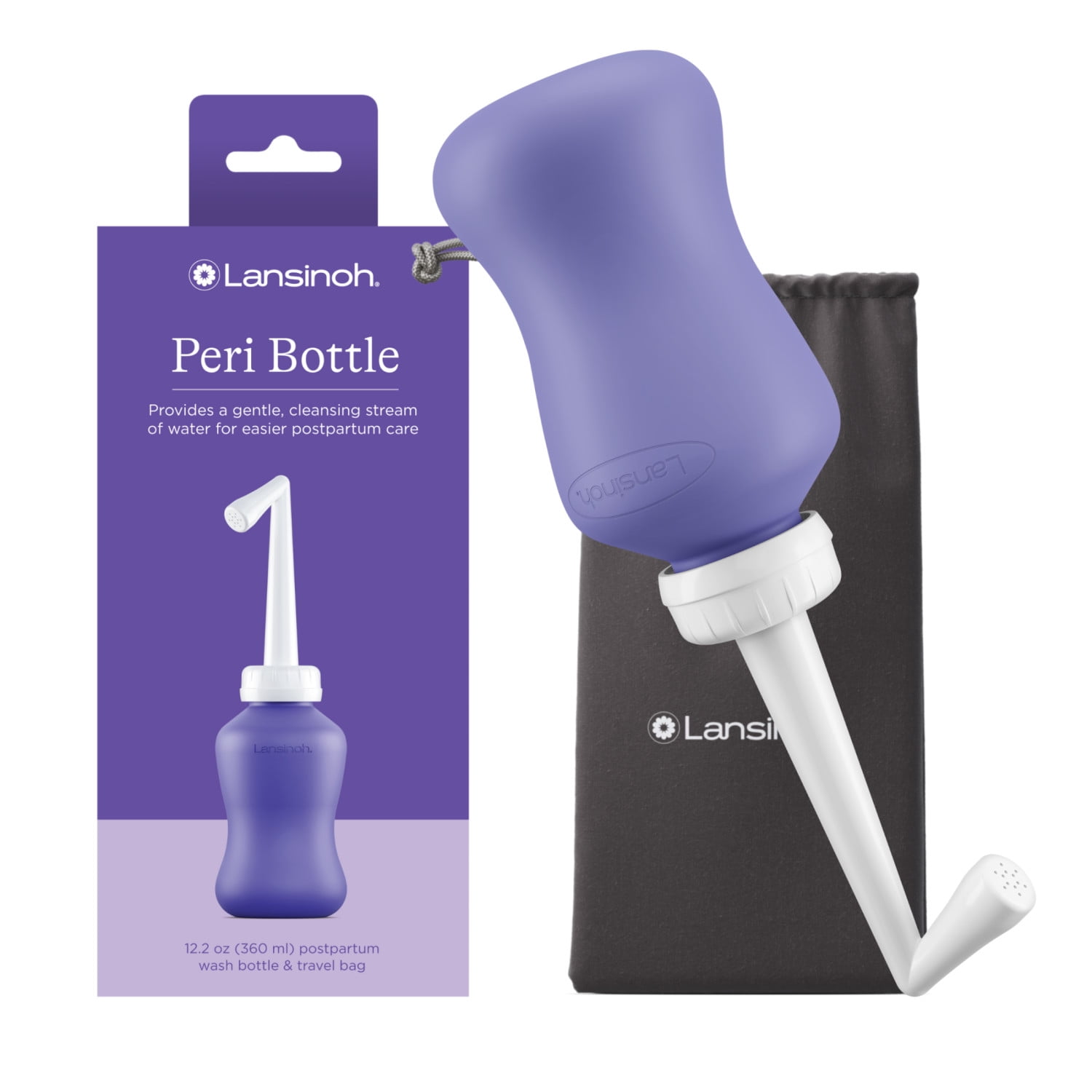
In brand strategy, this is known as “differentiation through utility.” The bottle stopped being a generic tool and became a specialized piece of equipment. The sleek, ergonomic design and the use of modern color palettes (such as teals and muted greys) helped transition the product from a “medical necessity” to a “self-care ritual.”
Disruptive Branding: How the “Perineal Bottle” Became a Marketing Icon
The success of the modern perineal bottle is not solely due to its shape; it is due to a seismic shift in how the product is communicated to the public. To move a product from the pharmacy back-aisle to the “must-have” baby shower registry list, brands had to employ disruptive marketing tactics.
The Power of Radical Honesty in Advertising
Historically, marketing toward new mothers was sanitized and idealistic. It focused on soft lighting and smiling babies. Modern brands disrupted this by leaning into the “radical honesty” movement. They began talking openly about the “fourth trimester”—the messy, painful, and often unglamorous reality of postpartum recovery.
By naming the product exactly what it is and being vocal about its necessity for things like “perineal tears” and “post-birth hygiene,” brands built a foundation of trust. This “no-nonsense” brand voice resonates with a generation of consumers who value authenticity over airbrushed perfection. When a brand admits that recovery is difficult, the consumer views their product as a necessary ally rather than just another purchase.
Packaging as a Tool for Premium Positioning
The packaging of the modern perineal bottle is a far cry from the plastic baggies found in hospitals. Brand strategy in this space utilizes premium cardboard, minimalist typography, and clear benefit-driven copy. This elevated packaging serves two purposes: it justifies the $15–$20 price tag for what is essentially a plastic bottle, and it makes the product “giftable.”

By turning a medical supply into a beautifully packaged item, brands successfully convinced consumers that a perineal bottle is a thoughtful gift for an expectant mother. This expanded the target audience from the end-user (the mother) to the gift-giver (friends and family), effectively tripling the market reach.
Strategic Distribution and the Ecosystem Approach
A single product rarely builds a sustainable brand. The perineal bottle acted as a “hero product”—a gateway drug into a larger ecosystem of postpartum care. The brand strategy here involves using the bottle to establish a relationship with the consumer at their most vulnerable and loyal stage.
Expanding the Product Lifecycle beyond the Hospital Stay
The goal of a successful brand is to increase the Customer Lifetime Value (CLV). While a perineal bottle might only be needed for six weeks, brands use that initial purchase to introduce a suite of related products: cooling liners, healing foams, and specialized underwear.
This is the “ecosystem approach.” Once a customer trusts the brand for their most sensitive needs (the perineal bottle), they are significantly more likely to purchase the rest of the “recovery kit.” This strategy moves the brand away from a one-off transaction toward a comprehensive care solution, creating a defensive moat against competitors who only offer a single product.
Influencer Partnerships and Community Building
Modern brands have leveraged social media to turn the perineal bottle into a viral sensation. By partnering with “mom-fluencers” who share their real-life birth stories, the product gains social proof. When a trusted influencer includes a specific brand of peri bottle in their “What’s in my hospital bag” video, it bypasses traditional advertising filters.
Furthermore, brands have built communities around the product. Through blogs, forums, and social media engagement, they provide education on how to use the bottle and what to expect during recovery. This shifts the brand’s role from a “seller” to a “resource,” fostering long-term brand loyalty that extends well beyond the postpartum period.
Lessons for Modern Brand Managers: Scaling the Niche
The story of the perineal bottle offers several transferable lessons for brand managers in any industry, from tech to finance. It proves that there are no “boring” products, only boring brand strategies.
Solving Unspoken Problems as a Competitive Edge
The greatest strength of the modern perineal bottle brands was their willingness to address a problem that society deemed “too gross” to talk about. In brand strategy, identifying a “taboo” or an “unspoken pain point” is a fast track to market leadership. When a brand gives a voice to a customer’s private struggle, it creates an emotional bond that is incredibly difficult for competitors to break.
Businesses should look for “unspoken” frustrations in their own sectors. What is the “perineal bottle” of software-as-a-service (SaaS) or personal finance? It is often the small, unglamorous utility that everyone uses but no one has bothered to improve or brand properly.
The Future of Femtech and Branding Personal Care
The success of the branded perineal bottle has paved the way for the “Femtech” revolution. We are now seeing similar brand strategies applied to menopause, menstruation, and sexual health. The blueprint remains the same:
- Take a clinical or neglected product.
- Apply high-end design and ergonomic improvements.
- Use a transparent, empathetic brand voice.
- Build an ecosystem of complementary products.
As the market continues to evolve, the brands that win will be those that treat their customers like humans rather than patients. The perineal bottle is no longer just a piece of plastic; it is a symbol of a shift in the corporate world—a shift toward acknowledging and valuing the physical reality of the consumer’s life.
In conclusion, “what is a perineal bottle?” is a question with two answers. Functionally, it is a hygiene tool for postpartum recovery. Strategically, it is a brilliant example of how insightful branding can revolutionize a stagnant category, disrupt traditional retail models, and create a high-growth niche out of a simple, everyday necessity.
aViewFromTheCave is a participant in the Amazon Services LLC Associates Program, an affiliate advertising program designed to provide a means for sites to earn advertising fees by advertising and linking to Amazon.com. Amazon, the Amazon logo, AmazonSupply, and the AmazonSupply logo are trademarks of Amazon.com, Inc. or its affiliates. As an Amazon Associate we earn affiliate commissions from qualifying purchases.