
A performing arts center is far more than just a building; it is a meticulously crafted entity whose very definition is interwoven with its brand identity, strategic marketing, and public perception. At its core, it is an institution dedicated to presenting, fostering, and often creating live artistic expressions, ranging from theater and dance to music, opera, and spoken word. However, understanding “what it is” necessitates a deep dive into how these centers establish their corporate identity, articulate their mission, and engage with diverse audiences to build a lasting legacy—all critical facets of brand strategy.
More Than a Venue: Crafting the Core Identity
The identity of a performing arts center is not accidental; it is the result of deliberate strategic choices that define its essence, differentiate it from other cultural institutions, and communicate its unique value proposition to the world. This core identity is the bedrock upon which all subsequent branding and marketing efforts are built.
Mission-Driven Branding: Defining Purpose
Every impactful performing arts center begins with a clear, compelling mission statement. This mission isn’t just an internal document; it is the soul of its brand. It articulates the center’s purpose—whether it’s to preserve classical traditions, champion experimental new works, foster community engagement through arts education, or provide a platform for diverse cultural voices. This mission directly informs the center’s programming decisions, architectural design, educational initiatives, and even its hiring practices. A strong mission ensures brand consistency across all touchpoints, enabling the center to communicate a unified message. For instance, a center focused on accessibility might emphasize free public programming and community partnerships in its branding, while one dedicated to avant-garde works would highlight innovation and artistic risk-taking. The mission becomes the filter through which all branding decisions pass, ensuring authenticity and resonance with its target demographics.
The Architectural Statement: Design as Brand
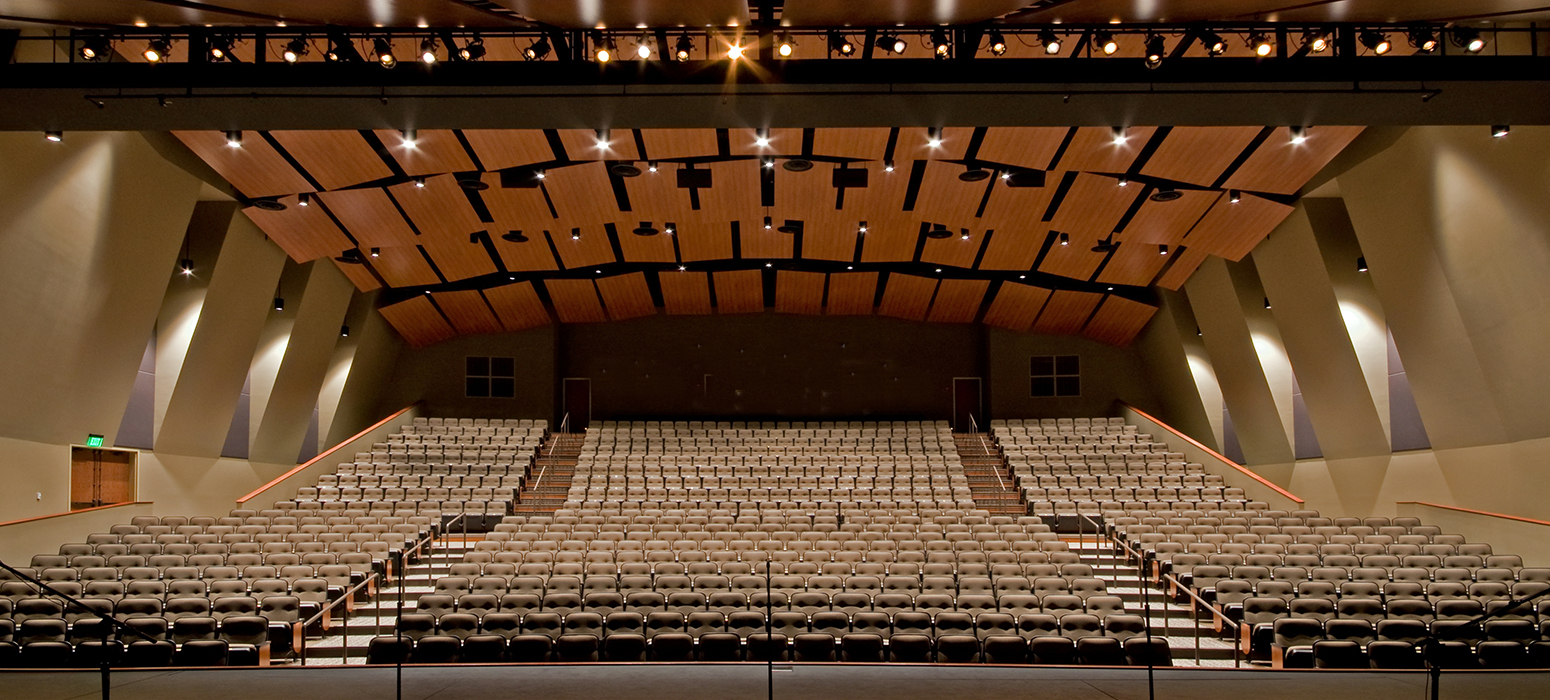
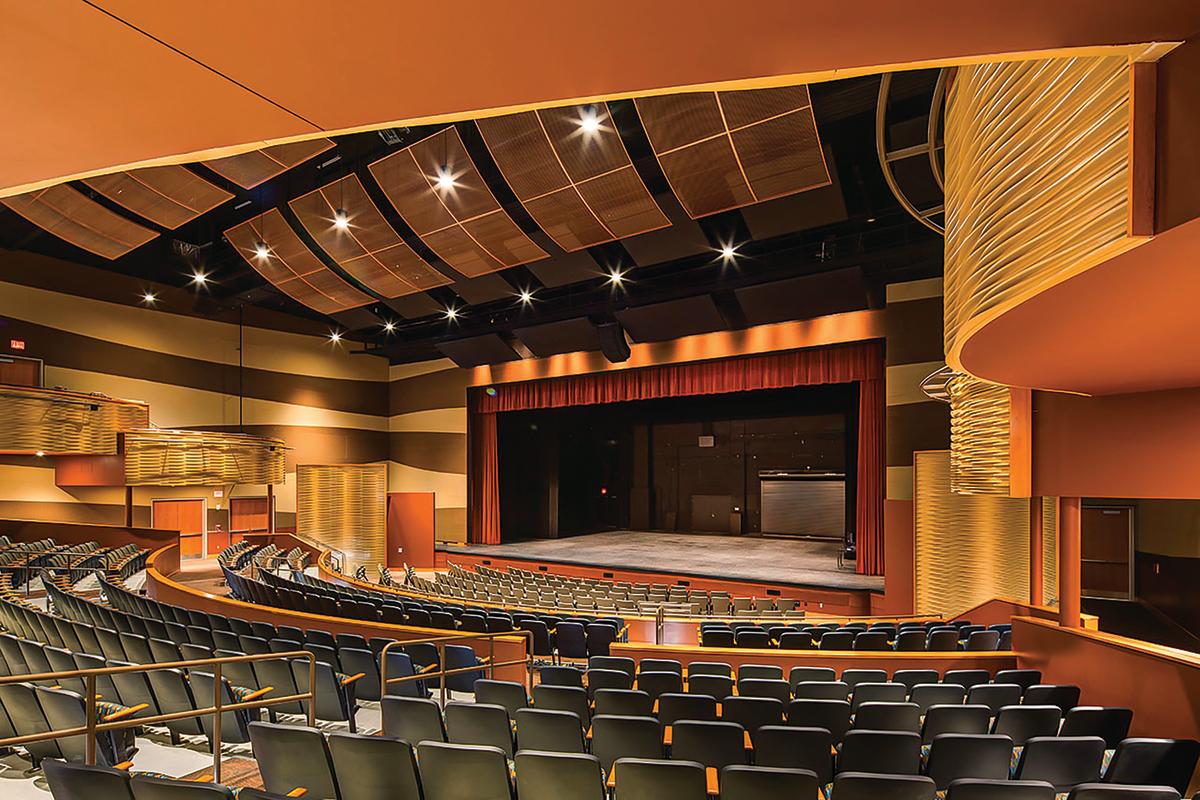
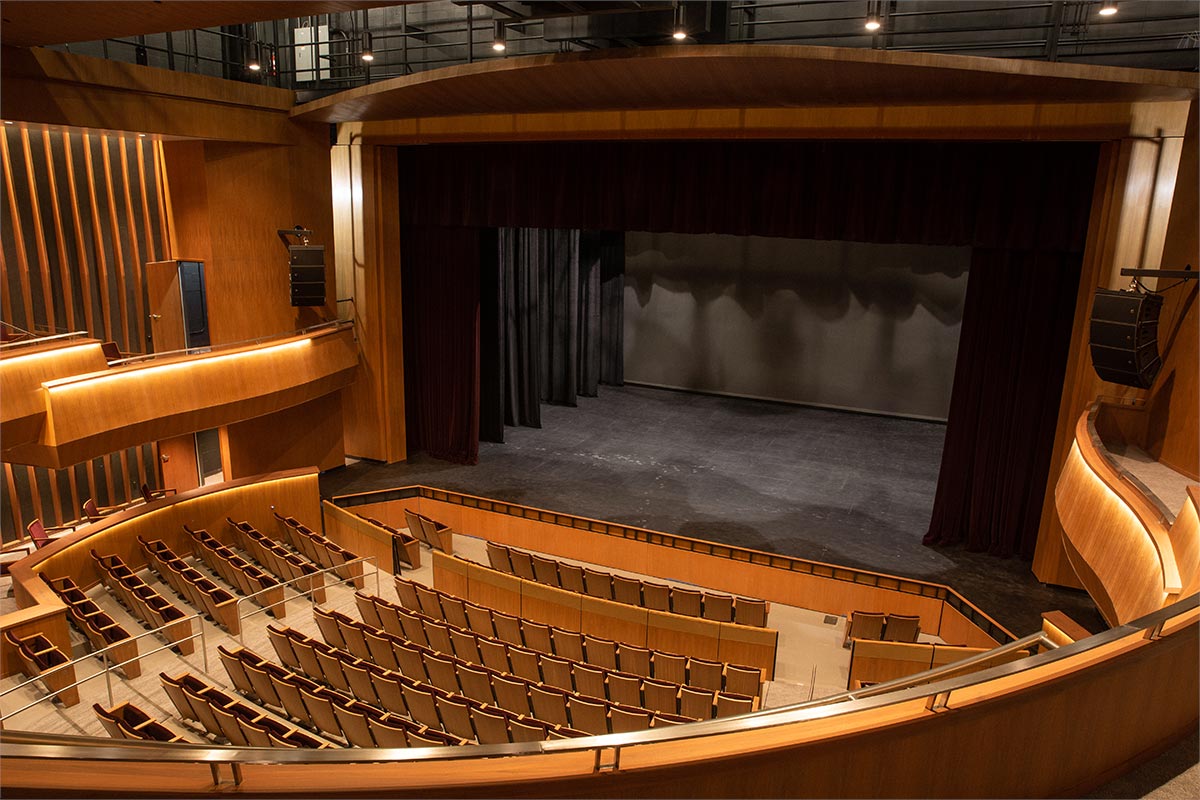
The physical structure of a performing arts center often serves as its most prominent and tangible brand asset. Architecture is not merely functional; it is a powerful statement of identity, ambition, and aesthetic philosophy. Iconic buildings like the Sydney Opera House or the Walt Disney Concert Hall are instantly recognizable and embody the artistic aspirations of their respective institutions. The design, whether a historic restoration or a modern marvel, communicates values: grandeur, innovation, community spirit, or intimacy. Beyond the exterior, the interior design—from lobby acoustics and seating comfort to stage technology and backstage facilities—contributes to the overall patron experience, which is inextricably linked to the brand. A center that invests in state-of-the-art facilities signals a commitment to excellence and a professional standard that reinforces its brand as a leader in the arts. Conversely, an adaptive reuse of an old building might convey a brand message of heritage, sustainability, and community roots.
Engaging Audiences: Marketing and Communication Strategies
Once the core identity is established, the next critical step is to effectively communicate it to potential audiences, donors, and the broader community. This involves sophisticated marketing and communication strategies that go beyond simple advertising to truly tell the center’s story and build meaningful connections.
Storytelling: Narrating the Artistic Vision
Effective branding for a performing arts center thrives on storytelling. It’s not enough to simply list upcoming shows; the marketing must articulate the why behind the programming, the passion of the artists, and the impact the art has on individuals and the community. This involves crafting compelling narratives around productions, artists, and the center’s overall contribution to culture. Through evocative language, stunning visuals, and emotionally resonant content, performing arts centers can invite audiences into their world, creating a sense of anticipation, wonder, and shared experience. This narrative approach helps differentiate the center from other entertainment options and positions it as a vital cultural hub, rather than just a venue for hire. It builds an emotional connection, which is crucial for fostering loyalty and repeat attendance.
Digital Presence and Engagement
In the digital age, a robust online presence is indispensable for a performing arts center’s brand. This includes a user-friendly website that serves as the central hub for information, ticketing, and engagement, as well as active social media channels. Digital marketing strategies leverage content marketing (blogs, videos, podcasts featuring artists and behind-the-scenes glimpses), email campaigns, and targeted advertising to reach specific demographics. Social media, in particular, offers opportunities for real-time interaction, audience feedback, and the sharing of user-generated content, all of which amplify the brand’s reach and foster a sense of community. The digital persona must be consistent with the center’s overall brand identity, conveying its mission and aesthetic while providing seamless access to its offerings. A strong digital brand allows the center to connect with a global audience, expanding its influence beyond its physical location.
Community Connection and Outreach
A performing arts center’s brand extends deeply into its community relationships. Educational programs, free public performances, partnerships with local schools and non-profits, and initiatives to make art accessible to underserved populations are powerful brand-building activities. These programs demonstrate the center’s commitment to its social responsibility and embed it within the fabric of the community. A center that is perceived as a good neighbor and an active contributor to local well-being strengthens its brand equity and garners goodwill, which can translate into increased attendance, volunteer support, and philanthropic giving. These outreach efforts are not just about altruism; they are strategic investments in building a loyal audience base and reinforcing the brand’s image as a community pillar.
Building a Lasting Legacy: Reputation and Brand Equity
The long-term success of a performing arts center, much like any established brand, hinges on its reputation and the cumulative value of its brand equity. This is built over years of consistent delivery on its promises, exceptional experiences, and strategic positioning.
Curatorial Excellence: The Programmatic Brand
The most potent element of a performing arts center’s brand is its programming. The selection of artists, ensembles, and productions—its curatorial choices—defines its artistic identity and sets its reputation. A center known for presenting world-class acts consistently builds a brand of excellence and attracts discerning audiences. Conversely, a center that champions local talent or focuses on innovative, lesser-known works establishes a brand of discovery and community support. The coherence and quality of the artistic program directly impact the center’s perceived value and its standing within the broader arts landscape. This programmatic brand is a powerful differentiator, attracting specific audience segments and defining the center’s niche in the cultural ecosystem.
Patron Experience: From Arrival to Applause
Every interaction a patron has with a performing arts center contributes to their overall perception of its brand. This holistic experience begins long before the curtain rises: with the ease of purchasing tickets, the clarity of parking instructions, the warmth of ushers, the quality of concessions, and the comfort of the facilities. A seamless, enjoyable, and memorable patron experience reinforces a positive brand image. Conversely, friction points—long lines, uncomfortable seating, poor sightlines, or confusing signage—can detract from the artistic experience and damage the brand. Excellence in customer service and attention to detail, mirroring the precision expected on stage, are critical components of brand management in this context. The goal is to create not just a show, but an event that delights and satisfies, encouraging repeat visits and word-of-mouth advocacy, the most powerful form of branding.
Corporate Partnerships and Sponsorships
Building a robust performing arts center brand also involves strategic alliances with corporate partners and philanthropic foundations. These partnerships are not just about financial support; they are about aligning brands. When a prestigious corporation sponsors a season or a specific production, it lends credibility and prestige to the performing arts center, and vice versa. These partnerships are carefully chosen to ensure a synergy of values and target audiences, amplifying the reach and reinforcing the positive attributes of both brands. Such collaborations can enhance a center’s perceived stability, artistic ambition, and community impact, further cementing its place as a significant cultural institution.
Evolution and Adaptation: Sustaining the Brand into the Future
The definition of a performing arts center is not static; it evolves with changing cultural landscapes, technological advancements, and audience expectations. To remain relevant and vibrant, centers must continually adapt their brand strategy. This involves ongoing market research to understand audience demographics and preferences, embracing new technologies for production and engagement, and fostering an organizational culture of innovation. A dynamic brand is one that honors its traditions while boldly embracing the future, ensuring that the performing arts center remains a vital, compelling, and enduring cornerstone of artistic expression for generations to come. It’s a continuous process of nurturing its identity, communicating its value, and enriching its community, all through the lens of strategic brand management.
aViewFromTheCave is a participant in the Amazon Services LLC Associates Program, an affiliate advertising program designed to provide a means for sites to earn advertising fees by advertising and linking to Amazon.com. Amazon, the Amazon logo, AmazonSupply, and the AmazonSupply logo are trademarks of Amazon.com, Inc. or its affiliates. As an Amazon Associate we earn affiliate commissions from qualifying purchases.