
In the rapidly evolving landscape of digital transformation, organizations are constantly searching for software solutions that bridge the gap between complex business needs and technical execution. Among the heavyweights of enterprise software, one name consistently emerges as a leader in business process management (BPM), customer relationship management (CRM), and digital process automation: Pega.
Developed by Pegasystems, Pega is not just a single application but a comprehensive platform designed to streamline operations, enhance customer engagement, and automate workflows at scale. At its core, Pega is built on a “low-code” philosophy, allowing businesses to build and deploy robust applications with minimal manual coding. This article explores the technical nuances of the Pega platform, its architectural foundations, and why it has become a cornerstone for Fortune 500 companies navigating the AI-driven digital era.

Understanding the Pega Ecosystem
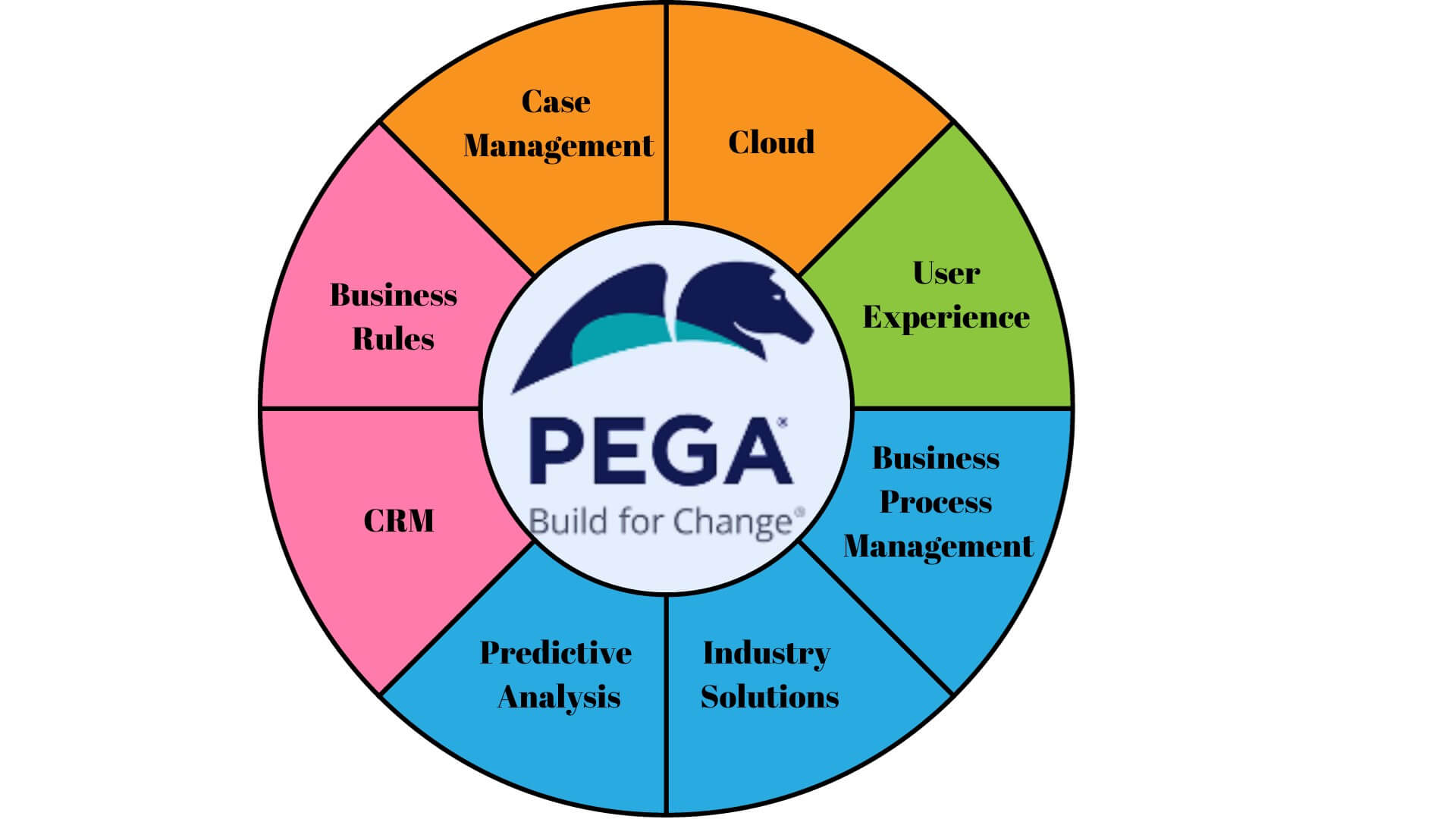
To understand what Pega is, one must first understand the “Pega Platform.” This is the foundational layer upon which all other Pega applications are built. It serves as a unified environment that integrates various technologies—ranging from predictive analytics to robotic process automation—into a single, cohesive interface.
The Philosophy of Low-Code Development
Pega is a pioneer in the low-code movement. Unlike traditional software development, which requires thousands of lines of hand-written code, Pega uses visual models. This means that business analysts and professional developers can collaborate to “draw” business processes, define data models, and design user interfaces using a drag-and-drop approach.
The technical advantage here is significant: by abstracting the complexity of the underlying code, Pega reduces the risk of syntax errors and accelerates the development lifecycle. However, unlike “no-code” tools intended for simple apps, Pega’s low-code environment is enterprise-grade, capable of handling millions of transactions and complex logic that would overwhelm simpler platforms.
Business Process Management (BPM) and Case Management
At its heart, Pega is a world-class BPM tool. It allows organizations to model, simulate, and optimize business processes. If a bank wants to automate a loan approval process, Pega manages the “case” from start to finish.
“Case Management” in Pega is the practice of managing a piece of work from initiation to resolution. Each case follows a defined “life cycle,” consisting of stages and steps. Because Pega treats work as a case rather than just a series of database entries, it provides unparalleled visibility into where a process is stalling, who is responsible for the next action, and how to optimize the path to completion.
The “Build for Change” Mantra
One of the defining technical characteristics of Pega is its “Situational Layer Cake” architecture. This allows businesses to organize their application logic into layers based on geography, department, or product line. For example, a global insurance company can have a “base” layer of logic that applies to all claims worldwide, while having specialized layers for the specific regulations of France, Japan, or the United States. This modularity ensures that changes in one area do not break the system elsewhere, embodying Pega’s long-standing slogan: “Build for Change.”
The Core Architecture and AI Capabilities
Pega has moved far beyond simple workflow automation. Today, the platform is synonymous with “Hyperautomation,” combining AI, machine learning, and robotics to handle complex end-to-end tasks.
Pega Infinity and the AI Decision Hub
Pega Infinity is the current suite of software that encapsulates Pega’s AI capabilities. The “brain” of the system is the Pega Customer Decision Hub (CDH). This is a real-time AI engine that uses predictive and adaptive analytics to determine the “Next-Best-Action” for any given customer interaction.
From a technical standpoint, the CDH analyzes massive datasets in milliseconds. When a customer calls a service center or visits a website, the AI evaluates their history, current behavior, and the company’s business goals to suggest the most relevant offer or solution. This isn’t just a static rules engine; it is a self-learning system that evolves based on whether the customer accepts or rejects the suggestion.
Robotic Process Automation (RPA) and Workforce Intelligence
While the Pega Platform handles modern, API-led integrations, many enterprises still rely on legacy systems that lack modern interfaces. This is where Pega’s Robotic Process Automation (RPA) comes in. Pega’s “bots” can bridge the gap by mimicking human actions—clicking buttons, copying data, and navigating menus—in older software.
Crucially, Pega integrates RPA directly into its case management. This means an automated workflow can trigger a bot to fetch data from a 30-year-old mainframe, bring that data into a modern Pega UI, and then use AI to decide how to process it. This seamless blend of “unattended” and “attended” automation is a hallmark of the Pega tech stack.
Scalability and Cloud-Native Design
Pega is built to be “cloud-choice.” While Pegasystems offers its own managed cloud (Pega Cloud), the platform is designed to run on AWS, Azure, Google Cloud, or even on-premises using Kubernetes and Docker containers. This architectural flexibility is vital for IT departments that need to maintain strict control over data residency and security while benefiting from the scalability of the cloud.
Transforming Customer Engagement with CRM
While many think of CRM as just a database for contacts (like a digital Rolodex), Pega redefines CRM as an active participant in the customer journey. By combining its BPM roots with advanced AI, Pega’s CRM applications focus on “Customer Engagement.”
Pega Customer Service
Pega Customer Service is designed to predict a customer’s needs before they even speak. Using the “Next-Best-Action” technology mentioned earlier, the software guides service agents through complex resolutions with a dynamic interface that changes based on the conversation. If the AI detects that a customer is at risk of churning, it immediately surfaces a retention offer to the agent’s screen, backed by data-driven reasoning.
Pega Marketing and Personalization
In the realm of marketing tech, Pega moves away from traditional “batch and blast” email campaigns. Instead, it focuses on one-to-one engagement. The technical infrastructure supports “omnichannel” consistency, meaning that the message a customer sees on a mobile app is perfectly synchronized with what they hear from a call center agent. By maintaining a single “state” for each customer across all channels, Pega eliminates the fragmented experience common in large enterprises.
The “Center-Out” Approach
Pega advocates for a “Center-Out” business architecture. Traditional tech stacks often focus on either the “Top-Down” (UI-first) or “Bottom-Up” (Data-first) approach. Pega argues that both are flawed: UI-first leads to fragmented logic across channels, while Data-first leads to rigid systems.
Pega’s “Center-Out” approach places the business logic and the AI-driven “brain” in the center. Channels (like web, mobile, and chat) and data sources (like SQL databases and legacy APIs) connect to this central hub. This ensures that no matter how the customer interacts with the brand, the logic remains consistent and the data remains accurate.
Why Modern Enterprises Choose Pega
The decision to implement Pega is usually driven by a need for massive scale and high-speed innovation. In the tech world, few platforms can match Pega’s ability to handle high-complexity, high-volume environments.
Unparalleled Integration and API Management
Modern software doesn’t exist in a vacuum. Pega’s Web Embed technology and extensive API library allow it to function as the “orchestration layer” for an entire enterprise. It can sit on top of multiple existing systems (like SAP, Salesforce, or Oracle), pulling data from each and presenting a unified work interface to the end-user. This prevents the need for “rip and replace” strategies, allowing companies to modernize their tech stack incrementally.
Security and Compliance at Scale
For industries like banking, healthcare, and government, security is not optional. Pega provides a robust security framework, including attribute-based access control (ABAC) and role-based access control (RBAC). Furthermore, because Pega models business rules visually, it is much easier for compliance officers to audit a process. Instead of reading through 50,000 lines of Java code to see if a regulation is being followed, they can simply look at the visual workflow and the automated audit trail that Pega generates for every case.
Strategic Competitive Advantage
In a world where “software is eating the world,” the ability to deploy a new business feature in weeks rather than months is a competitive necessity. Pega’s low-code environment, combined with its “Direct Capture of Objectives” (DCO) tools, allows business stakeholders to see their requirements turned into working prototypes in real-time. This alignment between the “business” and “IT” is perhaps the greatest technical advantage Pega offers.
The Future of Business Automation with Pega
As we look toward the future, Pega is doubling down on the integration of Generative AI. While many platforms are simply “bolting on” a chat interface, Pega is integrating GenAI into the very fabric of its development environment and decision-making engine.
Pega GenAI: The Next Frontier
Pega’s new GenAI capabilities aim to make the “low-code” experience even faster. Developers can now use natural language to describe a business process, and Pega’s AI will automatically generate the starting stages, steps, and data models. Furthermore, GenAI is being used to summarize long customer interaction histories, giving service agents instant context without needing to read through years of notes.

Autonomous Enterprise
The ultimate goal of the Pega roadmap is the “Autonomous Enterprise.” This is a vision of a business that can self-optimize, where AI identifies bottlenecks in a process and suggests (or even implements) fixes automatically. By leveraging its deep roots in BPM and its cutting-edge AI Decision Hub, Pega is positioned as the operating system for this next generation of self-healing, hyper-efficient organizations.
In summary, Pega is a sophisticated, enterprise-grade technology platform that combines low-code agility with high-end AI and process automation. It is designed for organizations that face the most complex challenges and require a software foundation that is as flexible as it is powerful. Whether it is through streamlining back-office operations or revolutionizing front-office customer engagement, Pega remains a dominant force in the high-stakes world of enterprise technology.
aViewFromTheCave is a participant in the Amazon Services LLC Associates Program, an affiliate advertising program designed to provide a means for sites to earn advertising fees by advertising and linking to Amazon.com. Amazon, the Amazon logo, AmazonSupply, and the AmazonSupply logo are trademarks of Amazon.com, Inc. or its affiliates. As an Amazon Associate we earn affiliate commissions from qualifying purchases.