
In the rapidly evolving landscape of digital finance, a PayPal account stands as a pivotal tool, bridging the gap between traditional banking and the convenience of online transactions. More than just a simple payment gateway, it represents a comprehensive digital wallet that empowers individuals and businesses alike to send, receive, and manage money across borders with unprecedented ease and security. At its core, a PayPal account is a digital financial instrument linked to your email address, serving as a secure intermediary for countless monetary exchanges, from online shopping to international business payments. Understanding its intricacies is crucial for anyone engaging with the modern digital economy, highlighting its indispensable role in personal finance, online income generation, and business financial management.
The Foundational Role of a PayPal Account in Modern Finance
A PayPal account is designed to simplify financial interactions in the digital realm, making money movement accessible to virtually anyone with an internet connection. Its broad functionality extends beyond mere peer-to-peer transfers, embedding itself deeply into the fabric of global commerce and personal money management.
Seamless Money Transfers: Sending and Receiving Funds
One of the primary utilities of a PayPal account is its ability to facilitate swift and secure money transfers. For individuals, this means effortlessly sending money to friends and family, whether they’re across town or across continents. The process is straightforward: link a bank account, debit card, or credit card to your PayPal account, or maintain a balance directly within PayPal, and funds can be dispatched with just a few clicks or taps. For businesses and freelancers, this functionality is critical for managing payments from clients, allowing them to receive funds from anywhere in the world, often in multiple currencies. PayPal handles the complexities of international transactions, including currency conversion, making global financial interactions less daunting and more efficient. This ease of transfer significantly reduces the friction associated with traditional banking methods, which can often involve higher fees, longer processing times, and more intricate procedures for cross-border payments.
Empowering Online Shopping and Digital Payments
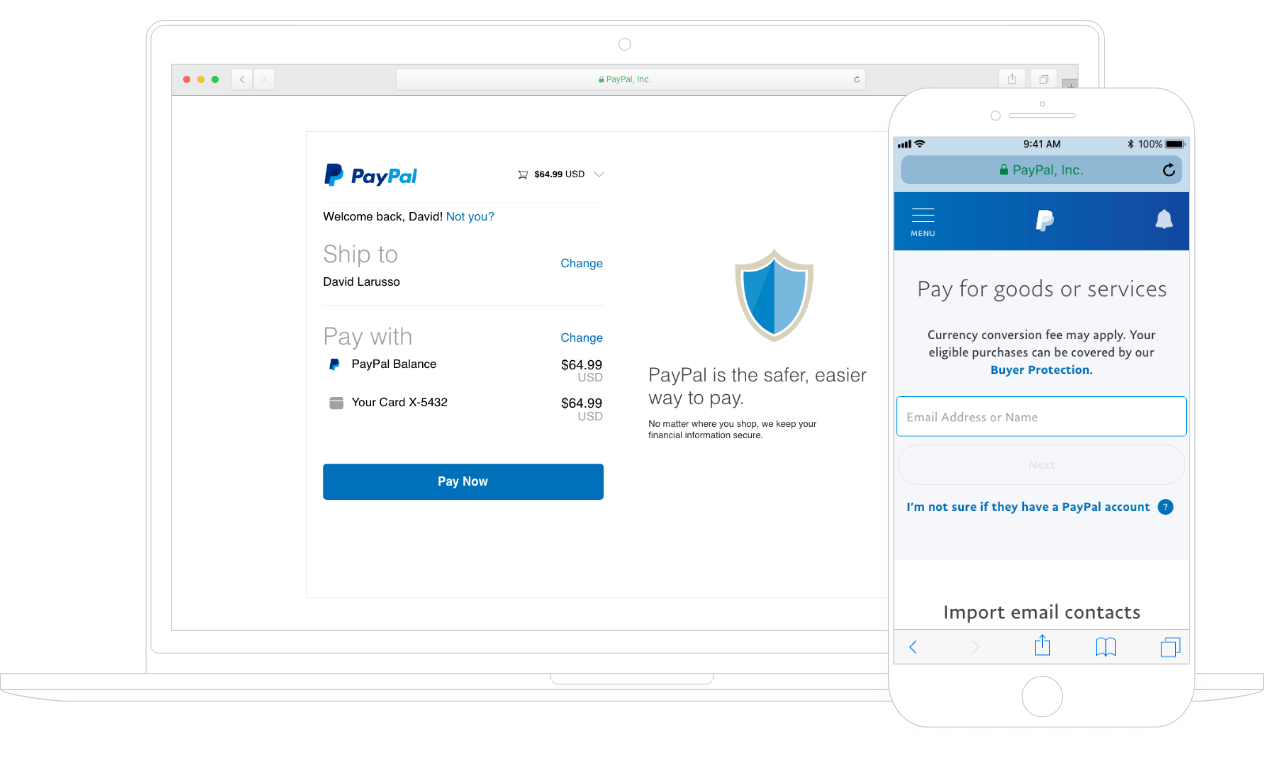
PayPal has become a ubiquitous payment option across thousands of e-commerce websites globally. For consumers, having a PayPal account means a streamlined checkout experience, often requiring just a login and confirmation rather than entering lengthy card details for every purchase. This not only speeds up transactions but also adds an extra layer of security, as your financial information is not directly shared with the merchant. From purchasing goods on major retail sites to subscribing to digital services, PayPal integrates seamlessly into the online shopping ecosystem. This convenience extends to various digital payments, including bills, donations, and even in-app purchases, solidifying its position as a versatile financial tool for everyday digital living. The widespread acceptance of PayPal provides users with greater flexibility and confidence when making online purchases, knowing their financial data is protected.
Simplified Invoicing and Requesting Payments
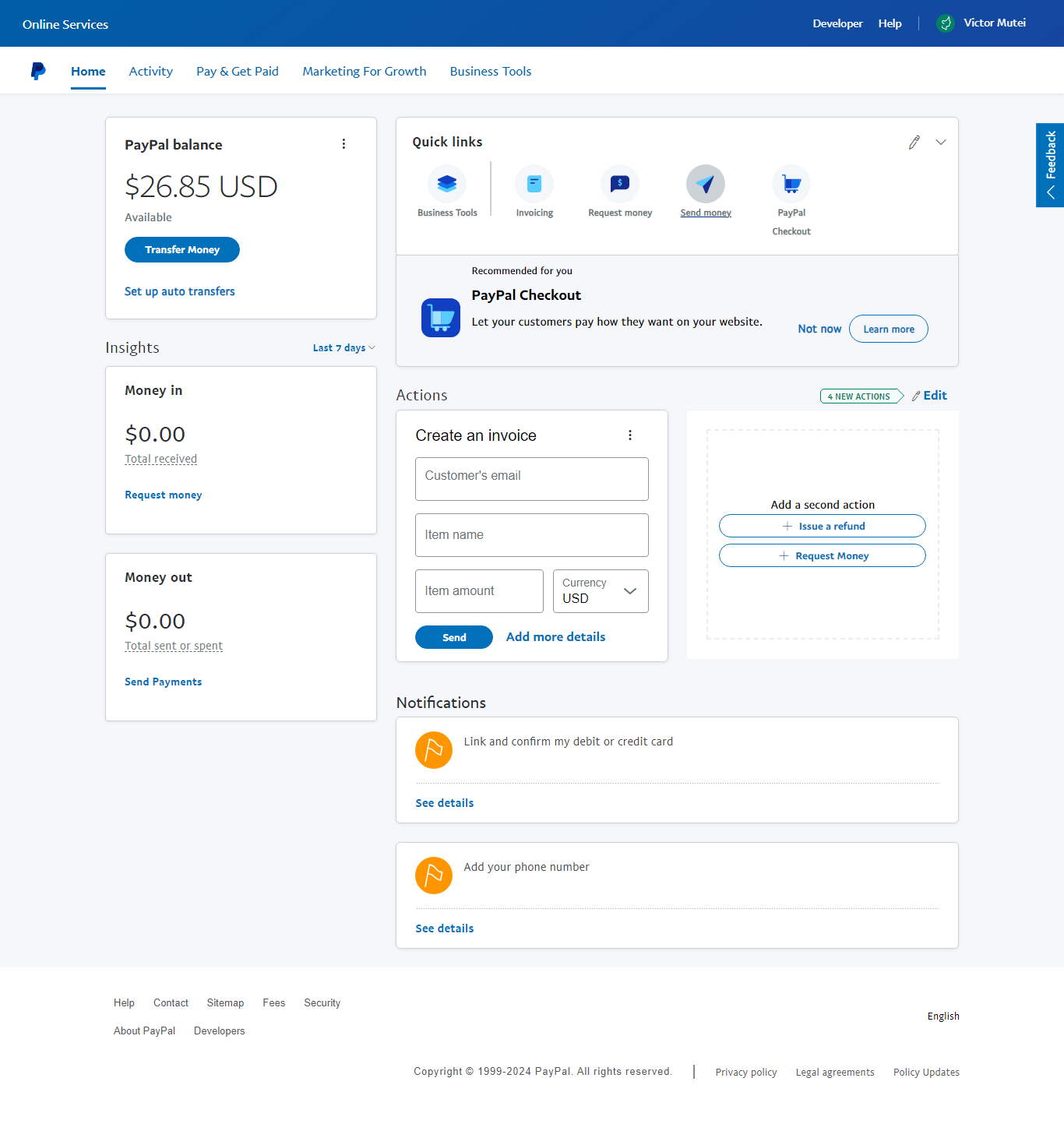
Beyond active sending and receiving, PayPal offers robust tools for requesting payments and invoicing. This feature is particularly invaluable for freelancers, small businesses, and service providers. Instead of drafting manual invoices or relying on complex accounting software, users can generate professional invoices directly through their PayPal account. These invoices can include itemized lists, taxes, discounts, and payment terms, and can be sent via email to clients. Clients can then pay these invoices directly through PayPal using their account balance, linked bank account, or credit/debit card. This simplifies the payment collection process, ensures professional presentation, and keeps a clear digital record of all transactions, significantly improving financial management for independent professionals and small enterprises.
Navigating Account Types: Personal vs. Business Applications
PayPal offers different account types tailored to varying financial needs, primarily categorizing them into Personal and Business accounts. Understanding the distinctions is crucial for optimizing your financial operations, whether you’re managing household expenses or running an international enterprise.
Personal Accounts: Managing Everyday Financial Needs
A Personal PayPal account is ideal for individuals who primarily use PayPal for personal transactions, such as online shopping, sending money to friends and family, or receiving occasional payments for goods sold casually. These accounts are straightforward to set up and manage, offering core functionalities like linking bank accounts and cards, viewing transaction history, and managing a PayPal balance. For someone looking to manage their personal finances digitally, a Personal account serves as an excellent entry point, providing a secure and convenient way to handle day-to-day monetary exchanges without the complexities associated with commercial operations. It’s perfectly suited for budgeting small expenses, participating in group payments, or simply making online purchases without exposing primary bank details to multiple vendors.
Business Accounts: Fueling Commercial Endeavors
For entrepreneurs, online retailers, and established companies, a PayPal Business account is the indispensable tool. These accounts come with enhanced features designed to meet the demands of commercial operations. Key functionalities include accepting payments from customers via various channels (website, email, in-person), managing multiple users with different access levels, accepting credit and debit card payments directly without requiring customers to have a PayPal account, and offering advanced invoicing and reporting tools. Business accounts are also subject to different fee structures and may have higher transaction limits, reflecting their commercial nature. Crucially, they enable businesses to establish a professional presence online, build customer trust through a recognized payment solution, and streamline their financial back-office operations, from sales tracking to expense management. This separation of personal and business finances is also vital for tax purposes and legal compliance.
The Hybrid Approach: For Freelancers and Sole Proprietors
Many freelancers and sole proprietors often start with a Personal account but quickly find themselves needing the capabilities of a Business account as their ventures grow. While a Personal account can initially suffice for receiving payments, a Business account offers crucial advantages like professional invoicing, the ability to accept payments from customers without PayPal accounts, and clearer financial separation. PayPal facilitates an easy upgrade path from a Personal to a Business account, allowing users to scale their financial tools as their income-generating activities expand. This hybrid approach allows independent professionals to leverage the simplicity of PayPal for their services while accessing the robust features necessary for sustainable business growth, ensuring they have the right financial infrastructure as their client base and revenue increase.
PayPal as a Catalyst for Online Income and Business Growth
PayPal’s strategic positioning within the digital economy makes it a powerful enabler for online income generation and business expansion. Its integrations and features are specifically designed to facilitate commercial activities, from e-commerce to freelance work, making it a critical financial tool for digital entrepreneurs.
Integrating PayPal into E-commerce Platforms
For online retailers, integrating PayPal into their e-commerce platforms is a fundamental step towards maximizing sales and customer conversion. PayPal offers various integration options, from simple “Buy Now” buttons to comprehensive API solutions that blend seamlessly into popular e-commerce platforms like Shopify, WooCommerce, and Magento. This integration allows businesses to accept a wide range of payment methods, including PayPal balances, linked bank accounts, and credit/debit cards, all processed through a single gateway. The trust and familiarity associated with the PayPal brand often lead to higher conversion rates, as customers feel more secure making purchases through a recognized and protected payment system. Furthermore, PayPal’s analytics and reporting tools provide valuable insights into sales trends and customer behavior, aiding businesses in making informed financial decisions and optimizing their revenue streams.
Facilitating Freelance Payouts and Global Clients
The global nature of freelancing thrives on efficient and accessible payment solutions, and PayPal is at the forefront of this. Freelancers worldwide rely on PayPal to receive payments from clients located in different countries, bypassing the complexities and high costs associated with traditional international bank transfers. Whether it’s a graphic designer in Brazil getting paid by a client in Germany, or a writer in India receiving funds from a publisher in the US, PayPal makes these transactions smooth and swift. The platform’s ability to handle multiple currencies and offer competitive exchange rates is a significant advantage, ensuring freelancers can access their earned income promptly and reliably, thereby sustaining their independent careers and contributing to the gig economy’s growth. This financial accessibility removes a major barrier to global collaboration, empowering individuals to offer their services to a worldwide market.
Streamlining Business Expenses and Financial Record-Keeping
A PayPal Business account also serves as an effective tool for managing business expenses and maintaining meticulous financial records. Businesses can use their PayPal account to pay suppliers, contractors, and service providers, keeping all outgoing payments consolidated within one platform. This centralization simplifies expense tracking, making it easier to categorize expenditures for accounting and tax purposes. Every transaction is recorded, providing a clear digital trail of income and outgoings, which is invaluable during tax season or when reviewing financial performance. The ability to integrate PayPal data with accounting software further streamlines financial management, reducing manual data entry and minimizing the risk of errors, ultimately contributing to better financial health and operational efficiency for businesses of all sizes.
Securing Your Financial Transactions with PayPal
Security is paramount in digital finance, and PayPal has invested significantly in robust measures to protect its users’ financial information and transactions. This focus on security builds trust, enabling millions to confidently use the platform for their financial activities.
Robust Buyer and Seller Protection Policies
One of PayPal’s most compelling features is its comprehensive Buyer and Seller Protection policies. For buyers, this means recourse if an item purchased online never arrives or is significantly not as described. PayPal’s dispute resolution process allows buyers to report issues and potentially receive a full refund, providing a safety net for online purchases. For sellers, PayPal offers protection against unauthorized payments and buyer claims of non-receipt, provided certain eligibility requirements are met. These policies are critical for fostering confidence in online commerce, reducing the financial risks associated with transactions between unknown parties. By safeguarding both sides of a transaction, PayPal creates a more secure and trustworthy environment for exchanging goods and services, directly impacting the financial stability of both consumers and businesses.
Advanced Fraud Prevention and Data Encryption
PayPal employs cutting-edge encryption technologies and sophisticated fraud prevention systems to protect sensitive financial data. All transactions are encrypted from end-to-end, meaning personal and payment information is scrambled and virtually unreadable to unauthorized parties. The platform continuously monitors transactions for suspicious activity, utilizing advanced algorithms and machine learning to detect and prevent fraudulent attempts. This proactive approach significantly reduces the risk of identity theft and unauthorized access to funds. Furthermore, when you use PayPal to make a purchase, your bank account or credit card details are never shared directly with the merchant, adding an additional layer of privacy and security to your financial information. This commitment to data security is a cornerstone of PayPal’s financial integrity, assuring users that their money and personal data are in safe hands.
Managing Risk and Financial Health
While PayPal implements extensive security measures, users also play a vital role in maintaining their financial security. Best practices include using strong, unique passwords, enabling two-factor authentication, and being vigilant against phishing scams and suspicious emails. Connecting a PayPal account to a dedicated checking account or a bank account with sufficient, but not excessive, funds can also manage risk. Regular review of transaction history allows for early detection of any unauthorized activity. By combining PayPal’s inherent security features with smart user habits, individuals and businesses can maximize the platform’s benefits while minimizing financial exposure and maintaining optimal financial health in the digital space.
The Future of Digital Finance with PayPal
PayPal continues to evolve, constantly adapting to new financial technologies and expanding its reach to cater to a global audience. Its journey reflects the broader trends in digital finance, positioning it as a key player in shaping the future of how we manage and interact with money.
Adapting to Emerging Financial Technologies
PayPal is not content to rest on its laurels; it consistently explores and integrates emerging financial technologies to enhance its offerings. This includes, but is not limited to, exploring blockchain technology, cryptocurrency integration, and advancements in mobile payments. By embracing these innovations, PayPal aims to remain at the forefront of digital finance, providing users with cutting-edge tools and services. Whether it’s offering options to buy, hold, and sell cryptocurrencies directly within the platform or developing new ways to facilitate instant payments, PayPal is committed to expanding its financial ecosystem. This forward-thinking approach ensures that a PayPal account remains relevant and increasingly powerful for managing a diverse range of financial assets and transactions in an ever-changing digital landscape.

Global Reach and Financial Inclusion
One of PayPal’s profound impacts lies in its contribution to global financial inclusion. By simplifying international transactions and offering an accessible digital platform, PayPal empowers individuals and small businesses in developing economies to participate in the global marketplace. It provides a vital conduit for receiving remittances, earning income from international clients, and purchasing goods from around the world, often in regions where traditional banking infrastructure is less developed or difficult to access. This capability democratizes financial access, fostering economic growth and opportunity for millions. PayPal’s extensive reach across more than 200 countries and regions underscores its commitment to creating a borderless financial environment, connecting people and businesses globally and driving a more inclusive digital economy.
In conclusion, a PayPal account is far more than a simple online payment method; it is a sophisticated financial tool that underpins a vast array of digital economic activities. From enabling seamless personal money transfers and secure online shopping to empowering global businesses and freelancers, PayPal plays an indispensable role in modern financial life. Its robust security measures, versatile account types, and continuous innovation ensure that it remains a trusted and essential platform for managing, sending, and receiving money in the digital age, truly embodying the principles of convenience, accessibility, and financial security.
aViewFromTheCave is a participant in the Amazon Services LLC Associates Program, an affiliate advertising program designed to provide a means for sites to earn advertising fees by advertising and linking to Amazon.com. Amazon, the Amazon logo, AmazonSupply, and the AmazonSupply logo are trademarks of Amazon.com, Inc. or its affiliates. As an Amazon Associate we earn affiliate commissions from qualifying purchases.