
In the realm of finance, particularly within the context of loans and debt, a “payoff quote” is a critical document that provides a clear, definitive picture of the exact amount required to fully settle an outstanding debt. It’s more than just a number; it’s a formal statement from the lender outlining the total sum necessary to discharge all obligations associated with a specific loan on a given date. Understanding what a payoff quote entails, why it’s important, and how to obtain and interpret it can empower individuals and businesses to make informed financial decisions and navigate the often complex landscape of debt management effectively.
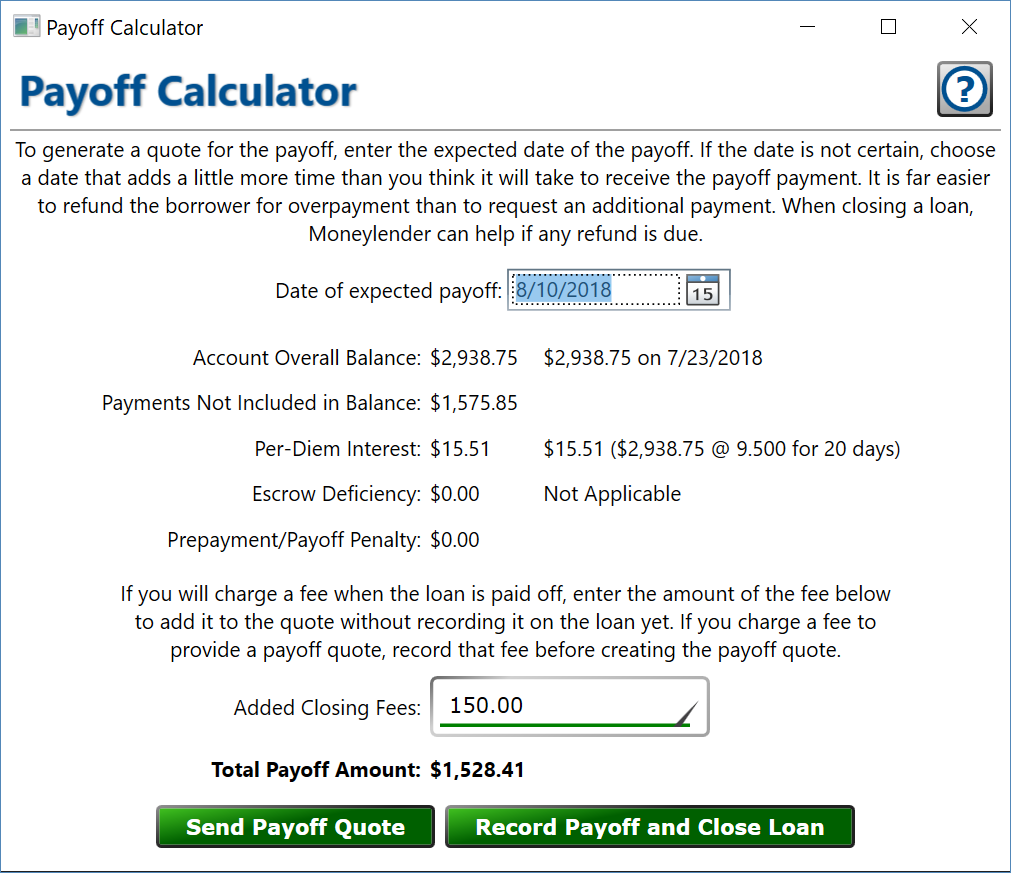
The concept of a payoff quote is fundamental to responsible financial planning. Whether you’re looking to refinance a mortgage, sell a property with an existing lien, consolidate debt, or simply close out an account, having a precise payoff quote is indispensable. It eliminates ambiguity, prevents future disputes, and ensures a clean break from a financial obligation. In essence, it’s the final handshake on a debt agreement, providing the assurance that all terms have been met and the debt is extinguished.
The Core Components of a Payoff Quote
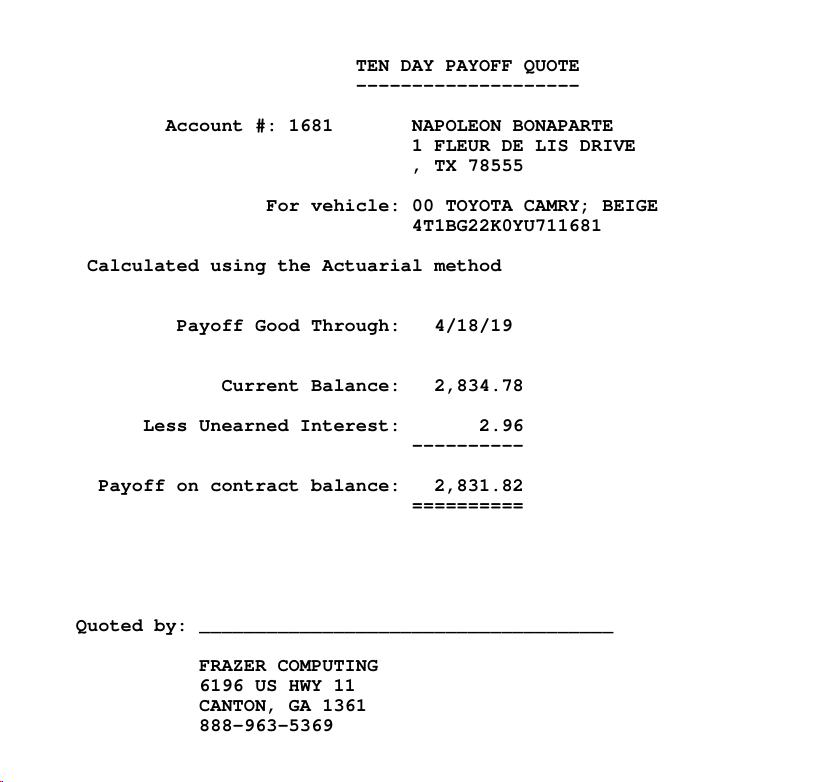
A payoff quote is a structured document that typically includes several key pieces of information, each serving a distinct purpose in defining the total amount owed. Ignoring any of these components can lead to misunderstandings or unexpected shortfalls, potentially leaving you with lingering debt.
Principal Balance
This is the original amount borrowed, less any payments made towards the principal portion of the loan. It represents the fundamental sum that was loaned out by the financial institution. While seemingly straightforward, it’s crucial to note that the principal balance is not static; it decreases with each payment that successfully reduces it. In a payoff quote, this figure is presented as of a specific date.
Accrued Interest
Interest is the cost of borrowing money, usually calculated as a percentage of the principal. The accrued interest component of a payoff quote represents the interest that has accumulated on the principal balance from the last payment received by the lender up to the specified payoff date. This is a dynamic figure that changes daily. Lenders typically calculate this based on the loan’s interest rate and the number of days that have passed since the last payment. For instance, if you make a payment on the 1st of the month, interest will continue to accrue daily until the next payment is due or until the loan is paid off.
Fees and Other Charges
Beyond the principal and interest, a payoff quote may also include various fees and charges that are either part of the original loan agreement or have been incurred during the life of the loan. These can vary significantly depending on the type of loan and the lender. Common examples include:
- Late Fees: If payments have been missed or made late, the lender may assess penalties.
- Prepayment Penalties: Some loan agreements, particularly in certain mortgage products or business loans, include clauses that penalize borrowers for paying off the loan early. These are designed to compensate the lender for the interest income they would have otherwise received over the full term of the loan. It is crucial to verify if such penalties apply, as they can significantly increase the payoff amount.
- Servicing Fees: In some cases, loan servicers may charge fees for their administrative services, though these are less common in standard consumer loans.
- Legal Fees or Collection Costs: If the loan has gone into default or collections, any legal fees or costs associated with recovering the debt will be added to the payoff amount.
Expiration Date
A payoff quote is not a perpetual offer. It is time-sensitive and carries an expiration date. This is a critical detail because the principal balance and, more importantly, the accrued interest will continue to change daily. The expiration date signifies the last day on which the quoted amount is valid. If the payoff is not completed by this date, you will need to request a new payoff quote, which will likely reflect a different, and potentially higher, amount due to additional interest accrual. This underscores the importance of acting promptly once a payoff quote is received.
Why is a Payoff Quote Essential?
The significance of a payoff quote extends across various financial scenarios, offering clarity, control, and protection for borrowers. It is a cornerstone for informed decision-making when dealing with existing debt obligations.
Facilitating Debt Consolidation and Refinancing
One of the primary uses of a payoff quote is when individuals or businesses consider consolidating multiple debts into a single loan or refinancing an existing loan to secure better terms, such as a lower interest rate or a reduced monthly payment. To accurately assess the feasibility and benefits of these strategies, you need to know the exact amount required to pay off the old debts. A payoff quote provides this precise figure, allowing for a direct comparison with the terms of the new loan. Without this information, any calculation of savings or improved cash flow would be speculative.
For example, if you have several credit card debts, obtaining payoff quotes for each card will tell you the exact total amount needed to clear them. You can then compare this total against the interest rate and fees of a proposed debt consolidation loan to determine if it’s a financially sound move. Similarly, when refinancing a mortgage, the payoff quote for the existing loan is crucial for understanding the true cost of the refinance, including the amount being rolled into the new loan and any associated fees.
Supporting Property Sales with Existing Liens
When a property with an outstanding mortgage or other lien is sold, the seller is responsible for paying off the outstanding debt at the time of closing. The buyer, or their lender, will require assurance that the lien will be cleared. The payoff quote from the lienholder is the definitive document that states the exact amount required to release the lien. This quote is typically provided to the closing agent (escrow officer or attorney), who then ensures the payoff is made from the sale proceeds before transferring the title to the new owner. Without an accurate payoff quote, the sale cannot be finalized, as the existing lien would remain attached to the property.
Enabling Accurate Financial Planning and Budgeting
For individuals and businesses managing their finances, a payoff quote offers a concrete target for debt reduction. Knowing the precise amount needed to eliminate a debt allows for more effective financial planning and budgeting. It provides a clear goal and a definitive endpoint for a particular financial obligation, which can be a powerful motivator for saving and strategic repayment. This is especially true for large debts like mortgages or business loans, where understanding the full payoff amount provides a long-term perspective on financial commitment.
Furthermore, for those aiming to become debt-free, a payoff quote can be used to calculate the total amount needed to achieve that goal, enabling the creation of a detailed debt-free roadmap. This clarity can reduce financial anxiety and foster a sense of control over one’s financial future.
How to Obtain and Interpret a Payoff Quote
Securing and understanding a payoff quote is a straightforward process, but it requires diligence and attention to detail. Knowing who to contact and what to look for can streamline the experience and prevent common pitfalls.
Contacting Your Lender
The first and most crucial step in obtaining a payoff quote is to contact your lender directly. Most financial institutions have dedicated departments or processes for handling payoff requests. You can typically initiate this process through:
- Phone: Calling the customer service or loan servicing department of your lender is often the quickest way to request a payoff quote. Be prepared to provide your account number and verify your identity.
- Online Portal: Many lenders offer online portals where you can log in to your account, navigate to the loan details, and submit a payoff request. This method often provides a clear, trackable request.
- Written Request: In some cases, a formal written request, often via mail or fax, may be required, especially for certain types of loans or if you are an authorized representative.
When you make the request, clearly state that you need a “payoff quote” and specify the date for which you need the quote to be valid. Lenders are generally required to provide this information promptly, often within a few business days.
Verifying the Information
Once you receive the payoff quote, it is imperative to review it carefully. Do not simply accept the figure presented without scrutiny. Pay close attention to:
- The Payoff Date: Ensure the date for which the quote is valid aligns with your intended payoff date or is sufficiently far in the future to allow you time to process the payment.
- The Breakdown: Confirm that all components (principal, interest, fees) are clearly itemized. If any charges seem unusual or are not clearly explained, do not hesitate to ask for clarification.
- Prepayment Penalties: Double-check if any prepayment penalties are listed. If they are, understand the exact amount and whether they apply to your specific loan agreement. If you believe a penalty is being incorrectly applied, refer back to your original loan documents or consult with a financial advisor.
- Total Amount: Verify the final sum required to pay off the loan.
If you have any doubts or find discrepancies, contact your lender immediately to seek clarification or request a revised quote. This verification step is critical to avoid overpayment or underpayment, which can lead to complications.

Understanding the Validity Period
As mentioned, payoff quotes have an expiration date. This is not a suggestion but a hard deadline. Interest accrues daily, and the principal balance changes with each payment. Therefore, the amount needed to satisfy the debt on one day will likely be different the next. If you miss the expiration date, you will need to request a new quote, which will likely be higher. This necessitates prompt action once you have the quote in hand. Plan your payment process to ensure the funds are transferred and received by the lender before the expiration date. This often means initiating the payment a day or two before the deadline to account for processing times.
In conclusion, a payoff quote is an indispensable financial tool for anyone managing debt. It provides the precise financial roadmap to extinguish an obligation, offering clarity, enabling informed decision-making, and facilitating crucial financial maneuvers like debt consolidation and property sales. By understanding its components, knowing how to obtain it, and meticulously verifying its contents, borrowers can confidently navigate their financial obligations and move towards a debt-free future.
aViewFromTheCave is a participant in the Amazon Services LLC Associates Program, an affiliate advertising program designed to provide a means for sites to earn advertising fees by advertising and linking to Amazon.com. Amazon, the Amazon logo, AmazonSupply, and the AmazonSupply logo are trademarks of Amazon.com, Inc. or its affiliates. As an Amazon Associate we earn affiliate commissions from qualifying purchases.