
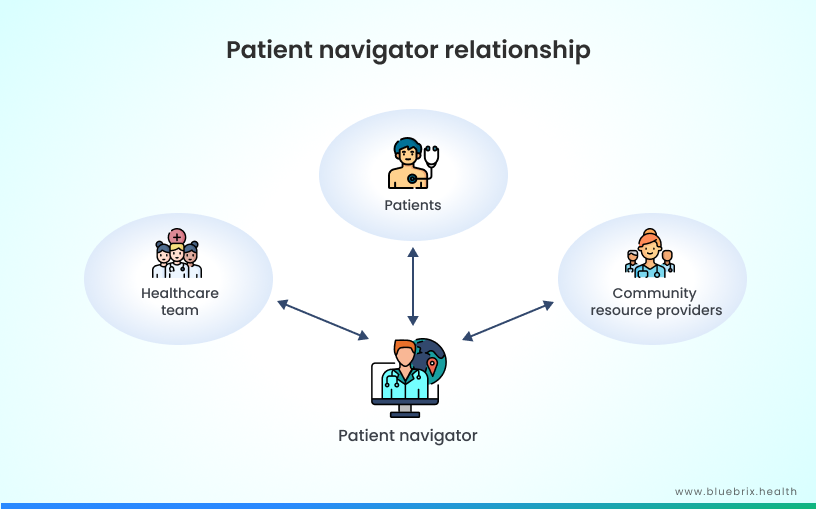
In the labyrinthine world of modern healthcare, few challenges loom larger or cause more stress than the financial burden. From opaque billing practices to complex insurance policies, patients often feel lost not only in their medical journey but also in their quest to understand and manage the associated costs. This is precisely where a patient navigator becomes an indispensable ally, not just for their medical guidance, but crucially, for their profound impact on personal and institutional finance. A patient navigator, in essence, is a trained professional who helps individuals navigate the complexities of the healthcare system, focusing significantly on alleviating the economic strains that often accompany illness. They serve as a crucial bridge, helping patients and their families understand, plan for, and ultimately reduce the financial impact of medical care, while also offering tangible economic benefits to the healthcare providers themselves.

Deciphering the Financial Complexities of Modern Healthcare
The sheer financial scale of healthcare expenditures can be staggering, frequently leading to medical debt, bankruptcy, and immense personal stress. Understanding this landscape is the first step in appreciating the navigator’s financial role.
The Overwhelming Landscape of Medical Bills and Co-pays
Upon receiving care, patients are often confronted with a barrage of bills from multiple providers—hospitals, labs, specialists, and pharmacies—each with its own pricing structure, codes, and payment deadlines. The terminology used is frequently dense and technical, making it nearly impossible for the average person to discern what they are truly paying for, if the charges are accurate, or if more cost-effective alternatives exist. Co-pays, deductibles, and co-insurance amounts can fluctuate wildly depending on the service, provider, and insurance plan, leading to unexpected out-of-pocket expenses that quickly accumulate. A patient navigator acts as an interpreter, demystifying these statements, identifying potential errors, and helping patients understand their financial obligations before they become insurmountable. This proactive approach is critical in preventing the accumulation of unmanageable medical debt and safeguarding a patient’s financial stability.
Untangling Insurance Policies and Out-of-Pocket Expenses
Insurance policies, while designed to mitigate risk, are notoriously complex. Patients struggle to understand the nuances of their coverage: what’s in-network versus out-of-network, which procedures require prior authorization, the maximum out-of-pocket limits, and the appeals process for denied claims. Misinterpretations can lead to significant unexpected costs, transforming what was thought to be covered care into a substantial personal expense. A patient navigator possesses specialized knowledge of insurance mechanisms. They help patients review their policies, explain benefits and limitations, pre-authorize necessary procedures, and even challenge denied claims. By ensuring patients fully leverage their insurance benefits and understand their liabilities, navigators directly contribute to minimizing out-of-pocket spending, freeing up personal funds for other essential needs, and reducing the psychological burden associated with financial uncertainty during a health crisis.
Patient Navigators as Financial Advocates
Beyond mere explanation, patient navigators actively champion a patient’s financial well-being, translating knowledge into tangible savings and access to critical resources.
Identifying and Securing Cost-Saving Pathways
A significant part of a patient navigator’s role involves proactively seeking out and recommending financially advantageous options within the care continuum. This might include guiding patients to generic prescription alternatives, connecting them with less expensive diagnostic imaging centers, or suggesting outpatient procedures when medically appropriate and financially beneficial. Navigators are adept at comparing costs for various services and providers, often drawing upon internal hospital pricing guides or external databases to help patients make informed decisions that align with their financial capacity. They can also assist in negotiating payment plans directly with providers or hospitals, advocating for reduced rates, or securing prompt-pay discounts, all of which directly lower a patient’s overall healthcare expenditure. This proactive financial stewardship can result in thousands of dollars in savings for patients over the course of their treatment.
Guiding Access to Financial Assistance Programs and Grants
For many patients, even with insurance and cost-saving measures, the financial burden remains overwhelming. Patient navigators are often well-versed in the myriad of financial assistance programs available, both within the healthcare system and from external charities, foundations, and government initiatives. They help patients identify eligibility for hospital charity care programs, state-specific medical assistance, disease-specific grants (e.g., for cancer treatment, rare diseases), and pharmaceutical patient assistance programs that provide free or low-cost medications. The application processes for these programs can be lengthy and demand extensive documentation. Navigators provide crucial support in compiling necessary paperwork, completing applications accurately, and following up to ensure timely approval. This guidance is not merely administrative; it’s a lifeline that can prevent financial catastrophe for vulnerable patients, enabling them to access necessary care without sacrificing their economic stability.
The Tangible Economic Value to Healthcare Systems
While primarily focused on patient advocacy, the functions of a patient navigator generate significant, measurable financial benefits for the healthcare organizations employing them. This makes the role a strategic investment rather than a mere cost center.
Reducing Costly Readmissions and Enhancing Efficiency
A major financial drain on healthcare systems comes from avoidable readmissions and inefficient resource utilization. Patients who are poorly prepared for discharge, misunderstand their post-care instructions, or cannot afford necessary follow-up care are at a higher risk of returning to the hospital shortly after discharge. Readmissions not only represent significant uncompensated costs but also can lead to financial penalties from payers, including Medicare, under value-based care models. Patient navigators directly combat this by ensuring patients understand their care plans, medication regimens, and follow-up appointment schedules. By helping patients manage their financial burdens and access necessary resources, navigators improve adherence to treatment, reduce barriers to care, and significantly lower the likelihood of costly readmissions. This increased efficiency translates into better resource allocation, reduced administrative overhead, and improved financial performance for the institution.
Boosting Patient Loyalty and Revenue Stability
In a competitive healthcare market, patient satisfaction and retention are paramount for sustained revenue. A positive patient experience, especially concerning financial transparency and support, can significantly enhance a healthcare provider’s reputation and financial health. When patients feel supported in navigating the financial complexities of their care, they are more likely to complete their recommended treatment plans, return for future services, and recommend the facility to others. Patient navigators, by demystifying bills, connecting patients with financial aid, and advocating for affordable care, cultivate trust and reduce patient-provider friction often caused by financial stress. This improved patient loyalty translates into a stable patient base, consistent revenue streams, and a reduction in lost revenue due to patients abandoning treatment over cost concerns. Furthermore, by improving patient understanding of their financial obligations, navigators can also contribute to higher rates of payment collection, improving the hospital’s accounts receivable metrics.
Essential Financial Tools and Resources at a Navigator’s Disposal
To effectively execute their financial advocacy role, patient navigators leverage a variety of tools and integrate services that empower patients and streamline financial processes.
Integrating Financial Counseling and Budgeting Support
Many healthcare systems offer dedicated financial counseling services. Patient navigators often serve as the primary conduit connecting patients with these experts. They recognize when a patient’s financial situation warrants a deeper dive into budgeting, debt management, or long-term financial planning related to their illness. Navigators facilitate these referrals, ensuring patients receive specialized advice on managing medical debt, prioritizing payments, and structuring their personal finances to accommodate ongoing healthcare costs. This collaborative approach ensures that financial challenges are addressed comprehensively, extending beyond immediate medical bills to encompass a patient’s broader economic well-being, fostering greater financial resilience.
Utilizing Digital Solutions for Cost Transparency and Management
The advent of digital health tools has provided navigators with increasingly sophisticated resources. Many healthcare providers now offer online patient portals that allow individuals to view their bills, track insurance claims, and estimate costs for future procedures. Patient navigators guide patients on how to effectively use these platforms, translating complex data into understandable terms. They may also utilize specialized software or databases that provide real-time pricing comparisons for medications, medical devices, and services across different facilities. Furthermore, navigators can introduce patients to third-party apps and digital tools designed for medical bill organization, expense tracking, and even crowdfunding for medical expenses, helping patients gain control over their financial data and explore diverse funding avenues. These digital aids enhance efficiency, improve transparency, and empower patients with greater financial autonomy.

The Profound Return on Investment: From Patient Pockets to Institutional Bottom Lines
Ultimately, the investment in a patient navigator yields a profound return across multiple financial dimensions. For individual patients, it means reduced out-of-pocket costs, access to vital financial aid, avoidance of crippling medical debt, and the peace of mind to focus on recovery rather than fiscal despair. This translates into improved adherence to treatment, better health outcomes, and greater overall quality of life. For healthcare institutions, patient navigators represent a strategic asset. Their work directly contributes to improved revenue cycles, reduced uncompensated care, lower readmission penalties, enhanced operational efficiency, and a stronger reputation built on patient trust and satisfaction. In an era where healthcare costs continue to escalate and financial transparency is increasingly demanded, the patient navigator is not just a guide; they are a vital financial steward, essential for the economic health of both the patient and the entire healthcare ecosystem.
aViewFromTheCave is a participant in the Amazon Services LLC Associates Program, an affiliate advertising program designed to provide a means for sites to earn advertising fees by advertising and linking to Amazon.com. Amazon, the Amazon logo, AmazonSupply, and the AmazonSupply logo are trademarks of Amazon.com, Inc. or its affiliates. As an Amazon Associate we earn affiliate commissions from qualifying purchases.