
In the rapidly evolving landscape of digital security and global identity verification, the passport bio page—often referred to as the data page—serves as the cornerstone of international travel and identity authentication. As cyber threats become more sophisticated, the technology embedded within these pages has transitioned from simple printed text to a complex integration of biometrics, advanced cryptography, and physical security features. For travelers and professionals alike, understanding the anatomy of this document is essential to navigating modern digital security protocols.
The Architecture of Identity Verification
The bio page is the most critical component of a passport, acting as a high-security interface between a traveler’s physical identity and their digital record. It is designed to be the primary point of failure for fraudulent attempts, incorporating multiple layers of protection that are difficult to replicate or forge.
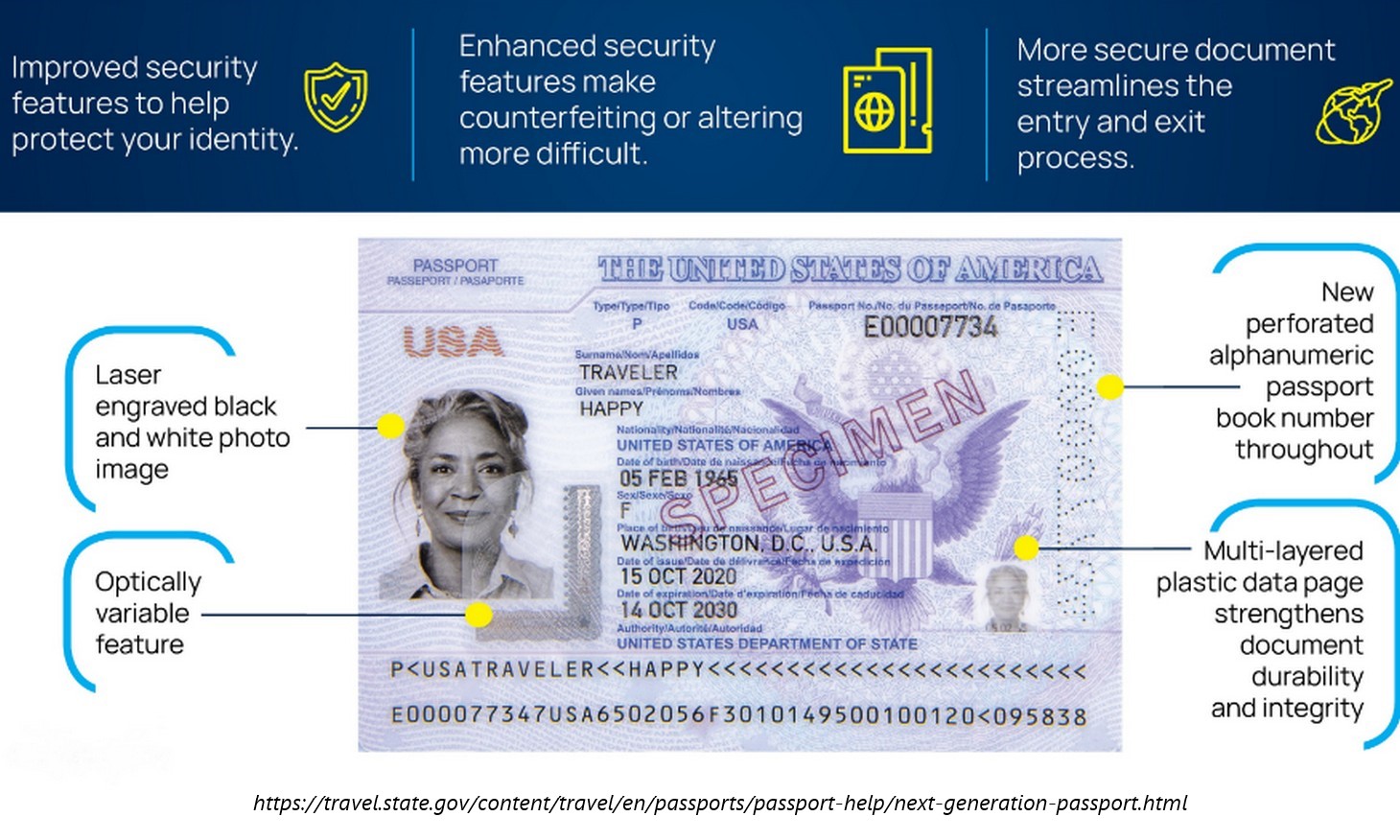
Optical and Physical Security Layers
At the physical level, the bio page is typically constructed from high-durability polycarbonate. Unlike traditional paper pages, polycarbonate allows for “laser engraving,” a process where data is burned into the layers of the card itself rather than printed on the surface. This ensures that the information cannot be altered or erased without causing irreparable damage to the card structure. Furthermore, the page often features tactile elements, such as raised printing or intaglio, which provide a sensory confirmation of authenticity that cannot be captured by high-resolution scanners.
Machine-Readable Zones (MRZ)
The bottom section of the bio page contains the Machine-Readable Zone (MRZ), consisting of two or three lines of alphanumeric text formatted to strict International Civil Aviation Organization (ICAO) standards. This zone acts as a bridge between the physical document and global immigration software. By scanning the MRZ, border control systems can immediately query international databases, verifying the document’s status and cross-referencing the holder against security watchlists.
The Role of Biometric Integration and RFID Technology
Modern passports have evolved into electronic documents, known as e-passports. The “e” refers to the integration of a small, contactless RFID (Radio Frequency Identification) chip embedded within the bio page. This chip is the heart of the passport’s digital security architecture.
Encrypted Data Storage
The RFID chip stores the exact same information found on the printed bio page: the holder’s name, date of birth, passport number, and nationality. However, it also includes a high-resolution digital image of the holder’s face. This serves as the primary biometric identifier. By digitizing this data, border agencies can perform “automated facial recognition,” comparing the live image captured at an e-gate with the cryptographically signed image stored on the chip.
Cryptographic Security Protocols
To ensure the integrity of the data stored on the chip, countries utilize Public Key Infrastructure (PKI). Each issuing nation holds a private key used to “sign” the data on the chip, while border authorities globally maintain the corresponding public key to verify that the information has not been tampered with. If even a single bit of data on the chip is altered, the digital signature will fail to validate, alerting officials that the document is potentially compromised. This cryptographic handshake is a triumph of modern digital security, ensuring that while the chip can be read wirelessly, its contents remain immutable.

Digital Security Threats and Protection Strategies
While the passport bio page is a marvel of security engineering, it remains a focal point for those interested in data privacy and digital theft. Understanding the vulnerabilities of these documents is a key component of modern digital hygiene.
Data Skimming and Relay Attacks
Because the RFID chip utilizes contactless technology, there is a theoretical risk of unauthorized “skimming.” In a skimming scenario, an attacker with a high-gain antenna could attempt to read the data on the chip from a distance. However, modern passports utilize Basic Access Control (BAC) or Password Authenticated Connection Establishment (PACE). These protocols require the reader to first obtain the document’s unique access keys—derived from the MRZ—before the chip will transmit any data. Consequently, an attacker cannot read the chip without physical access to the passport to scan the MRZ first.
Protecting Your Digital Identity
For those concerned about the digital security of their travel documents, the primary defense is physical shielding. RFID-blocking sleeves or wallets utilize Faraday cage technology, which interrupts the radio frequency signals required to communicate with the passport chip. While the risk of a high-tech data interception in a public space is statistically low, for high-profile travelers, these tools provide an additional layer of security, effectively “cloaking” the passport from unauthorized proximity scans.
The Future of Identity: From Bio Pages to Digital Credentials
The passport bio page is currently the industry standard, but it represents a transitional phase in the history of identity verification. We are rapidly moving toward a future where the physical bio page may be augmented, or eventually replaced, by mobile digital credentials.
Mobile Passport Control and Biometric Handshakes
Many countries are currently piloting programs where the bio page is used to “provision” a digital identity on a smartphone. By scanning the NFC (Near Field Communication) chip in the passport via a secure government app, a traveler can create a secure digital token on their device. This token can then be used at airports to verify identity through a “handshake” between the phone and the gate, effectively bypassing the need to even present the physical booklet in some contexts.
The Challenge of Digital Persistence
The shift from a physical bio page to a digital one introduces new security challenges, specifically regarding the persistence of data. While a physical passport has a clear “expiry” that is physically visible, digital credentials require complex lifecycle management. If a phone is lost or a digital identity is compromised, the “revoke” functionality must be as instantaneous as the verification process. This requires a robust, cloud-integrated infrastructure that can instantly invalidate stolen digital signatures across global border systems—a challenge that developers and government security agencies are currently solving through blockchain-based identity verification frameworks.

Conclusion: The Bio Page as a Dynamic Security Asset
The passport bio page is far more than a simple identification card; it is a sophisticated, multi-layered security device that acts as the front line of global border control. By integrating optical printing, laser engraving, RFID storage, and cryptographic signing, it manages to maintain a balance between accessibility and absolute data integrity. As technology progresses, the bio page will likely continue to evolve, moving closer to a seamless integration between physical identity and digital presence.
For the modern traveler, understanding the mechanics of this page—how it is protected, how the data is verified, and why it requires physical shielding—is an essential aspect of maintaining security in an increasingly connected world. As we look toward the future, the lessons learned from the design and implementation of the passport bio page will undoubtedly serve as the blueprint for all future forms of personal and professional identity verification. Whether it is a chip in a booklet or a secure token on a phone, the principles remain the same: verified, immutable, and protected.
aViewFromTheCave is a participant in the Amazon Services LLC Associates Program, an affiliate advertising program designed to provide a means for sites to earn advertising fees by advertising and linking to Amazon.com. Amazon, the Amazon logo, AmazonSupply, and the AmazonSupply logo are trademarks of Amazon.com, Inc. or its affiliates. As an Amazon Associate we earn affiliate commissions from qualifying purchases.