
Have you ever experienced that strange, unsettling sensation of pins and needles, a tingling, or a feeling of numbness that seems to come out of nowhere? Perhaps it’s after sitting in an awkward position for too long, or maybe it strikes unexpectedly while you’re going about your day. This common and often perplexing sensory phenomenon is known medically as paresthesia. While usually temporary and harmless, persistent or recurring paresthesia can signal an underlying issue that warrants attention. This article aims to demystify paresthesia, exploring its causes, symptoms, and when it might be more than just a fleeting discomfort.
The Neurological Basis of Paresthesia: When Nerves Signal Disruption
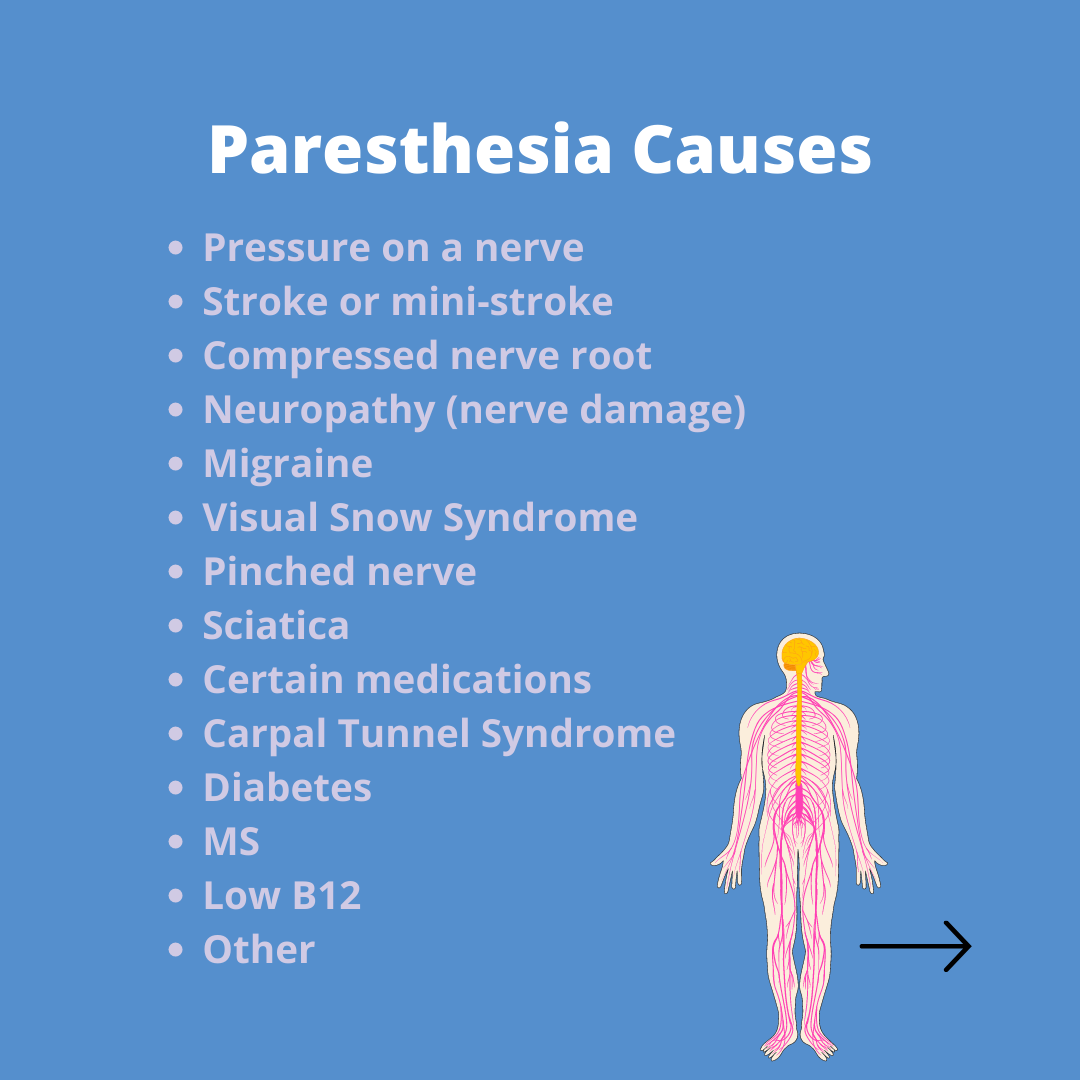
At its core, paresthesia is a symptom, not a disease itself. It arises from an anomaly in the nervous system, specifically involving the peripheral nerves. Our nerves act as intricate communication pathways, transmitting sensory information from our bodies to our brains. When these pathways are disrupted, compressed, irritated, or damaged, they can send faulty signals, manifesting as the sensations we recognize as paresthesia.
Understanding Nerve Function and Disruption
To grasp what paresthesia is, it’s helpful to briefly consider how nerves function. Nerves are composed of specialized cells called neurons, which transmit electrical and chemical signals. These signals allow us to feel touch, temperature, pain, and pressure, and they also control our motor functions.
When a nerve is compressed, its ability to transmit these signals efficiently is impaired. This compression can be due to various factors, from prolonged pressure on a nerve (like sitting cross-legged for an extended period) to more serious conditions like a herniated disc pressing on a nerve root. The brain, receiving these distorted signals, interprets them as tingling, numbness, or even a burning sensation.
The Spectrum of Paresthesia Sensations
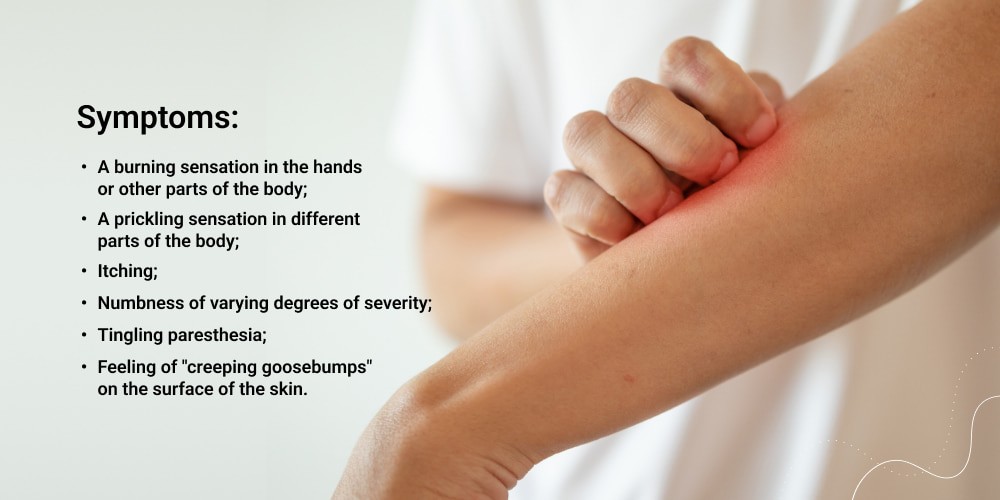
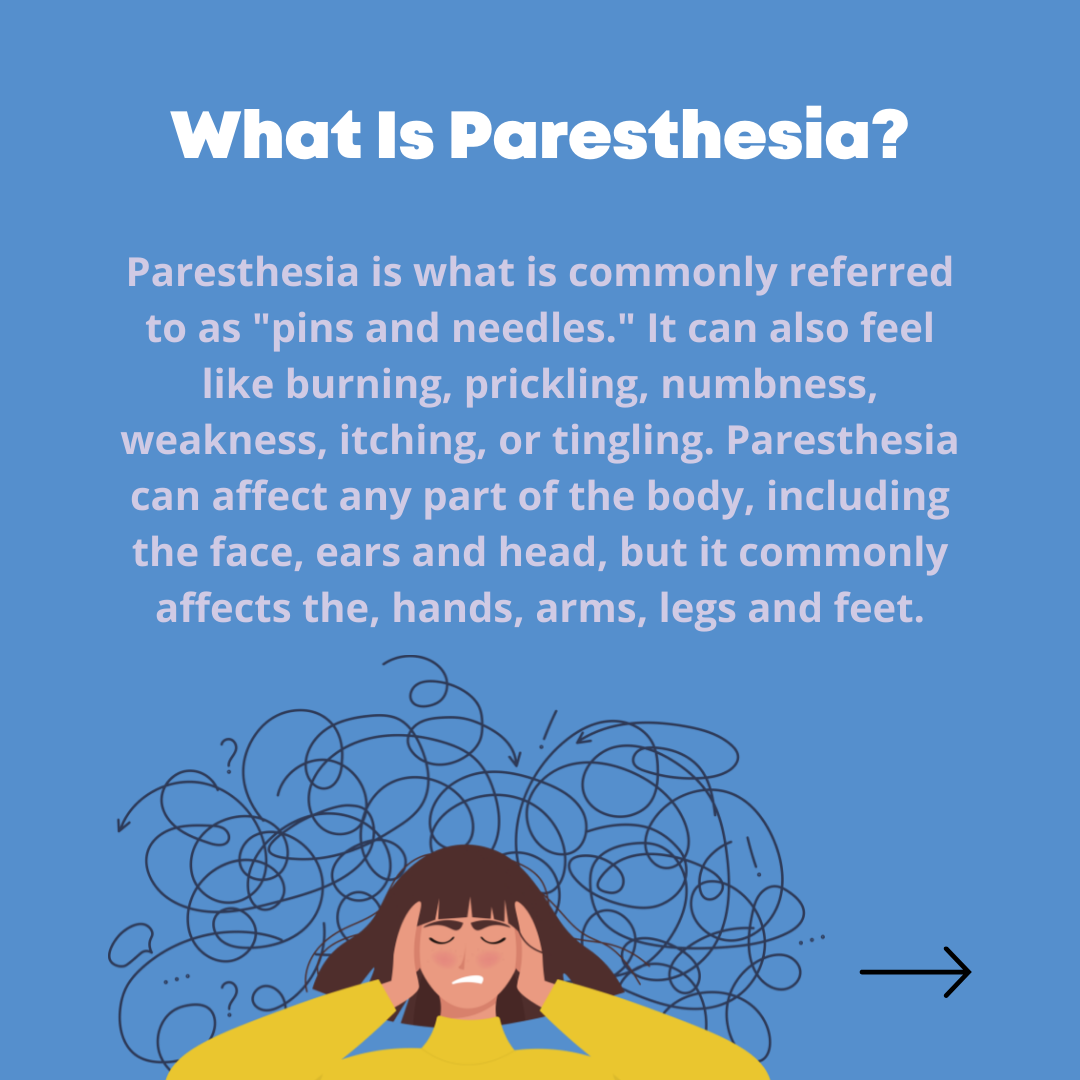
The term “paresthesia” encompasses a wide range of subjective sensory experiences. While “pins and needles” is perhaps the most commonly cited example, the sensations can be far more varied:
- Tingling: Often described as a prickling or buzzing feeling.
- Numbness: A loss of sensation, making the affected area feel dull or unresponsive.
- Burning: A sensation akin to a mild burn, sometimes accompanied by warmth.
- Crawling: A feeling as if something is moving on or under the skin.
- Itching: An intense urge to scratch, which may or may not be relieved by scratching.
- Electric shock-like sensations: Sudden, sharp jolts of discomfort.
These sensations can occur anywhere on the body, but they are most frequently experienced in the extremities, such as the hands, fingers, feet, and toes.
Common Causes of Temporary Paresthesia: Everyday Triggers
For most people, paresthesia is a transient experience, brought on by everyday activities or minor physiological changes. Understanding these common triggers can help differentiate between a fleeting annoyance and a symptom that requires further investigation.
Pressure and Compression: The Most Frequent Culprit
The most common cause of temporary paresthesia is the compression of a nerve. This can happen when a part of the body is held in an awkward position for too long, restricting blood flow and putting pressure on the underlying nerves.
- Sleeping on an arm or hand: This is a classic example. When you sleep on your arm, you’re effectively compressing the nerves that run from your shoulder down to your hand. This leads to that familiar pins and needles sensation upon waking.
- Sitting or standing in one position for extended periods: Prolonged immobility, whether it’s sitting at a desk for hours without moving or standing for a long time, can also lead to nerve compression, particularly in the legs and feet.
- Crossing legs or ankles: This habit can compress nerves in the legs, leading to tingling in the feet and lower legs.
- Wearing tight clothing or shoes: Restrictive garments or footwear can impede circulation and put pressure on superficial nerves, causing paresthesia in the affected areas.
Lifestyle Factors and Transient Causes
Beyond direct physical compression, certain lifestyle choices and temporary bodily states can also contribute to paresthesia:
- Anxiety and Hyperventilation: During periods of intense anxiety or panic attacks, rapid and shallow breathing (hyperventilation) can alter the body’s carbon dioxide levels, leading to tingling sensations, often around the mouth and in the hands and feet.
- Dehydration: While not a direct cause, severe dehydration can sometimes lead to electrolyte imbalances that may manifest as tingling or cramping.
- Alcohol Consumption: Excessive alcohol intake can have a numbing effect on nerves, and in the short term, can contribute to temporary paresthesia.
- Exposure to Cold: Cold temperatures can constrict blood vessels, reducing blood flow to the extremities and sometimes causing a temporary numb or tingling sensation.
When Paresthesia Signals a Deeper Issue: Persistent and Recurring Symptoms
While temporary paresthesia is usually not a cause for alarm, persistent, recurring, or severe paresthesia can be an indicator of an underlying medical condition. In these instances, it’s crucial to seek professional medical advice to determine the root cause and receive appropriate treatment.
Neurological Conditions and Nerve Damage
Several neurological conditions can directly affect nerve function and lead to chronic or recurring paresthesia.
- Peripheral Neuropathy: This is a broad term that describes damage to the peripheral nerves, the nerves outside of the brain and spinal cord. Diabetes is a leading cause of peripheral neuropathy, often referred to as diabetic neuropathy. Other causes include vitamin deficiencies, autoimmune diseases, infections, and exposure to toxins. Paresthesia is often one of the earliest and most common symptoms of peripheral neuropathy, typically starting in the feet and hands.
- Sciatica: This condition involves irritation or compression of the sciatic nerve, the longest nerve in the body, which runs from the lower back down through the legs. A herniated disc, spinal stenosis, or bone spurs in the lower spine can compress the sciatic nerve, leading to pain, numbness, and tingling that radiates down one leg.
- Multiple Sclerosis (MS): MS is a chronic disease that affects the central nervous system. It occurs when the immune system attacks the myelin sheath, the protective covering of nerve fibers. Paresthesia is a common early symptom of MS and can manifest in various parts of the body.
- Carpal Tunnel Syndrome: This condition affects the median nerve as it passes through the carpal tunnel in the wrist. Repetitive motions, wrist injury, and certain medical conditions can cause inflammation and swelling within the carpal tunnel, compressing the median nerve and leading to numbness, tingling, and pain in the thumb, index, middle, and part of the ring finger.
- Thoracic Outlet Syndrome: This refers to a group of disorders caused by compression of nerves or blood vessels in the space between the collarbone and the first rib (the thoracic outlet). It can lead to pain, numbness, and tingling in the arm and hand.
Systemic Health Issues and Paresthesia
Beyond direct nerve conditions, certain systemic health issues can also contribute to paresthesia as a symptom.
- Vitamin Deficiencies: Deficiencies in certain vitamins, particularly B vitamins (like B12), can affect nerve health and function. A lack of B12 can lead to nerve damage and paresthesia.
- Thyroid Problems: An underactive thyroid (hypothyroidism) can sometimes cause nerve compression or affect nerve function, leading to symptoms like paresthesia.
- Autoimmune Diseases: Conditions like Lupus, Rheumatoid Arthritis, and Sjögren’s syndrome can involve the immune system attacking the body’s own tissues, including nerves, leading to inflammation and paresthesia.
- Infections: Certain infections, such as Lyme disease, shingles (herpes zoster), and HIV, can affect the nerves and cause paresthesia.
- Circulatory Problems: Conditions that affect blood flow, such as peripheral artery disease (PAD), can reduce the oxygen supply to nerves, leading to numbness and tingling.
When to Seek Medical Attention: Recognizing Red Flags
For most people, occasional paresthesia is a minor inconvenience. However, it’s essential to be aware of when these sensations might be signaling a more serious underlying problem. Prompt medical attention can lead to an earlier diagnosis and more effective management of various conditions.
Warning Signs and Symptoms to Monitor
Certain patterns and accompanying symptoms associated with paresthesia should prompt you to consult a healthcare professional:
- Sudden onset of paresthesia, especially if it’s widespread or accompanied by weakness: A sudden, widespread onset of tingling or numbness, particularly if it affects a significant portion of the body or is accompanied by muscle weakness, could indicate a stroke or other serious neurological event.
- Paresthesia that is persistent and does not resolve with positional changes: If the tingling or numbness doesn’t disappear after you change your position or rest, it may be due to ongoing nerve compression or damage.
- Paresthesia accompanied by pain, especially severe or radiating pain: Pain alongside paresthesia, particularly if it radiates down an arm or leg, can be a sign of nerve impingement like sciatica.
- Paresthesia in conjunction with other neurological symptoms: This includes things like dizziness, vision changes, difficulty speaking, loss of balance, or bowel/bladder control issues. These symptoms, when occurring with paresthesia, warrant immediate medical evaluation.
- Paresthesia that is worsening over time: If your paresthesia is gradually becoming more intense or affecting larger areas, it’s important to have it investigated.
- Paresthesia in individuals with known medical conditions: If you have diabetes, a history of stroke, autoimmune diseases, or other chronic health conditions, it’s wise to discuss any new or worsening paresthesia with your doctor.
Diagnosis and Treatment Options
When you consult a doctor for paresthesia, they will typically begin by taking a thorough medical history and performing a physical and neurological examination. Depending on the suspected cause, they may recommend further diagnostic tests, which could include:
- Blood Tests: To check for vitamin deficiencies, thyroid problems, diabetes, infections, or inflammatory markers.
- Nerve Conduction Studies (NCS) and Electromyography (EMG): These tests evaluate the speed and strength of nerve signals and muscle activity, helping to identify nerve damage or compression.
- Imaging Tests: MRI or CT scans can provide detailed images of the brain, spinal cord, and surrounding tissues to detect structural abnormalities like herniated discs, tumors, or inflammation.
The treatment for paresthesia depends entirely on its underlying cause.
- For temporary paresthesia due to compression: Adjusting posture, stretching, and avoiding prolonged immobility are usually sufficient.
- For conditions like carpal tunnel syndrome: Treatment might involve wrist splints, physical therapy, or in some cases, surgery.
- For peripheral neuropathy related to diabetes: Strict blood sugar control is paramount. Medications may also be prescribed to manage pain and improve nerve function.
- For vitamin deficiencies: Supplementation with the relevant vitamins is typically effective.
- For autoimmune diseases: Medications to suppress the immune system and reduce inflammation are often used.
In conclusion, paresthesia is a common sensory experience that can range from a fleeting, harmless sensation to a persistent symptom of a significant health issue. By understanding its various causes and recognizing when to seek professional medical advice, individuals can navigate this often-unsettling phenomenon with greater clarity and ensure they receive the care they need.
aViewFromTheCave is a participant in the Amazon Services LLC Associates Program, an affiliate advertising program designed to provide a means for sites to earn advertising fees by advertising and linking to Amazon.com. Amazon, the Amazon logo, AmazonSupply, and the AmazonSupply logo are trademarks of Amazon.com, Inc. or its affiliates. As an Amazon Associate we earn affiliate commissions from qualifying purchases.