
In the landscape of modern pharmaceutical investment, few sectors command as much attention or capital as parenteral drugs. While a clinical definition would describe a parenteral drug simply as any medication administered through a non-oral route—most commonly via injection or infusion—the financial definition is far more complex. To an investor or business strategist, parenteral drugs represent a high-growth, high-barrier-to-entry asset class that sits at the intersection of advanced biotechnology and specialized manufacturing infrastructure.
As the global healthcare market shifts toward precision medicine and biological therapies, the economic footprint of parenteral delivery systems has expanded exponentially. Understanding the financial mechanics of this sector is essential for anyone looking to capitalize on the next wave of healthcare innovation.

Understanding Parenteral Drugs as a High-Value Asset Class
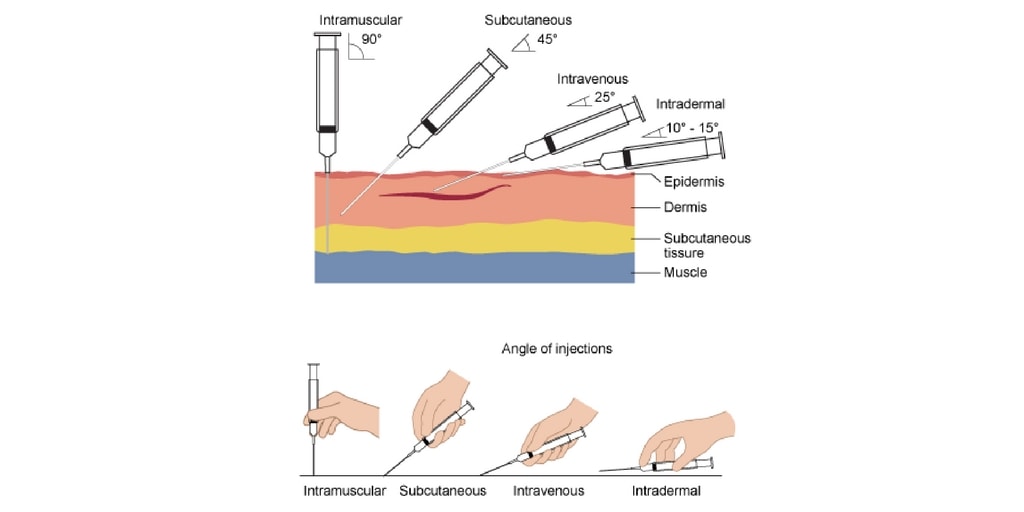
From a business perspective, the value proposition of parenteral drugs lies in their necessity and their complexity. Unlike oral medications, which must navigate the digestive system, parenteral drugs are delivered directly into the systemic circulation (intravenous), muscle tissue (intramuscular), or under the skin (subcutaneous). This direct delivery is non-negotiable for many of the world’s most expensive and effective treatments.
Defining the Clinical and Economic Scope
Parenteral administration is often the only viable route for biologics—large, complex molecules that would be destroyed by stomach acid if taken orally. Financially, this creates a “moat” around the product. Because these drugs require sterile manufacturing environments and specialized delivery devices (such as pre-filled syringes or wearable pumps), the cost of production is high, but the profit margins are historically robust. For a business, this translates to products that are difficult for competitors to replicate, even after patent expiration.
The Strategic Shift from Oral to Injectable Delivery
Over the last decade, the pharmaceutical industry has seen a massive capital reallocation. Traditional “blockbuster” small-molecule oral drugs are facing generic competition and price erosion. In response, major pharmaceutical companies have pivoted toward parenteral biologics. This shift is driven by the fact that parenteral drugs often command higher price points and offer more secure intellectual property (IP) protections due to the technical difficulty of creating “biosimilars” compared to simple generic pills.
Market Dynamics and Growth Drivers in the Parenteral Sector
The parenteral drug market is currently valued at hundreds of billions of dollars, with a compound annual growth rate (CAGR) that consistently outpaces the broader pharmaceutical market. For those analyzing the “Money” aspect of this industry, several key drivers explain this sustained upward trajectory.
The Rise of Biologics and Biosimilars
The most significant financial engine in this space is the explosion of biologics. Drugs used to treat oncology, autoimmune diseases, and rare genetic disorders are almost exclusively parenteral. As the patents for first-generation biologics expire, a new multi-billion dollar market for biosimilars is emerging. While biosimilars are intended to reduce costs for healthcare systems, they still require the same expensive, high-tech parenteral manufacturing processes, ensuring that the infrastructure providers and specialized manufacturers remain profitable.
Demographic Shifts and Chronic Disease Management
From an investment standpoint, the “long tail” of the parenteral market is found in chronic disease management. The global rise in diabetes, for instance, has turned insulin—a parenteral drug—into one of the most consistent revenue-generating products in medical history. Similarly, the aging populations in North America, Europe, and East Asia are driving demand for parenteral treatments for osteoporosis, cardiovascular health, and various cancers. For investors, these demographic trends provide a predictable, long-term demand curve that is relatively insulated from broader economic downturns.
The Financial Landscape of Parenteral Manufacturing

One cannot discuss the parenteral drug market without addressing the immense capital expenditure (CapEx) required to compete. This is not an industry for the undercapitalized. The “Money” in this sector is often tied up in the physical infrastructure required to ensure sterility and precision.
High Barriers to Entry and Capital Expenditure (CapEx)
Building a facility capable of “fill-finish” (the process of filling syringes or vials with drugs under sterile conditions) can cost hundreds of millions of dollars. These facilities must meet stringent Good Manufacturing Practice (GMP) standards. From a business finance perspective, these high entry costs act as a natural filter, limiting the number of players in the market and allowing established firms to maintain significant pricing power.
The Boom of Contract Development and Manufacturing Organizations (CDMOs)
A major trend in business finance is the outsourcing of parenteral manufacturing to CDMOs. Many biotech startups have the intellectual property for a new parenteral drug but lack the $500 million required to build a factory. This has led to the rise of massive service providers like Lonza, Catalent, and Thermo Fisher. Investing in these “picks and shovels” companies—those who provide the manufacturing services rather than the drugs themselves—has become a popular strategy for those seeking exposure to the parenteral market with diversified risk.
Risk Assessment and Regulatory Impact on ROI
While the parenteral drug market offers high rewards, the financial risks are equally significant. Business leaders must navigate a complex web of regulatory requirements and supply chain vulnerabilities that can make or break a company’s bottom line.
Navigating FDA and EMA Compliance Costs
The regulatory hurdle for parenteral drugs is significantly higher than for oral medications. Because these drugs bypass the body’s natural defenses (the skin and digestive tract), any contamination can be fatal. Consequently, a single “Form 483” from the FDA (notice of inspectional observations) can lead to a facility shutdown, costing a company millions in lost revenue and legal fees. For investors, conducting due diligence on a company’s regulatory track record is a critical component of risk management.
Supply Chain Fragility and Price Volatility
The parenteral market is highly sensitive to supply chain disruptions. Many parenteral drugs require “cold chain” logistics—specialized refrigeration from the factory to the patient. A breakdown in this chain results in total product loss. Furthermore, the specialized glass used for vials and the medical-grade plastic for syringes are subject to global commodity price fluctuations. Business models in this space must account for these “invisible” costs that can quickly erode profit margins if not managed through sophisticated hedging or long-term supply contracts.
Strategic Investment Outlook for 2024 and Beyond
As we look toward the future, the parenteral drug sector remains one of the most fertile grounds for both venture capital and institutional investment. The intersection of technology and finance in this space is creating entirely new categories of wealth.
Mergers, Acquisitions, and Venture Capital Trends
We are seeing a trend of “mega-mergers” where large pharmaceutical companies acquire smaller parenteral-focused biotechs specifically to bolster their injectable pipelines. Venture capital is also flowing into “Drug-Device Combination” products—think of smart injectors that track patient compliance and send data to a healthcare provider. These innovations represent a move toward “Value-Based Care,” where companies are paid based on patient outcomes, potentially opening up even larger revenue streams.
Conclusion: Building a Diversified Healthcare Portfolio
For the savvy investor, “what is a parenteral drug” is a question that leads directly to the heart of modern healthcare’s profitability. It is a sector defined by high-stakes manufacturing, essential chronic care treatments, and the cutting edge of biotechnology. While the technical and regulatory barriers are high, they serve to protect the investments of those who can successfully navigate the landscape.
Whether through direct investment in pharmaceutical giants, backing the specialized CDMOs that power the industry, or identifying the next breakthrough in subcutaneous delivery, the parenteral drug market offers a sophisticated array of opportunities for capital appreciation. In a world where health is the ultimate currency, parenteral drugs remain one of the most valuable assets on the global balance sheet.
aViewFromTheCave is a participant in the Amazon Services LLC Associates Program, an affiliate advertising program designed to provide a means for sites to earn advertising fees by advertising and linking to Amazon.com. Amazon, the Amazon logo, AmazonSupply, and the AmazonSupply logo are trademarks of Amazon.com, Inc. or its affiliates. As an Amazon Associate we earn affiliate commissions from qualifying purchases.