
The phrase “Paleo lifestyle” often conjures images of cavemen and roaring fires. While its roots are undeniably ancient, the Paleo lifestyle is far more than a historical reenactment. It’s a contemporary approach to living that emphasizes adopting habits and dietary patterns believed to mirror those of our Paleolithic ancestors. But in today’s hyper-connected, data-driven world, how does this ancestral philosophy intersect with the dominant forces of Tech, Brand, and Money? This article delves into the core tenets of the Paleo lifestyle and explores its surprising relevance and practical applications within these modern domains.
Understanding the Paleo Philosophy: Back to Basics
At its heart, the Paleo lifestyle is about maximizing well-being by aligning our biology with the environment in which we evolved. The foundational principle is the belief that our modern diets and lifestyles have diverped significantly from those of our hunter-gatherer ancestors, leading to a cascade of health issues. Proponents argue that by reintroducing ancestral eating patterns and promoting naturally aligned behaviors, we can optimize physical and mental health.
Dietary Cornerstones of the Paleo Lifestyle
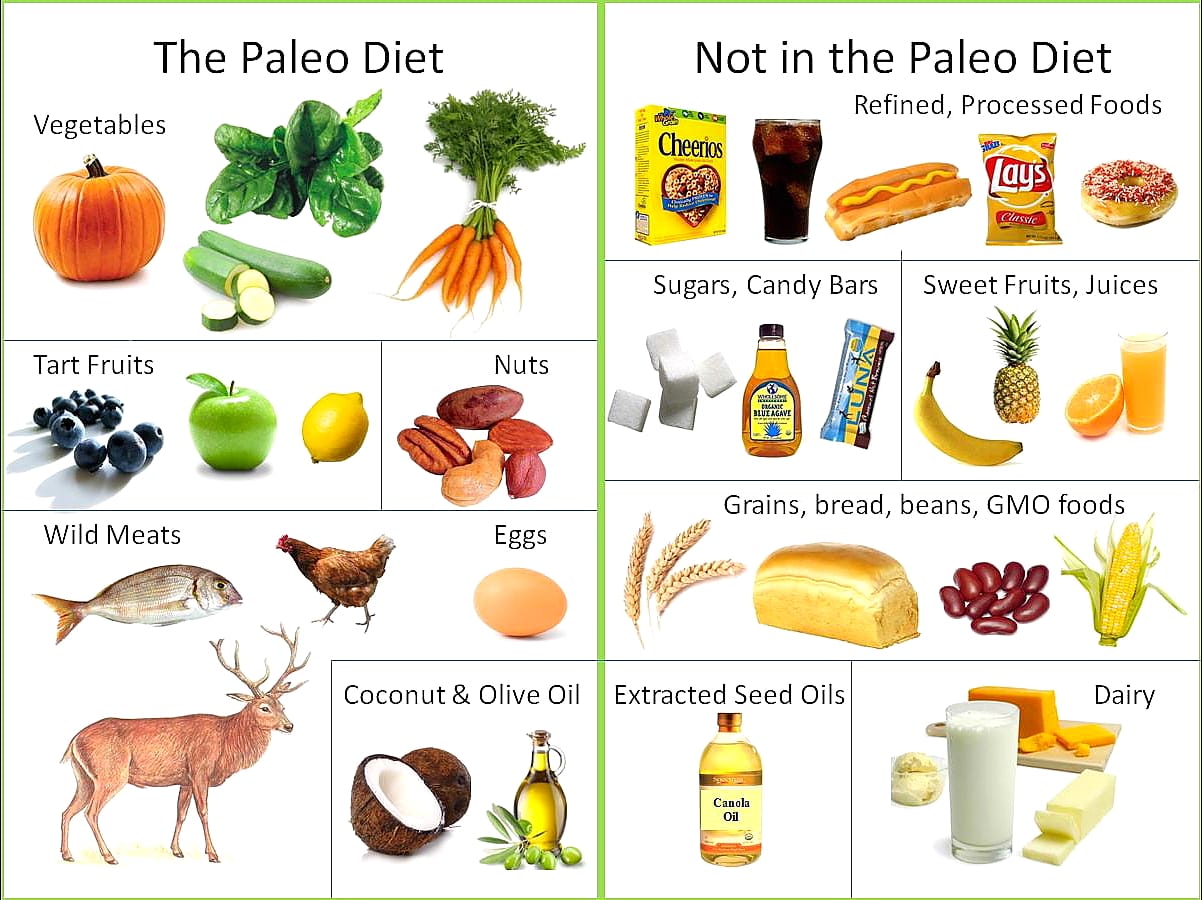
The most widely recognized aspect of the Paleo lifestyle is its dietary component. This approach focuses on consuming whole, unprocessed foods, mirroring what our Paleolithic forebears would have likely eaten.
Foods to Embrace
- Lean Proteins: This includes meats, fish, and eggs. The emphasis is on grass-fed, pasture-raised, and wild-caught options whenever possible, reflecting a more natural diet free from industrial farming practices.
- Fruits and Vegetables: A wide array of colorful fruits and vegetables are encouraged. These provide essential vitamins, minerals, and antioxidants. The focus is on produce that would have been available through foraging.
- Nuts and Seeds: These offer healthy fats, protein, and fiber. They are consumed in moderation due to their caloric density.
- Healthy Fats: This category includes sources like olive oil, coconut oil, avocado oil, and nuts. These are crucial for hormone production and overall cellular health.
Foods to Avoid
The Paleo diet is characterized by the exclusion of foods that became prevalent with the advent of agriculture and industrialization.
- Grains: Wheat, rice, corn, oats, and other grains are typically excluded. The reasoning is that our digestive systems are not optimally adapted to digest them, and they can contribute to inflammation and other health issues.
- Legumes: Beans, lentils, peanuts, and soybeans are generally avoided. This is often attributed to their phytic acid content, which can inhibit nutrient absorption.
- Dairy: Milk, cheese, yogurt, and other dairy products are excluded, with the exception of some fermented dairy for certain individuals who tolerate it. The rationale is that humans are not naturally designed to digest lactose and casein in large quantities.
- Refined Sugar and Processed Foods: Any foods containing added sugars, artificial sweeteners, processed oils, and artificial ingredients are strictly off-limits. This aligns with the core Paleo principle of consuming whole, natural foods.
- Processed Meats: Bacon, sausages, and other heavily processed meats are generally avoided due to their additives and preservatives.
Beyond Diet: Lifestyle Pillars of the Paleo Approach
While diet is central, the Paleo lifestyle extends to other fundamental aspects of well-being, mirroring ancestral practices that supported human health for millennia.
Movement and Physical Activity
Our ancestors were naturally active. They walked, ran, climbed, and lifted objects as part of their daily lives. The Paleo lifestyle encourages this kind of natural, varied movement. This doesn’t necessarily mean intense gym workouts, but rather integrating consistent physical activity into the day. Think walking, hiking, swimming, or engaging in activities that promote functional strength and mobility.
Sleep and Rest
Adequate and quality sleep is crucial for physical and mental restoration. Ancestral humans followed natural circadian rhythms, sleeping when it was dark and waking with the sun. The Paleo lifestyle emphasizes prioritizing sleep, creating a conducive sleep environment, and minimizing disruptions like excessive screen time before bed.
Stress Management and Social Connection
Hunter-gatherer societies often had strong social bonds and lived in close-knit communities. While direct replication isn’t always possible, the Paleo lifestyle encourages fostering strong social connections and actively managing stress through practices like mindfulness, spending time in nature, and engaging in activities that bring joy and relaxation.
The Paleo Lifestyle in the Digital Age: Navigating Tech, Brand, and Money
The modern world, dominated by technological advancements, the power of branding, and the complexities of financial systems, might seem at odds with an ancestral way of living. However, a deeper look reveals fascinating intersections and opportunities for applying Paleo principles to these contemporary domains.
Tech: Leveraging Technology for Ancestral Alignment
While the Paleo diet rejects processed foods, the Paleo lifestyle can strategically leverage technology to enhance well-being and facilitate ancestral alignment. The key is to use tech as a tool, not a crutch, and to ensure it supports, rather than detracts from, core Paleo principles.
Smart Gadgets for Health Tracking and Optimization
The realm of wearables and health-tracking apps offers a modern way to monitor vital metrics that were once intuitively understood.
- Sleep Trackers: Devices that monitor sleep stages, duration, and quality can provide valuable data to optimize sleep hygiene, a cornerstone of the Paleo lifestyle. Understanding REM and deep sleep cycles can inform adjustments to bedtime routines.
- Activity Trackers: While not advocating for sedentary lifestyles, trackers can offer insights into daily movement patterns, encouraging consistency and the adoption of varied physical activities. They can help identify opportunities to incorporate more walking or functional movements.
- Heart Rate Variability (HRV) Monitors: HRV is a powerful indicator of stress and recovery. Tracking HRV can help individuals understand their body’s response to stressors and implement Paleo-aligned stress management techniques.
AI Tools for Personalized Nutrition and Wellness
Artificial intelligence is revolutionizing personalized health. While AI doesn’t dictate Paleo, it can assist in its implementation.
- Recipe Generators and Meal Planners: AI-powered tools can suggest Paleo-compliant recipes based on available ingredients, dietary restrictions, and flavor preferences, making adherence easier and more diverse.
- Nutritional Analysis Apps: These apps can help track macronutrient and micronutrient intake, ensuring individuals are meeting their needs within the Paleo framework.
- Personalized Fitness Programs: AI can create tailored exercise routines that focus on functional movements and mimic the varied physical demands of our ancestors.
Digital Security and Productivity: Protecting Your “Ancestral” Well-being
The Paleo lifestyle emphasizes minimizing unnecessary stressors and optimizing mental clarity. In the digital realm, this translates to conscious use of technology.
- Digital Detox and Mindful Usage: Just as one avoids processed foods, practicing digital detoxes and being mindful of screen time can reduce mental clutter and improve focus, allowing for more present and engaged living.
- Securing Personal Data: Protecting personal information is crucial. In a world where data breaches are common, adopting robust digital security practices ensures that personal information, which could impact financial or personal well-being, remains safe. This aligns with the ancestral need for security and self-preservation.
- Productivity Tools for Efficient Living: Utilizing productivity apps and software can streamline daily tasks, freeing up mental energy and time for activities that align with the Paleo lifestyle, such as spending time outdoors or connecting with loved ones.
Brand: Crafting an Authentic Paleo Identity
The concept of branding is not new. Our ancestors, through their actions and reputation within their tribes, built their personal brands. In the modern context, applying Paleo principles to branding involves authenticity, transparency, and a focus on intrinsic value.
Personal Branding Through Paleo Principles
For individuals, a Paleo-aligned personal brand emphasizes authenticity and a holistic approach to well-being.
- Authenticity and Transparency: A brand built on Paleo principles will naturally be authentic, mirroring the unprocessed nature of its core values. This translates to honest communication, genuine engagement, and a clear articulation of what one stands for.
- Focus on Core Values: Just as the Paleo diet focuses on fundamental nutritional needs, a strong personal brand will center on core values and passions, rather than fleeting trends.
- Reputation as a Natural Outcome: By living and embodying Paleo principles, one naturally builds a reputation for health, vitality, and intentional living. This organic reputation is often more powerful and sustainable than manufactured branding.
Corporate Identity and Marketing in the Paleo Era
Businesses can also adopt Paleo-inspired branding strategies.
- Whole-Food Marketing: Marketing messages can focus on the “whole,” unprocessed nature of products and services, emphasizing natural benefits and authentic solutions.
- Ethical Sourcing and Sustainability: Companies aligning with Paleo values often prioritize ethical sourcing, sustainable practices, and transparency in their supply chains, resonating with consumers seeking conscious consumption.
- Building Community and Trust: Just as ancestral tribes relied on strong community bonds, modern brands can foster trust and loyalty by building genuine connections with their audience, emphasizing shared values and mutual respect.
Money: Financial Health in an Ancestral Framework
The Paleo lifestyle’s emphasis on efficiency, long-term sustainability, and mindful consumption can be remarkably relevant to personal and business finance.
Personal Finance: Primal Principles for Modern Wealth
The core tenets of Paleo can translate into sound financial practices.
- Frugality and Mindful Spending: Just as the Paleo diet encourages consuming only what is necessary and nourishing, mindful spending involves prioritizing needs over wants and making conscious purchasing decisions. This fosters a sense of abundance rather than scarcity.
- Investing in Long-Term Health: Similar to investing in nutrient-dense foods for immediate and long-term health benefits, financial investing in the Paleo framework focuses on sustainable, long-term growth rather than speculative, short-term gains.
- Debt as “Processed Food”: High-interest debt can be seen as the financial equivalent of processed food – offering immediate gratification but leading to long-term negative consequences. The Paleo approach would advocate for minimizing and eradicating such debt.
Online Income and Side Hustles: The “Hunter-Gatherer” Entrepreneur
The modern landscape of online income and side hustles can be approached with an ancestral mindset.
- Skill Development as “Hunting Skills”: Acquiring valuable skills for online work can be viewed as honing “hunting skills” in the digital economy. This emphasizes continuous learning and adaptability.
- Sustainable Income Streams: The focus is on building sustainable, long-term income streams rather than chasing fleeting trends or get-rich-quick schemes, mirroring the ancestral reliance on consistent food sources.
- Balance Between Work and Life: Just as ancestral humans balanced foraging with rest and community, the Paleo-aligned entrepreneur seeks a healthy balance between their work and personal life, prioritizing well-being alongside financial gain.
Business Finance: Sustainable Growth and Efficiency
For businesses, applying Paleo principles to finance means prioritizing resilience and long-term viability.
- Lean Operations: Minimizing waste and optimizing resource allocation, much like an efficient hunter-gatherer, is key. This involves streamlining processes and focusing on core competencies.
- Focus on Intrinsic Value: Businesses that offer genuine value and address fundamental needs are more likely to thrive, much like ancestral survival depended on essential skills and resources.
- Building a Resilient Financial Foundation: A strong financial foundation, built on sound principles and prudent management, provides stability and the ability to weather economic fluctuations.

Conclusion: Integrating the Paleo Lifestyle in a Modern World
The Paleo lifestyle, at its core, is a philosophy of intentional living. While its origins are ancient, its principles of whole foods, natural movement, adequate rest, stress management, and mindful consumption are remarkably relevant in our complex modern world. By strategically applying these tenets to the domains of Tech, Brand, and Money, individuals and businesses can cultivate greater well-being, authenticity, and financial resilience. The Paleo lifestyle is not about rejecting modernity, but about selectively integrating its advancements in a way that honors our biological heritage and fosters a more balanced, vibrant, and fulfilling existence. It’s a testament to the enduring wisdom of our ancestors, offering a powerful framework for navigating the challenges and opportunities of the 21st century.
aViewFromTheCave is a participant in the Amazon Services LLC Associates Program, an affiliate advertising program designed to provide a means for sites to earn advertising fees by advertising and linking to Amazon.com. Amazon, the Amazon logo, AmazonSupply, and the AmazonSupply logo are trademarks of Amazon.com, Inc. or its affiliates. As an Amazon Associate we earn affiliate commissions from qualifying purchases.