
In the vast, interconnected world of global commerce, the movement of goods is the lifeblood of the modern economy. While customers often focus on the click-to-purchase moment or the final doorstep delivery, the vast majority of a parcel’s life cycle occurs within the high-intensity environment of a logistics hub. At the center of this operation is the package handler—a specialized role that serves as the engine of the supply chain. Understanding what a package handler does is key to appreciating the logistical precision required to keep the world moving.
The Core Responsibilities of a Package Handler
A package handler is a logistical professional tasked with the physical movement, sorting, and preparation of parcels as they transition through a distribution network. Far from being a simple task of lifting boxes, this role requires a keen understanding of spatial organization, safety protocols, and time management. In many ways, the package handler acts as a human conductor in an automated orchestra, ensuring that millions of items arrive at their intended destinations on schedule.

Loading and Unloading Operations
The most physically demanding aspect of the role involves the loading and unloading of transport vehicles. Package handlers operate within trailers, delivery trucks, and air cargo containers, utilizing manual lifting techniques or mechanical assists to move inventory. This process requires a strategic mindset; handlers must stack parcels in a way that maximizes space while ensuring that fragile items remain protected and heavy items do not compromise the integrity of the pile.
Sorting and Processing Logic
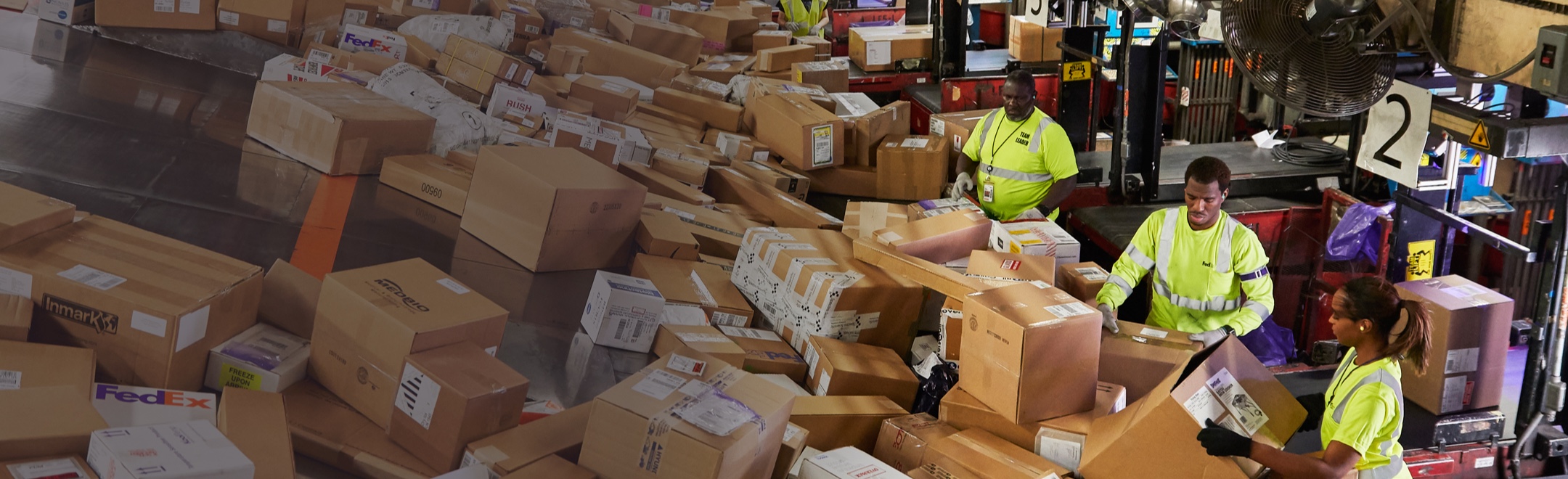
Once a package is offloaded, it enters the sorting phase. Modern facilities utilize complex conveyor systems, but the package handler is responsible for ensuring that the flow remains consistent. This includes monitoring for potential jams, verifying shipping labels, and ensuring that packages are routed to the correct outbound belts. In high-speed distribution centers, this requires split-second decision-making to maintain the facility’s throughput—a metric that directly correlates to the efficiency of the entire network.
The Economic and Business Impact of the Role
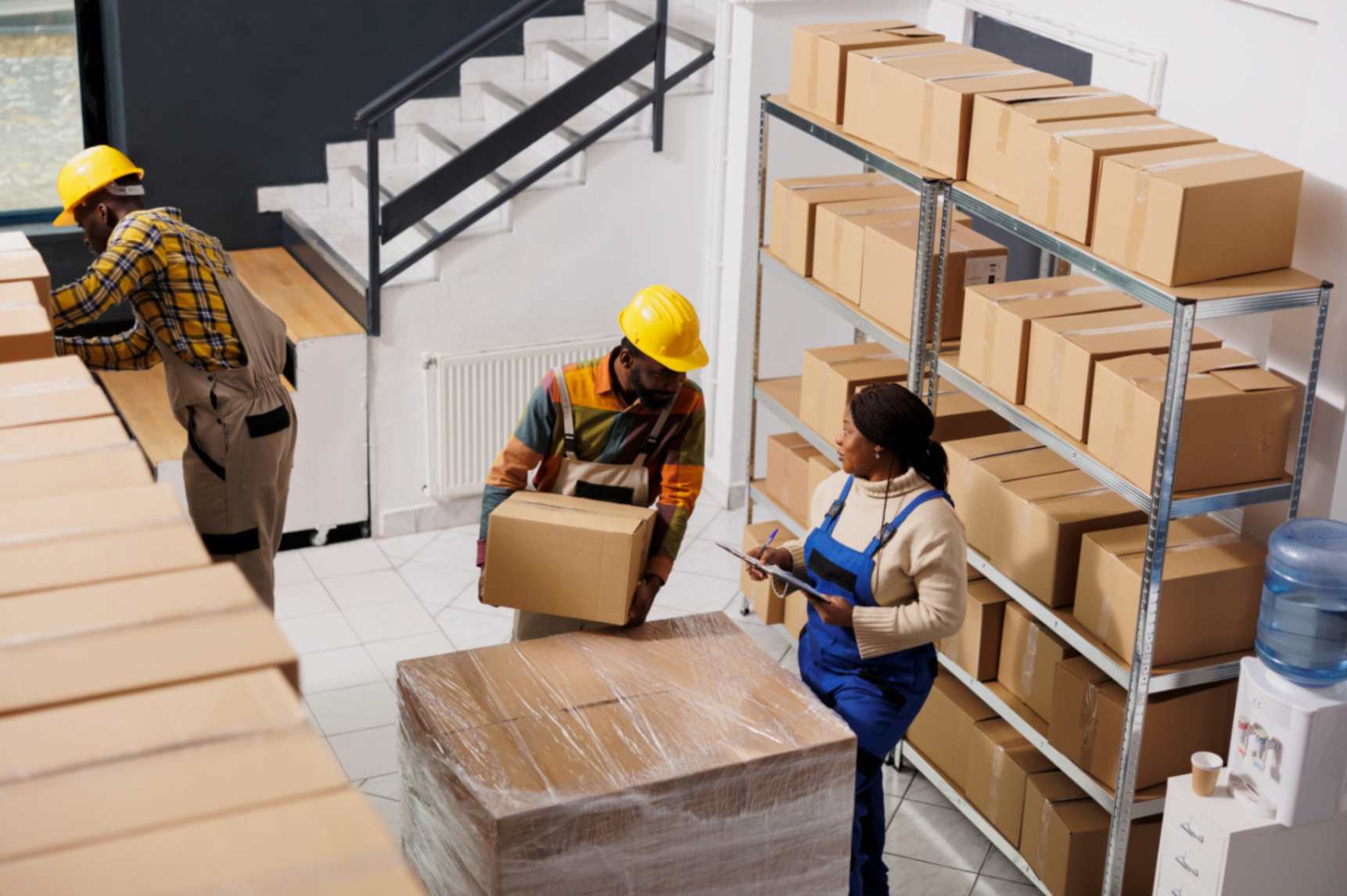
From a business finance perspective, the package handler is a critical variable in the cost-of-goods-sold calculation. Every minute a package spends in a distribution hub represents a cost. Therefore, the efficacy of the package handler directly impacts the profitability of the logistics provider. When handlers operate with high precision, fuel costs are optimized, delivery windows are met, and customer satisfaction—a key driver of brand loyalty—is maintained.
Efficiency as a Financial Driver
In the logistics industry, “throughput” is the primary measure of operational success. A package handler who can efficiently sort and load cargo helps reduce the idle time of fleet vehicles. When trucks depart on time and with optimal load configurations, companies experience significant savings in fuel and labor. For investors and stakeholders in global shipping, the skill level and safety record of the handler workforce are seen as indicators of a company’s long-term financial health and operational sustainability.
Risk Management and Asset Protection
The financial viability of a logistics firm also depends heavily on minimizing damage and loss. Each damaged parcel represents a direct financial hit, including the cost of replacement, shipping fees, and potential damage to the company’s reputation. A skilled package handler is trained to identify damaged goods immediately upon receipt, manage hazardous materials according to strict regulatory standards, and utilize specialized handling techniques for oversized or delicate shipments. By mitigating these risks, the package handler protects the bottom line of both the logistics company and the retail partners they serve.
Developing a Career in Logistics
For those looking to enter the world of supply chain management, working as a package handler is a foundational experience. It provides an “on-the-ground” education in how businesses function, how capital moves across borders, and how technological integration is changing the face of labor. Many logistics executives begin their careers in these high-paced hubs, gaining an innate understanding of the complexities that occur before a package ever reaches a customer’s porch.
Skills and Certifications for Advancement
Advancing from an entry-level package handler to a supervisor or logistics manager requires a blend of hard and soft skills. Beyond the physical ability to handle cargo, professional growth often stems from mastering inventory management software and automated sorting systems. Those who demonstrate a strong grasp of safety compliance—such as OSHA standards—and who can mentor team members in efficient loading practices often find themselves on a fast track to leadership positions.
Furthermore, as the logistics industry continues to integrate AI and robotics, a new generation of “tech-enabled” package handlers is emerging. These professionals are not just moving boxes; they are overseeing the automated systems that do the heavy lifting. Proficiency in troubleshooting these machines, interpreting data dashboards, and maintaining peak operational efficiency is becoming the new standard for the role.
The Future of the Package Handler
The nature of the package handler’s role is currently undergoing a significant evolution. While automation handles an increasing volume of the grunt work, the human element remains irreplaceable. The ability to solve unforeseen problems—such as a torn label that renders a package unreadable, a broken conveyor belt, or an unexpected surge in volume—requires human intuition and adaptability that current AI cannot replicate.
As e-commerce continues to expand into every corner of the globe, the demand for sophisticated logistics centers will only increase. This growth presents a compelling opportunity for those who view logistics as a career path rather than just a job. It is a sector defined by tangible results: every shift concludes with thousands of packages successfully moved, processed, and shipped. This sense of accomplishment, combined with the clear metrics of performance, makes it a uniquely rewarding profession for those who thrive in fast-paced, high-stakes environments.
Ultimately, the package handler is the unsung hero of the digital shopping age. By bridging the gap between the warehouse shelf and the customer, they ensure that the promise of modern commerce—convenience, speed, and reliability—is kept. Whether managing the logistics of a global shipping giant or a regional distribution hub, the package handler remains the cornerstone of the modern supply chain, turning the abstract concept of global trade into the physical reality of a delivered box.
aViewFromTheCave is a participant in the Amazon Services LLC Associates Program, an affiliate advertising program designed to provide a means for sites to earn advertising fees by advertising and linking to Amazon.com. Amazon, the Amazon logo, AmazonSupply, and the AmazonSupply logo are trademarks of Amazon.com, Inc. or its affiliates. As an Amazon Associate we earn affiliate commissions from qualifying purchases.