
The human body is a marvel of biological engineering, a complex symphony of bones, muscles, ligaments, tendons, and joints that allows us to move, interact with our environment, and experience the world. However, this intricate system is also susceptible to injury, disease, and the wear and tear of daily life. When these musculoskeletal issues arise, impacting our ability to function, move freely, and live without pain, a specialized physician steps in: the orthopedist.
Orthopedists, more formally known as orthopedic surgeons, are medical doctors who specialize in the diagnosis, treatment, prevention, and rehabilitation of conditions affecting the musculoskeletal system. This encompasses everything from the bones and joints to the ligaments, tendons, muscles, and nerves that work in concert to enable our movement. They are the experts who help us recover from fractures, manage chronic joint pain, correct deformities, and restore function after injury or illness. Their expertise is crucial for individuals of all ages, from athletes seeking to return to peak performance to seniors managing age-related joint degeneration.
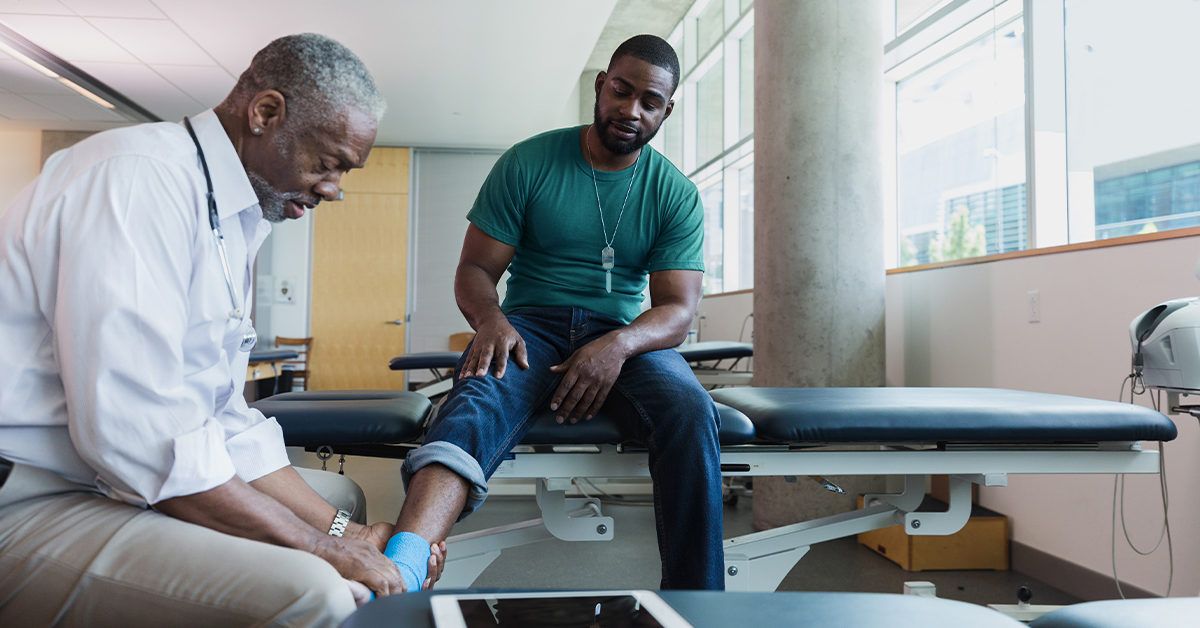
The Scope of Orthopedic Care: Beyond Broken Bones
While the image of an orthopedist setting a broken bone is a common one, their scope of practice extends far beyond acute trauma. Orthopedic medicine is a vast and intricate field that addresses a wide spectrum of conditions, from congenital abnormalities to degenerative diseases and sports-related injuries. Understanding this broad range of expertise is key to appreciating the vital role orthopedists play in maintaining our physical well-being and quality of life.
Common Conditions Treated by Orthopedists
Orthopedic surgeons tackle a diverse array of ailments that can affect mobility and cause significant pain. These can be broadly categorized into several areas:
-
Trauma and Fractures: This is perhaps the most widely recognized aspect of orthopedics. Orthopedists manage bone fractures, dislocations, sprains, strains, and other injuries resulting from accidents, falls, or impacts. Their goal is to stabilize the injured area, promote healing, and restore function, often involving surgical interventions like the placement of screws, plates, or rods to hold bones in place.
-
Arthritis and Degenerative Joint Disease: Conditions like osteoarthritis and rheumatoid arthritis can lead to the breakdown of cartilage, causing pain, stiffness, and limited range of motion in joints. Orthopedists manage these conditions through conservative treatments such as medication, physical therapy, and injections, and in more severe cases, they perform joint replacement surgeries, most commonly for hips and knees.
-
Sports Injuries: Athletes, from professional competitors to weekend warriors, are prone to a unique set of injuries. Orthopedists are instrumental in diagnosing and treating conditions like ligament tears (e.g., ACL tears in the knee), tendonitis, rotator cuff tears in the shoulder, and meniscus tears in the knee. Their expertise helps athletes recover and return to their sport safely and effectively.
-
Spine Conditions: The spine, a complex structure of vertebrae, discs, and nerves, is susceptible to various problems. Orthopedists address conditions such as herniated discs, spinal stenosis, scoliosis, and spinal fractures, often employing surgical techniques to relieve nerve compression, stabilize the spine, and correct deformities.
-
Congenital and Developmental Conditions: Some individuals are born with musculoskeletal abnormalities. Orthopedists treat conditions like clubfoot, hip dysplasia, and limb length discrepancies, often intervening early in childhood to correct these issues and ensure proper growth and development.
-
Bone Tumors and Infections: While less common, orthopedists also manage bone tumors (both benign and malignant) and bone infections (osteomyelitis). Their approach involves precise diagnosis, surgical removal when necessary, and often collaboration with oncologists and infectious disease specialists.
The Orthopedic Patient Journey: From Diagnosis to Recovery
The process of seeking orthopedic care typically follows a structured path, designed to accurately diagnose the problem and implement the most effective treatment plan.
Initial Consultation and Diagnosis
The journey begins with a consultation with an orthopedic physician. During this appointment, the orthopedist will take a detailed medical history, inquiring about the onset of symptoms, pain levels, functional limitations, and any previous injuries or medical conditions. A thorough physical examination will follow, assessing the affected area for range of motion, strength, tenderness, swelling, and any deformities.
To aid in diagnosis, imaging technologies play a crucial role. X-rays are often the first step, providing clear images of bones and detecting fractures or significant joint abnormalities. Depending on the suspected condition, the orthopedist may order more advanced imaging such as:
- Magnetic Resonance Imaging (MRI): This technology uses magnetic fields and radio waves to create detailed images of soft tissues, including ligaments, tendons, muscles, and cartilage, making it invaluable for diagnosing tears and other soft tissue injuries.
- Computed Tomography (CT) Scan: CT scans provide cross-sectional images of bones and soft tissues, offering a more detailed view than X-rays and are particularly useful for complex fractures or evaluating bone abnormalities.
- Ultrasound: This non-invasive imaging technique uses sound waves to visualize soft tissues and can be helpful in diagnosing tendonitis, bursitis, and fluid collections.
In some cases, blood tests may be ordered to rule out inflammatory conditions or infections, and diagnostic injections (e.g., local anesthetic) can help pinpoint the source of pain.
Developing a Treatment Plan
Once a diagnosis is established, the orthopedist will work with the patient to develop a personalized treatment plan. This plan is tailored to the specific condition, the severity of the issue, the patient’s age, activity level, and overall health. Treatment options generally fall into two broad categories:
-
Non-Surgical (Conservative) Treatments: Many orthopedic conditions can be effectively managed without surgery. These treatments aim to reduce pain, inflammation, and improve function. They may include:
- Medications: Pain relievers (over-the-counter or prescription), anti-inflammatory drugs (NSAIDs), and sometimes corticosteroids are prescribed to manage pain and inflammation.
- Physical Therapy and Rehabilitation: This is a cornerstone of orthopedic care. Physical therapists work with patients to improve strength, flexibility, range of motion, and endurance through customized exercise programs, manual therapy, and modalities like heat or cold therapy.
- Orthotics and Bracing: Devices like braces, splints, or custom orthotics can provide support, stabilize injured areas, correct deformities, and improve biomechanics.
- Injections: Corticosteroid injections can provide temporary relief from inflammation and pain in joints and soft tissues. Viscosupplementation injections can help lubricate joints affected by osteoarthritis.
- Lifestyle Modifications: Advice on weight management, activity modification, and ergonomic adjustments can be crucial in managing chronic conditions and preventing future injuries.
-
Surgical Treatments: When conservative measures are insufficient or for conditions that inherently require surgical intervention, orthopedists perform a wide range of surgical procedures. These can include:
- Arthroscopy: A minimally invasive surgical technique where a small camera (arthroscope) and specialized instruments are inserted through tiny incisions to diagnose and treat problems within a joint, such as repairing torn ligaments or removing inflamed tissue.
- Fracture Repair: Open reduction and internal fixation (ORIF) involves surgically realigning broken bone fragments and securing them with plates, screws, rods, or wires.
- Joint Replacement (Arthroplasty): This procedure involves removing damaged joint surfaces and replacing them with artificial prosthetic components, most commonly performed for hips, knees, and shoulders.
- Spinal Surgery: Procedures like laminectomy, discectomy, spinal fusion, and artificial disc replacement are performed to address spine-related issues.
- Tendon and Ligament Repair/Reconstruction: Surgical techniques are used to repair torn tendons or ligaments or reconstruct them using grafts from other parts of the body.
- Osteotomy: This procedure involves cutting and reshaping bone to correct deformities or realign joints.
Post-Treatment Care and Rehabilitation

The orthopedic journey doesn’t end with surgery or the cessation of conservative treatment. Post-treatment care and comprehensive rehabilitation are vital for optimal recovery and long-term success. This phase often involves:
- Follow-up Appointments: Regular check-ups with the orthopedist are necessary to monitor healing, assess progress, and address any emerging concerns.
- Continued Physical Therapy: Rehabilitation is often an extended process, especially after surgery. Patients continue working with physical therapists to regain strength, mobility, and function, gradually progressing to more demanding activities.
- Pain Management: Ongoing pain management strategies may be employed to ensure patient comfort and facilitate participation in rehabilitation.
- Return to Activity: The orthopedist and physical therapist will guide the patient on when and how to safely return to daily activities, work, and recreational pursuits, ensuring they don’t reinjure themselves.
The Orthopedic Surgeon: A Highly Trained Specialist
Becoming an orthopedic surgeon is a rigorous and lengthy process, requiring a significant commitment to education, training, and continuous learning. This dedication ensures that they possess the specialized knowledge and skills necessary to manage the complexities of the musculoskeletal system.
Education and Training Pathway
The path to becoming an orthopedic surgeon is demanding and typically involves the following stages:
-
Undergraduate Education: Aspiring orthopedic surgeons first complete a four-year bachelor’s degree program, usually with a strong emphasis on science prerequisites like biology, chemistry, physics, and mathematics. Achieving a high GPA and excelling in standardized tests like the MCAT are crucial for medical school admission.
-
Medical School: Following undergraduate studies, individuals attend a four-year medical school program. Here, they gain a foundational understanding of all medical disciplines, with increasing exposure to various specialties. They learn anatomy, physiology, pharmacology, pathology, and develop clinical skills through lectures, lab work, and rotations in different hospital departments.
-
Orthopedic Residency: After graduating from medical school with an MD or DO degree, aspiring orthopedic surgeons must complete a challenging five-year orthopedic surgery residency program. This is a period of intensive, hands-on training where residents work under the supervision of experienced orthopedic surgeons. They gain practical experience in diagnosing and treating a wide range of musculoskeletal conditions, performing surgical procedures, and managing patient care. Residencies are highly competitive, and residents are exposed to various subspecialties within orthopedics.
-
Fellowship Training (Optional but Common): Many orthopedic surgeons choose to pursue further specialization through a fellowship program. These fellowships typically last one to two years and focus on a specific area of orthopedics, such as:
- Sports Medicine: Focusing on injuries in athletes and active individuals.
- Hand and Wrist Surgery: Specializing in the complex anatomy of the hand and upper extremity.
- Foot and Ankle Surgery: Addressing conditions of the foot and ankle.
- Spine Surgery: Concentrating on disorders of the vertebral column.
- Joint Replacement (Arthroplasty): Focusing on hip, knee, and shoulder replacement surgeries.
- Pediatric Orthopedics: Specializing in musculoskeletal issues in children.
- Orthopedic Trauma: Focusing on the management of severe bone and soft tissue injuries.
- Musculoskeletal Oncology: Dealing with bone and soft tissue tumors.
-
Board Certification: Upon completion of residency and any fellowship training, orthopedic surgeons are eligible to become board-certified. This involves passing rigorous written and oral examinations administered by the American Board of Orthopaedic Surgery (ABOS) or equivalent international boards. Board certification signifies a high level of expertise and commitment to the specialty.
-
Continuing Medical Education: The field of medicine, including orthopedics, is constantly evolving. Orthopedic surgeons are required to engage in ongoing continuing medical education (CME) throughout their careers to stay abreast of the latest advancements in surgical techniques, diagnostic tools, and treatment protocols.
The Orthopedic Team and Collaboration
While the orthopedist is the central figure in musculoskeletal care, they are often part of a larger, collaborative team. This multidisciplinary approach ensures comprehensive patient care and optimal outcomes. Key members of the orthopedic team include:
- Physician Assistants (PAs) and Nurse Practitioners (NPs): These healthcare professionals work closely with orthopedic surgeons, assisting in patient evaluations, ordering tests, developing treatment plans, and performing minor procedures.
- Physical Therapists (PTs): As mentioned earlier, PTs are integral to rehabilitation, designing and implementing exercise programs to restore function and mobility.
- Occupational Therapists (OTs): OTs help patients regain the ability to perform daily activities and adapt their environment to their needs.
- Radiologists: These physicians interpret medical images like X-rays, MRIs, and CT scans, providing crucial diagnostic information.
- Anesthesiologists: They administer anesthesia for surgical procedures and manage pain during and after surgery.
- Nurses: Hospital and clinic nurses provide direct patient care, administer medications, monitor vital signs, and educate patients.
- Surgical Technologists/Scrub Nurses: They assist the surgeon during operative procedures, ensuring sterility and providing instruments.
Effective communication and collaboration among these professionals are essential for seamless patient care, from the initial diagnosis through recovery and long-term management.
The Future of Orthopedic Medicine: Innovation and Advancement
Orthopedic medicine is a dynamic field, continuously being reshaped by technological advancements and a deeper understanding of the human body. The future promises even more sophisticated diagnostic tools, less invasive surgical techniques, and more personalized treatment approaches.
Technological Innovations in Orthopedics
Technology is playing an increasingly significant role in enhancing orthopedic care:
- Robotics in Surgery: Robotic-assisted surgery is becoming more prevalent in orthopedic procedures, particularly joint replacements. These systems offer enhanced precision, smaller incisions, and potentially faster recovery times.
- 3D Printing: 3D printing is revolutionizing the creation of custom implants, prosthetics, and surgical guides tailored precisely to a patient’s anatomy, leading to better fit and function.
- Advanced Imaging Techniques: Ongoing developments in MRI, CT scanning, and ultrasound technology provide even greater detail and diagnostic capabilities, allowing for earlier and more accurate detection of musculoskeletal abnormalities.
- Biologics and Regenerative Medicine: Research into stem cell therapy, platelet-rich plasma (PRP) injections, and tissue engineering holds immense promise for promoting tissue healing and regeneration, potentially offering new avenues for treating conditions like osteoarthritis and tendon injuries without surgery.
- Virtual and Augmented Reality (VR/AR): VR and AR are being explored for surgical planning, allowing surgeons to visualize complex anatomy and practice procedures in a virtual environment. They are also being used in patient education and rehabilitation.
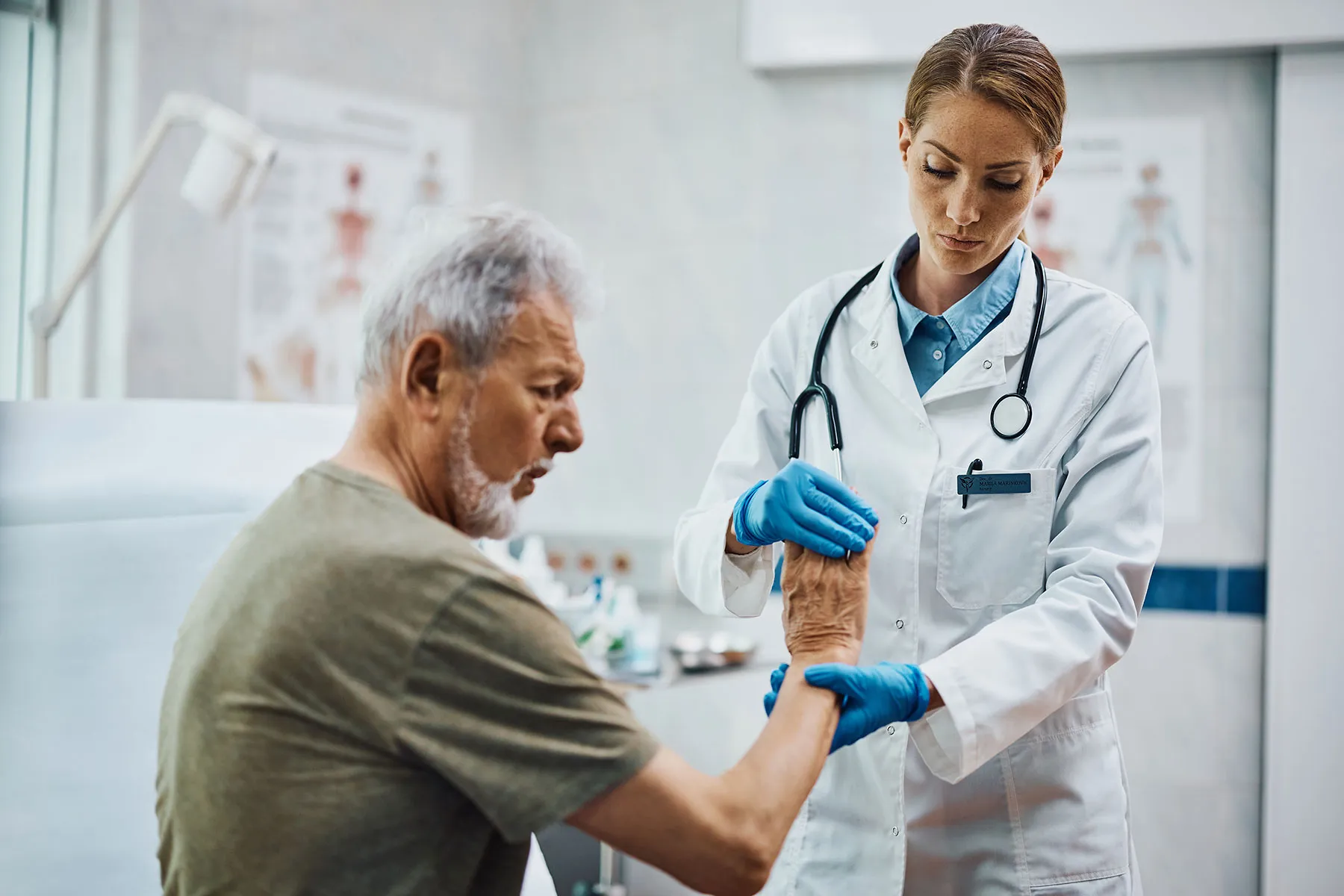
The Evolving Role of the Orthopedist
The orthopedist of the future will not only be a skilled surgeon but also a proactive health manager, emphasizing preventative care and long-term wellness. As our understanding of biomechanics, genetics, and the aging process deepens, orthopedists will be better equipped to:
- Personalize Treatment: Leveraging data analytics and genetic information to create highly individualized treatment plans.
- Focus on Prevention: Educating patients on risk factors for musculoskeletal conditions and promoting healthy lifestyle choices from an early age.
- Embrace Minimally Invasive Techniques: Continuing to develop and refine surgical approaches that reduce tissue trauma and accelerate recovery.
- Integrate Artificial Intelligence (AI): AI has the potential to assist in diagnosis, predict patient outcomes, and optimize treatment pathways.
In conclusion, the orthopedist doctor is a vital specialist dedicated to restoring and preserving the intricate biomechanical function of the human body. Their expertise spans a vast range of conditions, from acute injuries to chronic degenerative diseases. Through a combination of advanced diagnostic tools, innovative surgical techniques, and a commitment to patient rehabilitation, orthopedists empower individuals to live active, pain-free lives, ensuring that the complex symphony of our musculoskeletal system can continue to play its vital role.
aViewFromTheCave is a participant in the Amazon Services LLC Associates Program, an affiliate advertising program designed to provide a means for sites to earn advertising fees by advertising and linking to Amazon.com. Amazon, the Amazon logo, AmazonSupply, and the AmazonSupply logo are trademarks of Amazon.com, Inc. or its affiliates. As an Amazon Associate we earn affiliate commissions from qualifying purchases.