
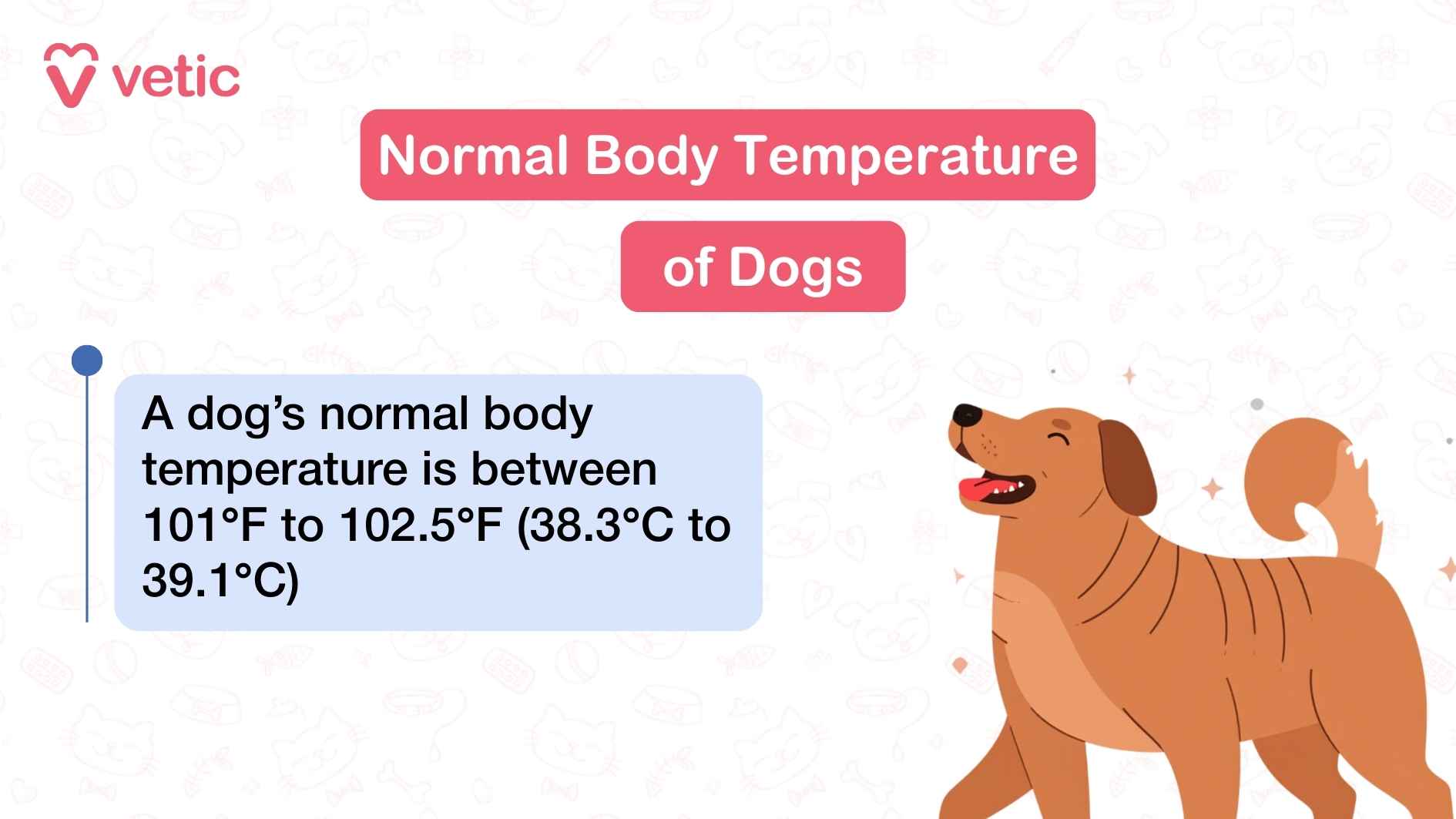
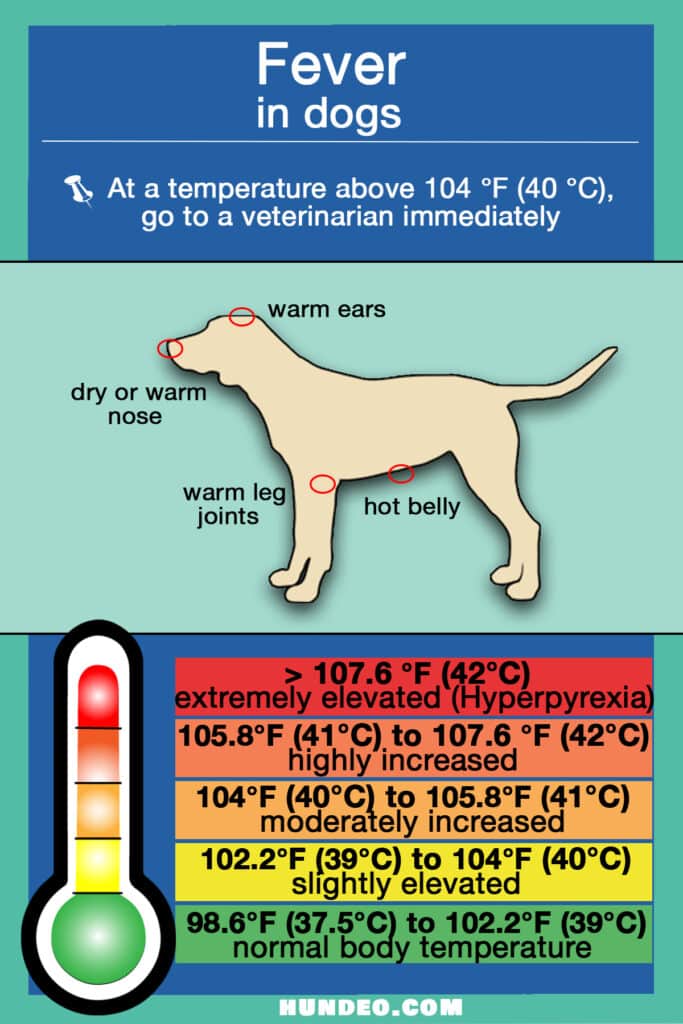
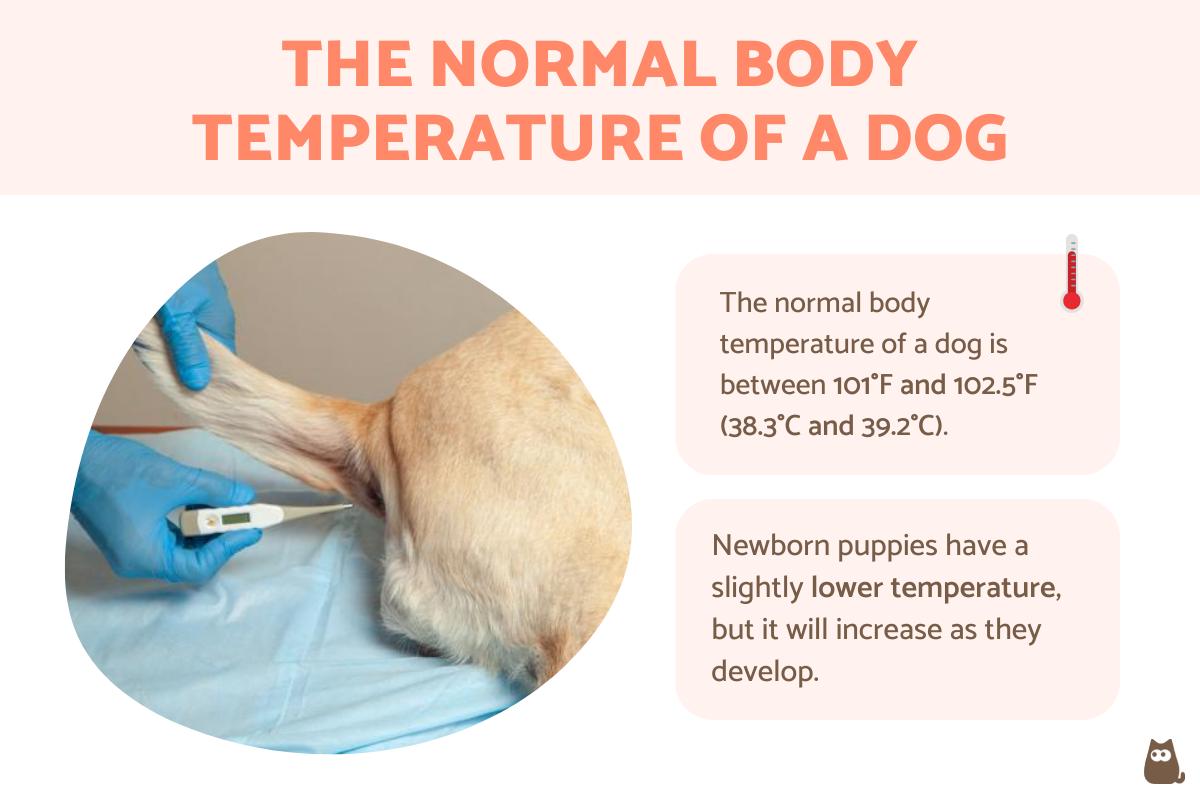
In the traditional veterinary landscape, the question “what is a normal temperature for a dog” yielded a static, textbook answer: 101 to 102.5 degrees Fahrenheit. For decades, this range served as the primary benchmark for clinicians and pet owners alike. However, we are currently witnessing a seismic shift in how pet health is monitored, analyzed, and interpreted. The intersection of Internet of Things (IoT) hardware, Artificial Intelligence (AI), and big data is transforming the simple act of taking a temperature into a complex, data-driven insight into canine physiology.
The PetTech industry, now a multi-billion dollar sector, is moving away from reactive “point-in-time” measurements toward proactive, continuous biometric monitoring. This evolution is not just about convenience; it is about redefining the very concept of “normal” through the lens of personalized digital baselines.
From Mercury to Microchips: The Evolution of Canine Thermal Monitoring
The history of monitoring a dog’s temperature has long been defined by invasive and infrequent measurements. For the better part of a century, the rectal mercury thermometer was the gold standard. While accurate, it provided only a snapshot of a dog’s health, often influenced by the stress of a clinical environment—a phenomenon known in human medicine as “white coat syndrome,” which can artificially elevate a subject’s temperature.
The Rise of Digital and Infrared Sensing
The first major technological leap occurred with the introduction of digital thermometry and non-invasive infrared (IR) sensors. Digital probes offered faster read times and memory storage for previous readings, but the real innovation came with tympanic (ear) and “no-touch” infrared thermometers. These devices utilize sensors to detect thermal radiation, converting heat energy into a digital signal. In the tech space, the challenge was calibrating these sensors to account for canine fur density and ear canal shape, leading to the development of sophisticated algorithms that “offset” external interference to provide a core-equivalent temperature.
Smart Microchips and Internal Biosensors
Perhaps the most significant hardware advancement in recent years is the integration of thermal sensors into identification microchips. Traditionally used solely for recovery, companies like HomeAgain and various European tech firms have pioneered “Bio-Thermo” chips. These passive RFID (Radio Frequency Identification) tags contain a tiny thermistor. When scanned by a compatible reader, the chip transmits both the identification number and the subcutaneous temperature. This eliminates the stress of physical handling and allows for frequent, non-invasive data collection that can be logged directly into a digital health record.
The IoT Revolution: Wearable Biosensors and Continuous Monitoring
While microchips provide a leap forward, the current frontier of PetTech lies in wearable devices. Smart collars and harnesses are no longer just GPS trackers; they have become sophisticated “edge computing” hubs that monitor a suite of biometric data points.
Continuous Data Streams vs. Static Readings
Devices like Whistle, FitBark, and Minitailz utilize high-sensitivity sensors to track a dog’s thermal patterns 24/7. This represents a fundamental shift in the tech stack. Instead of a single data point, engineers are now working with continuous data streams. This allows for the visualization of a dog’s “thermal signature” throughout the day. For example, a dog’s temperature naturally fluctuates during REM sleep, physical exertion, and digestion. By utilizing IoT connectivity, this data is synced to the cloud, providing a longitudinal view of health that a single thermometer reading could never capture.
The Engineering Challenges of Canine Wearables
Developing tech for dogs presents unique engineering hurdles compared to human wearables like the Apple Watch. Dogs come in vastly different sizes, coat types, and activity levels. Tech developers must account for:
- Thermal Insulation: Designing sensors that can accurately read skin temperature through thick double coats (like a Husky’s) versus thin coats (like a Greyhound’s).
- Durability and IP Ratings: Sensors must be ruggedized to withstand “dog-specific” environments—mud, water, and high-impact play—while maintaining the precision of medical-grade components.
- Battery Optimization: Continuous thermal monitoring is power-intensive. Leading firms use low-power wide-area networks (LPWAN) and sophisticated sleep-wake cycles for the hardware to ensure the device remains functional for weeks on a single charge.
AI and Big Data: Personalized Baselines vs. Universal Standards
The most profound impact of technology on the question of a “normal” temperature is the move toward personalization. If you ask a machine learning (ML) algorithm what a normal temperature for a dog is, it won’t give you a range; it will ask for the dog’s history.
Machine Learning and Predictive Diagnostics
By aggregating millions of data points from thousands of dogs across different breeds, ages, and climates, AI platforms are identifying what constitutes a “normal” temperature for specific demographics. An AI model can recognize that a 10-year-old Labrador in a humid climate has a different thermal baseline than a 2-year-old Terrier in a cold climate.
Furthermore, these models utilize “anomaly detection” algorithms. Instead of alerting a pet owner when a dog hits a generic 103-degree fever, the system can send a notification if the dog’s temperature is merely 0.5 degrees above its own personal baseline for three consecutive hours. This “early warning system” can detect systemic inflammation or infection days before clinical symptoms, such as lethargy or loss of appetite, become visible to the human eye.
The Role of Big Data in Veterinary Research
The anonymized data collected by these smart devices is creating the world’s largest database of canine physiology. In the tech world, this is a goldmine for “In Silico” research. Tech companies are partnering with veterinary universities to analyze how temperature spikes correlate with specific diseases, such as Lyme disease or heatstroke. This data-driven approach allows for the creation of predictive models that can forecast health risks based on environmental factors (like heatwaves) and real-time biometric shifts.
Telehealth Integration: Using Thermal Data for Proactive Veterinary Care
The final piece of the PetTech puzzle is the integration of this data into the broader healthcare ecosystem. The “Digital Front Door” of veterinary medicine is being reshaped by how thermal data is communicated between the pet owner’s app and the veterinarian’s management software.
The Shift to Remote Patient Monitoring (RPM)
Remote Patient Monitoring, once a niche in human cardiology, is entering the veterinary space. When a dog is recovering from surgery, a smart collar can monitor for post-operative infections, which are almost always preceded by a rise in body temperature. This data is fed into a dashboard for the veterinarian. If the “smart” threshold is crossed, the software automatically triggers a telehealth consultation. This creates a seamless tech workflow where data (the temperature) leads to an insight (potential infection) which leads to a digital interaction (telemedicine).
Data Security and Privacy in the PetTech Ecosystem
As we collect more biometric data on pets, the tech industry is also grappling with data security. While “pet privacy” may sound like a secondary concern, the data often includes GPS locations of homes and sensitive owner information. Leading PetTech firms are implementing enterprise-grade encryption and GDPR-compliant data handling to ensure that a dog’s health data is used for medical advancement rather than being exploited.
Furthermore, the “ownership” of this data is a hot topic in the tech-business world. Does the data belong to the pet owner, the device manufacturer, or the veterinarian? The movement toward Interoperability Standards—allowing different apps and devices to talk to each other—is crucial for making this thermal data useful across the entire life of the dog.
The Future: Biometric Intelligence as the New Standard
The simple query “what is a normal temperature for a dog” is the entry point into a sophisticated world of biometric intelligence. We are moving away from a world of “checking the temperature” to a world of “monitoring the thermal state.”
In the near future, we can expect even more integrated tech, such as smart beds that adjust their own temperature based on the dog’s real-time biometric feedback, or AI assistants that correlate a dog’s temperature with its nutritional intake and heart rate variability. The technology doesn’t just provide an answer to a question; it provides a narrative of a dog’s health.
By leveraging the power of IoT, AI, and continuous data monitoring, the PetTech industry is ensuring that “normal” is no longer a static number in a textbook, but a dynamic, digital fingerprint that helps dogs live longer, healthier, and more connected lives. The thermometer of the future isn’t a tool held in a hand; it’s an invisible layer of digital protection that watches over our pets every second of the day.
aViewFromTheCave is a participant in the Amazon Services LLC Associates Program, an affiliate advertising program designed to provide a means for sites to earn advertising fees by advertising and linking to Amazon.com. Amazon, the Amazon logo, AmazonSupply, and the AmazonSupply logo are trademarks of Amazon.com, Inc. or its affiliates. As an Amazon Associate we earn affiliate commissions from qualifying purchases.