
In the era of high-definition displays and cloud-based storage, the act of transitioning a digital file into a physical artifact remains the ultimate test of an image’s quality. For tech enthusiasts, photographers, and digital media specialists, understanding “normal” photo print sizes is not merely about choosing a frame; it is about understanding the mathematical relationship between sensor aspect ratios, pixel density, and the mechanical limitations of printing hardware.
Standardization in print sizes evolved from a combination of chemical film history and the ergonomic constraints of physical albums. However, as digital technology continues to advance—moving from standard CMOS sensors to high-resolution mirrorless systems and AI-driven upscaling—the definition of a “normal” size has become intrinsically linked to the technical specifications of the source file.
The Technical Foundation: Aspect Ratios and Sensor Geometry
To understand why certain print sizes are considered “normal,” one must first examine the hardware that captures the light. The aspect ratio—the proportional relationship between an image’s width and height—dictates which print sizes will accommodate a digital file without requiring aggressive cropping or the addition of “letterboxing” (white borders).
The 3:2 Ratio: The Legacy of 35mm Film
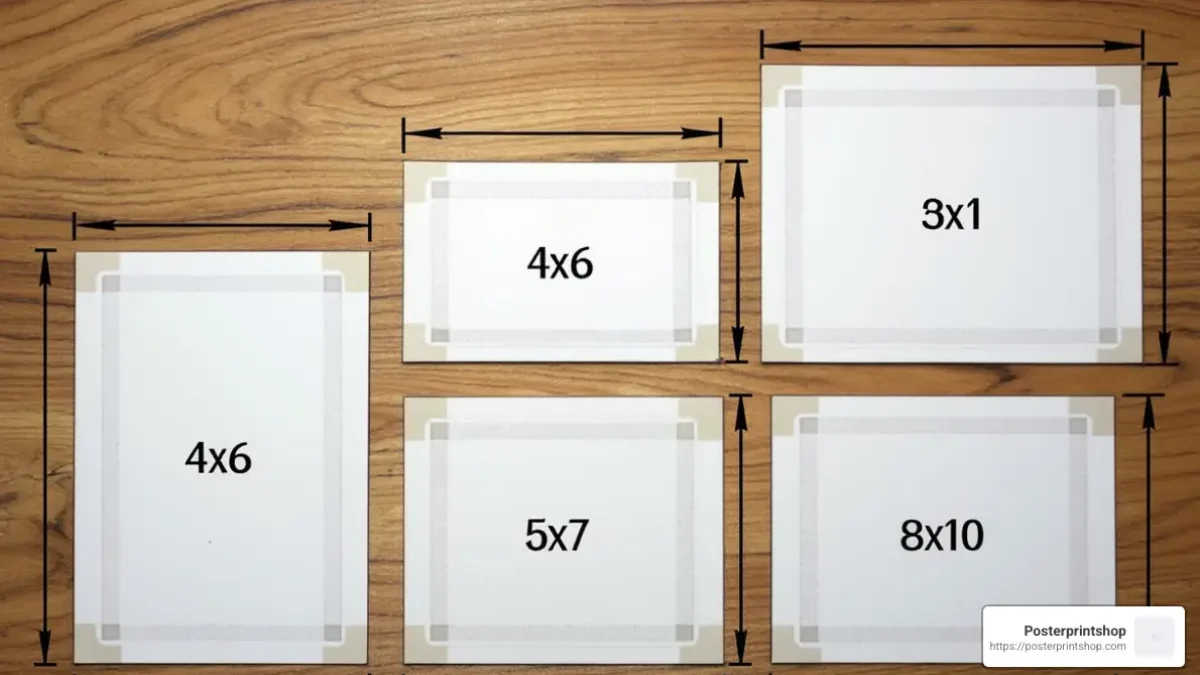
Most professional digital cameras, including Full-Frame and APS-C DSLRs and mirrorless systems, utilize a 3:2 aspect ratio. This is a direct technological descendant of 35mm film. Because the sensor geometry is 3:2, the most “normal” print size is the 4×6 inch print.
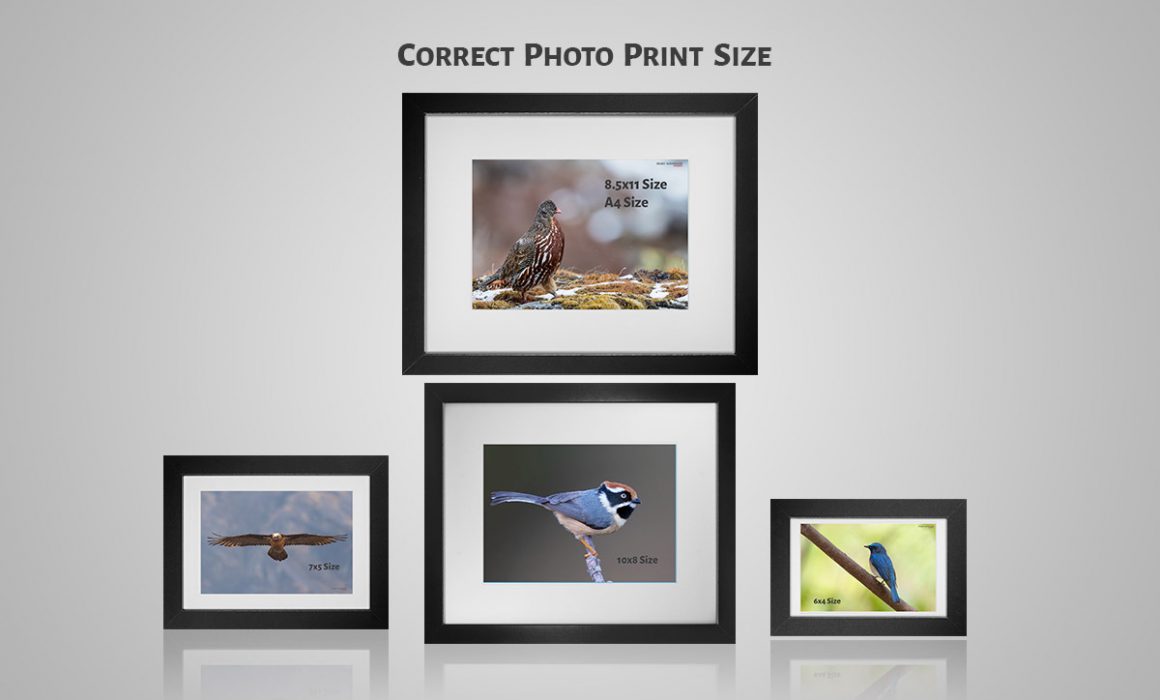
Technically, 4×6 is a perfect translation of the data captured by these sensors. When a photographer prints at 4×6, every pixel captured by the sensor is utilized (within the margins of the printer’s bleed). Other common sizes that maintain this 3:2 ratio include 8×12 and 20×30 inches. From a technical perspective, these are the most “efficient” sizes because they preserve the original composition intended by the camera’s hardware.
The 4:3 Ratio: Smartphones and Micro Four Thirds
As mobile technology became the primary method of image capture, the 4:3 aspect ratio gained prominence. This ratio is standard for most smartphones (including iPhones and Samsung Galaxies) and Micro Four Thirds cameras.
For these devices, a 4×6 print is actually problematic, as it requires cropping the top and bottom of the digital file. The “normal” print size for a 4:3 sensor is technically 4.5×6 inches, though this is less common in retail printing. Instead, 4:3 users often find that 5×7 or 8×10 prints require less destructive cropping than the traditional 4×6, even though those sizes don’t perfectly match the 4:3 math.
The 4:5 Ratio: The Medium Format Influence
The 8×10 inch print is perhaps the most iconic “large” normal size. Interestingly, it does not match the native output of most modern digital sensors. It originates from large-format film cameras (8×10 sheet film). To print a standard DSLR image as an 8×10, the software must crop a significant portion of the image’s width. This requires the photographer to plan for “safe zones” during the digital capture phase, ensuring that critical data isn’t lost when the 3:2 sensor data is mapped onto a 4:5 print area.
Resolution Mechanics: PPI, DPI, and the 300-Pixel Rule
Determining a normal print size is not just a matter of dimensions; it is a matter of data density. In the digital realm, we measure resolution in Pixels Per Inch (PPI). In the physical realm of the printer, we measure Dots Per Inch (DPI). The technical standard for a “high-quality” print is generally accepted as 300 PPI.
Calculating Maximum Print Dimensions
To determine if a digital file can handle a “normal” print size like 11×14 or 16×20, tech-conscious users apply a simple formula: Total Pixels ÷ 300 = Maximum Print Size in inches.
For example, a 12-megapixel camera typically produces an image that is 4,000 x 3,000 pixels.
- 4,000 / 300 = 13.3 inches
- 3,000 / 300 = 10 inches
Therefore, a 12MP file can comfortably produce a “normal” 8×10 or 11×14 print with high fidelity. However, attempting to push that 12MP file to a 20×30 inch poster would result in a PPI of roughly 133, which leads to visible “pixelation” or softness unless specialized interpolation software is used.
The Role of Bit Depth and Color Space
Beyond raw resolution, the technology of the print depends on the color data. Most consumer printers operate in the sRGB color space, which is the standard for web and digital displays. However, professional-grade inkjet printers (Giclée) can utilize Adobe RGB or ProPhoto RGB, which offer a wider gamut. To achieve a “normal” professional print, the file must be exported with the correct ICC profile (International Color Consortium) to ensure the hardware interprets the digital color values accurately.
Understanding DPI vs. PPI
While often used interchangeably, DPI refers to the physical droplets of ink placed on the paper by the printer. A high-end Epson or Canon photo printer might spray at 2400 DPI, but it is still only resolving the 300 PPI of data provided by the file. Understanding this distinction is key for troubleshooting “blurry” prints that were otherwise high-resolution files.
Standardization in Commercial and Software Environments
The definition of “normal” is also shaped by the software ecosystems we use and the hardware used by commercial print labs.
Standard Software Presets
If you open a photo editing suite like Adobe Lightroom or Photoshop, the “Crop” tool offers a set of presets that define what the industry considers normal. These include:
- 2×3 / 4×6: (Small format, albums)
- 5×7: (Portraiture and greeting cards)
- 8×10 / 16×20: (Gallery and wall art)
- 11×14: (Portfolio standard)
These presets exist because paper manufacturers produce “cut sheets” in these specific dimensions. Deviating from these “normal” sizes requires manual trimming or custom framing, which increases the technical complexity and cost of the project.
The A-Series Standards (ISO 216)
Outside of North America, the definition of a “normal” size shifts toward the ISO 216 standard, specifically the A-series (A4, A3, A2). This is a highly logical system where the aspect ratio is the square root of 2 (1:1.414). While not perfectly matching any digital sensor, the A-series is the “normal” technical standard for international document and photo printing. Software must handle the scaling of 3:2 or 4:3 digital images to fit these A-series dimensions, often resulting in small white borders unless “borderless printing” software logic is applied.
Digital Delivery vs. Physical Output
In modern workflows, photographers often deliver “Digital Normals”—files optimized for 4K displays or social media (like Instagram’s 4:5 vertical limit). The tech-savvy user must bridge the gap between these digital normals and physical normals. For instance, a 1080×1350 pixel image optimized for Instagram is technically only a “normal” print at 3.6×4.5 inches if maintaining 300 PPI.
Advanced Printing Tech: AI Upscaling and Large Format
As we move beyond the 8×10 “normal” into large-format territory (24×36 and above), the technological requirements change. Here, the “normal” is defined by viewing distance and interpolation algorithms.
AI Interpolation and Super Resolution
In the past, enlarging a small file to a large print resulted in “jaggies”—stair-stepped pixels. Modern software, such as Adobe’s “Super Resolution” or Topaz Photo AI, uses neural networks to predict where new pixels should go. This technology has redefined what is a “normal” print size for low-resolution devices. A smartphone photo that was previously limited to a 4×6 can now be technically enhanced to look crisp as a 16×20 or even a 24×36 print.
The Viewing Distance Paradox
In large-format printing, the 300 PPI rule is often discarded. For a “normal” billboard, the resolution might be as low as 15 PPI. For a 24×36 wall print, 150 PPI is often considered the technical “normal.” This is because the human eye cannot resolve the same level of detail from six feet away as it can from six inches (the typical distance for viewing a 4×6 album print).
Inkjet vs. Dye-Sublimation
The hardware also dictates the size. Most “instant” home printers use dye-sublimation technology, which is hardware-locked to the 4×6 size. Professional wide-format printers use aqueous inkjet technology, capable of printing on rolls up to 60 inches wide. In this professional tech niche, “normal” is limited only by the width of the paper roll and the megapixel count of the camera.

Conclusion: Defining the Modern Normal
The answer to “what is a normal photo print size” is a moving target defined by the intersection of sensor tech, software algorithms, and historical paper standards.
For the everyday user, 4×6, 5×7, and 8×10 remain the functional normals because they align with consumer-grade hardware and affordable framing. However, for the professional or tech enthusiast, the “normal” size is a mathematical calculation: a balance of the sensor’s native aspect ratio, the file’s pixel density, and the intended viewing distance.
As AI continues to blur the lines of resolution and sensors move toward 100-megapixel capacities, the “normal” print size is likely to expand. We are moving toward a future where “normal” is no longer restricted by the data captured at the moment of the shutter click, but by how effectively our software can translate that data into the physical world. For now, the safest technical bet is to match your print size to your sensor’s aspect ratio to ensure that every bit of captured data makes its way onto the paper.
aViewFromTheCave is a participant in the Amazon Services LLC Associates Program, an affiliate advertising program designed to provide a means for sites to earn advertising fees by advertising and linking to Amazon.com. Amazon, the Amazon logo, AmazonSupply, and the AmazonSupply logo are trademarks of Amazon.com, Inc. or its affiliates. As an Amazon Associate we earn affiliate commissions from qualifying purchases.