
The question “What is a normal HGB?” might initially seem to belong solely to the realm of medicine and healthcare. However, in our increasingly interconnected world, where technology plays a pivotal role in every facet of life, understanding basic health metrics like hemoglobin (HGB) levels can also intersect with advancements in health tech, personal data management, and even financial implications for healthcare. This article aims to demystify hemoglobin, explain what constitutes a normal range, and explore how technology and personal finance considerations can influence or interact with this vital blood component.
Understanding Hemoglobin: The Oxygen Carrier
Hemoglobin, often abbreviated as HGB, is a complex protein found within red blood cells. Its primary and most crucial function is to transport oxygen from the lungs to the body’s tissues and organs. Without sufficient hemoglobin, our cells would be starved of the oxygen they need to function and survive. Hemoglobin also plays a role in carrying carbon dioxide, a waste product of metabolism, from the tissues back to the lungs to be exhaled.
The iron component within hemoglobin is what gives blood its characteristic red color. When oxygen binds to iron, it forms oxyhemoglobin, a brighter red. When hemoglobin releases oxygen and picks up carbon dioxide, it becomes deoxyhemoglobin, a darker red. This intricate process is fundamental to sustaining life.
The Components of Hemoglobin
Hemoglobin is a protein composed of four subunits: two alpha-globin chains and two beta-globin chains. Each of these chains is attached to a heme group, which contains an iron atom. It is this iron atom that directly binds with oxygen molecules. The precise structure and function of these subunits are genetically determined, and abnormalities in their production can lead to various blood disorders.
What Constitutes a Normal Hemoglobin Level?
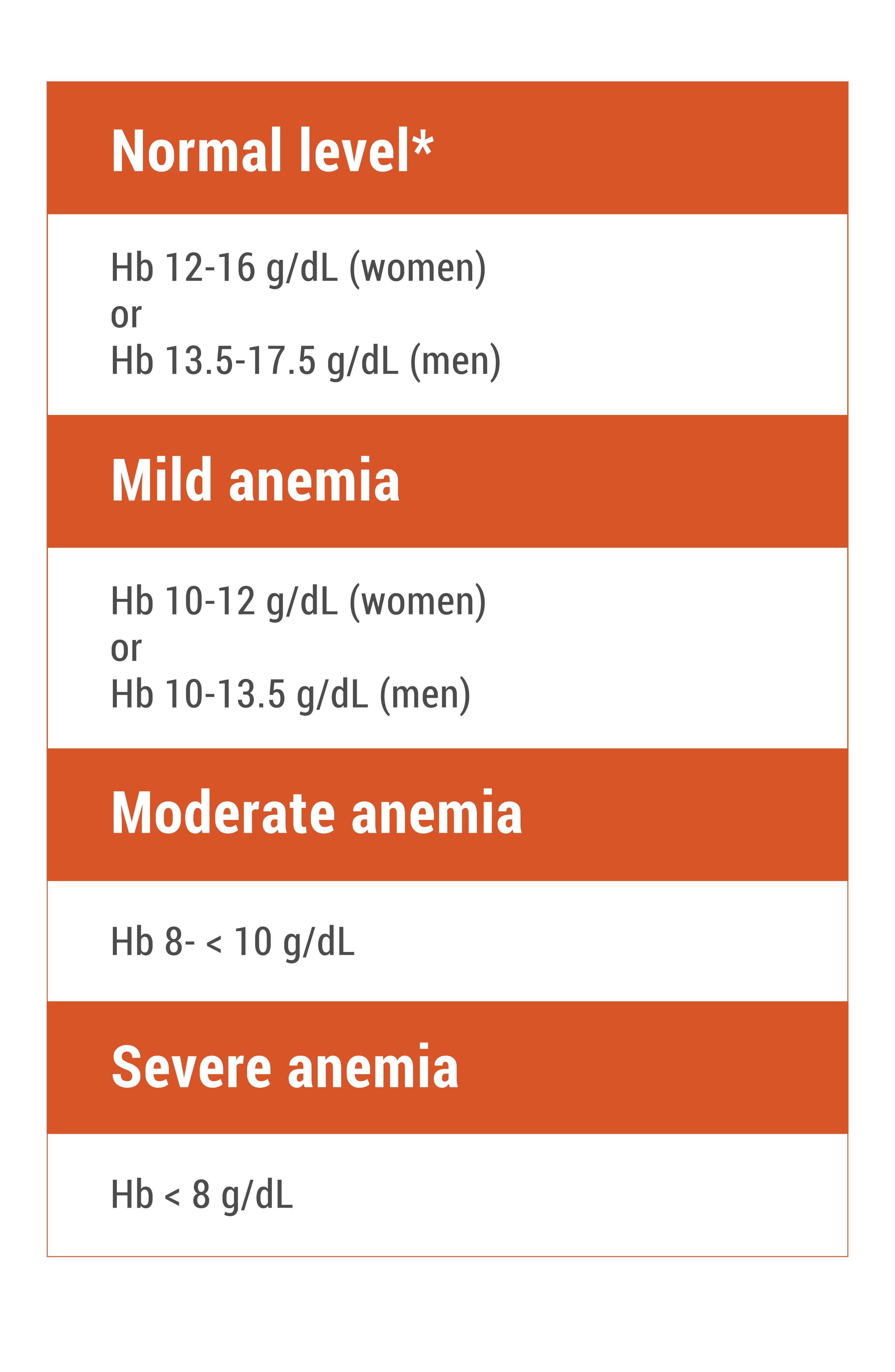
Determining a “normal” hemoglobin level isn’t a single, universal number. Instead, it’s a range that varies based on several factors, most notably age and sex. Healthcare professionals use these established ranges to assess an individual’s overall health.
Age-Specific Hemoglobin Ranges
Newborns typically have higher hemoglobin levels than adults. This is because they are born with a type of hemoglobin (fetal hemoglobin) that is more efficient at extracting oxygen from the mother’s blood during pregnancy. As infants grow, their hemoglobin levels gradually decrease and then rise again to adult levels.
- Newborns: Hemoglobin levels can range from 13.5 to 20.5 grams per deciliter (g/dL).
- Infants (1-6 months): Levels typically drop to between 10.0 and 15.0 g/dL.
- Children (6 months – 6 years): Hemoglobin generally falls between 11.0 and 13.0 g/dL.
- Children (6-12 years): The range widens slightly to 11.5 to 14.5 g/dL.
- Adolescents (12-18 years): Ranges continue to fluctuate, with girls generally having slightly lower levels than boys as they approach adulthood.
Sex-Specific Hemoglobin Ranges (Adults)
In adulthood, there’s a noticeable difference in typical hemoglobin levels between males and females. This difference is largely attributed to hormonal influences, particularly testosterone, which stimulates red blood cell production, and menstrual blood loss in women.
- Adult Males: A normal hemoglobin range is typically considered to be between 13.5 and 17.5 g/dL.
- Adult Females (non-pregnant): A normal hemoglobin range is generally between 12.0 and 15.5 g/dL.
- Pregnant Females: Hemoglobin levels can decrease during pregnancy due to increased blood volume. A normal range during pregnancy might be between 10.5 and 14.0 g/dL, though this can vary by trimester.
It’s crucial to remember that these are general ranges. Individual variations exist, and what is considered “normal” for one person might be slightly different for another. Your doctor will interpret your hemoglobin results in the context of your overall health, medical history, and other blood test results.
Factors Influencing Hemoglobin Levels
Beyond age and sex, several other factors can influence your hemoglobin levels:
- Altitude: Living at high altitudes, where oxygen is less abundant, can stimulate the body to produce more red blood cells, thus increasing hemoglobin levels.
- Hydration: Dehydration can falsely elevate hemoglobin levels because the blood becomes more concentrated.
- Medical Conditions: Various medical conditions can affect hemoglobin production or red blood cell survival, leading to abnormal levels. These include iron deficiency, vitamin B12 deficiency, folate deficiency, chronic kidney disease, bone marrow disorders, and certain types of cancer.
- Medications: Some medications can impact red blood cell production or destruction.
- Genetics: Inherited conditions like thalassemia or sickle cell anemia directly affect hemoglobin structure and function.
- Recent Blood Loss: Significant blood loss, even from minor injuries or procedures, will temporarily lower hemoglobin.
When Hemoglobin Levels Deviate from Normal: Anemia and Polycythemia
When hemoglobin levels fall outside the normal ranges, it can indicate an underlying health issue. The two primary categories of deviation are anemia and polycythemia.

Anemia: Low Hemoglobin Levels
Anemia is a condition characterized by a deficiency of red blood cells or hemoglobin, resulting in reduced oxygen transport to the body’s tissues. Symptoms of anemia can include fatigue, weakness, pale skin, shortness of breath, dizziness, and headaches. The severity of symptoms often correlates with the severity of the anemia.
Common causes of anemia include:
- Iron Deficiency Anemia: The most prevalent type, caused by insufficient iron in the diet or impaired iron absorption.
- Vitamin Deficiency Anemia: Lack of vitamin B12 or folate, essential for red blood cell production.
- Anemia of Chronic Disease: Often associated with long-term illnesses like kidney disease, cancer, or inflammatory conditions.
- Hemolytic Anemia: Occurs when red blood cells are destroyed faster than they can be produced.
- Aplastic Anemia: A rare but serious condition where the bone marrow doesn’t produce enough red blood cells.
- Sickle Cell Anemia and Thalassemia: Inherited disorders affecting hemoglobin structure.
Polycythemia: High Hemoglobin Levels
Polycythemia is a condition where the body produces too many red blood cells, leading to thicker blood that flows less easily. This can increase the risk of blood clots, stroke, and heart attack. Symptoms may include headaches, dizziness, blurred vision, itching, and shortness of breath.
Causes of polycythemia include:
- Primary Polycythemia (Polycythemia Vera): A bone marrow disorder where the body overproduces red blood cells, white blood cells, and platelets.
- Secondary Polycythemia: Caused by underlying conditions that lead to increased erythropoietin (a hormone that stimulates red blood cell production). This can include chronic low oxygen levels (e.g., from lung disease or living at high altitudes), tumors, or kidney disease.
- Dehydration: As mentioned earlier, severe dehydration can temporarily increase hemoglobin concentration.
The Intersection of Health, Technology, and Personal Finance
While understanding your HGB is primarily a health concern, its implications can extend into the realms of technology and personal finance, particularly in the modern era.
Health Technology and Hemoglobin Monitoring
The advancement of health technology, or “health tech,” is revolutionizing how we monitor our well-being. While a definitive hemoglobin test still requires a blood draw and laboratory analysis, the landscape is evolving:
- Wearable Devices: While most wearables track metrics like heart rate, steps, and sleep, the future may hold non-invasive ways to estimate certain blood components. Currently, there are no widely available consumer wearables that can accurately measure hemoglobin. However, research is ongoing, and future iterations might offer preliminary insights.
- Mobile Health Apps: Many health apps allow users to log their lab results, including hemoglobin levels. These apps can help individuals track their trends over time, set reminders for follow-up tests, and share data with their healthcare providers. Features like personalized health dashboards and AI-driven insights are becoming increasingly common.
- Telemedicine and Remote Monitoring: For individuals with chronic conditions that affect hemoglobin, telemedicine platforms can facilitate remote monitoring. This allows healthcare providers to assess patient status without frequent in-person visits, potentially reducing costs and improving convenience. Doctors can remotely review lab results and adjust treatment plans as needed.
- AI in Diagnostics: Artificial intelligence is increasingly being used to analyze medical images and laboratory data. While not directly measuring HGB, AI algorithms can assist in diagnosing conditions that lead to abnormal hemoglobin levels, such as identifying patterns in blood smears or predicting risk factors for anemia.
Personal Branding and Health Awareness
Your personal brand encompasses how you present yourself to the world, and for many, this includes projecting an image of health and vitality. Understanding your HGB levels is a fundamental aspect of proactive health management.
- Informed Decision-Making: Knowing your normal HGB range empowers you to make informed decisions about your diet, lifestyle, and when to seek medical attention. This knowledge contributes to a more confident and self-aware personal brand.
- Advocacy and Education: Sharing your understanding of health metrics like HGB can contribute to broader health literacy. This can be part of a personal brand focused on wellness, health advocacy, or empowering others.
Financial Implications of Hemoglobin Health
Hemoglobin levels have direct and indirect financial implications:
- Healthcare Costs: Anemia or polycythemia requiring treatment can lead to significant healthcare expenses, including doctor’s visits, diagnostic tests, medications, and potential hospitalizations. Managing underlying conditions that cause abnormal HGB is crucial for long-term financial well-being.
- Insurance Premiums: For individuals with chronic conditions that impact blood health, insurance premiums might be higher. Proactive health management can sometimes mitigate these costs.
- Productivity and Income: Severe anemia can lead to fatigue and reduced energy, impacting work productivity and potentially affecting earning potential. Investing in your health through proper nutrition and medical care is an investment in your financial future.
- Dietary Choices: Understanding the role of iron, B12, and folate in hemoglobin production can influence dietary choices. While healthy eating can have upfront costs, it can prevent more expensive health problems down the line.
- Financial Planning for Healthcare: For those with a history of blood disorders or at risk, incorporating potential healthcare expenses into personal finance planning is essential. This might involve higher contributions to health savings accounts or ensuring adequate health insurance coverage.

Conclusion
The question “What is a normal HGB?” opens a window into the intricate workings of our bodies. Hemoglobin is the lifeblood of oxygen transport, and its levels are critical indicators of overall health. While medical professionals are the primary interpreters of these values, understanding the normal ranges, the factors that influence them, and the potential consequences of deviations is empowering for every individual.
Furthermore, in our technologically driven age, health tech offers new avenues for monitoring and managing our well-being, indirectly impacting our personal brands and financial futures. By staying informed about our hemoglobin levels and engaging with the tools and knowledge available, we can proactively manage our health, leading to a more vibrant and financially secure life. Regular check-ups and open communication with your doctor remain the cornerstone of understanding and maintaining your hemoglobin health.
aViewFromTheCave is a participant in the Amazon Services LLC Associates Program, an affiliate advertising program designed to provide a means for sites to earn advertising fees by advertising and linking to Amazon.com. Amazon, the Amazon logo, AmazonSupply, and the AmazonSupply logo are trademarks of Amazon.com, Inc. or its affiliates. As an Amazon Associate we earn affiliate commissions from qualifying purchases.