
In a world increasingly dominated by screens and data, understanding our own biological rhythms is more crucial than ever. We meticulously track our digital footprints, optimize our workflows with AI, and analyze market trends for financial gains. Yet, amidst this technological and financial focus, the fundamental rhythm of our own bodies – our heartbeat – often gets overlooked. So, what exactly constitutes a normal heart rate per minute, and how does this vital sign connect with the fast-paced, tech-driven lives we lead?
This exploration delves into the science behind a healthy heart rate, factors that influence it, and how we can leverage modern technology to better understand and manage this crucial indicator of our well-being. While our focus is often on outward achievements and digital advancements, the steady beat within is a powerful barometer of our internal state, directly impacting our productivity, our ability to manage stress, and even our financial decision-making.

The Basics: Defining a Healthy Heart Rate
At its core, your heart rate, measured in beats per minute (BPM), is the number of times your heart contracts and relaxes to pump blood throughout your body within that timeframe. This constant, vital function is orchestrated by the electrical system of your heart, specifically the sinoatrial (SA) node, often referred to as the heart’s natural pacemaker.
Resting Heart Rate: Your Body’s Baseline
The most commonly referenced measure when discussing a “normal” heart rate is the resting heart rate. This is the number of beats your heart makes per minute when you are completely at rest, typically measured first thing in the morning before getting out of bed.
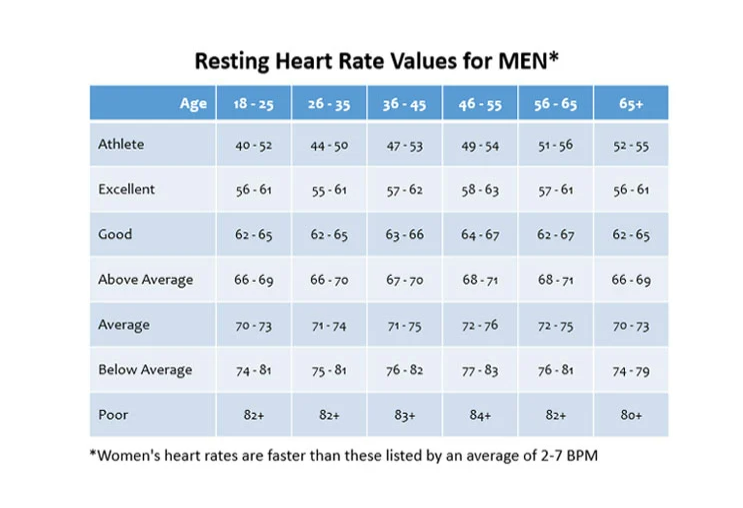
For most healthy adults, a normal resting heart rate falls within the range of 60 to 100 beats per minute. This range is a general guideline, and variations within and even slightly outside this spectrum can be perfectly normal depending on a multitude of factors.
- Lower end (60-80 BPM): Often indicative of good cardiovascular health and physical fitness. Athletes, for instance, frequently have resting heart rates in the lower 40s or 50s.
- Upper end (80-100 BPM): Still within the normal range, but may suggest a less active lifestyle or other contributing factors.
What Influences Your Heart Rate?
It’s crucial to understand that a “normal” heart rate is not a static number. Numerous internal and external factors can cause your heart rate to fluctuate throughout the day and even from day to day.
Factors Affecting Heart Rate:
- Age: Heart rate tends to be higher in children and gradually decreases as we age.
- Fitness Level: As mentioned, physically fit individuals generally have lower resting heart rates because their heart muscle is stronger and more efficient.
- Emotions: Stress, anxiety, excitement, and even strong emotions can significantly elevate heart rate as your body prepares for a “fight or flight” response. Conversely, deep relaxation and mindfulness can lower it.
- Body Temperature: A fever can increase heart rate as your body works harder to regulate its temperature.
- Medications: Certain medications, such as beta-blockers, are designed to slow heart rate, while others might have the opposite effect.
- Substances: Stimulants like caffeine and nicotine can temporarily increase heart rate. Alcohol can have varying effects, sometimes increasing it initially and then decreasing it.
- Body Position: Lying down generally results in a lower heart rate than sitting or standing.
- Medical Conditions: Underlying conditions like thyroid problems, anemia, or heart disease can impact heart rate.
Heart Rate During Activity: The Dynamic Response
When you engage in physical activity, your heart rate naturally increases to deliver more oxygenated blood to your working muscles. This is a healthy and necessary response. The target heart rate zone during exercise varies depending on your age and the intensity of your workout.
- Maximum Heart Rate: A common estimation for maximum heart rate is 220 minus your age.
- Target Heart Rate Zones: For moderate-intensity exercise, aiming for 50-70% of your maximum heart rate is generally recommended. For vigorous-intensity exercise, this increases to 70-85%.
Understanding these fluctuations allows for a more nuanced interpretation of your heart’s behavior. A temporarily elevated heart rate during a stressful work deadline or an exciting event is often normal, while a consistently high resting heart rate might warrant further investigation.
Heart Rate as a Signal: Beyond the Numbers
In the realm of technology and personal branding, we often focus on metrics that measure external success and influence. Yet, our internal biological signals, like heart rate, provide invaluable insights into our overall well-being, which directly underpins our ability to perform and thrive.
The Link Between Heart Rate and Well-being
Your heart rate is more than just a number; it’s a dynamic indicator of your body’s response to its environment and internal state.
- Stress and Anxiety: Chronically elevated heart rates, even at rest, can be a sign of ongoing stress and anxiety. This prolonged state of heightened arousal can have detrimental effects on your physical and mental health, impacting focus, decision-making, and overall resilience. For professionals navigating high-pressure environments, understanding this connection can be the first step towards implementing stress management techniques.
- Physical Health: Consistently high or low resting heart rates can be early warning signs of underlying cardiovascular issues, thyroid imbalances, or other health concerns. Early detection through monitoring can lead to timely intervention and better health outcomes.
- Sleep Quality: Poor sleep can lead to a temporarily elevated heart rate. Conversely, a well-rested body typically exhibits a lower resting heart rate. This bidirectional relationship highlights the importance of prioritizing sleep for optimal physiological function.
The Influence on Productivity and Decision-Making
A well-regulated heart rate, indicative of a balanced physiological state, can directly impact your cognitive functions.
- Focus and Concentration: When your heart rate is stable, your brain receives a consistent supply of oxygen, supporting better focus and concentration. Chronic stress, leading to elevated heart rate, can impair these abilities, making it harder to tackle complex tasks or engage in deep work.
- Emotional Regulation: A stable heart rate is often associated with better emotional regulation. When our heart rate is racing due to stress or anxiety, our ability to think rationally and make sound decisions can be compromised. This is particularly relevant in financial contexts, where impulsive decisions made under duress can have significant consequences.
- Creativity and Problem-Solving: A calm and regulated physiological state can foster a more conducive environment for creative thinking and problem-solving. When your body is not in a state of alarm, your mind is freer to explore new ideas and find innovative solutions.
Leveraging Technology to Understand Your Heart Rate
In our digitally driven world, technology offers powerful tools to not only monitor but also understand the nuances of our heart rate. From sophisticated wearables to readily available apps, we can gain unprecedented insights into our body’s rhythms.
Wearable Technology: Your Personal Heart Rate Monitor
Smartwatches, fitness trackers, and dedicated heart rate monitors have become commonplace. These devices offer continuous or frequent heart rate monitoring, providing a wealth of data that can be analyzed over time.
- Continuous Monitoring: Many wearables can track your heart rate 24/7, capturing resting heart rates, heart rate during workouts, and even fluctuations throughout the day. This provides a comprehensive picture of your cardiovascular activity.
- Activity Tracking: Beyond heart rate, these devices often track steps, sleep patterns, and calorie expenditure, allowing for a holistic view of your health and fitness.
- Data Visualization and Analysis: The companion apps associated with these wearables present your heart rate data in easy-to-understand graphs and charts. This allows you to identify trends, spot anomalies, and correlate heart rate changes with specific activities or events.
Digital Tools for Heart Health Management
Beyond direct monitoring, a growing ecosystem of digital tools can assist in managing your heart health and understanding its implications.
- Health and Fitness Apps: Many apps offer guided meditation, breathing exercises, and stress-reduction techniques that can help regulate heart rate. They can also provide personalized workout plans designed to improve cardiovascular fitness.
- AI-Powered Health Insights: Emerging AI tools are beginning to analyze large datasets of health information, including heart rate, to identify potential risks and offer personalized recommendations. While still evolving, these technologies promise to provide deeper, more predictive insights into our health.
- Telehealth and Remote Monitoring: For individuals with specific health concerns, telehealth platforms and remote monitoring devices allow healthcare professionals to track heart rate and other vital signs remotely, facilitating proactive care and timely interventions.
When to Seek Professional Advice
While understanding your normal heart rate is empowering, it’s crucial to recognize when your heart’s rhythm might be signaling a more serious issue.
Recognizing Warning Signs
- Persistent Resting Heart Rate Above 100 BPM (Tachycardia) or Below 60 BPM (Bradycardia): Unless you are an athlete with a naturally low resting heart rate, these persistently fall outside the normal range and should be discussed with a doctor.
- Irregular Heartbeat (Arrhythmia): Palpitations, skipped beats, or a feeling of fluttering in your chest can be signs of an irregular heartbeat.
- Heart Rate That Doesn’t Increase During Exercise or Remains Excessively High After Exercise: This can indicate underlying cardiovascular problems.
- Other Symptoms: Accompanying symptoms like chest pain, shortness of breath, dizziness, or fainting are serious and require immediate medical attention.

Consulting Healthcare Professionals
If you have any concerns about your heart rate or experience any of the warning signs mentioned above, it is essential to consult with a healthcare professional. They can perform thorough evaluations, order diagnostic tests if necessary, and provide personalized advice.
- Your Primary Care Physician: The first point of contact for general health concerns.
- Cardiologist: A specialist in heart-related conditions.
By combining our understanding of normal heart rate with the capabilities of modern technology and a proactive approach to our health, we can ensure that our internal rhythm remains strong and steady, supporting our endeavors in every aspect of life – from the digital frontiers to our personal financial journeys. Your heartbeat is a constant reminder of your vitality; understanding it is a powerful step towards a healthier, more productive, and ultimately, more prosperous life.
aViewFromTheCave is a participant in the Amazon Services LLC Associates Program, an affiliate advertising program designed to provide a means for sites to earn advertising fees by advertising and linking to Amazon.com. Amazon, the Amazon logo, AmazonSupply, and the AmazonSupply logo are trademarks of Amazon.com, Inc. or its affiliates. As an Amazon Associate we earn affiliate commissions from qualifying purchases.