
A no contact order, often referred to as a restraining order or protection order, is a legal mandate issued by a court that prohibits an individual from contacting another person. While the core purpose remains consistent – to protect an individual from harm or harassment – the specific nuances, applications, and implications can vary significantly depending on the jurisdiction and the circumstances surrounding its issuance. Understanding what a no contact order is, why it’s granted, and what its ramifications are is crucial for anyone who might be involved with such an order, whether as the protected party, the restrained party, or simply as someone seeking to understand the legal landscape surrounding personal safety and legal boundaries.

In essence, a no contact order is a powerful legal tool designed to create a safe distance and prevent further interaction between individuals when there is a perceived threat of violence, harassment, or stalking. These orders are not to be taken lightly; they carry significant legal weight and are enforced by law enforcement agencies. Violations can lead to severe penalties, including arrest, fines, and even imprisonment. Therefore, a comprehensive understanding of their nature, purpose, and consequences is essential for navigating situations where such legal protections are sought or imposed.
The concept of a no contact order is deeply rooted in the legal system’s commitment to protecting its citizens. It acknowledges that sometimes, formal legal intervention is necessary to ensure an individual’s safety and well-being. This intervention manifests as a court-ordered directive, designed to curtail specific behaviors and interactions that are deemed harmful or threatening. The breadth of these orders can be extensive, encompassing not just direct communication but also indirect methods of contact, such as through intermediaries or online platforms. The objective is to provide a tangible sense of security and to deter any actions that could further endanger or distress the protected party.
Understanding the Legal Framework of No Contact Orders
The foundation of a no contact order lies within the legal statutes of a specific jurisdiction. These statutes outline the criteria under which such an order can be sought and granted, the types of conduct that warrant protection, and the penalties for non-compliance. While the term “no contact order” is widely used, different jurisdictions might employ specific terminology, such as “restraining order,” “protection order,” “order of protection,” or “injunction for protection.” Regardless of the label, the underlying principle is the same: to legally mandate a cessation of contact between individuals.
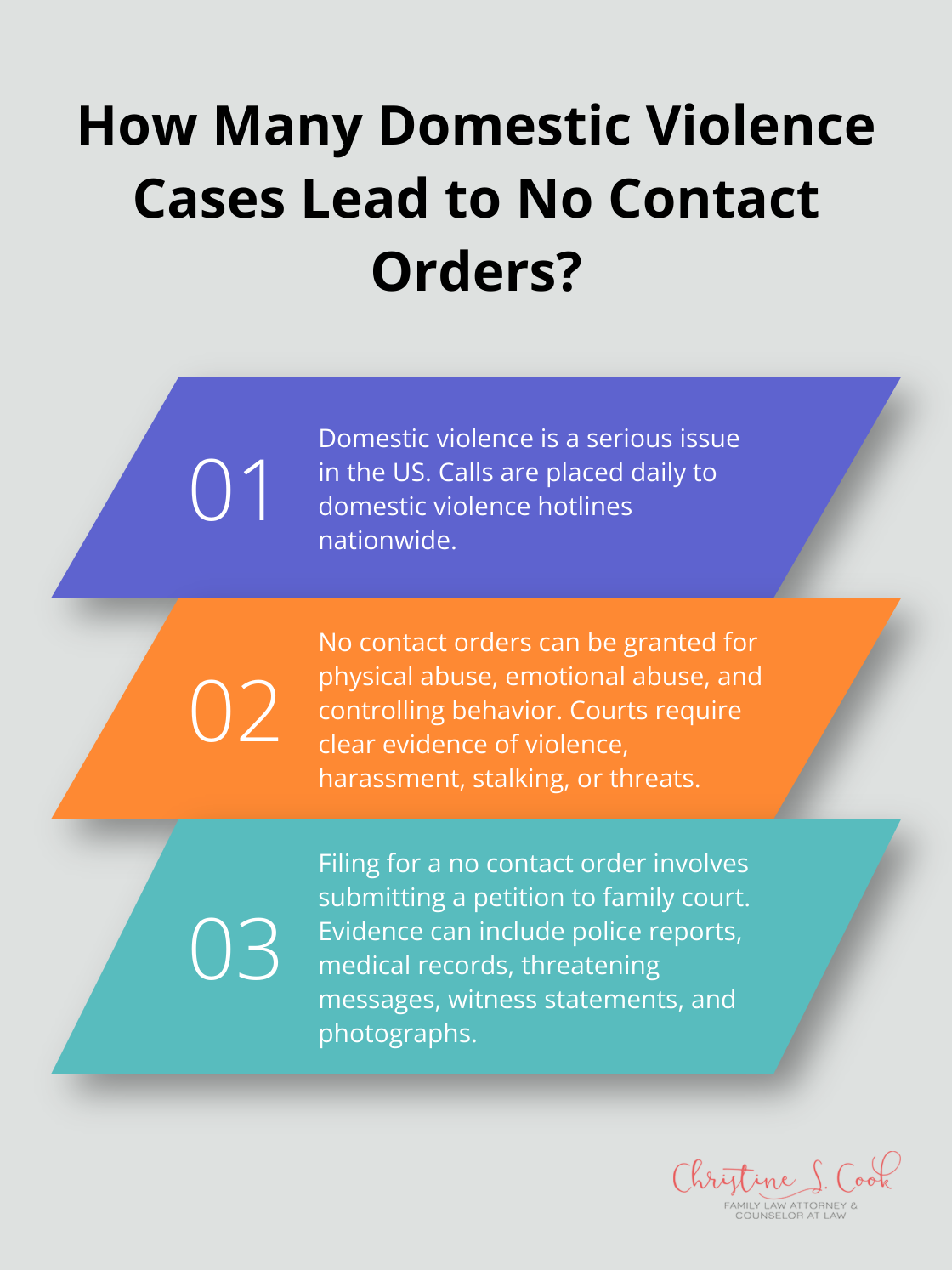
The process of obtaining a no contact order typically begins with a petition filed by the individual seeking protection, often referred to as the petitioner or protected party. This petition details the specific incidents of alleged harassment, abuse, threats, or stalking that have occurred, providing evidence to support the claims. The court then reviews the petition and may issue an emergency or temporary order based on the immediate threat. A formal hearing is usually scheduled, where both parties have the opportunity to present their case. The judge, after considering all evidence and testimony, will decide whether to issue a permanent or long-term no contact order.
Types of No Contact Orders
While the fundamental purpose is consistent, no contact orders can be categorized based on their duration, the nature of the relationship between the parties, and the specific protections afforded.
Domestic Violence Protection Orders
These are among the most common types of no contact orders. They are issued in cases involving current or former spouses, romantic partners, family members, or individuals who have a child in common. The underlying allegations often involve physical abuse, emotional abuse, threats, stalking, or financial coercion within a domestic relationship. The primary goal is to protect victims of domestic violence from further harm by their abuser. These orders can be particularly critical in preventing escalating violence and providing a pathway to safety for individuals trapped in abusive situations.
Civil Harassment Restraining Orders
Civil harassment restraining orders are broader in scope and are typically used to protect individuals from harassment by someone they do not have a domestic or familial relationship with. This can include neighbors, coworkers, acquaintances, or even strangers who are engaging in persistent and unwanted contact, stalking, or threatening behavior. The threshold for granting these orders may differ from domestic violence orders, often requiring a pattern of conduct that serves no legitimate purpose and causes substantial emotional distress. The focus here is on preventing any behavior that creates fear or intimidation in the protected individual.
Workplace Violence Restraining Orders
In some jurisdictions, employers can seek no contact orders on behalf of their employees who are being harassed or threatened by individuals in a work-related context. This could involve disgruntled former employees, aggressive clients, or individuals who are perceived as a threat to the safety of the workplace. These orders aim to ensure a safe and secure working environment for all staff members, preventing disruption and potential harm.
Stalking Protection Orders
Specifically designed to address the serious issue of stalking, these orders target individuals who engage in a course of conduct that causes a reasonable person to feel terrorized, frightened, or harassed. Stalking often involves repeated and unwanted attention, surveillance, and contact that creates a climate of fear. A stalking protection order provides legal recourse to halt such behavior and protect the victim’s sense of safety and freedom.
Key Provisions and Restrictions
The specifics of what a no contact order prohibits can vary, but they generally aim to prevent any form of interaction or proximity.
Prohibited Contact
At its core, a no contact order prohibits the restrained party from directly contacting the protected party. This includes phone calls, text messages, emails, social media messages, and in-person communication. The definition of “contact” is often interpreted broadly to encompass any attempt to communicate, even if no response is received.
Prohibited Proximity
Beyond direct communication, most no contact orders also include provisions prohibiting the restrained party from coming within a specified distance of the protected party. This “stay-away” provision can extend to the protected party’s home, workplace, school, and other frequently visited locations. The distance is typically defined in feet or yards, creating a buffer zone to ensure the protected party’s physical safety.
Third-Party Contact
A crucial aspect of many no contact orders is the prohibition of indirect contact. This means the restrained party cannot ask friends, family members, or colleagues to contact the protected party on their behalf. This prevents circumvention of the order through intermediaries and ensures a complete cessation of communication.
Digital and Online Communication
In the modern age, no contact orders often explicitly address digital and online interactions. This includes prohibiting the use of social media platforms, dating apps, or any other online forums to contact, harass, or surveil the protected party. This recognizes the pervasive nature of online communication and the potential for digital platforms to be used for harmful purposes.
Possession of Firearms
In cases involving domestic violence or significant threats, a no contact order may also include provisions that prohibit the restrained party from owning, possessing, or purchasing firearms. This is a critical safety measure aimed at reducing the risk of lethal violence.
The Process and Implications of a No Contact Order
Navigating the legal system surrounding no contact orders can be a complex and emotionally charged experience. Understanding the procedural steps involved, as well as the profound implications for both the protected and restrained parties, is essential for informed decision-making and adherence to legal obligations.

The issuance of a no contact order is not merely a bureaucratic formality; it carries significant legal weight and has far-reaching consequences for the lives of those involved. For the protected party, it offers a legal shield and a sense of security, empowering them to distance themselves from a source of fear or harm. For the restrained party, it imposes stringent restrictions and can have a profound impact on their personal freedom, reputation, and even their livelihood.
Seeking a No Contact Order: The Petitioner’s Perspective
For the individual seeking protection, the process of obtaining a no contact order can be empowering but also daunting. It requires the petitioner to confront difficult experiences and to formally articulate their fears and the harm they have suffered.
Filing the Petition
The first step involves completing and filing the necessary legal documents with the appropriate court. This typically includes a petition that clearly outlines the reasons for seeking the order, the specific incidents that have occurred, and the desired protections. Gathering evidence, such as police reports, medical records, witness statements, or electronic communications, can significantly strengthen the petition.
Temporary Orders and Hearings
In situations where there is an immediate threat, a judge may issue a temporary no contact order (also known as an ex parte order) without the other party being present. This provides immediate protection while a full hearing is scheduled. The hearing allows both parties to present their evidence and arguments. The petitioner will likely be required to testify about the alleged abuse or harassment.
What Happens After an Order is Granted
If the court grants the no contact order, the restrained party will be officially served with the legal document. The order will clearly outline the specific prohibitions and restrictions. It is crucial for the protected party to understand the terms of the order and to report any violations to law enforcement immediately. The order is a legal document, and its enforcement is taken seriously by the courts and police.
The Impact on the Restrained Party
For the individual against whom a no contact order is issued, the consequences can be severe and multifaceted. Compliance is paramount, as violations can lead to serious legal repercussions.
Legal Ramifications of Violation
Violating a no contact order is a criminal offense. Law enforcement agencies are empowered to arrest individuals suspected of violating these orders. Penalties for violation can include fines, probation, mandatory counseling programs, and jail time. The severity of the penalty often depends on the nature of the violation and the prior history of the restrained party.
Practical and Personal Consequences
Beyond the legal penalties, a no contact order can significantly disrupt the restrained party’s life. It can affect their ability to see their children, their employment opportunities (especially if the protected party is a coworker or in a related field), their housing arrangements, and their social relationships. It is imperative for the restrained party to seek legal counsel to understand their rights and obligations.
Challenging a No Contact Order
Individuals who believe a no contact order has been wrongly issued against them have the right to challenge it. This typically involves attending a court hearing and presenting evidence to demonstrate why the order should be modified or dismissed. Legal representation is highly recommended in such cases, as navigating the legal complexities can be challenging.
Enforcement and Legal Recourse
The effectiveness of a no contact order hinges on its proper enforcement and the availability of legal recourse for both parties involved. Without robust enforcement mechanisms and clear pathways for addressing violations or seeking modifications, these orders would lose their intended protective power.
Law enforcement plays a critical role in ensuring that no contact orders are respected. When a violation is reported, the police have the authority to investigate and, if probable cause exists, to make an arrest. The existence of a no contact order is typically entered into law enforcement databases, making it readily accessible to officers in the field. This ensures that the restrictions are recognized and enforced during routine interactions or when responding to calls.
Reporting Violations
For the protected party, reporting any suspected violation of the no contact order is a crucial step in maintaining their safety and upholding the order. This involves contacting the local police department or sheriff’s office. It is advisable to document all incidents, including the date, time, location, and nature of the violation, as well as any witnesses. Providing this detailed information to law enforcement can greatly assist in their investigation and any subsequent legal proceedings.
Legal Consequences of Non-Compliance
As previously mentioned, non-compliance with a no contact order is a serious matter with significant legal ramifications. The specific charges and penalties can vary by jurisdiction but generally fall under criminal contempt of court or a similar offense. A first-time violation might result in a warning or probation, while repeat offenses or violations involving further harassment or threats can lead to jail time. The court takes these violations very seriously because they undermine the judicial system’s ability to protect individuals.
Seeking Modifications or Dissolution of an Order
While the purpose of a no contact order is to provide lasting protection, circumstances can change. Both the protected party and the restrained party may have reasons to seek modifications or even the eventual dissolution of an existing order.
Modification of Terms
A protected party might wish to modify the terms of an order if, for example, they need to have limited, supervised contact with the restrained party for specific reasons, such as co-parenting arrangements. Conversely, a restrained party might seek modifications if they believe certain restrictions are overly burdensome or no longer necessary, provided they can demonstrate a significant change in circumstances and a commitment to responsible behavior.
Dissolution of the Order
In cases where the threat has completely subsided, and both parties have moved on with their lives, the protected party may petition the court to dissolve the no contact order entirely. This requires a formal legal process where the judge will evaluate whether the need for protection has diminished. The restrained party may also be permitted to petition for dissolution after a significant period of compliance and demonstrable change in behavior. However, it is important to note that the court’s primary concern will always be the safety and well-being of the protected party.
In conclusion, a no contact order is a critical legal instrument designed to safeguard individuals from harm and harassment. It is a complex legal tool with specific procedures for issuance, enforcement, and modification. Understanding its purpose, provisions, and implications is vital for anyone who may encounter such an order, ensuring that legal boundaries are respected and that the intended protection is effectively realized.
aViewFromTheCave is a participant in the Amazon Services LLC Associates Program, an affiliate advertising program designed to provide a means for sites to earn advertising fees by advertising and linking to Amazon.com. Amazon, the Amazon logo, AmazonSupply, and the AmazonSupply logo are trademarks of Amazon.com, Inc. or its affiliates. As an Amazon Associate we earn affiliate commissions from qualifying purchases.