
In an era defined by ubiquitous screens and increasingly sedentary lifestyles, the humble neck has become a battleground for modern maladies. Among the most common and disruptive is the neck spasm – a sudden, involuntary tightening of the neck muscles that can range from a minor annoyance to an acutely painful and debilitating experience. While the underlying physiological mechanisms of a neck spasm remain consistent, the landscape of their triggers, prevention, and management has been profoundly reshaped by technology. This article delves into what constitutes a neck spasm, but critically, it explores this prevalent condition through the lens of technology, examining how our digital habits contribute to its incidence and how innovative tech solutions are emerging to offer prevention, diagnosis, and relief.
Understanding Neck Spasms in the Modern Digital Landscape
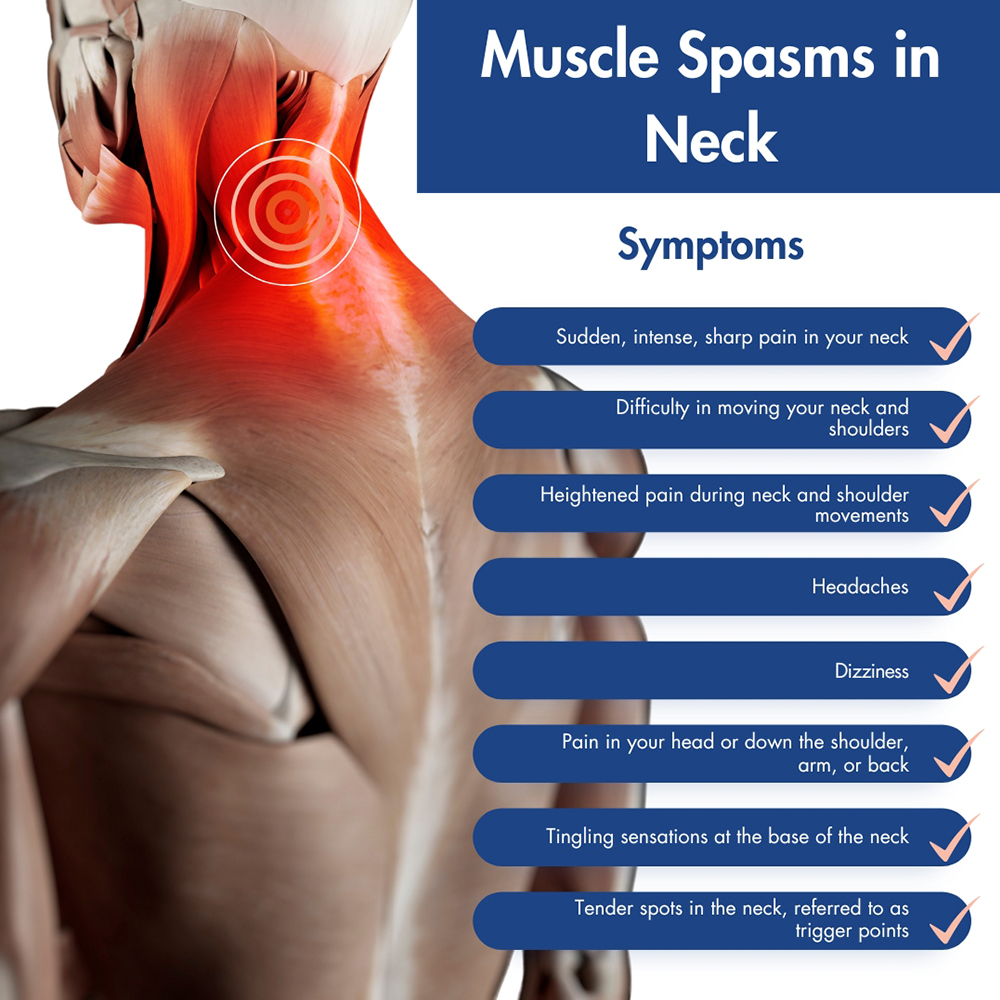
A neck spasm is essentially an involuntary contraction of one or more muscles in the neck, often leading to stiffness, pain, and restricted movement. These contractions can last from a few seconds to several minutes, or even hours, and are frequently accompanied by tenderness and soreness in the affected area. While traditionally attributed to factors like poor posture, stress, injury, or underlying medical conditions, the rise of the digital age has introduced and amplified new dimensions to these causal factors, transforming how we understand and approach this common ailment.
The Anatomy of a Spasm: A Brief Overview with Digital Context
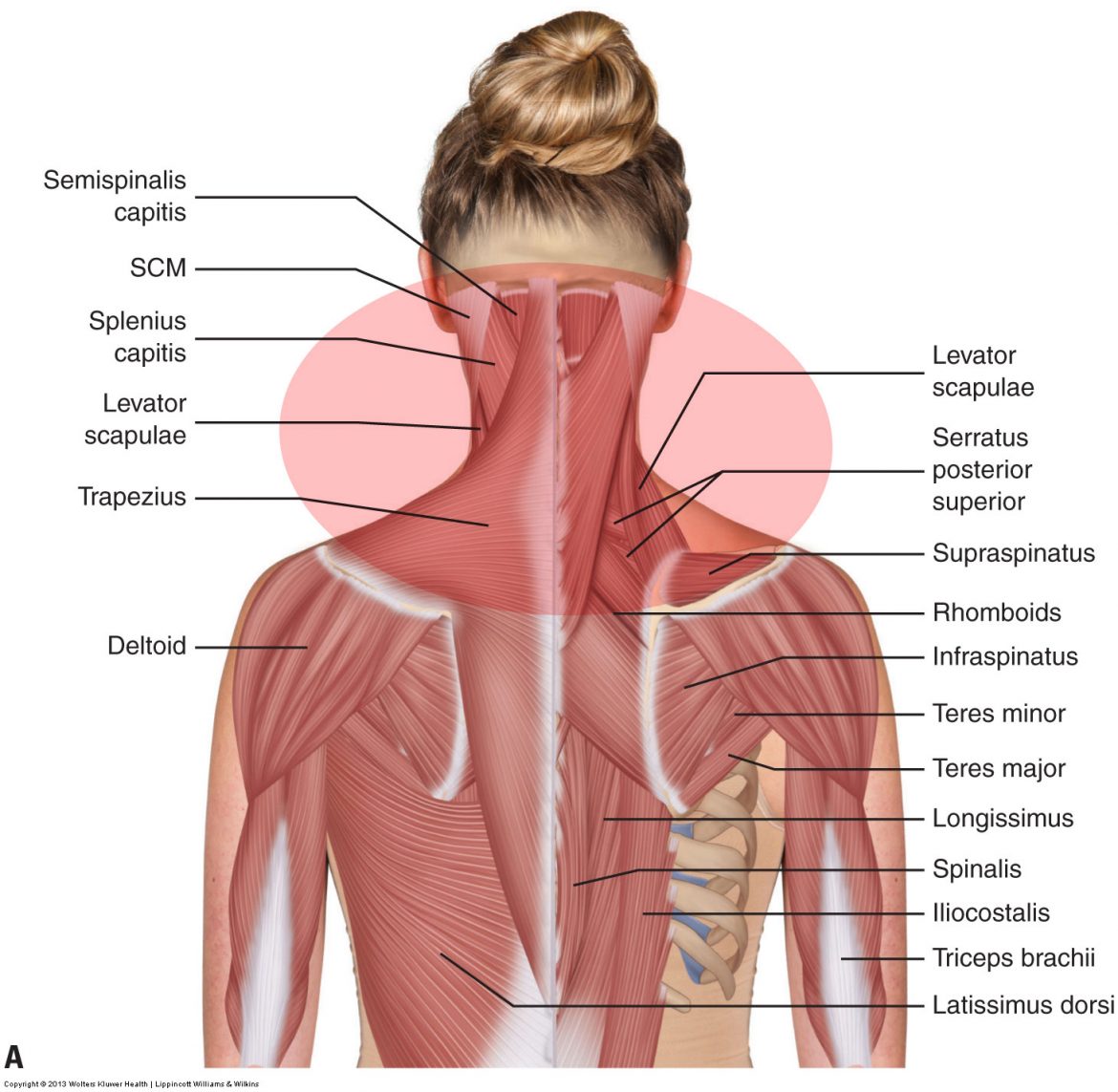
The human neck is a complex structure, supporting the weight and movement of the head, and housing vital nerves and blood vessels. It comprises seven cervical vertebrae (C1-C7), numerous muscles (such as the trapezius, sternocleidomastoid, and levator scapulae), ligaments, and tendons. When these muscles are subjected to excessive strain, repetitive stress, or prolonged static positions, they can become fatigued and irritable, eventually leading to uncontrolled contractions.
In the digital era, this strain is often self-imposed and habitual. Consider the typical stance of someone engrossed in a smartphone or computer screen: head tilted forward, shoulders slumped, eyes fixed downwards. This posture, colloquially known as “tech neck” or “text neck,” places immense stress on the cervical spine and its supporting musculature. For every inch the head tilts forward, the effective weight on the neck muscles can double, leading to chronic tension and, ultimately, a higher propensity for acute spasms. This constant, subtle misuse, facilitated by our digital devices, is a primary modern contributor to neck spasms.
“Tech Neck” and Ergonomic Missteps: The Digital Connection
The phenomenon of “tech neck” is perhaps the most direct link between digital technology and neck spasms. It describes the physical stress on the body, particularly the cervical spine, from staring at screens for extended periods. The forward-head posture commonly adopted when using smartphones, tablets, or even improperly set up desktop monitors creates an imbalance. The neck muscles, designed to hold the head upright, are forced into a constant state of isometric contraction to counteract gravity’s pull on a forward-tilted head. This sustained tension reduces blood flow, causes muscle fatigue, and can lead to inflammation and trigger points, which are prime precursors to spasms.
Beyond individual device use, ergonomic missteps in our digital workspaces further exacerbate the problem. Incorrect monitor height, poorly positioned keyboards and mice, and unsupportive chairs force the body into unnatural positions, demanding constant muscular effort to maintain balance and focus. These often-overlooked environmental factors, pervasive in our tech-driven work and leisure, are silent contributors to the rising incidence of neck spasms.
Sedentary Lifestyles and Screen Time: Amplifying Risk Factors
The digital age has also ushered in an era of unprecedented sedentarism. Hours spent glued to screens – for work, entertainment, or social connection – often mean prolonged periods of inactivity and static postures. This lack of movement reduces circulation, weakens core muscles, and makes the neck muscles more vulnerable to strain and spasms. Physical inactivity contributes to overall muscle stiffness and a diminished capacity for the body to recover from minor stresses, setting the stage for more severe reactions like spasms. Furthermore, the mental strain associated with constant digital connectivity, information overload, and the pressures of online work can elevate stress levels, which are well-known triggers for muscle tension and spasms throughout the body, including the neck.
Leveraging Technology for Prevention and Early Detection
While technology can contribute to the problem, it also offers powerful solutions for preventing neck spasms and detecting early warning signs. A proactive approach, facilitated by smart gadgets and applications, can significantly mitigate risks.
Ergonomic Gadgets and Smart Workstations: Proactive Measures
The market for ergonomic technology designed to optimize workstations and promote better posture has boomed. Adjustable standing desks, for instance, allow users to alternate between sitting and standing, reducing static load on the neck and back. Ergonomic keyboards and mice are designed to promote a neutral wrist and arm position, indirectly reducing tension that can travel up to the shoulders and neck. Monitor arms allow for precise adjustment of screen height and distance, ensuring eye-level viewing and preventing the dreaded “tech neck.” Smart workstations can even integrate sensors that remind users to adjust their posture or take breaks, turning passive furniture into active health coaches.
Wearable Tech: Posture Monitoring and Movement Reminders
Wearable technology has moved beyond fitness tracking to provide real-time feedback on posture and movement patterns. Devices worn on the body, often discreetly attached to clothing or worn as necklaces, contain accelerometers and gyroscopes that detect deviations from ideal posture. When slouching or a forward head posture is detected, these wearables can vibrate, emit an audible alert, or send a notification to a paired smartphone app. This immediate, unobtrusive feedback helps users develop better postural habits throughout the day, effectively retraining their bodies to avoid positions that could lead to neck strain and spasms. Some advanced wearables even offer gamified experiences to encourage consistent posture correction.
AI-Powered Apps for Ergonomic Assessment and Workspace Optimization
Beyond hardware, software applications, particularly those leveraging Artificial Intelligence (AI) and computer vision, are emerging as sophisticated tools for prevention. AI-powered apps can use a device’s camera to analyze a user’s posture during computer use, providing personalized recommendations for adjusting seating, monitor placement, and keyboard position. These apps can identify ergonomic deficiencies that might not be obvious to the untrained eye and offer actionable advice. Some even track usage patterns, suggesting optimal break timings or tailored stretching exercises to counteract the effects of prolonged screen time. This level of personalized, intelligent guidance represents a significant leap from generic ergonomic advice.
Digital Tools and Innovative Therapies for Management and Relief
When neck spasms do occur, technology is increasingly playing a role in their management and relief, offering convenient and accessible solutions that complement traditional medical approaches.
Telehealth and Virtual Consultations: Accessing Expert Care Remotely

The advent of telehealth has revolutionized access to healthcare, particularly for non-emergency conditions like neck spasms. Individuals experiencing persistent neck pain or spasms can now consult with doctors, physiotherapists, or chiropractors remotely via video calls. This eliminates the need for travel, reduces wait times, and makes specialist advice more accessible, especially for those in rural areas or with limited mobility. Through virtual consultations, healthcare professionals can assess symptoms, provide preliminary diagnoses, recommend immediate relief strategies, and guide patients on appropriate exercises or self-care techniques, often preventing the escalation of a minor spasm into a more chronic condition.
Physiotherapy Apps and Guided Exercise Platforms
For ongoing management and rehabilitation, a wealth of digital platforms and apps offer guided physiotherapy exercises. These applications typically feature video demonstrations, customizable workout plans, and progress tracking tools. They can be particularly useful for individuals recovering from an acute spasm or those looking to strengthen their neck and core muscles to prevent future occurrences. Many apps are designed in collaboration with certified physiotherapists and can even integrate with wearable sensors to ensure exercises are performed correctly, maximizing effectiveness and minimizing the risk of further injury. This provides a structured, accessible, and often more engaging way to adhere to rehabilitation protocols.
Biofeedback Devices and Smart Heat/Massage Therapies
Technological innovations also extend to immediate relief and long-term therapeutic interventions. Biofeedback devices, for example, use sensors to monitor physiological responses such as muscle tension, heart rate, or skin temperature. Users learn to consciously control these involuntary responses by observing real-time feedback on a screen. For neck spasms, this means learning to relax tense neck muscles through guided exercises, a skill that can be invaluable in managing and preventing spasms.
Furthermore, smart heat and massage devices provide targeted relief. From intelligent heating pads with precise temperature controls and timers to percussive massage guns with variable speeds and interchangeable heads, these gadgets offer professional-grade therapy at home. Some even integrate with apps to provide personalized massage routines based on symptom profiles, leveraging vibration patterns and heat application to improve circulation, relax muscles, and alleviate pain associated with spasms.
The Future of Neck Spasm Management: Emerging Technologies
The landscape of neck spasm management is continuously evolving, with cutting-edge technologies promising even more sophisticated and personalized solutions in the near future.
AI Diagnostics and Predictive Analytics
Artificial intelligence is poised to transform diagnostics and predictive analysis for musculoskeletal conditions. Beyond basic posture analysis, advanced AI systems could analyze vast datasets, including user habits, genetic predispositions, environmental factors, and medical history, to predict an individual’s likelihood of experiencing neck spasms. Machine learning algorithms could identify subtle patterns in posture, movement, and even stress levels that precede a spasm, allowing for highly personalized preventative interventions. Imagine an AI assistant that learns your daily routine and proactively suggests posture corrections or micro-breaks before you even feel discomfort.
Virtual Reality for Rehabilitation and Pain Management
Virtual Reality (VR) is emerging as a powerful tool for rehabilitation and pain management. For neck spasms, VR environments could provide engaging, gamified exercises that guide users through therapeutic movements without the perceived tedium of traditional physical therapy. It can create immersive, distracting experiences that help patients manage pain by shifting their focus, a technique already being explored for chronic pain conditions. Future VR applications could simulate ergonomic workspaces, allowing users to practice ideal postures and movements in a controlled, interactive setting before applying them to their real-world environments.
Advanced Materials in Ergonomic Design
Innovations in material science will continue to push the boundaries of ergonomic design. Self-adjusting chairs that intuitively adapt to a user’s body and movement, smart fabrics that monitor muscle tension and provide therapeutic support, and lightweight, ultra-supportive neck braces made from responsive polymers are all on the horizon. These advanced materials will lead to ergonomic solutions that are not only more effective but also more comfortable, aesthetically pleasing, and seamlessly integrated into our daily lives.
Navigating the Digital Health Landscape: Best Practices and Considerations
While technology offers immense promise, it’s crucial to approach digital health solutions for neck spasms with discernment and a balanced perspective.
Choosing Reliable Tech Solutions
The market is flooded with digital health tools, but not all are created equal. When selecting apps, wearables, or ergonomic gadgets, prioritize those developed with input from medical professionals, backed by scientific research, and offering transparent data privacy policies. Read reviews, check certifications, and opt for solutions from reputable companies. A sophisticated appearance does not always equate to clinical effectiveness.
Balancing Digital Aids with Traditional Care
Technology should augment, not replace, professional medical advice. If you experience chronic or severe neck spasms, consult a doctor, physical therapist, or chiropractor. Digital tools are excellent for prevention, self-management, and adherence to prescribed therapies, but they cannot diagnose complex conditions or provide the nuanced, individualized treatment that a human expert can. Use technology as a supportive ecosystem around your professional healthcare plan.
The Importance of User Data and Privacy
Many health-related apps and devices collect personal data, including movement patterns, posture data, and even pain levels. Before adopting any tech solution, understand its data collection practices, how your information will be used, and its privacy safeguards. Ensure that your health data is protected and that you are comfortable with the terms of service. Trustworthy platforms will be transparent about their data handling and offer robust security measures.
In conclusion, neck spasms, while a timeless human ailment, have found new resonance in our digitally tethered lives. Understanding “what is a neck spasm” today inherently involves recognizing the profound influence of technology – both as a source of common triggers like “tech neck” and sedentary habits, and as a burgeoning frontier for innovative prevention, diagnosis, and relief. By intelligently integrating ergonomic tech, smart wearables, AI-powered apps, and telehealth into our routines, we can not only mitigate the risks but also actively manage and even transcend the limitations imposed by this common, yet often underestimated, condition. The future of neck health is inextricably linked with the thoughtful and strategic application of technology.
aViewFromTheCave is a participant in the Amazon Services LLC Associates Program, an affiliate advertising program designed to provide a means for sites to earn advertising fees by advertising and linking to Amazon.com. Amazon, the Amazon logo, AmazonSupply, and the AmazonSupply logo are trademarks of Amazon.com, Inc. or its affiliates. As an Amazon Associate we earn affiliate commissions from qualifying purchases.