
The concept of a national sales tax is a recurring topic in discussions about tax reform and government revenue. Unlike the sales taxes many are familiar with at the state or local level, a national sales tax would be a broad-based consumption tax levied on a nationwide scale, impacting virtually every purchase made by consumers. Understanding its potential implications requires looking beyond its definition to explore how it functions, its proposed benefits, and the significant criticisms it faces, all within the context of how it might interact with the broader landscape of technology, branding, and personal finance.
How a National Sales Tax Works: A Foundation for Understanding
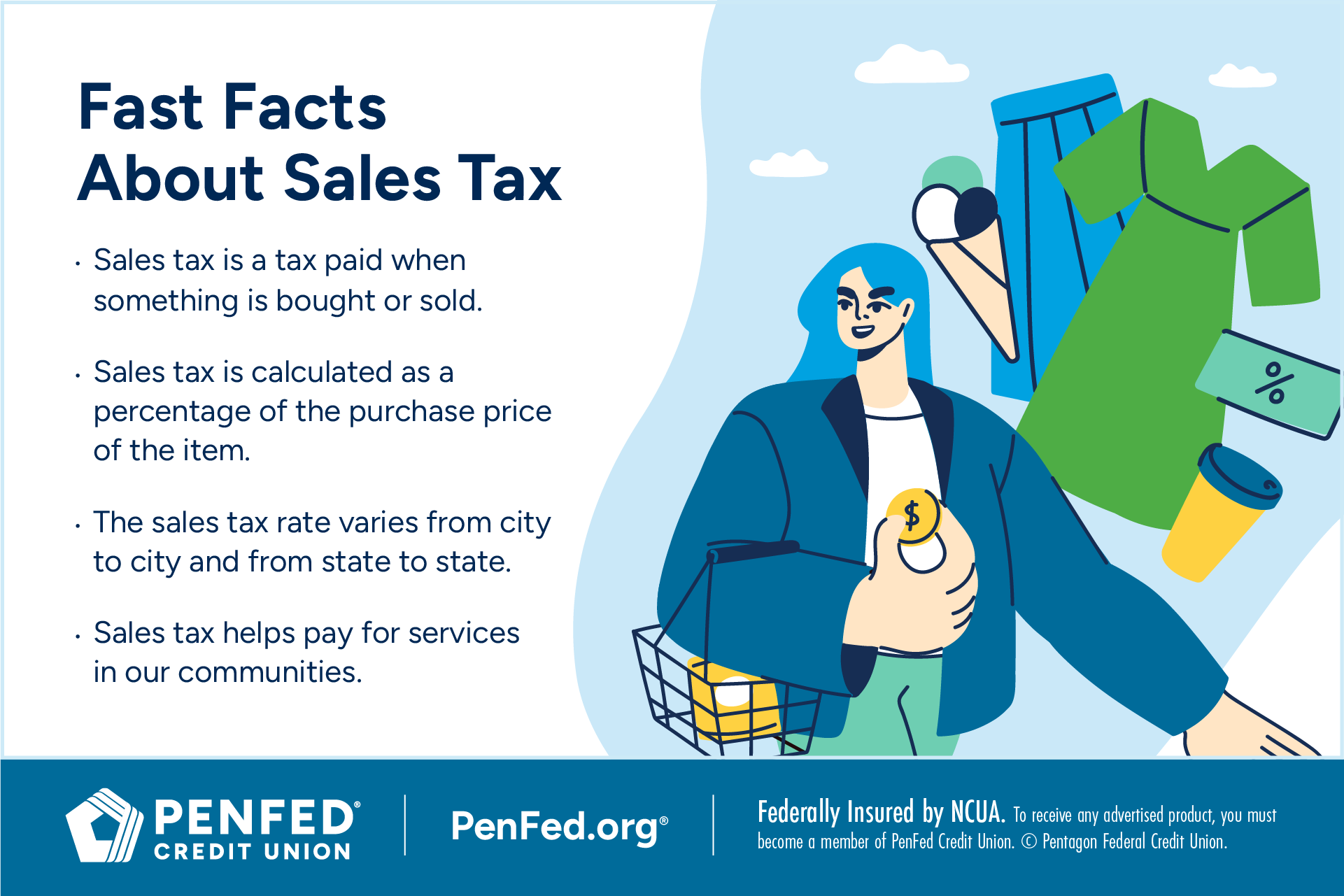
At its core, a national sales tax is a tax on the sale of goods and services. The fundamental mechanism involves adding a percentage to the price of items at the point of sale. This revenue would then flow directly to the federal government, potentially replacing or supplementing existing federal tax streams like income taxes. The exact structure of a national sales tax can vary in proposed models. Some advocate for a “destination-based cash flow tax” (DBCFT), which would tax consumption within a country and exempt exports, while taxing imports. Others propose a simpler, more direct national retail sales tax (NRST) applied to the final retail price of goods and services.
The Mechanics of Collection and Implementation
The practical implementation of a national sales tax presents significant logistical challenges. Unlike income tax, which is typically withheld by employers, a sales tax requires collection at the point of transaction. This means businesses would become de facto tax collectors, responsible for accurately calculating, adding, and remitting the tax to the government. This process necessitates robust reporting and auditing mechanisms to prevent evasion.
The rate of a national sales tax is a critical factor. Proponents often suggest rates that, on paper, appear substantial – perhaps in the double digits. However, the actual rate required depends heavily on the scope of goods and services taxed and the revenue targets of the government. If a national sales tax were to replace all federal income taxes, for example, the rate would need to be considerably higher than a rate designed to simply supplement existing revenue.
Furthermore, the question of what constitutes a taxable good or service is paramount. While most agree on tangible goods, the inclusion of services is often debated. Services, by their nature, are intangible, making their taxation more complex. Would haircuts, legal advice, or consulting fees be subject to the tax? The broader the scope, the more revenue generated, but also the more pervasive the tax’s impact on daily life and business operations.
Potential Models: From Retail to Broader Consumption Taxes
Different theoretical models of a national sales tax exist, each with unique characteristics:
-
National Retail Sales Tax (NRST): This is perhaps the most straightforward model, envisioning a tax applied at the final point of sale to consumers. It would be levied on the retail price of goods and services. The simplicity lies in its direct application to the consumer, but it can be administratively challenging to enforce universally.
-
Destination-Based Cash Flow Tax (DBCFT): This model is more complex, often discussed in international trade contexts. It taxes consumption within a country, meaning that goods and services consumed domestically are taxed, while exports are not. Imports, conversely, would be taxed. The aim is to level the playing field for domestic businesses competing internationally. This model has significant implications for how businesses operate and price their products for domestic and international markets.
-
Value-Added Tax (VAT): While not strictly a “sales tax” in the same vein as an NRST, a Value-Added Tax (VAT) is a form of consumption tax that is collected at each stage of production and distribution. Businesses collect VAT on their sales and can deduct the VAT they paid on their own purchases. The final consumer ultimately bears the burden of the VAT, as it’s incorporated into the price of goods and services. Many countries globally utilize a VAT system, and it’s sometimes proposed as an alternative or complement to a direct national sales tax.
The choice of model profoundly influences its economic effects, administrative feasibility, and fairness.
The Allure of a National Sales Tax: Potential Benefits and Economic Shifts
Proponents of a national sales tax often highlight several key potential benefits, particularly in terms of economic efficiency and simplification. The primary argument revolves around shifting the tax burden from income and investments to consumption.
Stimulating Savings and Investment: A New Financial Paradigm
One of the most frequently cited advantages is the potential to incentivize savings and investment. Under a traditional income tax system, individuals and businesses are taxed on their earnings, including those saved or invested. This can create a disincentive to accumulate wealth. A national sales tax, conversely, taxes spending. This means that money saved or invested is not taxed until it is eventually spent. This distinction could theoretically encourage greater personal savings and business investment, leading to potential economic growth and increased capital formation.
From a Money perspective, this shift could be transformative. Individuals might be more inclined to put money into savings accounts, investment portfolios, or retirement funds, knowing that those funds won’t be subject to annual taxation until they are withdrawn for consumption. Businesses might find it more attractive to reinvest profits into expansion, research and development, or new equipment, as these reinvestments wouldn’t be taxed as current income. This could fuel innovation and job creation.
Simplification and Efficiency: A Streamlined Tax System?
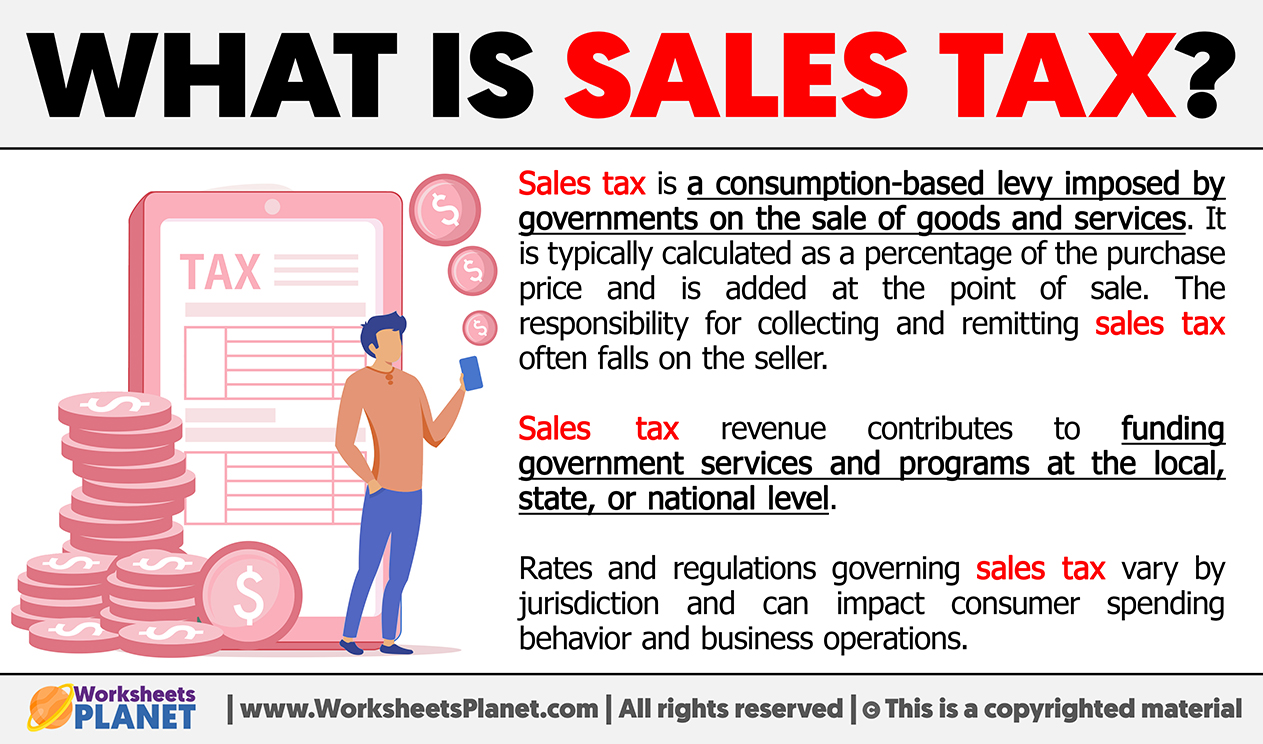
Another significant draw is the promise of tax simplification. Advocates argue that a national sales tax could replace the complex labyrinth of the current federal income tax system, with its myriad deductions, credits, and loopholes. This would, in theory, reduce compliance burdens for individuals and businesses. The time and resources currently spent on tax preparation and planning could be redirected to more productive economic activities.
The Tech industry, in particular, could see shifts in how it approaches financial management and compliance. While the initial implementation of a sales tax system would require significant technological infrastructure, the ongoing maintenance and compliance might be simpler than navigating the intricacies of current tax codes. Software solutions for sales tax calculation and remittance are already prevalent, and these could be further integrated and standardized under a national system. However, the scale of a national implementation would be orders of magnitude greater, requiring sophisticated platforms for real-time data processing and verification.
Enhancing International Competitiveness: A Global Playing Field?
For businesses engaged in international trade, a national sales tax, particularly a destination-based variant, is often championed for its potential to enhance competitiveness. By taxing consumption within the country and exempting exports, a national sales tax could make a nation’s products cheaper for foreign buyers. Conversely, imports would be taxed upon entering the country, effectively rebalancing the cost of goods. This could lead to an increase in exports and a decrease in imports, potentially improving a nation’s trade balance.
This aspect connects directly to Brand strategy. Companies that are primarily exporters might find their products more appealing on the global market due to a reduced price point. This could lead to shifts in marketing and branding efforts to capitalize on this newfound price advantage. Conversely, domestic businesses reliant on imported components might face higher costs, necessitating adjustments to their pricing and branding to maintain market share.
Criticisms and Challenges: The Downsides of a Broad Consumption Tax
Despite its potential advantages, a national sales tax faces substantial criticism and presents significant implementation hurdles. The primary concerns revolve around fairness, economic impact on lower-income individuals, and the administrative complexities of such a sweeping reform.
The Regressive Nature: Burdening the Less Fortunate
Perhaps the most potent criticism of a national sales tax is its perceived regressive nature. This means that the tax would disproportionately affect lower-income households. Individuals with lower incomes tend to spend a larger percentage of their income on essential goods and services. Therefore, a sales tax, which is levied on spending, would consume a greater portion of their overall income compared to higher-income individuals who can save or invest a larger share of their earnings.
This is a critical issue for the Money aspect of personal finance. A regressive tax could exacerbate income inequality. While proponents might suggest offsetting measures, such as a direct rebate or a “prebate” system (where individuals receive the tax back before making purchases), the effectiveness and political feasibility of such mechanisms are often debated. Without robust compensatory measures, a national sales tax could place an undue financial burden on those least able to afford it.
Economic Disruption and Inflationary Pressures
Implementing a broad-based national sales tax would undoubtedly cause significant economic disruption. Consumers would face higher prices on a vast array of goods and services, potentially leading to reduced consumer spending in the short to medium term. Businesses would have to adapt their pricing strategies, inventory management, and financial planning.
There is also a concern about inflationary pressures. If the tax is introduced with a high rate, or if businesses pass on more than the exact amount of the tax to consumers, it could lead to a general increase in the price level. This could erode purchasing power and necessitate adjustments in wages and other forms of income to keep pace. The Tech sector, for instance, might see increased demand for more affordable gadget alternatives or a slowdown in discretionary spending on new software and devices if overall consumer purchasing power is diminished.
Administrative Hurdles and Enforcement Challenges
While proponents tout simplification, the reality of implementing and enforcing a national sales tax is far from simple. Businesses would need sophisticated systems to track sales, calculate taxes, and remit payments accurately. The sheer volume of transactions across the nation presents an enormous administrative undertaking for the government.
From a Brand perspective, businesses would need to carefully manage how they communicate price changes to consumers, especially if the tax rate is perceived as high. Transparency would be crucial to avoid alienating customers. Furthermore, the potential for tax evasion, especially among smaller, informal businesses, would require robust enforcement mechanisms, which themselves are costly to establish and maintain. The digital economy also presents unique challenges; how would digital goods and services, cross-border e-commerce, and subscription models be effectively taxed and monitored? This requires advanced technological solutions and clear regulatory frameworks.
The “Tax Rate Illusion” and Revenue Uncertainty
The actual tax rate required for a national sales tax to be revenue-neutral, meaning it generates the same amount of revenue as the system it replaces, is often underestimated. If a national sales tax were intended to replace all federal income taxes, the rate would need to be significantly higher than what most people initially imagine. This “tax rate illusion” can lead to unrealistic expectations about the potential impact on consumer prices.
Furthermore, forecasting the revenue generated by a national sales tax can be uncertain. Economic downturns can lead to reduced consumer spending, thereby lowering tax revenues. This makes it challenging for governments to rely solely on a consumption tax for stable, predictable revenue streams, especially if it replaces more diversified income and corporate tax bases.
In conclusion, a national sales tax is a complex economic policy with the potential for both significant benefits and considerable drawbacks. Its success hinges on careful design, robust implementation, and a thorough consideration of its impact on different segments of society and the economy. Whether it represents a viable path toward tax reform or a problematic shift in the financial landscape remains a subject of ongoing debate and analysis.
aViewFromTheCave is a participant in the Amazon Services LLC Associates Program, an affiliate advertising program designed to provide a means for sites to earn advertising fees by advertising and linking to Amazon.com. Amazon, the Amazon logo, AmazonSupply, and the AmazonSupply logo are trademarks of Amazon.com, Inc. or its affiliates. As an Amazon Associate we earn affiliate commissions from qualifying purchases.