
The term “narcissist” has permeated popular culture, often used casually to describe someone who is self-centered or arrogant. However, the reality of narcissism is far more nuanced and can have profound implications across various aspects of life, from personal relationships to professional interactions and even how we engage with technology and build our brands. This article aims to demystify what a narcissist is, exploring the core characteristics, the impact of these traits in the modern world, and how individuals might navigate their own financial and professional landscapes when encountering such personalities.
Understanding the Core of Narcissistic Traits
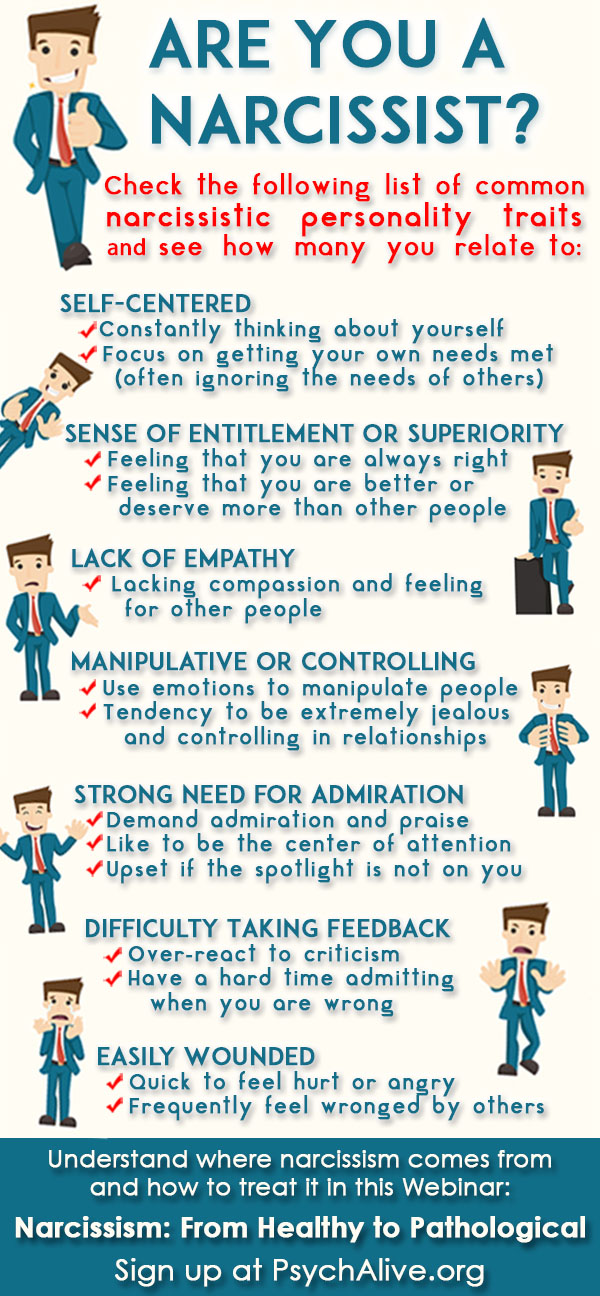
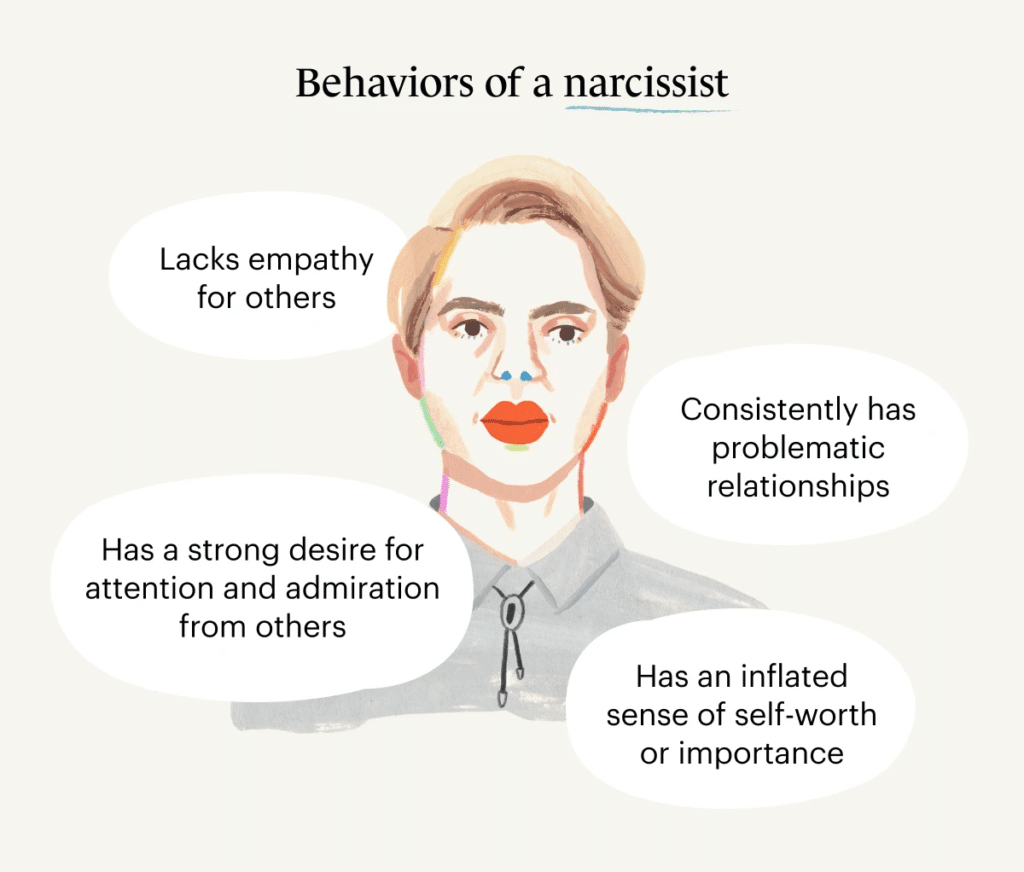
At its heart, narcissism is a personality disorder characterized by an inflated sense of self-importance, a deep need for excessive attention and admiration, troubled relationships, and a lack of empathy for others. While not everyone who exhibits some narcissistic traits has Narcissistic Personality Disorder (NPD), understanding these core characteristics is crucial for recognizing and managing interactions.
Grandiosity and a Sense of Entitlement
One of the most prominent features of narcissism is grandiosity. This is not simply confidence; it’s an exaggerated belief in one’s own superiority, talents, and importance, often without commensurate achievements. Narcissists may feel they are special and unique, deserving of special treatment and association only with other high-status people or institutions. This can manifest as an unwavering sense of entitlement, where they expect favorable treatment and automatic compliance with their expectations, often without considering the needs or perspectives of others.
For instance, in a professional setting, this might translate to a belief that they deserve promotions or special projects based on their perceived brilliance rather than demonstrated performance. In personal relationships, it can lead to demands for constant validation and a disregard for a partner’s or friend’s feelings.
The Need for Admiration and Attention
Narcissists thrive on admiration. They have an insatiable hunger for attention and praise, constantly seeking external validation to bolster their fragile self-esteem, which often masks underlying insecurities. This can lead them to dominate conversations, seek the spotlight, and engage in behaviors designed to garner admiration, even if those behaviors are manipulative or attention-seeking in a negative way.
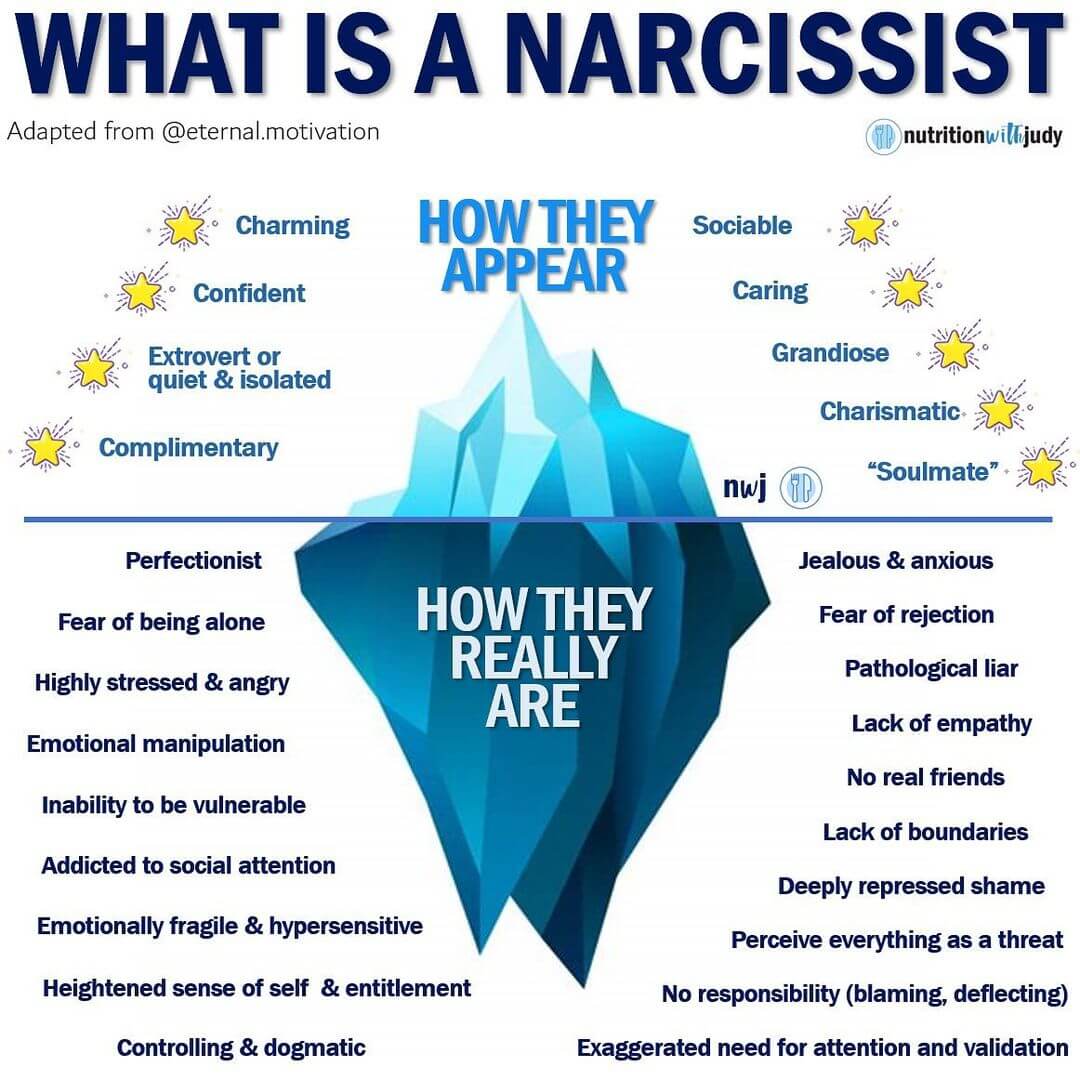
In the context of technology and social media, this trait can be particularly amplified. The curated realities of platforms like Instagram, LinkedIn, and TikTok offer fertile ground for narcissists to present an idealized version of themselves, seeking likes, followers, and comments as a constant stream of admiration. Their digital footprint might be meticulously crafted to project an image of success, glamour, or intellectual prowess, regardless of the underlying reality.
Lack of Empathy and Exploitative Behavior
A hallmark of narcissism is a profound lack of empathy. Narcissists struggle to recognize or identify with the feelings and needs of others. This deficit allows them to engage in exploitative behavior, using others to achieve their own ends without remorse. They may lie, manipulate, or take advantage of people, viewing them as tools or stepping stones rather than individuals with their own emotional lives and boundaries.
In business, this can manifest as a ruthless pursuit of profit, where employees or customers are treated as expendable resources. In personal life, it can lead to a trail of broken relationships, as partners and friends feel used, devalued, and emotionally neglected.
Arrogance, Haughtiness, and Envy
Narcissistic individuals often display arrogance and haughtiness, treating others with disdain or contempt. They may belittle those they perceive as inferior, further reinforcing their sense of superiority. Paradoxically, despite their outward confidence, narcissists can also be prone to envy. They may envy the successes of others, believing that they themselves deserve such recognition more. This envy can fuel their competitiveness and sometimes their resentment.
Narcissistic Traits in the Tech and Brand Landscape
The digital age, with its emphasis on personal branding, constant connectivity, and the pursuit of online influence, has created an environment where narcissistic traits can both flourish and be more easily identified.
The Digital Stage: Personal Branding and Online Presence
Personal branding has become a cornerstone of professional success in the 21st century. For individuals with narcissistic tendencies, the online world offers an unparalleled stage to cultivate and project an image of success, expertise, and influence. Their social media profiles, professional networking sites, and personal websites can become meticulously curated galleries of achievement, accolades, and aspirational lifestyle.
This can involve:
- Hyperbolic Self-Promotion: Exaggerated claims of success, skills, and impact, often presented without verifiable evidence.
- Curated Content: Sharing only posts that highlight achievements, positive feedback, or aspirational aspects of their lives, while omitting any struggles or failures.
- Engagement Manipulation: Strategically engaging with popular influencers or trending topics to gain visibility and associate themselves with success.
- Demand for Recognition: Expecting followers, likes, and comments as a given, and reacting negatively to perceived slights or lack of attention.
While effective personal branding is crucial, the line between confident self-promotion and narcissistic grandiosity can become blurred when the focus is solely on external validation and an inflated self-image.
AI Tools and the Narcissist’s Edge
The rapid advancements in AI tools present both opportunities and potential pitfalls when interacting with individuals who exhibit narcissistic traits. AI can be used by narcissists to enhance their image and productivity, but it can also be a tool for understanding and mitigating their impact.
- AI-Powered Content Creation: Narcissists might leverage AI writing assistants to generate polished, authoritative-sounding content for their blogs or social media, amplifying their perceived expertise without necessarily possessing it deeply. AI can help them craft sophisticated marketing messages or persuasive arguments that appear well-researched and compelling.
- Data Analysis for Personal Gain: Advanced analytics tools could be used to identify trends, popular topics, and influential individuals to strategically insert themselves into conversations and gain attention. They might use AI to analyze engagement metrics on their own platforms, seeking to understand what garnishes the most admiration.
- Digital Security and Vulnerability: Ironically, the focus on projecting an invincible image might also make narcissists more vulnerable to certain digital security risks. They might overshare information in an attempt to showcase their “exclusive” knowledge or access, inadvertently creating security gaps. Conversely, individuals interacting with them might need to be more vigilant about digital security, as narcissists may disregard ethical boundaries in their pursuit of information or advantage.
Navigating the Financial and Professional Landscape
The impact of narcissistic traits extends significantly into the realms of money and professional advancement. Understanding these dynamics can help individuals protect their financial well-being and career trajectory.
Personal Finance and Investment Pitfalls
For individuals with narcissistic tendencies, money often represents power, status, and a means to acquire admiration. This can lead to distinct financial behaviors and potential pitfalls for themselves and those around them.
- Risk-Taking and Overconfidence: An inflated sense of self and a belief in their own superior judgment can lead to excessive risk-taking in investments. They may dismiss cautionary advice, believing they have a unique insight that others lack, leading to significant financial losses.
- Impulsive Spending for Status: Narcissists may engage in conspicuous consumption, purchasing luxury goods or investing in ventures primarily to impress others and project an image of wealth and success, regardless of their actual financial stability. This can lead to debt and financial strain.
- Exploitative Financial Practices: In business contexts, a lack of empathy can manifest as unethical or exploitative financial practices. This could involve misleading investors, underpaying employees, or engaging in predatory lending, all driven by a singular focus on personal gain.
Corporate Identity and Reputation Management
In the corporate world, a leader or a significant stakeholder with narcissistic traits can profoundly shape a company’s identity and reputation.
- Brand as an Extension of the Self: The corporate brand might become an extension of the leader’s inflated ego. This can lead to grandiose marketing campaigns, an unwillingness to acknowledge shortcomings, and a focus on projecting an image of perfection, even if it’s not grounded in reality.
- Suppression of Dissent: In an environment where dissent is not tolerated, innovative ideas can be stifled. Employees might fear speaking up about potential problems or offering constructive criticism, fearing retribution or belittlement from a narcissistic leader. This can lead to significant reputation damage when issues inevitably arise.
- Ethical Lapses and Crisis Management: When a crisis occurs, leaders with narcissistic traits may struggle to take responsibility. They might blame others, deny the problem, or engage in aggressive damage control that further exacerbates the situation and erodes public trust. A strong emphasis on the company’s “unblemished” reputation can lead to a reactive rather than proactive approach to ethical conduct.
Conclusion: Awareness and Healthy Boundaries
Understanding “what is a narcissist” goes beyond a simple label. It involves recognizing a constellation of traits that can significantly impact relationships, careers, and financial decisions in our increasingly digital and brand-conscious world. While the label of Narcissistic Personality Disorder is a clinical diagnosis, identifying and understanding narcissistic tendencies in everyday interactions is a valuable skill.
For those who frequently encounter individuals exhibiting these traits, fostering self-awareness, setting firm boundaries, and seeking support from trusted friends, family, or professionals are crucial. In the realm of technology and branding, it means critically evaluating the information and presentations encountered, differentiating between genuine expertise and performative self-promotion. By cultivating a discerning eye and maintaining personal integrity, individuals can navigate the complexities of narcissistic personalities and safeguard their own well-being and success.
aViewFromTheCave is a participant in the Amazon Services LLC Associates Program, an affiliate advertising program designed to provide a means for sites to earn advertising fees by advertising and linking to Amazon.com. Amazon, the Amazon logo, AmazonSupply, and the AmazonSupply logo are trademarks of Amazon.com, Inc. or its affiliates. As an Amazon Associate we earn affiliate commissions from qualifying purchases.