
The intersection of health, psychology, and artistic expression has birthed a specialized professional field that is increasingly recognized for its profound clinical impact: music therapy. While many people associate music with entertainment or personal relaxation, a board-certified music therapist operates within a rigorous evidence-based framework to achieve non-musical goals. For those exploring career paths or seeking a deeper understanding of therapeutic modalities, it is essential to distinguish between a musician who plays for others and a therapist who utilizes sound as a clinical tool.
The Clinical Framework of Music Therapy
Music therapy is not merely the act of performing music in a hospital or community setting. It is the clinical and evidence-based use of music interventions to accomplish individualized goals within a therapeutic relationship. These goals are established by a credentialed professional who has completed an approved music therapy program.
The Educational and Credentialing Path
To become a music therapist, one must hold at least a bachelor’s degree in music therapy from an American Music Therapy Association (AMTA) approved program. The curriculum is interdisciplinary, covering music theory, psychology, biology, and clinical improvisational techniques. Following academic study, the candidate must complete a supervised clinical internship—typically lasting 1,200 hours—and pass the national board certification examination to earn the credential of Music Therapist-Board Certified (MT-BC).
Evidence-Based Practice vs. Recreational Music
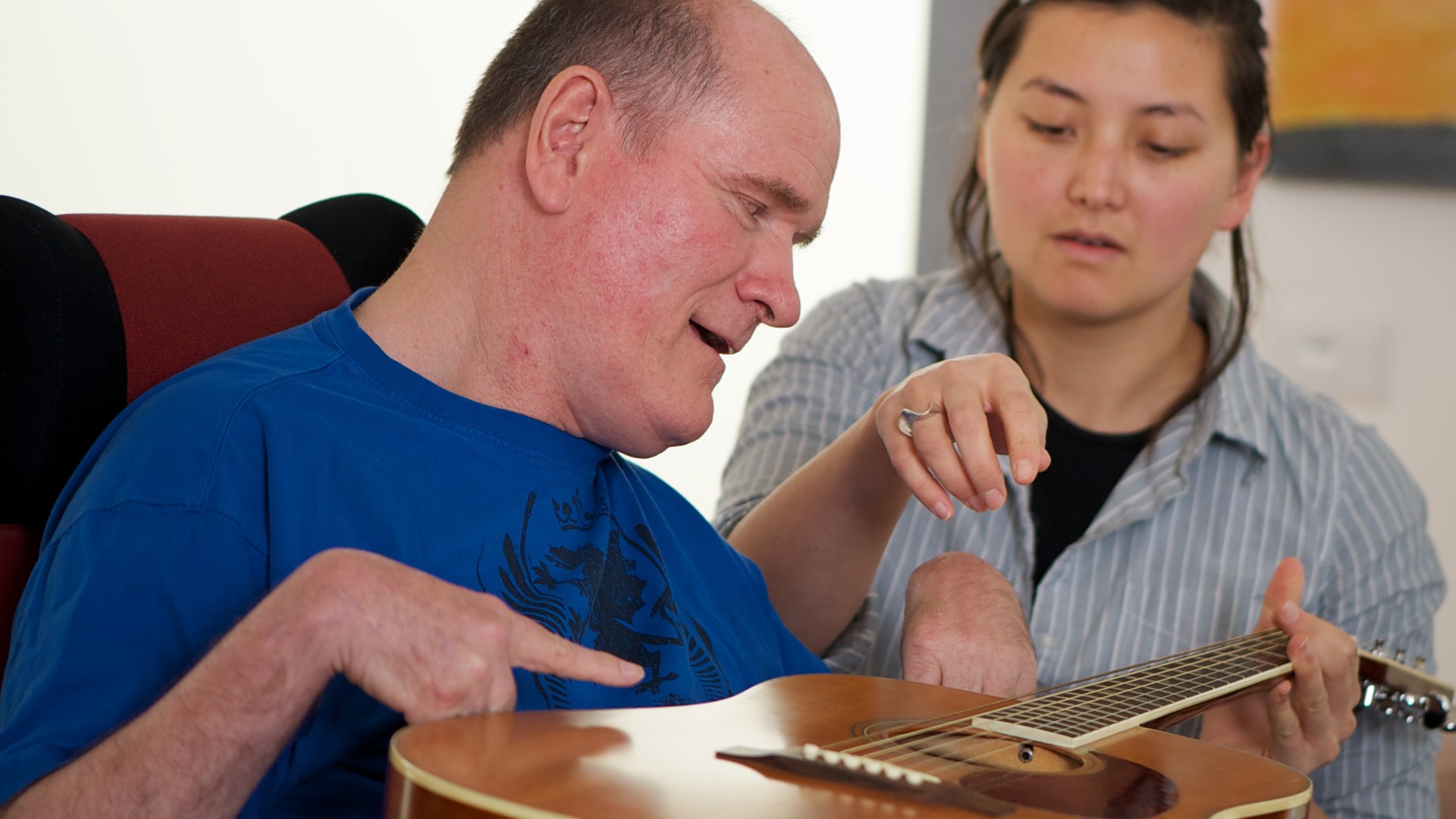
A defining characteristic of a music therapist is the intentionality of the intervention. While a volunteer playing guitar in a nursing home lounge may provide enjoyment, a music therapist assesses the physiological and psychological needs of the patient before selecting the specific tempo, key, or rhythmic structure of a piece. They monitor the patient’s response in real-time, adjusting the intervention based on clinical observations. This data-driven approach allows music therapists to track progress toward cognitive, motor, emotional, and social objectives.
Core Modalities and Therapeutic Techniques
Music therapists utilize a variety of techniques that engage both the client’s cognitive faculties and their emotional centers. These interventions are highly adaptable, making the profession effective across a wide spectrum of patient populations, from neonatal intensive care units to geriatric facilities.
Active vs. Receptive Methods
Active music therapy involves the client in the creation of music. This might include structured songwriting to process trauma, improvisation on percussion instruments to express non-verbal frustration, or group drumming to improve motor coordination. Receptive methods, by contrast, focus on the patient as a listener. Through guided imagery, music-assisted relaxation, or structured listening protocols, the therapist helps the patient regulate their nervous system, manage pain, or address sensory processing deficits.
Neurologic Music Therapy (NMT)
A rapidly growing specialization within the field is Neurologic Music Therapy. This approach focuses specifically on the brain and its response to musical stimuli. NMT is widely used in stroke rehabilitation, Parkinson’s disease management, and traumatic brain injury recovery. By utilizing techniques such as Rhythmic Auditory Stimulation (RAS), therapists can help patients regain gait symmetry and mobility. The consistent pulse of a metronomic beat can “re-wire” the brain’s motor cortex, bypassing damaged pathways to initiate movement.

Clinical Settings and Target Populations
The versatility of music therapy stems from its ability to bridge the gap between traditional medicine and holistic wellness. Because music engages virtually every area of the brain simultaneously, it provides a unique gateway for intervention in populations that may be resistant to verbal therapy.
Pediatrics and Neonatal Care
In the Neonatal Intensive Care Unit (NICU), music therapists use gentle, live singing and rhythmic entrainment to stabilize vital signs in premature infants. By regulating the environment with controlled sound, they can lower heart rates and improve oxygen saturation levels. In pediatric settings, music therapy acts as a critical tool for medical play, helping children cope with the anxiety of surgical procedures and the long-term emotional strain of chronic illness.
Mental Health and Trauma Recovery
For individuals navigating severe anxiety, depression, or Post-Traumatic Stress Disorder (PTSD), music therapy offers a safe container for emotional exploration. Often, trauma is stored in the non-verbal regions of the brain, making it difficult to access through traditional “talk therapy.” Music provides an alternative language. By improvising, a client can externalize intense emotions that lack a verbal lexicon, allowing them to gain mastery and control over their emotional narrative in a non-threatening way.
Geriatric Care and Dementia
The impact of music therapy on dementia and Alzheimer’s disease is perhaps one of its most documented success stories. Research consistently shows that musical memory is one of the last functions to decline in the human brain. Music therapists utilize “reminiscence therapy”—using music from the patient’s formative years—to decrease agitation, improve mood, and facilitate communication in patients who have become largely non-verbal. By anchoring a patient in a familiar musical landscape, the therapist can reduce the feelings of isolation and confusion that often characterize late-stage neurodegenerative conditions.
The Future of Music Therapy in Healthcare
As healthcare shifts toward a more integrated, patient-centered model, the role of the music therapist is evolving. The profession is moving from the periphery of “alternative medicine” into the mainstream of clinical standards of care.
Collaboration with Interdisciplinary Teams
Music therapists now function as integral members of multidisciplinary teams alongside doctors, nurses, occupational therapists, and speech-language pathologists. This collaboration ensures that the patient receives a holistic care plan. For instance, a speech-language pathologist may work with a music therapist to address aphasia, using melodic intonation therapy to help a patient transition from singing words to speaking them.
Technological Integration
The integration of technology into the clinical space is another frontier for the profession. Adaptive instruments and software are allowing therapists to serve individuals with profound physical disabilities, enabling them to create music through subtle movements like eye-tracking or minor muscle twitches. Furthermore, telehealth has expanded the reach of music therapy, allowing practitioners to offer support to homebound patients, provided the clinical setup is managed with appropriate sensory considerations.

Professional Advocacy and Research
The field continues to gain legitimacy through rigorous research. Peer-reviewed studies in journals regarding neuroimaging and psychoneuroimmunology are validating the physiological mechanisms behind music therapy. As the data grows, so does the demand for board-certified professionals. The profession is currently advocating for standardized insurance reimbursement codes, which will further normalize the practice as a billable medical service rather than an “extra” amenity.
In conclusion, a music therapist is a highly trained health professional who uses the multifaceted power of sound to address the complex needs of the human condition. Whether it is facilitating movement in a rehabilitation ward, soothing the anxious mind of a child, or helping an elderly patient reconnect with their sense of self, the music therapist operates at the confluence of art and science. By prioritizing clinical outcomes over aesthetic perfection, these professionals provide a unique, evidence-based pathway to healing, proving that music is not just a form of expression—it is an essential instrument of care.
aViewFromTheCave is a participant in the Amazon Services LLC Associates Program, an affiliate advertising program designed to provide a means for sites to earn advertising fees by advertising and linking to Amazon.com. Amazon, the Amazon logo, AmazonSupply, and the AmazonSupply logo are trademarks of Amazon.com, Inc. or its affiliates. As an Amazon Associate we earn affiliate commissions from qualifying purchases.