
In the competitive landscape of the carbonated soft drink industry, where global giants like Coca-Cola and Pepsi dominate the market share through massive advertising budgets and universal appeal, one brand stands as a testament to the power of niche positioning and historical resilience. To ask “what is a Moxie drink” is to begin an investigation not just into a beverage, but into a masterclass in brand strategy, corporate identity, and the psychology of consumer loyalty.
Moxie is more than a soda; it is one of America’s oldest continuously manufactured brands. Its survival for over 140 years offers a unique case study for brand strategists and marketers. Unlike brands that seek to please everyone, Moxie has built a legacy on being an acquired taste, leveraging its polarizing nature to create a fiercely loyal community.
The Genesis of Identity: From Medicinal Tonic to “Nerve Food”
The story of Moxie begins in 1884, long before the modern concepts of “brand equity” or “market segmentation” were codified. Created by Dr. Augustin Thompson in Lowell, Massachusetts, the drink was originally marketed as “Moxie Nerve Food.” This early iteration of the brand identity was rooted in the 19th-century trend of patent medicines.
Establishing the Unique Selling Proposition (USP)
Dr. Thompson claimed that his concoction, which featured gentian root extract, could cure everything from “nervous exhaustion” to “loss of manhood.” From a brand strategy perspective, Moxie’s early USP was not refreshment, but restoration. By positioning the drink as a functional beverage—decades before the term “energy drink” existed—the brand carved out a space in the consumer’s mind that was distinct from simple sugar water.
The medicinal origins of Moxie established a “rugged” and “health-conscious” identity that would influence its marketing for the next century. Even as federal regulations forced the brand to drop its medicinal claims and reclassify as a soft drink, the idea that Moxie was “good for you” or “tough to drink” remained a core component of its brand DNA.
The Power of Distinctive Flavor Profiles
In branding, sensory experience is a vital touchpoint. Moxie’s flavor profile is notoriously divisive—often described as a mix of root beer, black licorice, and a distinct medicinal bitterness. While most brands view polarization as a risk, Moxie embraced it. In the world of brand strategy, this is known as “extreme differentiation.” By refusing to sweeten the formula to match the “average” consumer preference, Moxie ensured that those who did enjoy it felt like part of an exclusive club. This sensory distinction became the brand’s most recognizable asset.
Marketing the “Moxie” Persona: Courage and Character as a Brand Pillar
One of the most remarkable achievements of the Moxie brand is its contribution to the English language. It is rare for a brand name to transition into a common noun (a process known as “genericization”), but it is even rarer for that noun to represent a personality trait. In American English, “moxie” denotes courage, grit, and determination.
The Linguistic Influence of Brand Names
The brand’s marketing in the early 20th century was so pervasive and effective that the word “moxie” became synonymous with the “pluck” required to succeed in life. This is the ultimate goal of corporate identity: for the brand to stand for an abstract value. When a consumer drinks a Moxie, they aren’t just consuming calories; they are signaling an alignment with the virtues of resilience and boldness. The brand strategy shifted from selling “nerve food” to selling “character.”
Visual Identity and the Iconic “Moxie Boy”
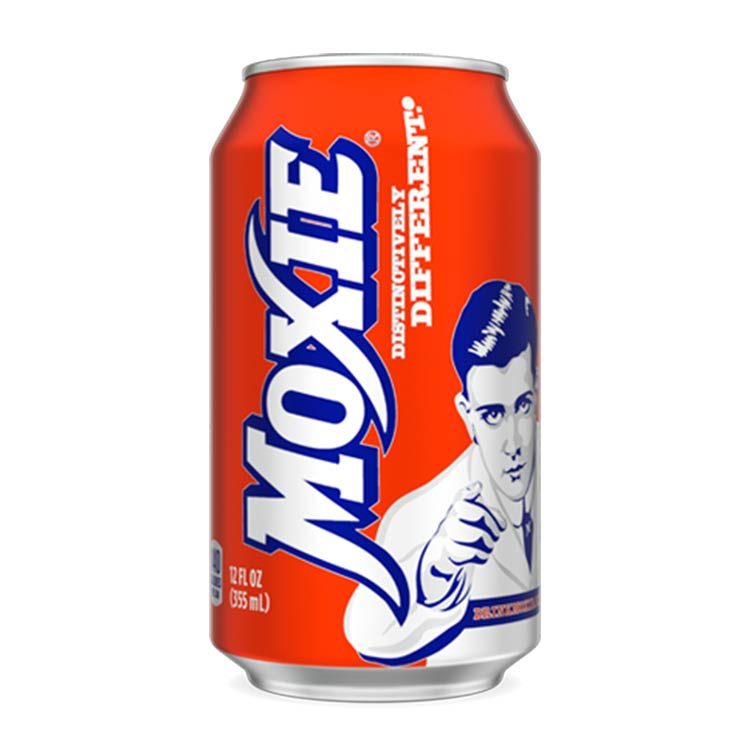
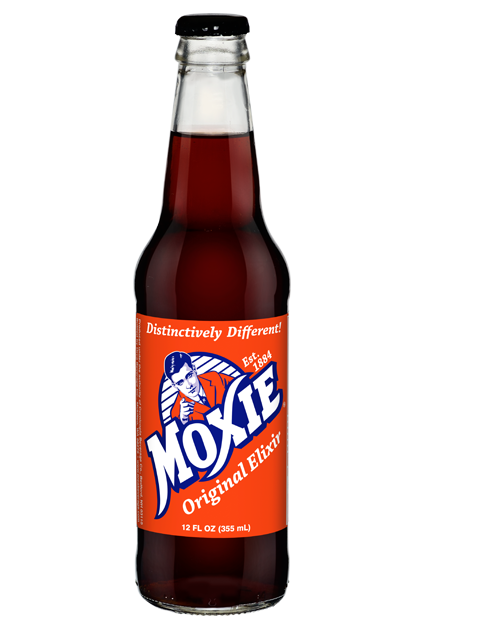
The visual elements of the Moxie brand have remained remarkably consistent, providing a sense of stability in a rapidly changing market. The “Moxie Boy”—a confident, square-jawed young man pointing directly at the viewer—became one of the most recognizable mascots in advertising.
This imagery, combined with the bold orange and blue color palette, created a visual shorthand for the brand’s values. The pointing gesture was an invitation to the consumer to show their own “moxie” by trying the drink. This direct engagement helped the brand maintain a strong visual identity that bridged the gap between the Victorian era and the modern digital age.
Regional Loyalty and the Niche Market Strategy
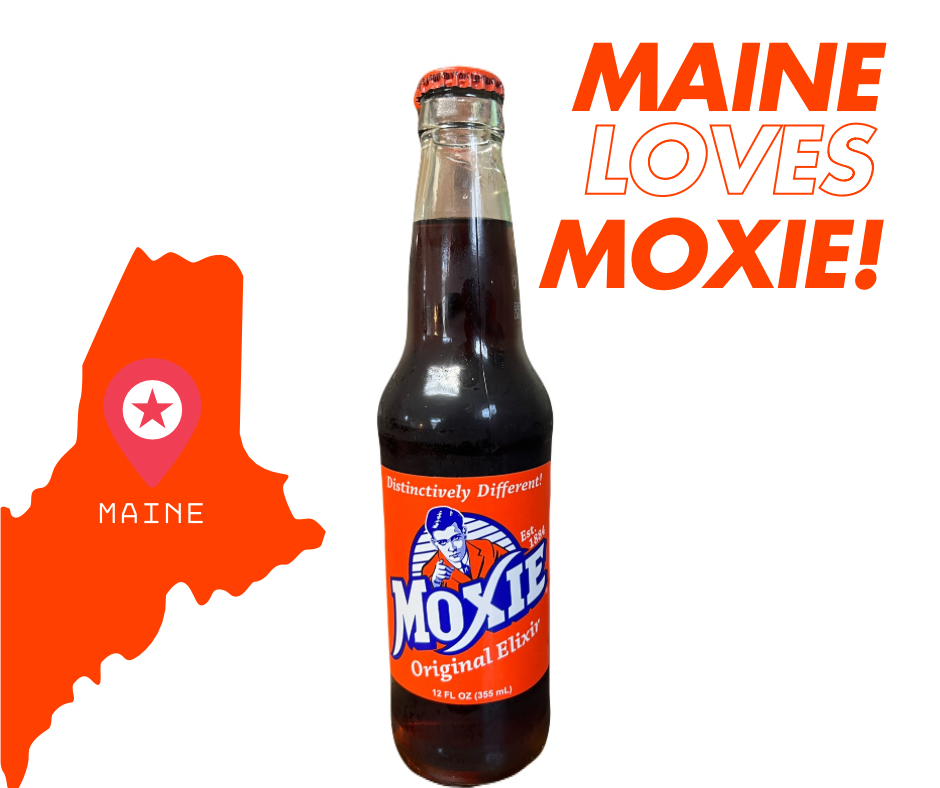
As the mid-20th century saw the rise of national distribution networks, many regional brands were swallowed up by larger conglomerates or driven out of business. Moxie took a different path, retreating to its strongholds in New England—specifically Maine, where it was eventually named the official state soft drink.
Hyper-Localization and Cultural Integration
Moxie’s brand strategy in the latter half of the 20th century focused on hyper-localization. By leaning into its New England heritage, the brand transformed from a national contender into a cultural icon. This is a classic “Long Tail” marketing strategy. Instead of competing for the 80% of the market that prefers standard colas, Moxie dominated 100% of the niche market that values regional tradition and idiosyncratic taste.
In Maine, the annual “Moxie Festival” serves as a high-engagement brand activation event. These types of community-driven events allow the brand to foster deep emotional connections with its audience, turning customers into brand evangelists.
Strategic Distribution and Scarcity as a Tool
For many years, Moxie was difficult to find outside of the Northeast. This scarcity actually enhanced the brand’s value. In the psychology of branding, scarcity creates an “in-group” mentality. Finding a bottle of Moxie in California or Florida became a “brand moment” for displaced New Englanders and soda aficionados alike. The difficulty of acquisition made the brand more desirable to its core demographic, reinforcing the idea that Moxie is not for everyone—only for those who know where to look.
Brand Longevity and Acquisition: The Coca-Cola Era
In 2018, the Moxie brand reached a significant milestone when it was acquired by the Coca-Cola Company. This move was viewed with both excitement and trepidation by the brand’s loyalists. From a corporate identity standpoint, the acquisition presented a unique challenge: how to integrate a fiercely independent, niche brand into a global portfolio without destroying the very “soul” that made it valuable.
Navigating Brand Dilution vs. Expansion
Coca-Cola’s strategy since the acquisition has been one of “stewardship” rather than “integration.” They recognized that Moxie’s value lies in its history and its specific regional appeal. Rather than attempting to reformulate the drink to have a broader appeal (which would be brand suicide for a product defined by its unique taste), Coca-Cola has focused on stabilizing distribution and leveraging its supply chain to ensure the brand’s survival.
This move reflects a growing trend in brand strategy where large corporations acquire “heritage brands” to diversify their portfolios. These heritage brands provide an authenticity that modern, laboratory-created brands often lack.
Modern Heritage Marketing and Nostalgia
Moxie’s current marketing efforts lean heavily into nostalgia—a powerful tool in the brand strategist’s arsenal. By emphasizing its 19th-century roots, Moxie appeals to a modern consumer base that is increasingly skeptical of “big tech” and “fast-moving” trends. In a world of fleeting digital brands, a drink that has survived two World Wars and the Great Depression offers a sense of permanence. This “heritage branding” allows Moxie to maintain its relevance by positioning itself as an antithesis to the ephemeral nature of modern consumerism.
Lessons for Modern Brand Strategists
The endurance of the Moxie brand offers several vital lessons for today’s marketing professionals and business leaders. It serves as a reminder that a brand’s strength is not always measured by the breadth of its appeal, but by the depth of its connection to its users.
Authenticity in an Age of Homogenization
Moxie has never tried to be anything other than what it is. In an era where many brands use AI and big data to smooth out every “rough edge” of their product to maximize mass-market appeal, Moxie thrives on its rough edges. The lesson here is that authenticity is often found in the very things that make a brand “difficult.”
For a brand to have “moxie,” it must be willing to alienate the wrong customers in order to provide a home for the right ones. This commitment to identity—even at the expense of rapid growth—is what creates a legacy brand.
The Value of Narrative
Moxie proves that a brand is essentially a story. The story of the doctor from Maine, the story of the “nerve food,” and the story of the “Moxie Boy” are all threads that weave together to create a complex and enduring corporate identity. For modern brand builders, the goal should be to create a narrative that consumers want to participate in. When someone drinks a Moxie today, they are participating in a 140-year-old story of American grit.
In conclusion, “what is a Moxie drink” cannot be answered by a list of ingredients. It is a brand that survived by being bold, stayed relevant by being authentic, and grew strong by staying small. It remains one of the most compelling examples of brand strategy in the history of American commerce.
aViewFromTheCave is a participant in the Amazon Services LLC Associates Program, an affiliate advertising program designed to provide a means for sites to earn advertising fees by advertising and linking to Amazon.com. Amazon, the Amazon logo, AmazonSupply, and the AmazonSupply logo are trademarks of Amazon.com, Inc. or its affiliates. As an Amazon Associate we earn affiliate commissions from qualifying purchases.