
Securing a mortgage pre-approval is a pivotal first step for anyone contemplating buying a home. Far more than just a casual inquiry, it represents a conditional commitment from a lender to provide you with a specific loan amount based on a thorough review of your financial standing. In today’s competitive real estate market, a pre-approval isn’t merely a convenience; it’s an essential tool that empowers buyers, streamlines the home search, and enhances the credibility of their offers. Understanding its nuances, benefits, and the process involved is crucial for a successful home-buying journey.
Understanding the Mortgage Pre-Approval Process
The journey to homeownership often begins with understanding one’s financial capacity. A mortgage pre-approval serves precisely this purpose, offering a clear snapshot of how much a lender is willing to finance, under specific terms. This formal process involves a detailed assessment of your financial health, providing a significant advantage over simply wondering what you can afford.

Pre-Qualification vs. Pre-Approval: Key Distinctions
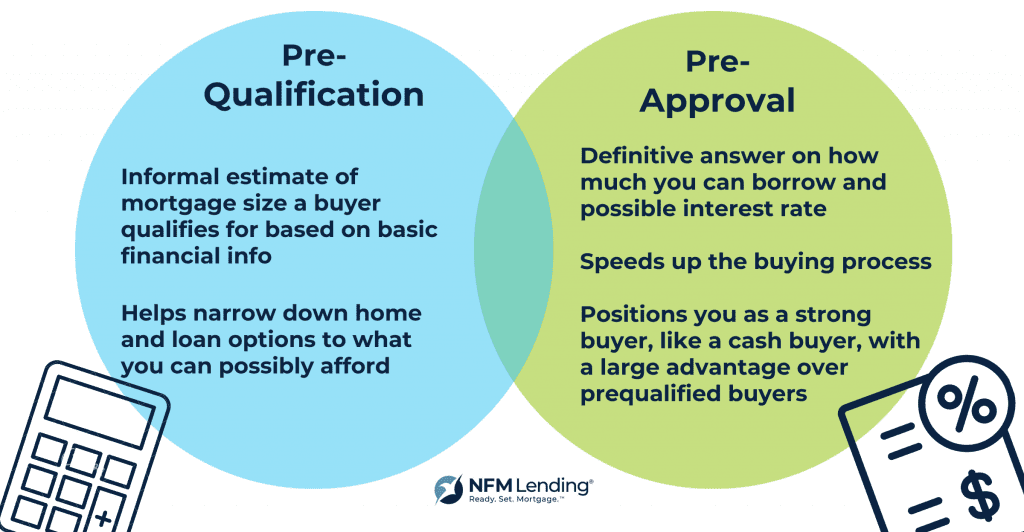
It’s common for aspiring homeowners to confuse mortgage pre-qualification with pre-approval, but there are critical differences between the two.
- Pre-Qualification: This is typically a much quicker, less rigorous process. You provide a lender with basic financial information, such as your income, debts, and assets, often verbally or through a simple online form, without requiring extensive documentation. Based on this self-reported data, the lender gives you an estimated loan amount you might qualify for. A pre-qualification is largely an informal assessment and does not involve a deep dive into your credit history or verification of your financial claims. It serves as a rough estimate and carries little weight in the eyes of sellers.
- Pre-Approval: This is a more formal and comprehensive evaluation. With a pre-approval, the lender performs a hard credit check, verifies your income through pay stubs and tax returns, reviews bank statements, and assesses your overall debt-to-income (DTI) ratio. Upon satisfactory review, the lender issues a conditional letter stating the maximum loan amount they are willing to lend you, along with an estimated interest rate. This letter is a strong indicator of your financial capability and is taken seriously by real estate agents and sellers. It demonstrates that a lender has vetted your finances and found you to be a credible borrower.
Why Pre-Approval Matters in Today’s Market
In a dynamic real estate environment, a pre-approval letter provides several strategic advantages:
- Clarity on Affordability: It eliminates guesswork, providing a precise budget for your home search. Knowing your maximum loan amount allows you to focus on properties within your financial reach, saving time and preventing disappointment.
- Increased Buyer Credibility: When you make an offer on a home, presenting a pre-approval letter signals to the seller that you are a serious, qualified buyer. This is especially vital in competitive markets where multiple offers are common. Sellers are more likely to consider offers from pre-approved buyers, as it reduces the risk of the deal falling through due to financing issues.
- Faster Closing Process: Since much of your financial documentation has already been reviewed during pre-approval, the mortgage application process can proceed more smoothly and quickly once you have an accepted offer. This can be a significant advantage, particularly if a seller is looking for a swift closing.
- Negotiating Power: While not a guarantee, a pre-approval can subtly enhance your negotiating position. It indicates you’re ready to move forward, which can be appealing to sellers who value certainty and efficiency.
The Steps to Securing a Pre-Approval
Obtaining a mortgage pre-approval is a systematic process that requires diligent preparation and cooperation with your chosen lender. Each step is designed to give the lender a comprehensive understanding of your financial health.
Gathering Your Financial Documents
The first and most time-consuming step is compiling all necessary financial paperwork. Being organized and having these documents readily available will significantly expedite the pre-approval process. Key documents typically include:
- Proof of Income: Recent pay stubs (typically for the last 30-60 days), W-2 forms for the past two years, and federal tax returns (usually for the last two years). If you are self-employed, lenders will require more extensive documentation, such as business tax returns, profit and loss statements, and bank statements.
- Asset Information: Statements for all checking and savings accounts (for the past 2-3 months), investment accounts (e.g., 401k, IRA, brokerage accounts), and any other assets you plan to use for a down payment or closing costs. Lenders want to ensure you have sufficient funds and can verify the source of these funds.
- Debt Information: Statements for all outstanding debts, including credit cards, auto loans, student loans, and any other lines of credit. This helps the lender calculate your debt-to-income ratio.
- Personal Identification: A valid government-issued ID (e.g., driver’s license or passport) and your Social Security number.
- Rent or Mortgage History: Proof of consistent rent payments (if applicable) or previous mortgage statements can demonstrate a history of responsible housing payments.
Credit Score and Debt-to-Income Ratio: Critical Factors
Lenders pay close attention to two primary metrics when assessing your creditworthiness:
- Credit Score: Your FICO credit score is a numerical representation of your credit risk. Lenders use it to gauge your history of borrowing and repaying debt. A higher credit score (generally above 740 for the best rates) indicates a lower risk borrower and can lead to more favorable loan terms and interest rates. A hard inquiry on your credit report will be part of the pre-approval process, which may slightly lower your score temporarily.
- Debt-to-Income (DTI) Ratio: This ratio compares your total monthly debt payments to your gross monthly income. Lenders use it to assess your ability to manage monthly payments and take on additional debt. There are two components:
- Front-end DTI: The percentage of your gross income that goes towards housing costs (mortgage payment, property taxes, homeowner’s insurance).
- Back-end DTI: The percentage of your gross income that goes towards all monthly debt payments, including housing. Most lenders prefer a back-end DTI of 36% or lower, though some loan programs may allow up to 43-50%. A lower DTI indicates you have more disposable income to cover your mortgage.
The Application and Underwriter Review

Once you’ve submitted your documents, you’ll complete a formal mortgage application. The lender’s underwriter will then meticulously review all submitted information, cross-referencing your statements with your credit report and employment history. They look for consistency, verify income and assets, and evaluate your overall financial stability. If everything aligns with their lending criteria, they will issue the pre-approval letter, typically valid for 60 to 90 days. It’s important to remember that this letter is conditional; the final loan approval is still subject to the property appraisal and a final check of your financial situation before closing.
Benefits and Limitations of Pre-Approval
While a mortgage pre-approval is an incredibly powerful tool, it’s essential to understand both its strengths and its boundaries. Recognizing what it does and does not guarantee will help manage expectations and inform your strategy.
Empowering Your Home Search
A pre-approval significantly refines your home search by providing a clear financial framework. Instead of browsing properties vaguely, you can target homes within a precise price range, eliminating those that are financially out of reach or well below your budget, which might not meet your needs. This focused approach saves considerable time and emotional energy, preventing you from falling in love with a home you ultimately cannot afford. Furthermore, it allows you and your real estate agent to move quickly when a suitable property emerges, as the financial groundwork has already been laid.
Strengthening Your Offer
In a competitive market, a pre-approval letter can be the distinguishing factor that makes your offer stand out. When sellers receive multiple bids, they are often swayed not just by the price, but by the certainty of the buyer’s ability to close. A pre-approval signals that a reputable lender has already vetted your finances, deeming you a qualified borrower. This drastically reduces the seller’s risk of the deal falling through due to financing issues, making your offer more appealing, potentially even over a slightly higher, but less secure, offer.
What Pre-Approval Doesn’t Guarantee
Despite its considerable advantages, a pre-approval is not a final commitment or a blank check. It comes with important limitations:
- Not a Loan Guarantee: A pre-approval is conditional. The final loan approval is contingent upon several factors, including the property appraisal (ensuring the home’s value justifies the loan), a final review of your financial standing just before closing, and often, an acceptable title search. If the home appraisal comes in lower than the purchase price, or if issues arise with the property’s title, the lender may not approve the full loan or may require additional steps.
- Subject to Change: The terms of your pre-approval, particularly the interest rate, are typically not locked in. Interest rates can fluctuate, and if they rise significantly between pre-approval and final commitment, your monthly payment could increase. Lenders usually offer an option to lock in a rate once you have an accepted offer on a specific property.
- Expiration Date: Pre-approval letters have an expiration date, usually 60 to 90 days. If your home search extends beyond this period, you will need to renew your pre-approval, which may involve providing updated financial documents and another credit check.
- Dependent on No Material Changes: Your pre-approval is based on the financial information you provided. If there are significant changes to your financial situation—such as losing your job, taking on new debt (e.g., buying a car or furniture on credit), or making large, unexplained deposits or withdrawals—your pre-approval could be revoked or its terms altered.
Maintaining Your Pre-Approval Status and Next Steps
Once you have a pre-approval in hand, vigilance is key. It’s a powerful tool, but its effectiveness relies on maintaining the financial stability that earned it.
Avoiding Pitfalls Before Closing
The period between pre-approval and closing is critical. It is imperative to avoid any actions that could jeopardize your loan approval. Lenders perform a final check of your credit and employment just before closing, and any significant changes can lead to withdrawal of the loan offer.
- Do NOT Apply for New Credit: This includes opening new credit cards, taking out personal loans, or financing new cars or furniture. Each new credit inquiry can lower your credit score and increase your debt-to-income ratio, making you a higher risk.
- Do NOT Make Large Purchases: Avoid buying expensive items that could deplete your savings for the down payment and closing costs. Lenders want to see consistent funds available.
- Do NOT Change Jobs or Employment Status: A sudden change in employment could disrupt the lender’s verification process. If a job change is unavoidable, communicate immediately with your lender to understand potential implications and provide updated employment verification.
- Do NOT Make Large, Unexplained Deposits: Large deposits into your bank accounts that cannot be clearly sourced could raise red flags with underwriters, who are on the lookout for money laundering or undeclared income. Always be prepared to document the source of any significant funds.
- Continue Paying Bills on Time: Maintaining excellent payment history on all existing debts is crucial. Any late payments can negatively impact your credit score and signal financial instability.
Moving from Pre-Approval to Mortgage Commitment
The pre-approval letter is your green light to actively search for a home. Once your offer is accepted, the process transitions from pre-approval to the full mortgage application and underwriting.
- Formal Loan Application: You will complete the official mortgage application for the specific property you intend to purchase.
- Property Appraisal and Inspection: The lender will order an appraisal to ensure the home’s value supports the loan amount. A home inspection, while not always required by the lender, is highly recommended for the buyer to assess the property’s condition.
- Underwriting Review: The lender’s underwriting team will conduct a final, in-depth review of your financial documents and the property details. They may request additional information or clarification.
- Conditional Loan Approval: If all conditions are met, the lender will issue a conditional loan approval, outlining any remaining steps needed before final funding.
- Final Loan Approval and Closing: Once all conditions are satisfied, you’ll receive the final loan approval, and you can proceed to closing, where the loan is funded, and ownership of the home is transferred.
Navigating the mortgage pre-approval process strategically sets the foundation for a confident and successful home purchase, transforming the daunting task of buying a home into a manageable and exciting endeavor.
aViewFromTheCave is a participant in the Amazon Services LLC Associates Program, an affiliate advertising program designed to provide a means for sites to earn advertising fees by advertising and linking to Amazon.com. Amazon, the Amazon logo, AmazonSupply, and the AmazonSupply logo are trademarks of Amazon.com, Inc. or its affiliates. As an Amazon Associate we earn affiliate commissions from qualifying purchases.