
In the world of corporate identity and brand strategy, few maneuvers are as bold or as complex as the wholesale abandonment of a globally recognized trademark. When a brand spends over a century cultivating a specific name—investing billions in marketing, community building, and cultural visibility—only to pivot away from that name entirely, it provides a masterclass in brand management. This is the story of “Mormonism,” a term that transitioned from a derogatory label to a badge of honor, and finally, to a discarded relic in favor of a more centralized corporate identity: The Church of Jesus Christ of Latter-day Saints.
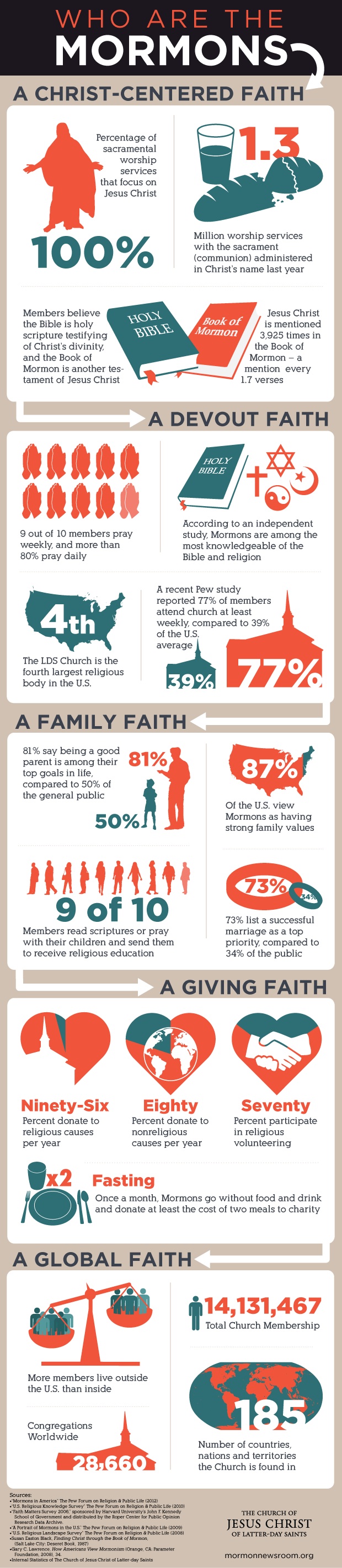
To understand “what is a Mormonism” from a branding perspective, one must look past the theology and examine the strategic imperatives of naming conventions, perception management, and the high-stakes world of global brand alignment.
The Legacy of a Name: Building and Maintaining the “Mormon” Brand
Every brand has an origin story. For “Mormonism,” the brand was initially forged in the fires of external criticism. In the 19th century, the term was used by detractors to marginalize the followers of Joseph Smith. However, in a move that mirrors modern brands reclaiming “slurs” or “nicknames,” the organization leaned into the term.
From Derogatory Slur to Global Recognition
The evolution of “Mormon” as a brand is a classic example of organic brand growth. By the mid-20th century, the Church had successfully co-opted the name. It was short, punchy, and memorable—three hallmarks of any successful brand identity. The term “Mormonism” became shorthand for a specific lifestyle: industriousness, family-centric values, and a clean-cut aesthetic. For decades, the organization utilized this shorthand to build a massive global presence, effectively using the “Mormon” label as a “sub-brand” that was often more recognizable than the official corporate title.
The “I’m a Mormon” Campaign: A Masterclass in Humanizing a Brand
In 2010, the branding reached its zenith with the “I’m a Mormon” campaign. This was a multi-million dollar integrated marketing strategy involving television spots, billboards in Times Square, and a robust digital presence. The goal was simple: humanize the brand. By featuring diverse individuals—surfers, scientists, and stay-at-home parents—all claiming the label “Mormon,” the organization successfully shifted public perception from “mysterious cult” to “relatable neighbors.” This campaign is still studied in marketing circles as a premier example of how to manage a “perception gap” through high-quality storytelling and diverse brand ambassadors.
The Strategic Pivot: Why Brands Discard Established Equity
In 2018, the leadership of the Church made an announcement that shocked the marketing world: the term “Mormon” was to be retired. From a brand strategy perspective, this was a radical move. Imagine Coca-Cola suddenly insisting that everyone call them “The Carbonated Beverage Company of Atlanta.” Why would an entity discard such a high-value, recognizable trademark?
The Shift Toward Core Identity (Christ-Centered Branding)
The primary driver for this rebranding was the need for “brand alignment.” The leadership argued that the term “Mormonism” distracted from the central figure of their faith: Jesus Christ. In branding terms, this is a “Correction of Purpose.” If a company’s name (the brand) no longer reflects its primary product or mission (the core value proposition), the name is technically “broken.” By insisting on the full name—The Church of Jesus Christ of Latter-day Saints—the organization sought to re-position itself within the broader “Christian” market segment, moving away from a “niche” or “fringe” brand category.
Eliminating Brand Dilution and Subculture Noise
Over time, the “Mormon” brand had become diluted. It was used by various offshoot groups, pop culture (such as the “Book of Mormon” musical), and historical commentators. The parent organization lost “brand control.” When an entity cannot control the narrative surrounding its name, the name becomes a liability. By pivoting to a more specific, official title, the organization reclaimed the ability to define itself on its own terms, effectively cutting off the “brand noise” associated with the more generic “Mormon” label.

Implementation and Corporate Identity Standards
A rebrand of this magnitude is not merely a suggestion; it is a massive logistical undertaking involving digital assets, physical signage, and strict nomenclature guidelines.
Style Guides and Nomenclature Constraints
Following the 2018 announcement, the organization released an updated “Newsroom Style Guide.” This document is essentially a Corporate Identity Manual. It explicitly states that terms like “Mormonism” and “Mormons” are no longer acceptable. Instead, it mandates the use of “the restored Church of Jesus Christ.” This level of linguistic precision is common in high-end brand management where “verbal identity” is just as important as visual identity. By controlling the language used by the media and its own members, the organization reinforces its new brand positioning through repetition and consistency.
Managing Digital Assets and Search Engine Optimization (SEO)
One of the greatest challenges in this rebrand was the digital infrastructure. The organization owned high-traffic domains like Mormon.org and LDS.org. From an SEO perspective, “Mormon” was a high-volume search term that drove millions of users to their sites. The strategic decision to migrate these domains to ChurchofJesusChrist.org was a high-risk move that involved complex 301 redirects and a total overhaul of their digital footprint. It was a clear signal that the organization valued brand integrity over short-term “organic search” traffic—a rare and bold move in the digital age.
Case Study: Lessons for Corporate and Personal Branding
The transition away from “Mormonism” offers several profound insights for brand strategists and marketing professionals looking to manage long-term identity.
Reclaiming the Narrative
The most significant lesson is that a brand belongs to the entity that owns it, not the public that consumes it. Many branding experts argued that “Mormon” was a “gift” of public recognition that shouldn’t be thrown away. However, the organization demonstrated that if a brand name prevents you from reaching your ultimate strategic goal (in this case, being recognized as a mainstream Christian denomination), then that brand equity is actually “negative equity.” Reclaiming the narrative requires the courage to walk away from a “popular” brand in favor of an “accurate” one.
The Challenge of Consumer Retention During a Rebrand
Any rebrand risks alienating the “consumer base”—in this case, the members of the church who had spent decades identifying as “Mormons.” The organization handled this through internal education and a focus on “higher purpose.” For personal branding, this teaches us that when you change your professional identity or niche, you must provide your audience with a compelling “why.” If the audience understands that the change is a move toward greater authenticity, they are more likely to follow you through the transition.
Visual Identity and Symbolism
In tandem with the name change, the organization revealed a new logo featuring the Christus statue by Bertel Thorvaldsen. In brand design, a logo must act as a visual shorthand for the brand’s promise. The new logo moved away from the “Angel Moroni” (the former visual icon often associated with the “Mormon” brand) and replaced it with a literal image of Christ. This is a classic “Visual Pivot,” ensuring that every touchpoint—from letterheads to building exteriors—reinforces the new brand message without saying a word.

Conclusion: The Future of the Brand
So, “what is a Mormonism” in the 21st century? It is increasingly becoming a historical term rather than a current brand. The rebranding of the Church of Jesus Christ of Latter-day Saints serves as a powerful case study in the tension between “brand recognition” and “brand identity.” While the world may take decades to stop using the term “Mormon,” the organization’s disciplined adherence to its new style guide and its willingness to sacrifice a world-famous trademark for the sake of its core mission is a testament to the power of strategic brand management.
For businesses and individuals alike, the takeaway is clear: A brand is only as good as its ability to accurately represent its source. When the name gets in the way of the message, it is time for a change—no matter how much “Mormonism” or “equity” is left behind. Through this pivot, the organization is not just changing a name; it is attempting to change the very category it occupies in the global consciousness, a feat that, if successful, will be remembered as one of the most significant brand transformations in modern history.
aViewFromTheCave is a participant in the Amazon Services LLC Associates Program, an affiliate advertising program designed to provide a means for sites to earn advertising fees by advertising and linking to Amazon.com. Amazon, the Amazon logo, AmazonSupply, and the AmazonSupply logo are trademarks of Amazon.com, Inc. or its affiliates. As an Amazon Associate we earn affiliate commissions from qualifying purchases.