
A moonroof in a car represents a sophisticated piece of automotive technology, enhancing both the aesthetic and functional aspects of a vehicle’s interior. More than just a simple opening, it integrates advanced materials, complex mechanical systems, and intuitive electronic controls to offer drivers and passengers an enriched cabin experience. Unlike its simpler predecessor, the sunroof, the moonroof distinguishes itself by typically being made of glass and often featuring a power-operated slide or tilt function, designed to let light in, allow for ventilation, and offer an expansive view of the sky.
The Engineering and Functionality Behind the Moonroof
The moonroof is a testament to modern automotive engineering, combining structural integrity with dynamic functionality. Its operation relies on a precise interplay of electrical motors, intricate gearing, and specialized sealing mechanisms, all managed by the vehicle’s onboard electronics.
Differentiating Moonroofs from Sunroofs
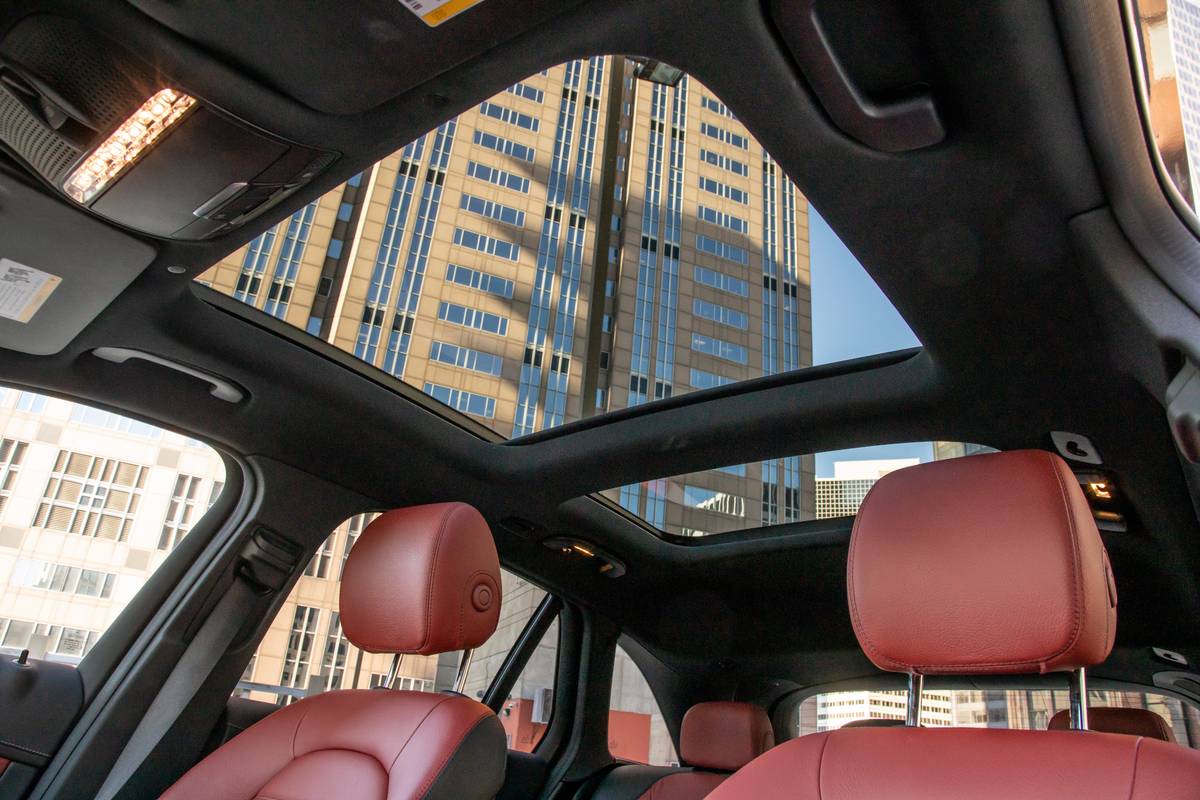
While often used interchangeably, the terms “moonroof” and “sunroof” denote distinct technological approaches. Historically, a sunroof referred to an opaque panel, usually body-colored metal, that could be manually or electrically opened to expose the car’s interior to the outside. It primarily functioned as a way to let in air. A moonroof, by definition, is a glass panel that slides or tilts open, allowing both light and air to enter. Its primary innovation was the introduction of transparency, offering an unobstructed view of the sky even when closed. Modern moonroofs almost universally feature tinted glass with UV-filtering properties, a significant technological advancement over early designs, providing protection from solar radiation while maintaining visibility.
Core Mechanisms: Sliding and Tilting Systems
The operational sophistication of a moonroof lies in its core mechanical systems. The two primary modes of operation are sliding and tilting.
- Sliding Systems: These involve the glass panel retracting either into a cavity within the roof structure (in-built system) or sliding externally over the roof (spoiler system). This movement is typically actuated by small, high-torque electric motors, connected to cables or rack-and-pinion gears. The precision of these mechanisms is critical to ensure smooth, quiet operation and reliable sealing when closed. Anti-pinch technology, an essential safety feature, utilizes sensors to detect obstructions during closing, reversing the panel’s direction to prevent injury.
- Tilting Systems: Many moonroofs also offer a tilt function, where the rear edge of the glass panel lifts upward, providing ventilation without fully opening the roof. This is particularly useful at higher speeds to minimize wind noise and buffeting. The tilting mechanism often shares components with the sliding system but employs additional actuators or linkages to achieve the pivot.
Both systems are often controlled by a single switch or a series of buttons, integrated into the vehicle’s overhead console. These controls interface directly with the body control module (BCM) or a dedicated moonroof control unit, allowing for programmed functions like one-touch open/close and memory positions.
Material Science: Glass Composition and UV Protection
The glass used in moonroofs is not merely standard automotive glass. It is engineered for specific performance characteristics. Typically, it’s a form of laminated or tempered safety glass, designed to withstand impacts and temperature fluctuations. Key technological considerations include:
- Tinting and Coatings: Most moonroof glass is factory-tinted to reduce glare and absorb a significant portion of solar heat. Advanced coatings, sometimes metallic or ceramic-based, further enhance UV and infrared radiation blocking without compromising light transmission. This technology helps maintain a cooler cabin interior and protects occupants and interior materials from sun damage.
- Strength and Weight: Engineers balance the need for structural integrity with minimizing added weight to the vehicle. Modern moonroof glass is designed to be as thin and light as possible while meeting stringent safety standards for crash protection and shatter resistance.
- Thermal Management: The glass itself is an active component in managing cabin temperature. Its thermal properties are carefully selected to insulate against heat loss in cold weather and prevent excessive heat gain in warm weather. Some high-end systems even incorporate switchable electrochromic glass technology, allowing the driver to electronically adjust the tint level from clear to opaque.
Types of Moonroof Technologies and Designs
The evolution of the moonroof has led to various designs, each offering a distinct technological approach to overhead transparency and functionality.
Pop-Up and Spoiler Moonroofs
These represent some of the earlier and simpler powered moonroof designs.
- Pop-Up Moonroofs: Primarily found in aftermarket installations, these are manually operated or feature a simple electric motor to tilt the rear edge of the glass upward. They offer basic ventilation and light but lack the full retractability of more advanced systems.
- Spoiler Moonroofs: In this design, the glass panel slides over the exterior of the car’s roof when opened, creating a “spoiler” effect. While offering a larger opening than pop-ups, they are less aerodynamically integrated than in-built systems and are less common in modern factory installations due to aesthetic and noise considerations.
In-Built and Top-Mount Moonroofs
These are the most common types found in factory-installed vehicles today.
- In-Built Moonroofs: The most technologically sophisticated, these systems feature the glass panel retracting completely into the roof lining and between the vehicle’s headliner and outer roof panel. This provides a clean, integrated look when open and closed, with superior aerodynamics and noise reduction. The engineering challenge here involves creating sufficient space within the roof structure for the glass and its intricate mechanical tracks.
- Top-Mount Moonroofs: While less common than in-built, some designs, particularly for larger vehicles, might have the glass panel slide on top of the roof, but within a sleek, integrated housing, differing from the older “spoiler” type by being more aesthetically refined.
Panoramic Moonroof Systems
Panoramic moonroofs are a significant leap in automotive transparency technology. They feature a much larger, often multi-panel glass roof that extends across most of the vehicle’s roof, offering an expansive, uninterrupted view of the sky for both front and rear passengers.
- Fixed Panoramic Roofs: These are large, fixed glass panels that do not open. They provide ample natural light and an open feel but lack the ventilation function. They often include a power-operated sunshade for heat and light control.
- Operable Panoramic Moonroofs: These systems typically feature a large front panel that slides open (often over the rear fixed panel or into the roof cavity) combined with a fixed rear glass section. The engineering of these systems is complex, requiring robust structural reinforcement to maintain vehicle rigidity, advanced sealing techniques for such a large opening, and powerful motors to move the large, heavy glass panels. The integrated sunshades are usually electrically operated, often with intelligent climate control integration.
Solar and Smart Glass Innovations
The cutting edge of moonroof technology involves active material science.
- Solar Moonroofs: Some innovative designs incorporate photovoltaic (solar) cells into the glass panel. These cells can generate electricity to power the car’s ventilation system when parked, helping to cool the interior without running the engine. This is a practical application of renewable energy within automotive tech.
- Smart Glass (Electrochromic/PDLC): As mentioned, electrochromic glass allows drivers to electronically adjust the tint level, instantly changing the opacity from clear to opaque. Polymer-Dispersed Liquid Crystal (PDLC) glass achieves a similar effect by scattering light when an electric current is applied, making the glass opaque. These technologies offer unprecedented control over light, heat, and privacy, representing a significant advancement in user-controlled transparency.

User Experience and Ergonomics: The Tech Perspective
From a user perspective, the moonroof is more than a feature; it’s an interactive component that impacts comfort, safety, and the overall driving experience.
Enhanced Cabin Environment and Ventilation
The primary benefit of a moonroof, from a technological standpoint, is its ability to dynamically alter the cabin environment. By allowing natural light to flood the interior, it creates a sense of spaciousness and reduces claustrophobia, particularly in vehicles with darker interior trim. When opened, it provides a natural and efficient way to ventilate the cabin, drawing out stale air and reducing heat build-up. The ability to control this ventilation, often with precise electronic adjustment of opening position, enhances ergonomic comfort.
Integration with Vehicle Electronics and Safety Features
Modern moonroofs are deeply integrated into the vehicle’s electronic architecture.
- One-Touch Operation: This convenience feature allows the driver to fully open or close the moonroof with a single press of a button, thanks to sophisticated motor control units.
- Rain Sensors: In some advanced systems, the moonroof may automatically close if rain is detected, preventing water ingress, demonstrating smart vehicle automation.
- Ignition Off Operation: Many systems allow the moonroof to operate for a short period after the ignition is turned off, providing convenience for last-minute adjustments.
- Anti-Pinch Technology: This critical safety feature, mandated in many regions, uses current-sensing motors or pressure sensors to detect obstructions and immediately reverse the moonroof’s closing motion, preventing injury to occupants or damage to objects.
- Vehicle Security Integration: The moonroof may also be linked to the car’s security system, automatically closing when the car is locked.
Maintenance and Longevity Considerations
The sophisticated mechanics and electronics of a moonroof require specific maintenance to ensure long-term functionality.
- Seal Integrity: The rubber seals around the glass panel are crucial for preventing water leaks and reducing wind noise. Over time, these seals can degrade due to exposure to UV radiation and temperature extremes, requiring periodic inspection and potential replacement.
- Drainage Systems: Moonroofs incorporate drainage channels and tubes to direct any water that bypasses the primary seals down through the vehicle’s pillars and out. Clogging of these drains with debris (leaves, dirt) can lead to water leakage into the cabin. Regular cleaning of these channels is essential.
- Lubrication of Moving Parts: The tracks and gears that facilitate the sliding and tilting motions require periodic lubrication to ensure smooth, quiet operation and prevent premature wear of the electric motor and associated mechanisms. Without proper lubrication, friction can increase, leading to slow operation, increased motor strain, and potential failure.
- Electrical System Checks: The wiring harnesses, control modules, and switches are integral to the moonroof’s operation. Any faults in these components can lead to intermittent or complete failure, requiring diagnostic tools for troubleshooting and repair.
The Evolution of Overhead Vehicle Transparency
The journey from a simple metal panel to advanced panoramic glass roofs showcases significant technological progress in automotive design.
From Manual Cranks to Automated Systems
Early sunroofs were largely manual, operated by a hand crank. The advent of electric motors brought convenience, but early systems were often slow and prone to mechanical issues. Modern systems, however, are highly refined, employing precision-engineered motors, robust gearing, and intelligent control units that offer seamless, quiet, and reliable operation. The integration of CAN bus (Controller Area Network) communication allows the moonroof to interact intelligently with other vehicle systems, contributing to a holistic and integrated user experience.
The Future of Transparent Roof Technology
The trajectory of moonroof technology points towards greater integration, smarter materials, and enhanced sensory experiences. We can anticipate:
- Augmented Reality Displays: Future moonroofs might integrate transparent OLED or projection technology to display information (navigation, weather, points of interest) directly onto the glass, creating an immersive AR experience.
- Dynamic Light and Shade Control: Beyond current smart glass, future systems could dynamically adjust tinting based on ambient light conditions, time of day, or driver preference, using advanced algorithms.
- Integrated Solar Charging: More efficient and larger integrated solar panels could contribute significantly to powering vehicle auxiliary systems or even extend range in electric vehicles.
- Structural Integration: Future designs may see glass roofs become integral structural components, further reducing weight and enhancing rigidity while maximizing transparency.
Practical Considerations for Modern Drivers
While adding significant value, the inclusion of a moonroof involves several practical considerations from a technical perspective.
Impact on Vehicle Weight and Fuel Efficiency
A moonroof, particularly a large panoramic one, adds weight to a vehicle, especially at the highest point. This increased weight raises the car’s center of gravity, which can subtly affect handling dynamics, though modern chassis tuning largely compensates for this. The added weight also contributes to a marginal increase in fuel consumption or a slight reduction in electric vehicle range. Manufacturers continuously work on weight reduction through advanced glass compositions and lighter structural materials to mitigate this.
Aftermarket Solutions vs. Factory Installations
Drivers have the option of choosing factory-installed moonroofs or aftermarket solutions.
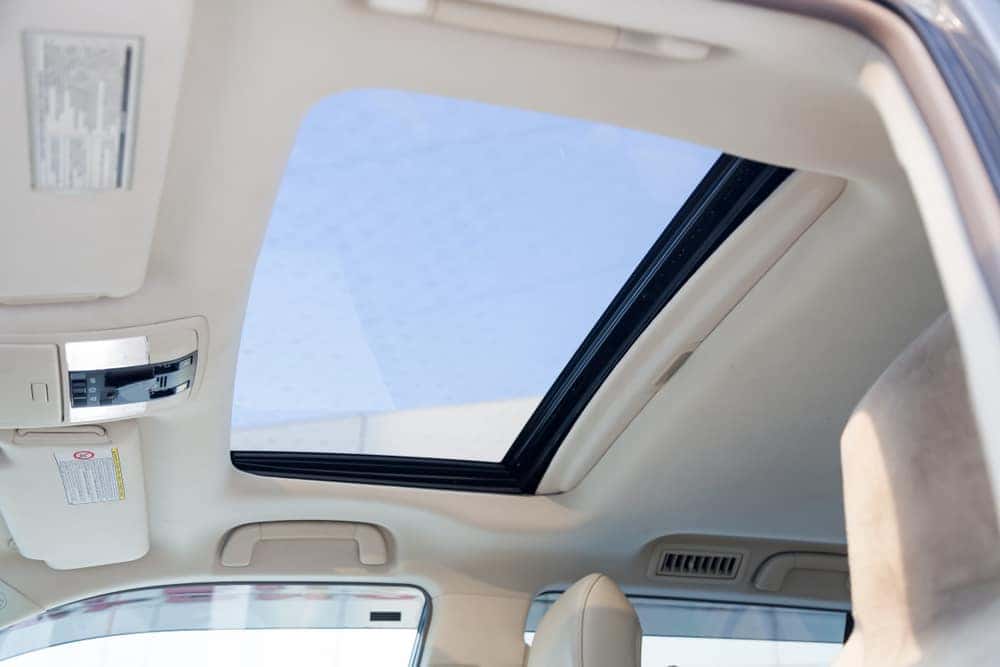
- Factory Installations: These are engineered as an integral part of the vehicle’s design. They benefit from rigorous testing, ensure structural integrity, proper drainage, and seamless integration with the vehicle’s electrical and safety systems. This results in superior reliability, aerodynamics, and noise reduction.
- Aftermarket Solutions: While often more affordable, aftermarket moonroofs involve cutting into the vehicle’s existing roof structure. This can compromise structural rigidity, potentially lead to leaks if not installed perfectly, and may not integrate as cleanly with the vehicle’s aesthetics or electrical system. The safety features, such as anti-pinch technology, might also be less sophisticated or absent compared to factory units. For these reasons, factory-installed moonroofs are generally preferred for their superior engineering, safety, and long-term reliability.
In summary, a moonroof is far more than a simple window in the roof; it is a complex technological system that continually evolves, integrating advanced materials, precision mechanics, and smart electronics to enrich the automotive experience.
aViewFromTheCave is a participant in the Amazon Services LLC Associates Program, an affiliate advertising program designed to provide a means for sites to earn advertising fees by advertising and linking to Amazon.com. Amazon, the Amazon logo, AmazonSupply, and the AmazonSupply logo are trademarks of Amazon.com, Inc. or its affiliates. As an Amazon Associate we earn affiliate commissions from qualifying purchases.