
In the landscape of personal and business finance, the term “monthly service fee” is one of the most common, yet frequently misunderstood, line items on a financial statement. At its core, a monthly service fee—often referred to as a maintenance fee—is a recurring charge assessed by financial institutions, software providers, or service-based businesses to cover the costs associated with maintaining an account or providing ongoing access to a platform. While the individual amounts may seem negligible at first glance, usually ranging from $5 to $25, their cumulative impact on a long-term financial plan can be significant.

Understanding the nuances of these fees is essential for anyone looking to optimize their cash flow and maximize their savings. Whether you are managing a personal checking account, overseeing a corporate payroll system, or subscribing to essential financial software, recognizing why these fees exist and how to navigate them is a cornerstone of professional financial management.
Defining the Monthly Service Fee in Modern Finance
A monthly service fee is essentially the “rent” you pay for the infrastructure provided by a financial institution or service provider. In the context of traditional banking, this fee covers the operational expenses of keeping your account active, secure, and accessible. This includes everything from the digital interface of your mobile app to the physical security of a bank vault and the salaries of the customer service representatives who assist you.
The Mechanics of the Banking Monthly Service Fee
For most retail banking customers, the monthly service fee is automatically deducted from the account balance at the end of a billing cycle. If an account has a $12 monthly service fee and a balance of $1,000, the balance will drop to $988 regardless of whether any transactions were made. It is a “passive” expense, meaning it does not require an action from the user to be triggered; it is simply a condition of holding the account.
Maintenance Fees vs. Transaction Fees
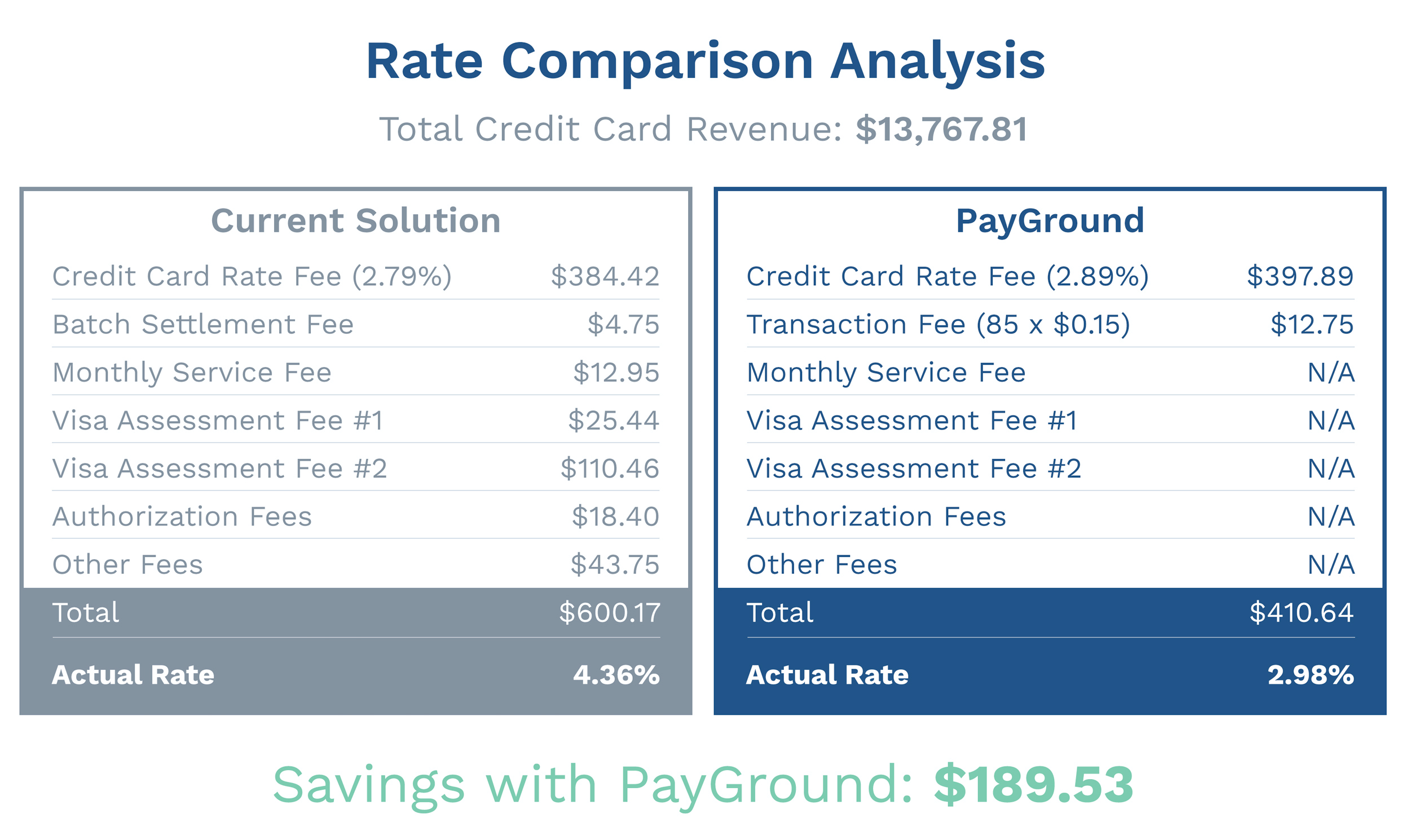
It is vital to distinguish between a monthly service fee and a transaction fee. Transaction fees are “active” costs—they are triggered by specific behaviors, such as using an out-of-network ATM, sending a domestic wire transfer, or exceeding a certain number of monthly withdrawals. Conversely, the monthly service fee is a fixed, recurring cost that exists independent of your activity level. You could leave your account untouched for thirty days and still incur the fee.
The Expansion into Financial Software and SaaS
In the modern economy, the concept of the monthly service fee has migrated from banking into the world of financial tools and software-as-a-service (SaaS). Professional bookkeeping tools, investment tracking apps, and budgeting platforms often operate on a monthly service fee model. In these cases, the fee provides the user with continuous updates, cloud storage, and data security, ensuring that the financial tool remains functional and compliant with current tax laws and security protocols.
Why Institutions Charge Monthly Fees
To many consumers, monthly service fees can feel like an arbitrary penalty for simply having money. However, from the perspective of a financial institution or business, these fees serve several critical strategic and operational purposes.
Operational Costs and Infrastructure
Maintaining a robust financial network is incredibly expensive. Banks must invest billions into cybersecurity to protect against fraud and data breaches. They also maintain physical branches, ATMs, and high-speed processing systems that allow for instantaneous transfers and payments. The monthly service fee helps distribute the cost of this infrastructure across the entire customer base. Without these fees, institutions might have to charge significantly higher rates for individual transactions or loans.
Risk Management and Security
Every account held by a financial institution represents a degree of risk. This includes the risk of identity theft, overdrafts, and regulatory non-compliance. A portion of the monthly service fee is often allocated to the “back-office” operations that monitor accounts for suspicious activity. By charging a fee, institutions ensure they have the capital necessary to maintain rigorous compliance departments that satisfy federal and international financial regulations.
Revenue Stability in a Low-Interest Environment
Historically, banks made the majority of their profit from the “interest rate spread”—the difference between the interest they pay to depositors and the interest they charge to borrowers. However, in periods of low interest rates, this spread narrows significantly. To remain profitable and provide reliable services, many institutions pivoted toward “fee-based income.” Monthly service fees provide a predictable, stable revenue stream that is less volatile than interest rate fluctuations or investment market performance.
The Impact of Monthly Fees on Long-Term Wealth

While $10 or $15 a month might seem like a small price to pay for the convenience of modern banking, the long-term opportunity cost of these fees can be startling when viewed through the lens of compound interest and financial planning.
The Compounding Effect of Small Fees
In personal finance, the goal is typically to have your money work for you. When a monthly service fee is deducted, that capital is no longer available to earn interest or be invested in the market. For example, a $15 monthly fee adds up to $180 per year. If that same $180 were invested annually in a diversified index fund with an average 7% annual return, it would grow to approximately $2,600 over 10 years and over $18,000 over 30 years. By allowing a monthly service fee to persist, a consumer is effectively sacrificing thousands of dollars in future wealth.
Erosion of Purchasing Power
For those keeping money in low-interest savings accounts, a monthly service fee can actually result in a “negative yield.” If your account earns 0.01% in interest but charges $5 a month in fees, you are effectively paying the bank to hold your money. Over time, when factoring in inflation, the purchasing power of that capital erodes even faster. This makes it imperative to find accounts where the interest earned at least offsets the cost of the fees, or better yet, where the fees are eliminated entirely.
How to Avoid or Waive Monthly Service Fees
One of the most important steps in financial optimization is learning how to circumvent these recurring costs. Most traditional institutions offer several pathways for customers to have their monthly service fees waived.
Meeting Minimum Balance Requirements
The most common way to avoid a monthly service fee is to maintain a “minimum daily balance” or an “average monthly balance.” Banks use these balances to fund their lending activities; therefore, if you provide them with enough liquidity, they are willing to waive the maintenance cost. These requirements can range from $500 for basic checking accounts to $25,000 or more for “premium” or “private” banking tiers.
Setting Up Direct Deposits
Many banks will waive monthly fees if you have a qualifying direct deposit—such as a paycheck or Social Security benefit—reaching the account each month. This is because customers with direct deposits are more likely to use that bank as their primary financial hub, making them more profitable through other services like credit cards, mortgages, or personal loans.
Exploring Credit Unions and Neo-Banks
In response to the frustration caused by traditional bank fees, a new wave of financial institutions has emerged. Credit unions, which are member-owned cooperatives, often have lower overhead and offer fee-free checking and savings accounts. Additionally, “neo-banks” or digital-only banks frequently eliminate monthly service fees entirely to attract tech-savvy customers who do not require physical branch access. Switching to a fee-free institution is often the simplest way to gain an immediate boost to your annual savings.
Student and Senior Account Exemptions
Most major financial institutions offer specialized accounts for specific demographics. Students under a certain age (usually 24) and seniors over 62 often qualify for accounts with no monthly service fees. These accounts provide the same basic functionality as standard accounts but are designed to build brand loyalty with groups who may have more limited or fixed incomes.
Rethinking Value: When a Monthly Fee is Worth Paying
Despite the general advice to avoid fees, there are specific scenarios where paying a monthly service fee is a strategic and sound financial decision. In these cases, the fee should be viewed as an investment in efficiency, security, or expanded opportunity.
Premium Features and Rewards
Some high-tier bank accounts or credit products carry a monthly or annual fee but provide benefits that far outweigh the cost. This might include free international wire transfers, extensive travel insurance, access to exclusive airport lounges, or higher interest rates on savings. For a high-net-worth individual or a frequent traveler, paying a $25 monthly fee to save $100 in transaction costs and insurance premiums is a net gain.
Business Banking Benefits
For business owners, monthly service fees are often tax-deductible as a business expense. Furthermore, business-grade accounts often provide features that basic accounts do not, such as integrated payroll services, merchant processing, and the ability to issue multiple employee debit cards with individual spending limits. In a professional context, the time saved by using these integrated tools is often worth significantly more than the cost of the fee.
Professional Financial Tools and Software
In the realm of personal finance management, some of the most powerful tools for budgeting and investment tracking require a monthly subscription. While free alternatives exist, paid services often provide higher levels of data encryption, more frequent syncing with financial institutions, and advanced analytics. For an investor managing a complex portfolio, the insight gained from a $10-a-month analytical tool can lead to better decision-making that yields returns far exceeding the subscription cost.
Ultimately, a monthly service fee is not just a line item; it is a reflection of the relationship between a consumer and a service provider. By understanding the mechanics of these fees, recognizing their impact on long-term wealth, and knowing how to strategically avoid or utilize them, you can take full control of your financial ecosystem. In the modern world of finance, being “fee-literate” is one of the most effective ways to protect your capital and ensure that every dollar is working toward your future goals.
aViewFromTheCave is a participant in the Amazon Services LLC Associates Program, an affiliate advertising program designed to provide a means for sites to earn advertising fees by advertising and linking to Amazon.com. Amazon, the Amazon logo, AmazonSupply, and the AmazonSupply logo are trademarks of Amazon.com, Inc. or its affiliates. As an Amazon Associate we earn affiliate commissions from qualifying purchases.