
The question of “what is a middle-class salary?” is far more complex than a simple dollar figure. It’s a fluid concept, deeply intertwined with economic realities, societal expectations, and individual aspirations, all of which are increasingly shaped by the digital revolution and its impact on our careers, finances, and brands. In an era dominated by technology, evolving business landscapes, and the pursuit of financial well-being, understanding where you stand in the income spectrum is crucial for setting realistic goals and building a secure future.
This exploration delves into the multifaceted nature of middle-class income, considering not just raw numbers but the lifestyle it affords, the economic factors that influence it, and how the prevailing trends in tech, brand, and money management can help individuals define and potentially elevate their position.
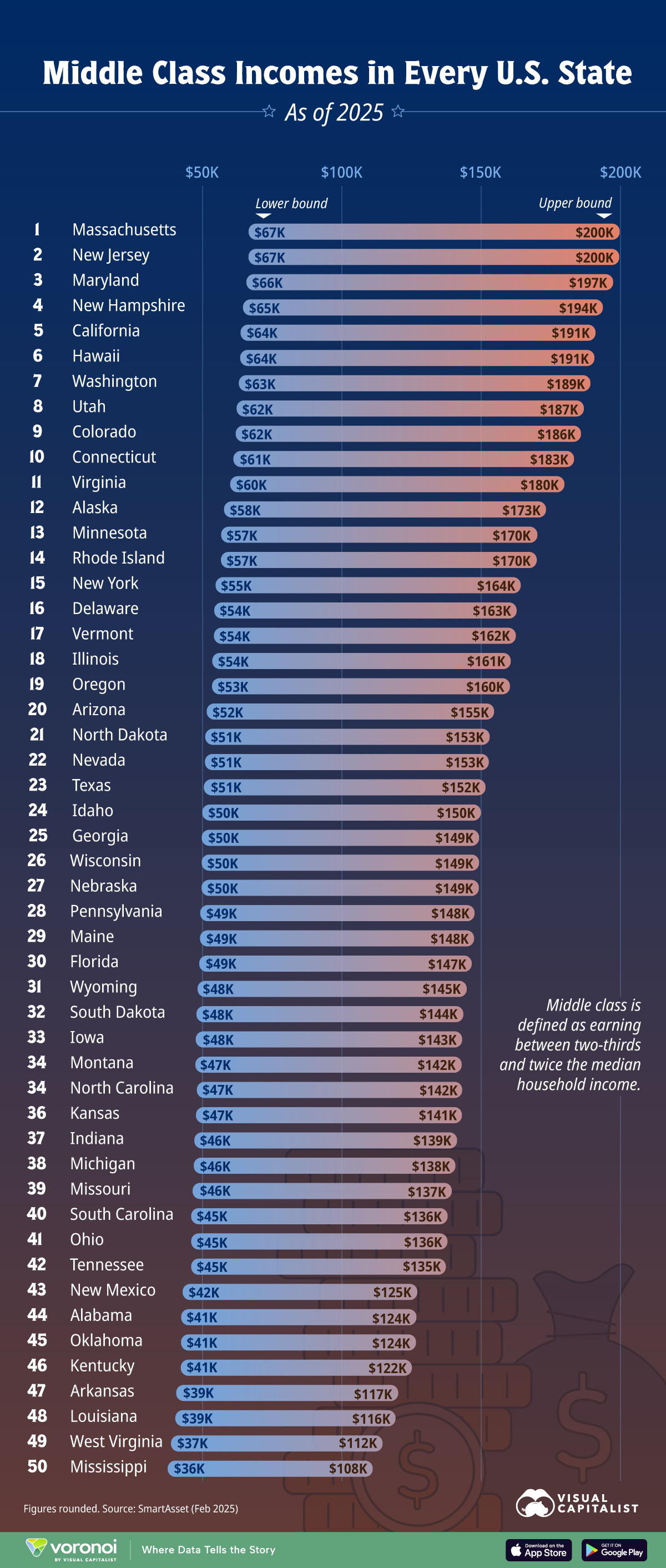
Defining the Elusive Middle Class: Beyond the Bottom Line
The very definition of “middle class” is a moving target. Historically, it referred to a segment of society positioned between the working class and the wealthy elite. However, in the 21st century, this definition is heavily influenced by several key factors:
- Geographic Location: What constitutes a middle-class salary in a bustling metropolis like San Francisco or New York City will be vastly different from what it is in a smaller, more rural town. The cost of living – housing, transportation, food, and utilities – plays an enormous role in determining purchasing power and lifestyle. A salary that might be considered comfortable in one region could be barely enough to scrape by in another.
- Household Size and Dependents: A single individual earning a certain amount will have a different financial experience than a family of four with the same income. The presence of children, elderly parents, or other dependents significantly increases expenses, shifting the perception of what’s considered a “comfortable” or “middle-class” income.
- Lifestyle Expectations: Beyond mere survival, the middle class is often associated with a certain lifestyle. This includes the ability to own a home (or at least afford stable housing), save for retirement, afford quality education for children, enjoy leisure activities, and have a degree of financial security to weather unexpected emergencies. These aspirations are often informed by societal norms and the visibility of others’ lifestyles, often amplified by digital platforms.
- Income vs. Wealth: It’s important to distinguish between salary (income) and wealth. A high salary doesn’t automatically translate to wealth if it’s consumed entirely by expenses. True financial security often comes from accumulated assets, investments, and a healthy net worth, which are the results of consistent saving and smart financial decisions over time.
How Technology Shapes Income Perception and Opportunity
The tech industry has been a primary driver of economic shifts, creating new avenues for income and redefining traditional career paths.
The Rise of the Digital Economy and its Impact on Salaries
The rapid advancement of technology has democratized many aspects of work and business. This has led to both increased opportunities and greater competition.
- High-Demand Tech Skills: Roles in software development, data science, artificial intelligence, cybersecurity, and digital marketing often command high salaries. The demand for skilled professionals in these areas consistently outstrips supply, pushing compensation upwards. These are often considered strong contributors to a middle-class or even upper-middle-class income.
- Gig Economy and Freelancing: Platforms have enabled individuals to leverage their skills as freelancers or independent contractors. While this offers flexibility, income can be variable. For some, it’s a lucrative side hustle supplementing a primary income, while for others, it’s their sole source of earnings. Defining a “middle-class” salary in this context is challenging due to income fluctuations and the absence of traditional benefits.
- Automation and Job Displacement: Conversely, automation and AI are also transforming industries, potentially displacing workers in certain sectors and creating downward pressure on wages for less specialized roles. This underscores the importance of continuous learning and adapting to new skill requirements.
- Digital Divide: It’s also worth noting the “digital divide.” Access to technology, reliable internet, and digital literacy are no longer luxuries but necessities for participating fully in the modern economy. Those without these resources may find themselves at a disadvantage in the job market, impacting their earning potential.
Leveraging Technology for Financial Growth
The same technology that shapes the job market can be a powerful tool for personal finance management and wealth creation.
- Personal Finance Apps and Budgeting Tools: From expense trackers to budgeting apps, technology offers a wealth of tools to help individuals understand their spending habits, identify areas for savings, and plan for financial goals. This granular control over finances is fundamental to achieving and maintaining a middle-class lifestyle.
- Online Investing Platforms: The barriers to entry for investing have been significantly lowered by online brokerage platforms and robo-advisors. This allows individuals to participate in the stock market, real estate investment trusts (REITs), and other investment vehicles, potentially growing their wealth beyond their active income.
- Financial Education and Resources: The internet is awash with free and affordable resources for learning about personal finance, investing, and money management. Webinars, blogs, podcasts, and online courses empower individuals to make informed financial decisions, which is crucial for long-term stability.
Brand and Reputation: The Intangible Assets of Income
In today’s hyper-connected world, your personal brand and professional reputation are increasingly valuable assets that can directly influence your earning potential and your perception of financial well-being.
The Power of Personal Branding in the Job Market
A strong personal brand can set you apart in a competitive job market, making you a more attractive candidate and potentially leading to higher salaries.
- Showcasing Skills and Expertise: Platforms like LinkedIn, personal websites, and even well-curated social media profiles allow individuals to showcase their skills, accomplishments, and thought leadership. This visibility can attract recruiters and potential employers.
- Building Trust and Credibility: A consistent and authentic personal brand builds trust and credibility. When employers or clients perceive you as reliable and expert in your field, they are more likely to invest in your services, which can translate into better compensation.
- Networking and Opportunities: A well-developed personal brand facilitates networking. By actively engaging online and offline, you can build connections that lead to job opportunities, collaborations, and mentorship, all of which can positively impact your income trajectory.
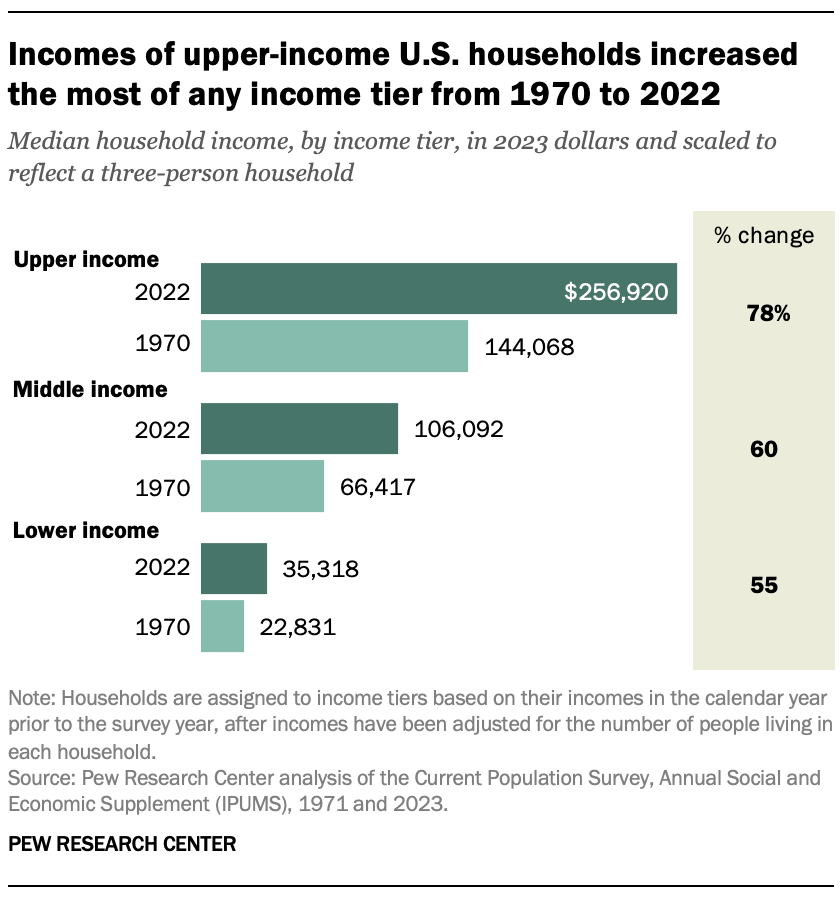
Corporate Identity and its Influence on Employee Value
While personal branding focuses on the individual, the strength of a company’s brand also plays a role in its ability to attract and retain talent, influencing the salary ranges offered.
- Reputation and Compensation: Companies with strong, positive brand reputations often have an easier time attracting top talent. This demand can allow them to offer competitive salaries and benefits packages, contributing to a higher perceived “middle-class” salary within that organization.
- Brand Alignment and Employee Morale: When employees feel aligned with a company’s values and mission (its brand identity), it can lead to higher job satisfaction and productivity, which can indirectly contribute to earning potential through promotions and bonuses.
Measuring Your Financial “Brand”
Beyond professional reputation, how you manage your finances also contributes to your overall financial “brand” – your perceived financial health and stability.
- Financial Literacy as a Brand Attribute: Demonstrating a strong understanding of personal finance and investing can be seen as a positive attribute, signaling responsibility and foresight. This can influence not only how others perceive you but also your own confidence in managing your money effectively.
- Transparency and Financial Well-being: While not directly about public branding, the internal “brand” of your financial life – your ability to live within your means, save, and invest – is what truly defines your financial security and your experience of being middle class.
Money: The Cornerstone of Middle-Class Stability
Ultimately, a middle-class salary is about achieving a certain level of financial stability, security, and the ability to pursue life’s goals. This requires a strategic approach to personal finance, investing, and income generation.
Personal Finance Strategies for the Middle Class
Effective personal finance management is the bedrock upon which a middle-class lifestyle is built.
- Budgeting and Expense Tracking: Understanding where your money goes is the first step. Creating a realistic budget, tracking expenses diligently, and identifying areas for reduction are essential.
- Debt Management: High-interest debt, such as credit card debt, can be a significant drain on income. Prioritizing debt repayment is crucial for freeing up funds for saving and investing.
- Emergency Fund: A robust emergency fund, typically covering 3-6 months of living expenses, provides a vital safety net against unexpected job loss, medical emergencies, or other unforeseen circumstances. This security is a hallmark of middle-class stability.
- Retirement Planning: Early and consistent saving for retirement is non-negotiable. Leveraging employer-sponsored retirement plans (like 401(k)s) and individual retirement accounts (IRAs) is key to long-term financial independence.
Investing for Growth: Making Your Money Work for You
Beyond saving, investing is how individuals can grow their wealth and outpace inflation, securing their financial future.
- Diversification: Spreading investments across different asset classes (stocks, bonds, real estate, etc.) helps mitigate risk.
- Long-Term Perspective: Investing is often a marathon, not a sprint. A long-term perspective allows for compounding growth and the ability to ride out market fluctuations.
- Understanding Risk Tolerance: Every individual has a different comfort level with risk. Understanding your risk tolerance is crucial for choosing investments that align with your financial goals and emotional capacity.
- The Role of Financial Advisors: For those who find investing complex, consulting with a qualified financial advisor can provide personalized guidance and a strategic roadmap.
Maximizing Income Streams: Beyond the Traditional Salary
In today’s economy, relying on a single income source can be precarious. Exploring multiple income streams is a smart strategy for enhancing financial security and potentially elevating your status beyond the basic definition of middle class.
- Side Hustles and Freelancing: As mentioned earlier, leveraging skills and passions through side hustles can significantly boost income. This could range from freelance writing and graphic design to tutoring, selling crafts online, or offering consulting services.
- Passive Income Opportunities: Exploring avenues for passive income, such as rental properties, dividend-paying stocks, or creating and selling digital products, can provide income that requires less active involvement over time.
- Entrepreneurship: For those with a strong vision and entrepreneurial spirit, starting a business, whether online or offline, offers the potential for significant financial rewards, though it also comes with inherent risks.

Conclusion: Defining Your Middle-Class Salary in a Dynamic World
The question of “what is a middle-class salary” is not static. It’s a dynamic calculation influenced by your location, your responsibilities, your lifestyle aspirations, and your financial savviness. In the digital age, the tools and opportunities to define and achieve this financial status are more accessible than ever.
By understanding the interplay of technology, personal branding, and sound financial management, individuals can navigate the complexities of modern income and build a foundation for a secure and fulfilling life. It’s not just about the number on a paycheck, but the financial freedom, opportunities, and peace of mind that income provides. As the economic landscape continues to evolve, a proactive and informed approach to earning, managing, and growing your money will be the key to defining and thriving within your own version of the middle class.
aViewFromTheCave is a participant in the Amazon Services LLC Associates Program, an affiliate advertising program designed to provide a means for sites to earn advertising fees by advertising and linking to Amazon.com. Amazon, the Amazon logo, AmazonSupply, and the AmazonSupply logo are trademarks of Amazon.com, Inc. or its affiliates. As an Amazon Associate we earn affiliate commissions from qualifying purchases.