
The Silent Architect of Your Sound
In the intricate world of audio, where sound waves transform into electrical signals and ultimately into the recordings we hear, many components play a crucial role. While microphones capture the raw sound and the digital-to-analog converters preserve the sonic integrity, there’s a vital, often unsung hero that bridges the gap: the microphone preamplifier, or mic preamp. This deceptively simple-sounding device is, in essence, the silent architect of your sound. Without it, the delicate signals generated by most microphones would be too weak to be effectively processed, leaving you with little more than a whisper in the digital realm. Understanding what a mic preamp is, how it functions, and why it’s indispensable is fundamental for anyone venturing into audio production, live sound reinforcement, or even sophisticated podcasting.
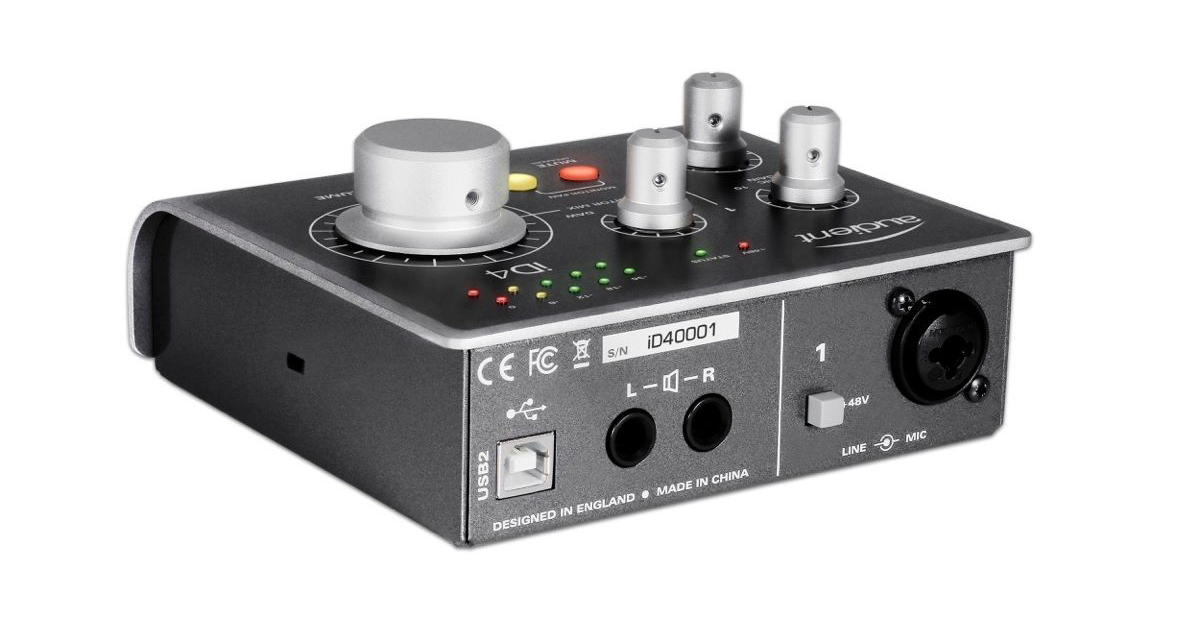
This article delves deep into the world of mic preamps, dissecting their purpose, exploring their technical nuances, and highlighting their impact on the quality and character of audio. We will navigate the fundamental principles that govern their operation, differentiate between various types and their applications, and shed light on how selecting the right preamp can elevate your audio to professional standards.
The Fundamental Role of the Mic Preamp
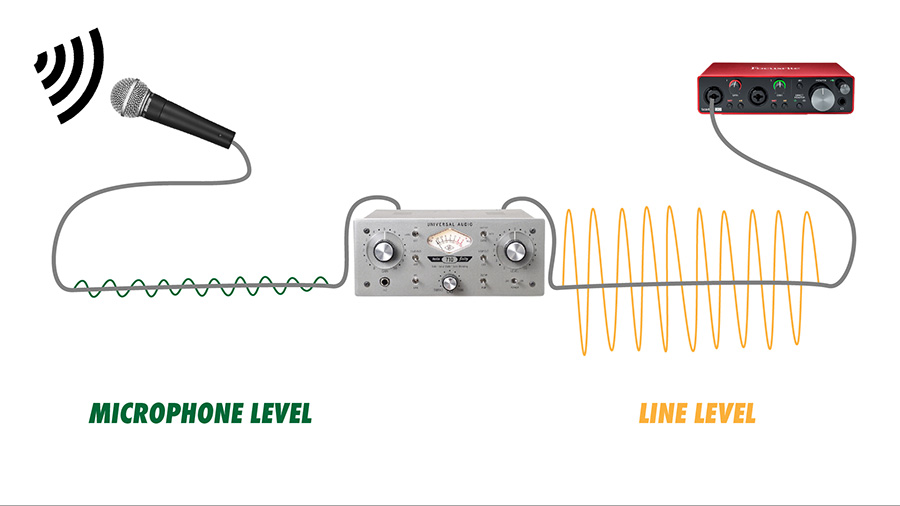
At its core, a microphone preamp serves a singular, critical purpose: to amplify the weak electrical signal produced by a microphone to a usable “line level.” This might sound straightforward, but the implications of this amplification are far-reaching and profoundly affect the final audio quality.
Understanding Microphone Signals
Microphones, by their very nature, convert acoustic energy into electrical energy. This conversion process is remarkably sensitive, and the resulting electrical signal, known as the “mic level” signal, is extremely low in voltage. Think of it as a faint whisper. This low-level signal is susceptible to noise interference from a variety of sources, including electromagnetic interference from cables and external electronic devices. If this signal were to be directly fed into subsequent audio processing equipment, such as mixers, audio interfaces, or digital recording devices, the inherent noise would be amplified along with the desired audio, resulting in a compromised, noisy recording.
The Amplification Imperative
This is where the mic preamp steps in. It acts as a powerful, yet controlled, amplifier. Its primary job is to boost the mic-level signal by a significant amount, typically 40 to 60 decibels (dB), bringing it up to a robust “line level” signal. Line level signals are much stronger and more resilient to noise, making them ideal for further processing. This amplification needs to be achieved with minimal introduction of its own noise and distortion. A high-quality mic preamp will amplify the desired audio signal faithfully, preserving its nuances and dynamics, while adding as little audible noise as possible.
Beyond Mere Amplification: Coloration and Character
While amplification is the preamp’s primary function, it’s crucial to understand that not all preamps are created equal. The design and components used in a mic preamp can impart a distinct “coloration” or “character” to the sound. This isn’t necessarily a negative trait; in fact, it’s often a highly desirable characteristic. Different preamp designs, utilizing various electronic components like vacuum tubes (valves) or transistors, can introduce subtle harmonic distortions, saturation, or tonal shaping that can enhance a vocal performance, add warmth to an acoustic guitar, or provide a punchy character to a drum kit. This sonic “flavor” is a significant factor in the appeal of certain preamps and is a key consideration for audio engineers seeking specific sonic textures.
The Anatomy of a Mic Preamp: Key Components and Technologies
Understanding the internal workings of a mic preamp provides deeper insight into why different units sound and perform differently. While the external interface might seem simple, the internal architecture is where the magic happens.
Input Stage: The Gateway for Sound
The input stage is the first point of contact for the microphone’s signal. This section is designed to receive the balanced signal from most professional microphones, which typically use XLR connectors. Balanced connections employ three conductors: one for the positive signal, one for the negative signal (which is out of phase with the positive signal), and a ground. This configuration is excellent for rejecting common-mode noise, meaning any noise picked up equally by both the positive and negative signal wires is canceled out when the signals are recombined later in the circuit.
The input stage also often incorporates features like:
- Phantom Power (+48V): Many condenser microphones require phantom power to operate. This is a DC voltage that is sent down the microphone cable, typically through the same XLR connector. The preamp’s input stage is responsible for providing this clean, regulated voltage.
- Phase/Polarity Reverse Switch: This switch inverts the polarity of one of the signal conductors. While seemingly simple, it can be invaluable for correcting phase issues when recording multiple microphones simultaneously, such as on drum kits or stereo instruments.
- Input Impedance Control: The input impedance of a preamp affects how it loads the microphone. Different microphones have different output impedances, and matching or creatively mismatching the impedance can subtly alter the tone and frequency response of the microphone. Some high-end preamps offer variable input impedance.
Gain Stage: The Heart of Amplification
This is where the actual amplification takes place. The gain stage is responsible for increasing the signal level from mic level to line level. The quality of the components used here significantly impacts the noise floor and the sonic characteristics of the preamp.
- Transistor-Based Preamps (Solid-State): These preamps typically use transistors (like JFETs or bipolar transistors) for amplification. They are often characterized by their transparency, speed, and low noise floor. Many modern preamps fall into this category, offering clean and accurate amplification.
- Vacuum Tube (Valve) Preamps: These preamps utilize vacuum tubes to amplify the signal. Tubes are known for their ability to introduce pleasant harmonic distortion, warmth, and a “larger than life” sound. As the signal level increases, tubes can gently compress and saturate, adding a desirable analog character. This coloration is often sought after for vocals and instruments where a rich, organic tone is desired.
- Hybrid Preamps: These designs combine both solid-state and tube components. They might use solid-state circuitry for the initial gain stage and then a tube stage for further amplification and coloration, or vice versa. This allows engineers to leverage the benefits of both technologies.
Output Stage: Sending the Signal Onward
The output stage takes the amplified signal and prepares it to be sent to the next piece of equipment. This stage needs to be able to drive the subsequent circuitry without distortion.

- Output Transformers: In many classic analog preamps, particularly those designed with tubes, output transformers play a crucial role. These magnetic components can add further harmonic content and influence the overall tonal balance and impedance matching. They are often considered a significant contributor to the “sound” of vintage gear.
- Line Driver Circuitry: This ensures that the preamp can send a strong, clean signal over long cable runs without signal degradation.
Types of Mic Preamps and Their Applications
The versatility of mic preamps means they are found in a wide array of audio devices, each tailored for specific purposes. Understanding these different forms can help you identify the right solution for your needs.
Integrated Preamps in Mixers and Audio Interfaces
For many home studio enthusiasts and beginners, the most accessible mic preamps are those integrated directly into mixing consoles or audio interfaces. These devices combine multiple audio functions into a single unit.
- Audio Interfaces: These are dedicated hardware devices that connect to your computer, converting analog audio signals into digital data for recording and vice versa. Most audio interfaces feature at least one or two microphone preamps on their inputs, allowing you to plug in microphones directly. The quality of these integrated preamps can vary significantly. Entry-level interfaces may have more basic, functional preamps, while higher-end models boast premium preamps designed for professional use, often offering superior clarity and lower noise.
- Mixing Consoles (Mixers): Mixers, both analog and digital, also incorporate mic preamps. In analog mixers, each channel strip will typically have a mic preamp. Digital mixers can have a mix of integrated preamps and digital inputs. These preamps are designed for live sound applications as well as studio recording, offering multiple inputs for capturing various sound sources simultaneously.
Standalone Mic Preamps
For those seeking greater control over their sound quality and tonal options, standalone mic preamps offer a dedicated solution. These units are purely focused on the task of microphone amplification and often provide superior performance and sonic character compared to integrated preamps.
- Single-Channel Preamps: These are compact units designed for one microphone input. They are ideal for solo vocalists, podcasters, or those who want to experiment with a high-quality preamp for a specific instrument.
- Multi-Channel Preamps: These units offer two or more microphone inputs, making them suitable for recording multiple instruments or vocalists simultaneously, or for capturing stereo sources. They are a staple in professional studios.
- Rackmount Preamps: These are designed to be mounted in standard 19-inch equipment racks, common in professional studios and live sound setups. They often offer a higher channel count and more advanced features.
Channel Strips
A channel strip is a more comprehensive piece of audio hardware that combines a mic preamp with other signal processing tools on a single channel.
- Components: Typically, a channel strip will include a mic preamp, an equalizer (EQ) for tonal shaping, a compressor for dynamic control, and sometimes a gate or de-esser.
- Benefits: This all-in-one design streamlines the workflow, allowing engineers to perform multiple processing tasks on a single track without needing separate units for each function. The preamps in channel strips are often of high quality, designed to impart a desirable sonic character.
The Impact of Mic Preamps on Audio Quality and Workflow
The choice of microphone preamp is not merely a technical detail; it’s a creative decision that can profoundly influence the final audio product and the efficiency of your recording process.
Enhancing Sonic Detail and Clarity
A high-quality mic preamp is characterized by its ability to amplify the microphone’s signal with exceptional fidelity. This means preserving the subtle nuances of the performance, from the breath of a singer to the delicate attack of a plucked string. A transparent preamp adds minimal coloration, allowing the true character of the microphone and the source to shine through. This clarity is essential for achieving professional-sounding recordings, especially in genres that demand pristine reproduction, such as classical music or acoustic folk.
Imparting Desired Tonal Character and Warmth
Conversely, some preamps are designed to add a specific sonic signature. Tube preamps, for example, are renowned for their ability to introduce a pleasing warmth, richness, and subtle harmonic distortion. This “analog warmth” can make vocals sound more present and commanding, guitars more full-bodied, and drums more impactful. This ability to “color” the sound is a creative tool for engineers, helping them sculpt the tone to fit the musical context. The choice between a transparent preamp and a colored one often depends on the desired aesthetic and the nature of the audio being recorded.
Reducing Noise and Improving Signal-to-Noise Ratio
As mentioned earlier, the low signal level from microphones makes them susceptible to noise. A good mic preamp not only amplifies the desired signal but does so with a very low noise floor. This means that even with significant gain applied, the inherent noise of the preamp itself remains below the audible threshold. A high signal-to-noise ratio (SNR) ensures that your recordings are clean and free from hiss or hum, providing a solid foundation for mixing and mastering.
Streamlining Workflow and Creativity
Having access to quality preamps, whether integrated into an interface or as standalone units, can significantly impact the recording workflow. For podcasters or solo musicians, a good preamp on their audio interface can provide a direct path to professional-sounding audio without the need for complex setups. For seasoned professionals, a rack of high-end preamps can offer a diverse palette of sonic options, allowing them to quickly dial in the perfect tone for any given source. Channel strips, in particular, offer a consolidated workflow, enabling rapid processing and creative experimentation during tracking. Ultimately, a well-chosen mic preamp empowers creators to capture their sonic vision with greater fidelity and efficiency.
In conclusion, the mic preamp, though often overlooked by the casual listener, is an indispensable component in the chain of audio creation. It is the vital intermediary that transforms the whisper of a microphone into a powerful signal, ready to be shaped and preserved. Its design and quality directly influence the clarity, character, and overall fidelity of recorded sound, making it a cornerstone of professional audio production.
aViewFromTheCave is a participant in the Amazon Services LLC Associates Program, an affiliate advertising program designed to provide a means for sites to earn advertising fees by advertising and linking to Amazon.com. Amazon, the Amazon logo, AmazonSupply, and the AmazonSupply logo are trademarks of Amazon.com, Inc. or its affiliates. As an Amazon Associate we earn affiliate commissions from qualifying purchases.