
The inquiry “what is a Mexican blanket called?” might seem straightforward, yet it opens a fascinating dialogue on brand identity, cultural nomenclature, and the intricate ways products acquire and maintain their perceived value in the marketplace. Unlike a corporate product with a singular, trademarked name, the “Mexican blanket” embodies a rich tapestry of names, each denoting specific styles, origins, and cultural significance. For businesses and individuals engaging with these textiles, understanding this diverse nomenclature is not merely an academic exercise; it is fundamental to authentic brand positioning, effective marketing, and ethical cultural engagement.

Beyond a Single Name: The Diverse Identity of a Cultural Icon
The notion that there is one universal name for a “Mexican blanket” overlooks centuries of regional weaving traditions, material innovations, and functional adaptations. What one person calls a Mexican blanket, another might recognize by a more specific, culturally loaded term. This multiplicity is a powerful testament to the item’s widespread influence and its deep roots within various communities across Mexico and beyond.
For brands, this presents both a challenge and an opportunity. The challenge lies in navigating consumer expectations that often default to a generic “Mexican blanket” label, potentially obscuring the nuanced craftsmanship and specific identities embedded within each distinct style. The opportunity, however, is immense: by delving into the authentic names and their histories, brands can craft narratives that resonate with cultural integrity, educate consumers, and ultimately build a more robust, respectful, and differentiated market presence. Accurate naming becomes a cornerstone of brand strategy, allowing companies to tap into specific consumer desires—whether for a rugged outdoor accessory, a decorative home textile, or a piece of wearable art with deep historical significance. Ignoring these distinctions risks flattening a rich cultural product into a generic commodity, diminishing its intrinsic value and the potential for authentic brand connection.
Key Nomenclatures and Their Distinctive Brand Attributes
To effectively brand and market these textiles, a precise understanding of their common names and associated characteristics is paramount. Each name carries a unique brand identity, evoking specific images, uses, and cultural associations.
The Serape: A Symbol of Heritage and Functionality
The serape (sometimes spelled sarape) is perhaps one of the most iconic forms of Mexican blanket, instantly recognizable by its vibrant, often vertical, striped patterns and a central opening (or design for an opening) that suggests its original use as a poncho-like garment. Originating from pre-Hispanic traditions and evolving through the colonial period, the serape is more than just a blanket; it’s a versatile textile that served as clothing, bedding, and even a carrying sack.
- Brand Association: Authenticity, tradition, dual functionality (garment and blanket), and a deep connection to Mexican heritage. Brands using “serape” evoke a sense of historical richness and enduring cultural significance. Its visual brand identity is strongly linked to bold, contrasting stripes and a substantial, durable weave.
The Falsa Blanket: Casual Appeal and Modern Popularity
The falsa blanket (pronounced FALL-sah) has gained significant popularity, particularly in contemporary counter-culture movements and among outdoor enthusiasts. Characterized by a looser weave, a softer texture, and often featuring a distinct central diamond or “thunderbird” pattern, alongside multi-colored stripes and fringed edges, the falsa offers a more casual aesthetic. Its name, “falsa,” meaning “false” or “imitation,” is debated, with some suggesting it implies a less traditional or less finely woven style compared to historical serapes, though it has developed its own authentic identity.
- Brand Association: Comfort, bohemian style, relaxed outdoor living, affordability, and association with surfing, van life, and festival culture. Brands targeting younger, more adventurous demographics often leverage the “falsa” identity for its laid-back, accessible vibe.
The Saltillo Serape: A Legacy of Intricate Design
Considered the pinnacle of Mexican blanket craftsmanship, the Saltillo serape is a testament to extraordinary weaving artistry. Hailing from Saltillo, Coahuila, these textiles are distinguished by their exceptionally fine weave, incredibly intricate geometric patterns—often radiating from a central diamond or medallion—and a dazzling array of vibrant, often naturally dyed, colors. Traditionally, a Saltillo serape was a luxury item, a prized possession, and a symbol of status.
- Brand Association: Luxury, artistry, heritage craft, exclusivity, and premium quality. Brands positioning products as high-end, collector’s items, or fine artisan goods would appropriately use “Saltillo serape” to communicate unparalleled craftsmanship and cultural reverence.
The Baja Blanket: A Regional Identity with Global Reach
The Baja blanket is often synonymous with the falsa blanket in terms of style and function, but its specific branding ties it directly to the Baja California peninsula. Its widespread adoption by surfers, travelers, and artisans visiting or residing in the region cemented its name. It evokes images of sun-drenched beaches, rugged landscapes, and a carefree, adventurous spirit.
- Brand Association: Adventure, coastal lifestyle, youth culture, a relaxed and earthy aesthetic. Brands focused on outdoor gear, travel accessories, or bohemian fashion often employ “Baja blanket” to conjure a specific regional and lifestyle image.
Other Regional Variations and Generic Terms
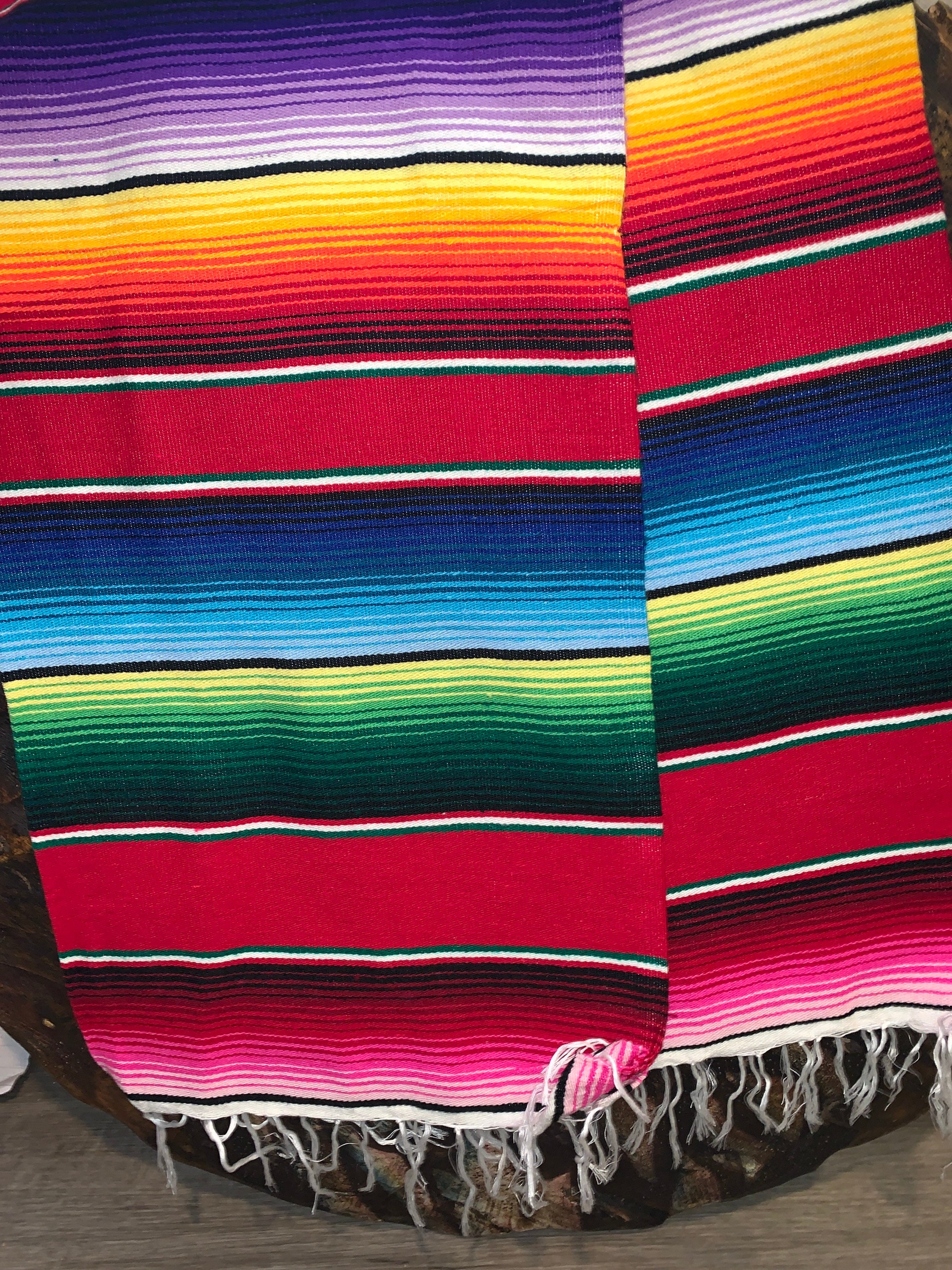
Beyond these prominent types, numerous regional variations exist, each with local names reflecting specific weaving techniques, materials, or patterns. General Spanish terms like cobija (blanket) or manta (shawl/blanket/cloth) are also used broadly but lack the specific brand identity of the aforementioned styles. Understanding these distinctions allows brands to accurately categorize, describe, and market their products, avoiding generic descriptors that dilute cultural specificity.
Cultural Context and Brand Perception
The nomenclature of Mexican blankets is deeply intertwined with their cultural context. Regional origin, historical use, and traditional weaving techniques profoundly influence their brand identity and consumer perception. A Saltillo serape, for instance, carries the weight of a distinguished artisan tradition, commanding respect and a higher perceived value due to its historical craftsmanship. A falsa, while authentic in its own right, evokes a different set of values—comfort, accessibility, and a contemporary, casual style.
For brands, this means that the choice of name is not just a descriptor but a powerful branding tool. It signals what the product represents, who it’s for, and the story it carries. Ethical branding, in this context, involves respecting the origins of these names, understanding their connotations, and avoiding their misuse. Misappropriating names or applying them incorrectly can lead to a perception of inauthenticity, undermining a brand’s credibility and potentially causing offense. Conversely, brands that clearly articulate the cultural significance and specific identity of their blankets foster trust and build a deeper connection with consumers who value authenticity and cultural respect.
Leveraging Traditional Identity in Modern Marketing
In today’s global marketplace, where products often cross cultural boundaries, leveraging the traditional identity of Mexican blankets requires strategic foresight and respect.
Naming Strategies for Authentic Brand Positioning
Brands can employ specific terms like “Serape,” “Falsa,” or “Saltillo” to precisely target specific market segments. For instance, a brand focusing on high-end home decor might feature “Handwoven Saltillo Serape Throws,” emphasizing artistry and luxury. A brand catering to outdoor enthusiasts might market “Durable Baja Blankets for Camping,” highlighting utility and adventure. Clarity in product descriptions is paramount; it educates consumers, demystifies the nomenclature, and builds trust by demonstrating knowledge and respect for the product’s origins. Storytelling, whether through website content, social media, or packaging, can connect products to their origins, the artisans, and the cultural significance, transforming a mere blanket into a narrative piece.
Design Elements as Brand Cues
Beyond the name, the visual characteristics—colors, patterns, and weave types—are critical brand identifiers. Companies can adapt traditional designs for contemporary tastes while maintaining authenticity by collaborating with artisans, understanding historical patterns, and innovating respectfully. For example, a modern brand might offer Saltillo-inspired patterns in a minimalist color palette, appealing to a broader design aesthetic without abandoning the core visual language. The key is to ensure that adaptations enhance, rather than diminish, the original cultural identity.
The E-commerce Landscape and Brand Clarity
In the competitive e-commerce landscape, differentiation is crucial. With countless listings for “Mexican blankets,” precise branding and educational content become indispensable. Brands that clearly distinguish a “falsa” from a “serape,” explaining the differences in weave, pattern, and historical context, will stand out. High-quality product photography, detailed descriptions, and transparent sourcing information build a brand reputation for integrity and expertise, attracting discerning customers and fostering long-term loyalty.
Protecting Authenticity and Cultural Branding in a Global Market
The globalization of traditional crafts brings challenges, particularly concerning the protection of authenticity and cultural branding.
The Threat of Mislabeling and Genericization
One significant threat is the mislabeling or genericization of culturally specific names. When “serape” or “baja” becomes a generic term applied to any striped blanket, regardless of its origin, materials, or weaving method, it dilutes the identity and value of genuine artisan products. This not only confuses consumers but also undermines the economic well-being of the original artisans and communities whose heritage is being appropriated. Such practices can lead to market saturation with inauthentic products, making it harder for genuine crafts to compete.
Best Practices for Ethical Sourcing and Branding
Ethical sourcing and branding are critical to mitigating these risks. Brands committed to cultural respect engage in transparent supply chains, ensuring fair compensation and sustainable practices for artisan communities. Partnerships with indigenous weavers and cooperatives, alongside certifications like fair trade, provide tangible proof of a brand’s commitment. Educating consumers about the importance of authentic products, the labor involved, and the cultural significance empowers them to make informed choices that support genuine craftsmanship and heritage. This approach not only protects the cultural integrity of the products but also enhances the brand’s reputation as socially responsible and trustworthy.

Building a Brand That Respects Heritage
Ultimately, building a brand around cultural products like Mexican blankets requires moving beyond mere inspiration to genuine collaboration and respect. This means investing in relationships with artisan communities, acknowledging intellectual property (even if informal), and ensuring that the economic benefits flow back to the originators. A brand that genuinely respects heritage and prioritizes authenticity will build long-term value, fostering a loyal customer base that appreciates not just the product, but the rich cultural narrative it embodies. This strategy transforms a simple textile into a powerful emblem of shared humanity and craftsmanship.
aViewFromTheCave is a participant in the Amazon Services LLC Associates Program, an affiliate advertising program designed to provide a means for sites to earn advertising fees by advertising and linking to Amazon.com. Amazon, the Amazon logo, AmazonSupply, and the AmazonSupply logo are trademarks of Amazon.com, Inc. or its affiliates. As an Amazon Associate we earn affiliate commissions from qualifying purchases.