
In our increasingly interconnected and data-driven world, understanding fundamental concepts like measurement becomes crucial. While we often interact with technology, brands, and financial systems daily, the underlying principles that allow these to function rely on precise and standardized measurements. One such fundamental concept is weight, and when we talk about standardized measurements, the metric system is the global standard. This article delves into what constitutes a metric unit for weight, exploring its foundational principles and its relevance in today’s tech-driven, brand-conscious, and financially active landscape.
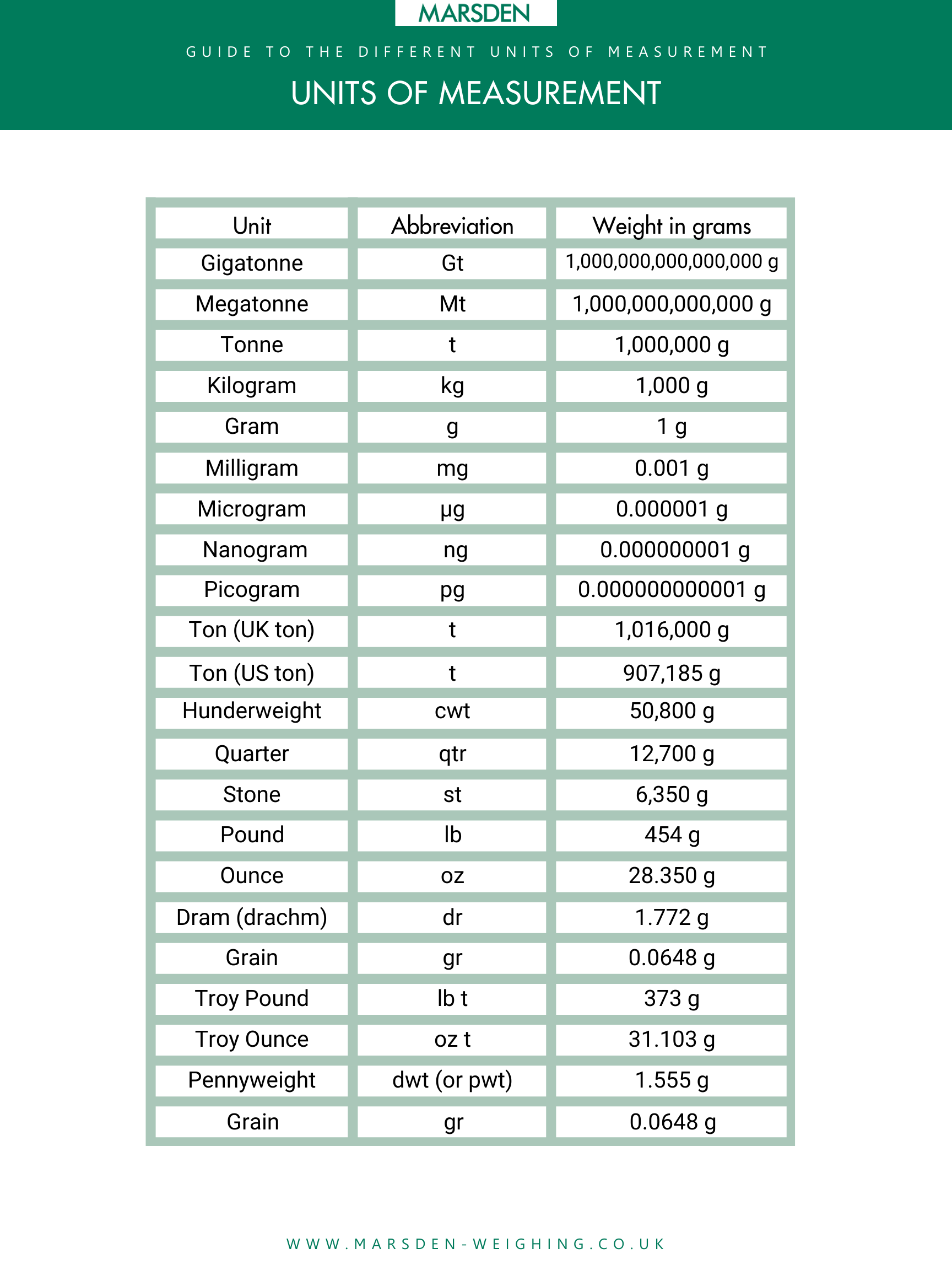
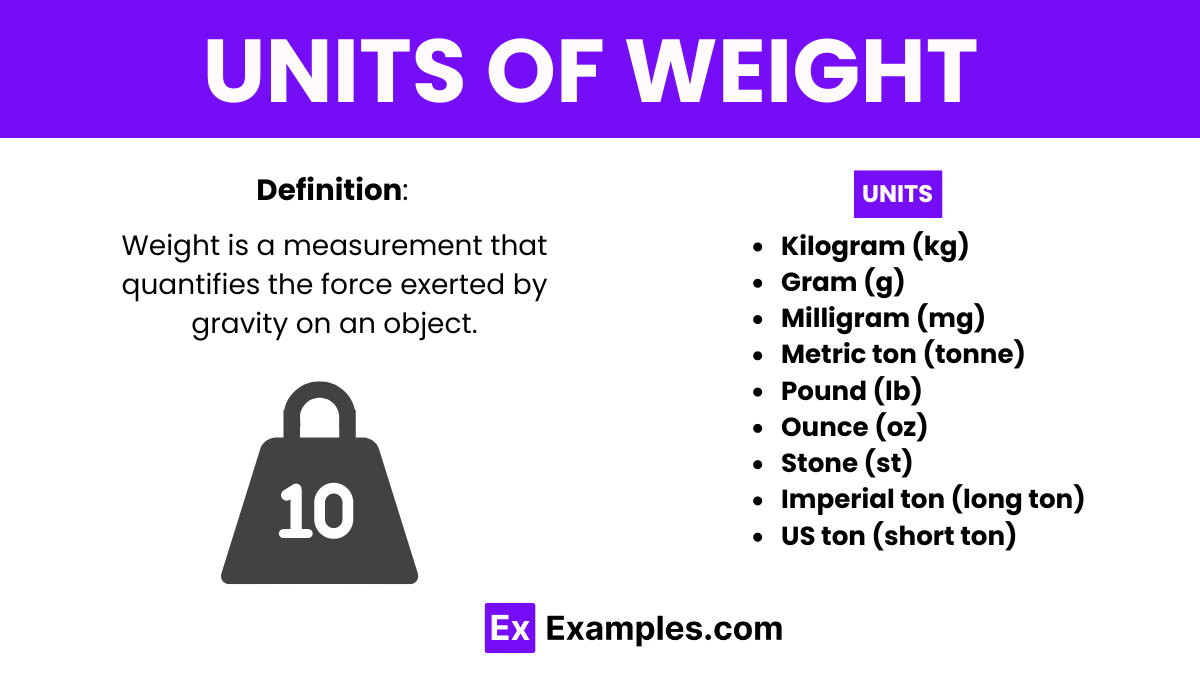
The question “what is a metric unit for weight” might seem straightforward, but it quickly leads us to a more accurate scientific understanding: the metric system primarily measures mass, not strictly “weight.” While in everyday language we often use “weight” interchangeably with “mass,” in scientific and technical contexts, there’s a distinction. Weight is a measure of the force of gravity on an object’s mass, whereas mass is the amount of matter in an object. In the metric system, the primary unit for measuring mass is the kilogram (kg).
The Foundation: Kilograms and the Metric System
The metric system, formally known as the International System of Units (SI), is a decimal-based system of measurement. It was established in France in the late 18th century and has since been adopted by the vast majority of countries worldwide. Its elegance lies in its consistency and the ease with which units can be converted through powers of ten.
The Kilogram (kg): The Cornerstone of Mass Measurement
The kilogram is the base unit of mass in the International System of Units (SI). It’s defined by a specific physical constant, historically based on a physical artifact (the International Prototype of the Kilogram, or “Le Grand K”) but now based on fundamental physical constants. This definition ensures that the kilogram is a universal and unchanging standard, independent of any specific location or material.
A kilogram is a substantial amount of mass. To put it into perspective, a liter of water at its densest point (around 4°C) has a mass of approximately one kilogram. This familiar reference makes the kilogram relatable.
Grams (g) and Milligrams (mg): Smaller Scales of Measurement
While the kilogram is the base unit, the metric system provides a range of units for measuring mass at different scales. The gram (g) is a very common unit derived from the kilogram. One kilogram is equal to 1,000 grams. This means a gram is a much smaller unit of mass, often used for measuring things like ingredients in recipes, the weight of jewelry, or small electronic components.
Even smaller is the milligram (mg). One gram is equal to 1,000 milligrams. Milligrams are crucial in fields like medicine and pharmaceuticals, where precise dosages of active ingredients are essential. The accuracy required in these sectors highlights the importance of a well-defined and consistent unit of measurement like the milligram.
Beyond the Basics: Tonnes (t) for Larger Masses
For measuring very large masses, the metric system uses the tonne (t), also sometimes referred to as a metric ton. One tonne is equal to 1,000 kilograms. This unit is used for measuring things like the weight of vehicles, bulk agricultural products, or industrial materials.
Why Mass Over Weight?
The distinction between mass and weight is important, especially in scientific and technical contexts. Weight is a force, and it depends on the gravitational pull of the celestial body you are on. For example, an object will have less weight on the Moon than on Earth because the Moon’s gravitational pull is weaker. However, its mass – the amount of matter it contains – remains the same regardless of location.
The metric unit for force is the newton (N). So, while we often colloquially ask for “the weight” of something, in a scientific setting, we’re typically concerned with its mass, measured in kilograms. When a scale displays “kilograms,” it’s actually measuring the force (weight) and then calculating the mass based on the known gravitational acceleration.
Metric Units and Their Relevance in a Digital World
The precision and universality of the metric system are fundamental to the functioning of many aspects of our modern digital lives, from the technology we use to the brands we interact with and the financial systems we navigate.
H2: Technology: Precision in Pixels and Processors
In the realm of technology, even the slightest deviation in measurement can lead to significant problems. The metric system, with its standardized units, ensures that components can be manufactured and integrated with incredible accuracy.
H3: Gadgets and Components: From Millimeters to Nanometers
Consider the smartphones in our pockets. The precision required to manufacture these devices is astounding. The tiny processors, memory chips, and sensors are measured in micrometers and even nanometers. The metric prefixes “micro” (one millionth) and “nano” (one billionth) are essential tools for engineers and manufacturers. Without a consistent system like the metric one, designing and assembling these complex devices would be virtually impossible.
For instance, the manufacturing process for semiconductor wafers, the foundation of most modern electronics, involves etching circuits at scales measured in nanometers. The diameter of a wafer itself might be measured in centimeters or millimeters. Every step, from the raw materials to the finished product, relies on precise metric measurements to ensure compatibility and functionality.
H3: Data Storage and Transfer: Bits, Bytes, and Beyond

While data itself isn’t “weighted” in the physical sense, the infrastructure that stores and transfers it operates on principles that benefit from standardization. The capacity of hard drives and SSDs are measured in bytes, kilobytes, megabytes, gigabytes, terabytes, and so on. These are powers of 10 (though technically, computer science often uses powers of 2, the prefixes are analogous and rooted in the decimal system’s logic). The speed of data transfer is measured in bits per second, kilobits per second, megabits per second, etc. The ability to quantify and compare storage and transfer speeds relies on a consistent and universally understood system.
The development and integration of AI tools, a rapidly growing sector within technology, also depend on precise measurements. The datasets used to train AI models are immense, and their size is quantified in gigabytes or terabytes. The computational power required to process these datasets is measured in operations per second, often in the petaFLOPS or exaFLOPS range. These large-scale measurements are intrinsically linked to the metric system’s structure.
H3: Software and Productivity Tools: Efficiency in Measurement
Even in software, the concept of efficient measurement is relevant. For example, in project management tools, task durations might be estimated in hours or days, adhering to a familiar metric scale. In performance analytics, processing times and resource utilization are often measured in milliseconds or seconds. These metrics help users understand the efficiency of their workflows and identify areas for improvement, ultimately contributing to digital productivity.
H2: Brand: The Weight of Reputation and Perception
While brands don’t have physical mass, they possess an intangible “weight” in the market and in the minds of consumers. This weight is built through reputation, marketing, and consistent delivery. The metric system’s principles of precision and scalability can offer insights into how brands are perceived and how their influence grows.
H3: Brand Strategy and Identity: Quantifying Impact
A successful brand strategy aims to create a strong and recognizable identity. This identity has a “weight” in terms of market share, brand recognition, and customer loyalty. While these are not directly measured in kilograms, the underlying principles of growth and impact can be thought of in terms of scalable units. For instance, a brand might aim to increase its market share by a certain percentage, a quantifiable goal. Its reach might be measured in millions of customers, a scale derived from our understanding of large numbers.
Marketing campaigns often involve quantifiable metrics like reach, engagement rates, and conversion rates. These metrics, while not physical weights, are crucial for assessing the effectiveness of a brand’s efforts. A campaign that reaches 10 million people is demonstrably larger in scope than one reaching 10,000. This ability to quantify and compare impact is a direct benefit of a standardized measurement system.
H3: Design and Aesthetics: The “Weight” of Visual Elements
In design, the concept of visual “weight” is often discussed. Designers use elements like color, typography, and layout to guide the viewer’s eye and create a desired aesthetic. A bold headline has more visual “weight” than a small footnote. While subjective, the principles of balance and emphasis in design can be analogized to how different masses interact. A well-designed logo, for instance, carries significant “weight” in terms of brand recognition and emotional connection.
Case studies of successful brands often highlight how they have scaled their operations and impact. This scaling involves managing resources, customer bases, and production – all of which require a meticulous understanding of quantities and proportions, underpinned by standardized measurement systems.
H2: Money: The Mass of Value and Investment
The world of finance is inherently about measurement, and the metric system plays a role in how we understand value, scale, and growth.
H3: Personal Finance and Budgeting: Grams of Savings, Kilograms of Debt
In personal finance, the metric system helps us conceptualize and manage our money. We track income and expenses in units like dollars, euros, or yen, which are then broken down into cents or pence. When budgeting, we might aim to save a certain amount each month, or reduce our spending by a specific percentage. These are all quantifiable goals that allow us to monitor our financial progress.
Imagine your savings as a growing pile of coins. You can measure this pile in grams, kilograms, or even tonnes, depending on its size. Similarly, debt can be visualized as a heavy burden, its “weight” determined by the total amount owed. The ability to precisely measure and track these financial “weights” is essential for sound financial management.
H3: Investing and Online Income: Scaling Investments
The principles of investing and generating online income often involve scaling. You might invest a certain amount of money, expecting a percentage return. The growth of your investment portfolio can be measured in dollars, thousands of dollars, millions of dollars – a clear application of large-scale measurement.
Side hustles and online businesses often aim to grow their revenue. This growth is measured in monetary units, and the scalability of these businesses can be understood by how efficiently they can produce and sell more units of their product or service. The ability to increase production by a kilogram or a tonne, so to speak, is a key indicator of a successful business model.
H3: Financial Tools and Reporting: Data in Kilograms and Beyond
Financial software and reporting tools rely heavily on precise data. Reports might detail millions of transactions, billions of dollars in assets, or trace the flow of capital across continents. The underlying data points, while abstract, are quantities that need to be accurately measured, aggregated, and analyzed. The consistency of the metric system provides the backbone for these complex financial calculations and reporting. Even the size of data files generated by financial institutions is measured in gigabytes or terabytes, a direct link to the metric system’s scale.
Conclusion: The Unseen Foundation of Our Modern World
The question “what is a metric unit for weight” leads us to a deeper appreciation of the metric system and its role in our lives. While we might not consciously think about kilograms or grams when scrolling through our feeds, interacting with brands, or managing our finances, these units are the silent, unseen foundation upon which much of our modern world is built. From the intricate workings of our smartphones to the global flow of information and capital, the precision, consistency, and scalability offered by the metric system are indispensable. Understanding these fundamental units allows us to better comprehend the technologies we use, the brands we engage with, and the financial systems that shape our lives, empowering us to navigate this complex digital landscape with greater clarity and confidence.
aViewFromTheCave is a participant in the Amazon Services LLC Associates Program, an affiliate advertising program designed to provide a means for sites to earn advertising fees by advertising and linking to Amazon.com. Amazon, the Amazon logo, AmazonSupply, and the AmazonSupply logo are trademarks of Amazon.com, Inc. or its affiliates. As an Amazon Associate we earn affiliate commissions from qualifying purchases.