
Merlot, a name that rolls off the tongue with a certain elegance, is one of the world’s most popular and widely planted red grape varietals. Its accessibility, versatility, and ability to produce wines ranging from soft and fruity to complex and age-worthy have cemented its status as a global superstar in the wine market. But beyond its inherent characteristics, understanding “what is a merlot” also necessitates an exploration of its branding, its positioning within the broader wine landscape, and how producers have successfully cultivated its appeal to consumers worldwide. This examination transcends mere oenology, delving into the strategic branding efforts that have made merlot a household name and a consistent seller on wine lists and in retail stores.
The Grape’s Identity: Terroir and Style
At its core, merlot’s brand identity is built upon the very essence of the grape itself – its origins, its growth characteristics, and the diverse styles it can embody. This intrinsic quality is the foundation upon which all marketing and brand perception is built.
Defining the Grape: Flavor Profile and Characteristics
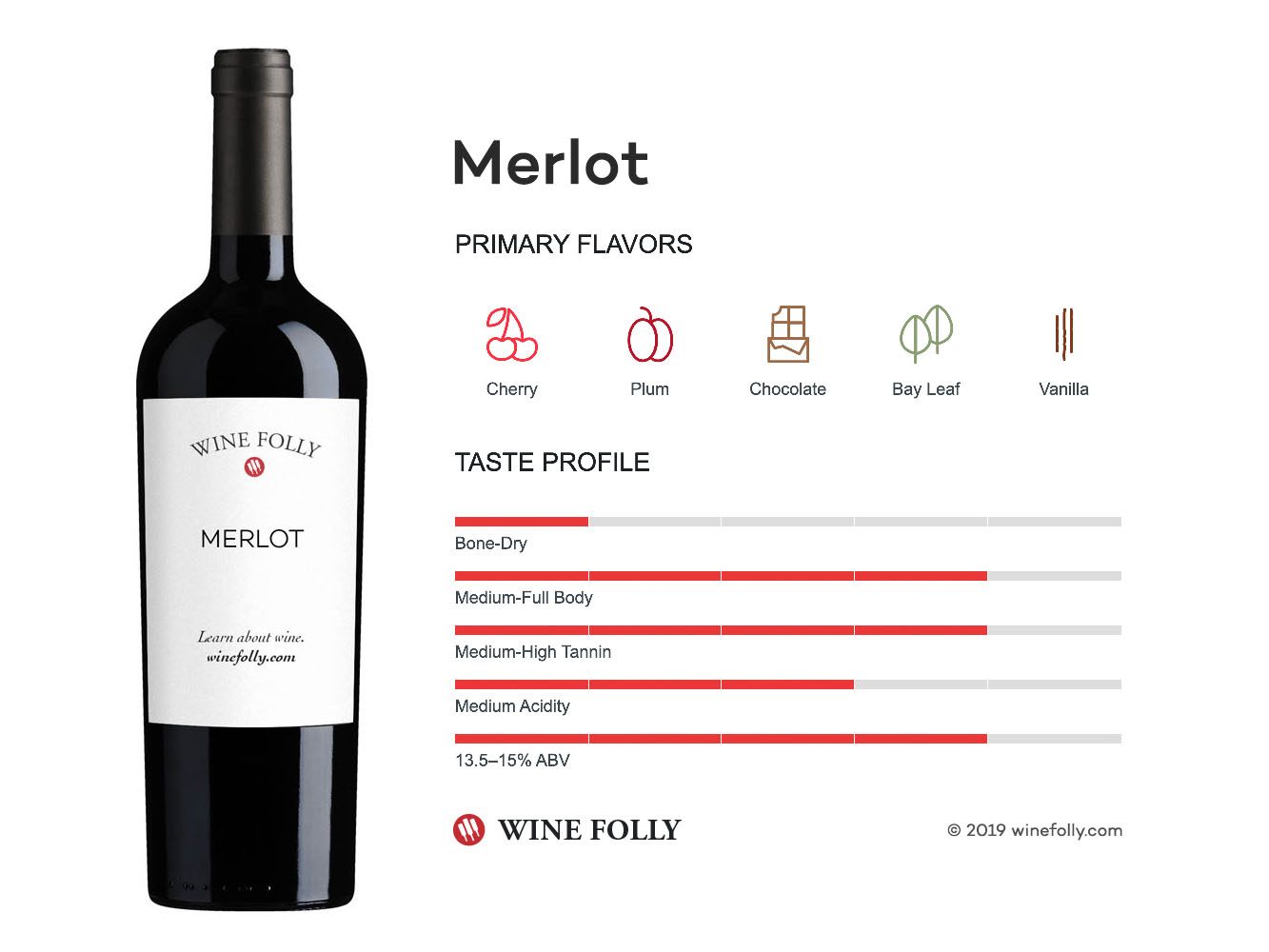
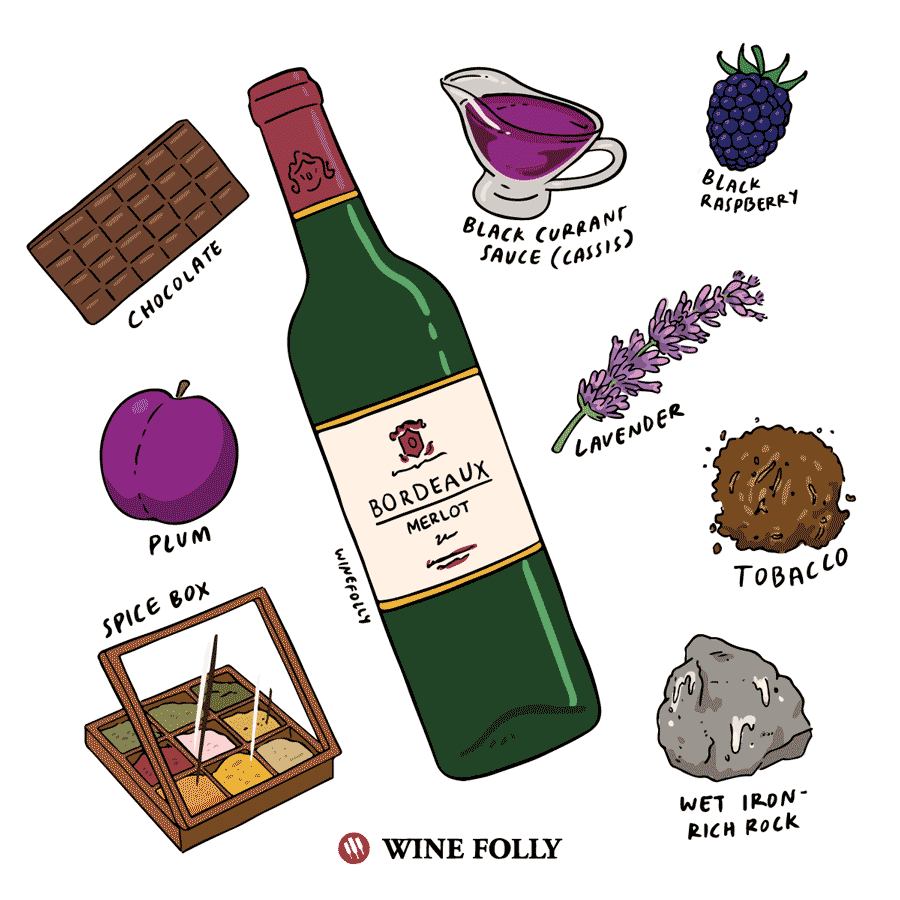
Merlot, originating from the Bordeaux region of France, is a key component in many of the world’s most renowned red blends, particularly on the Left Bank of the Gironde estuary. However, it also shines as a varietal wine, offering a distinct and appealing sensory experience. Its characteristic flavors often include plum, black cherry, raspberry, and sometimes notes of chocolate, vanilla, and cedar, especially when aged in oak. The tannins in merlot are typically softer and rounder than those of its close relative, Cabernet Sauvignon, making it generally more approachable in its youth. This “smoothness” is a crucial element of its brand appeal, signifying ease of drinking and immediate pleasure.
The grape’s inherent adaptability to various climates is a significant factor in its global reach. While it thrives in cooler climates like Bordeaux, it also performs exceptionally well in warmer regions such as California, Chile, and parts of Australia. This adaptability allows producers in diverse terroirs to cultivate merlot, creating a spectrum of wine styles that cater to different consumer preferences and, importantly, different market segments. The ability to produce both medium-bodied, fruit-forward wines and more structured, complex bottlings provides a broad canvas for branding and marketing.
Terroir’s Influence: Regional Signatures and Brand Nuances
The concept of terroir – the unique environmental factors of a vineyard, including soil, climate, and topography – plays a vital role in shaping the distinct identities of merlot wines. This is where the brand narrative begins to diversify. A merlot from the Pomerol appellation in Bordeaux, for instance, will possess a different character and, consequently, a different brand positioning than a merlot from the warmer Napa Valley in California.
Bordeaux merlots are often lauded for their elegance, structure, and age-worthiness, forming the backbone of many prestigious blends. These wines are positioned as premium, classic, and sophisticated. They carry an inherent brand value tied to the esteemed reputation of Bordeaux as a wine region.
In contrast, New World merlots, particularly those from regions like California and Chile, are often celebrated for their ripe fruit flavors, plush texture, and more immediate gratification. These wines are typically marketed as accessible, fruit-driven, and offering excellent value for money. The branding in these regions often focuses on the approachable nature of the wine, highlighting its drinkability and its suitability for everyday enjoyment. This regional differentiation allows consumers to navigate the vast world of merlot, seeking out specific profiles that align with their perceived brand expectations.
Branding and Marketing Strategies: Cultivating Consumer Appeal
The success of merlot in the global marketplace is not solely attributable to its inherent qualities but also to the astute branding and marketing strategies employed by producers and regions. These strategies have shaped consumer perception and driven demand.
Positioning for Accessibility: The “Easy Drinking” Narrative
One of the most successful branding strategies for merlot has been its positioning as an “easy-drinking” wine. This narrative appeals to a broad spectrum of consumers, from novices to seasoned wine enthusiasts looking for a reliable and enjoyable option. The softer tannins and ripe fruit characteristics make merlot less intimidating than some other red varietals, fostering a sense of comfort and familiarity.
This “easy-drinking” brand promise is consistently reinforced through marketing materials, wine reviews, and retail displays. Labels often feature approachable imagery, and descriptions emphasize fruit-forward notes and smooth finishes. This strategy effectively reduces the perceived barrier to entry for consumers, making merlot a go-to choice for casual occasions, weeknight dinners, and gatherings where approachability is key. The brand, therefore, becomes synonymous with relaxation, enjoyment, and unpretentious pleasure.
Varietal Identity vs. Blend Component: Strategic Brand Storytelling
Merlot’s identity is multifaceted, existing both as a celebrated varietal wine and as a critical component in blends, most notably with Cabernet Sauvignon. The way producers choose to present their merlot significantly impacts its brand perception.
When marketed as a varietal, the brand story often centers on the singular expression of the grape. The emphasis is on merlot’s inherent qualities – its fruit profile, its texture, and its regional nuances. This approach allows for the development of a distinct brand identity for the merlot itself, independent of other varietals. This is particularly prevalent in regions that have established a strong reputation for producing high-quality varietal merlots.
Conversely, when merlot is primarily used as a blending grape, its brand value is often tied to the reputation of the blend and the flagship wine it contributes to. In Bordeaux, for instance, merlot is integral to the identity of many prestigious estates, but the primary brand is that of the château and its iconic blend, rather than the individual varietal. Producers strategically leverage merlot’s contribution – its softness, its body, its fruit – to enhance the overall quality and appeal of the blend. This dual role requires careful consideration in branding, as the grape’s independent appeal must be balanced with its contribution to a larger, often more established, brand.
Global Reach and Brand Consistency: Building a Universal Appeal
The widespread cultivation of merlot across numerous continents has allowed for the creation of a globally recognized brand. While regional variations exist, the core elements of merlot’s appeal – its fruitiness, its approachable tannins, and its versatility – create a sense of familiarity for consumers wherever they encounter it. This global reach is a testament to effective branding that transcends geographical boundaries.
Winemakers and marketers have worked to maintain a degree of brand consistency, ensuring that a bottle labeled “Merlot” generally delivers on certain expectations. This doesn’t mean all merlots taste the same, but rather that the underlying promise of a pleasing, red wine experience remains largely intact. This consistency builds trust and loyalty among consumers, encouraging repeat purchases and solidifying merlot’s position as a dependable and desirable choice in the competitive wine market.
The Competitive Landscape: Merlot’s Place in the Wine Market
Understanding “what is a merlot” also involves recognizing its position within the broader and ever-evolving wine market, a space where branding and consumer perception are paramount.
Competing Varietals and Consumer Preferences
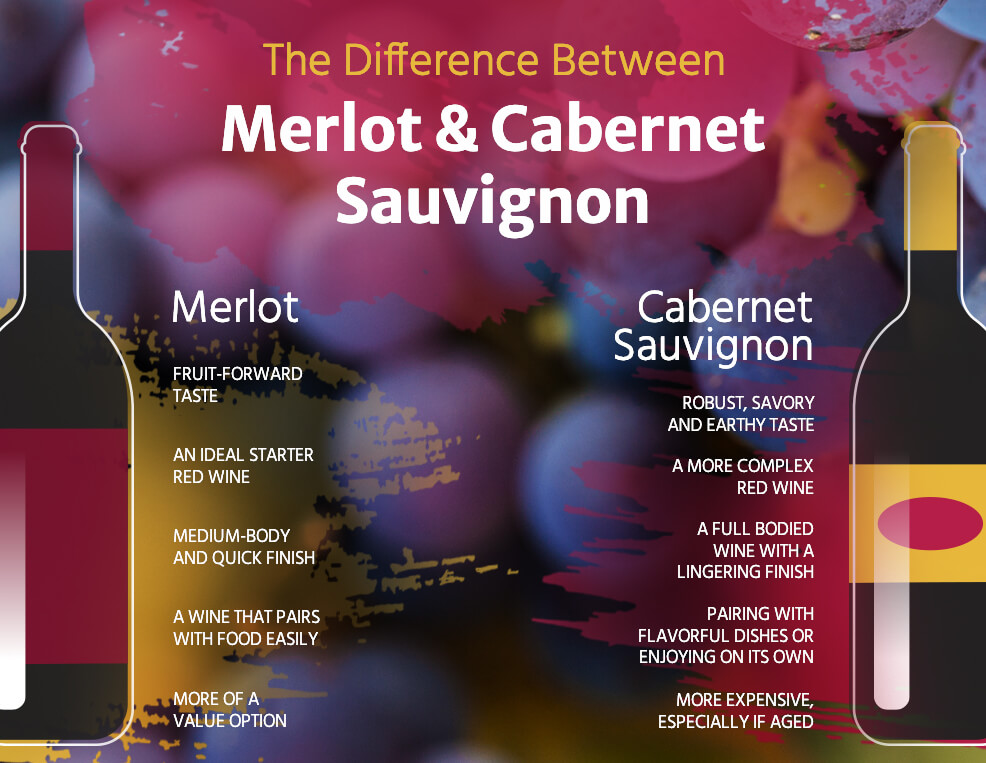
Merlot exists in a dynamic market alongside other popular red varietals such as Cabernet Sauvignon, Pinot Noir, Syrah/Shiraz, and Zinfandel. Each of these varietals has its own distinct brand identity, cultivated through regional characteristics, winemaking styles, and marketing efforts. Merlot’s success lies in its ability to carve out a unique niche, offering a compelling alternative to the bolder tannins of Cabernet Sauvignon or the lighter body of Pinot Noir.
The brand strategy for merlot has often been to occupy the middle ground – a wine that is neither too intimidating nor too light, providing a comfortable balance that appeals to a wide audience. While other varietals might compete for attention with niche appeal or premium positioning, merlot has consistently maintained a broad consumer base by offering a reliable and enjoyable experience that is often perceived as offering good value. The “easy-drinking” narrative has been particularly effective in differentiating merlot from more demanding or polarizing varietals.
The Impact of Market Trends and Consumer Education
The wine market is susceptible to trends, and merlot’s brand has evolved in response to changing consumer tastes and increased wine education. For a period, merlot experienced a surge in popularity, often referred to as the “Merlot Mania.” However, this was followed by a decline, partly due to market saturation and a perception of being overly common. The movie Sideways, which famously disparaged merlot, is often cited as a symbolic moment in this shift.
Despite this, merlot has demonstrated remarkable resilience. Producers have responded by focusing on quality and distinctiveness, emphasizing artisanal approaches and highlighting specific terroirs. The brand has evolved to include more sophisticated and nuanced expressions, appealing to consumers seeking higher quality and unique experiences. Furthermore, increased wine education among consumers has led to a greater appreciation for the complexities of merlot and its ability to produce world-class wines. This has allowed the brand to shed some of its earlier, more simplistic positioning and re-establish itself as a varietal capable of producing wines of significant depth and character, catering to a more discerning palate. The branding now often emphasizes the heritage and craftsmanship behind premium merlot productions, showcasing its evolution and enduring appeal.
Conclusion: The Enduring Brand of Merlot
In essence, “what is a merlot” is a question that extends beyond the vineyard to encompass a sophisticated interplay of grape characteristics, regional identity, and strategic branding. Merlot’s journey from its Bordeaux origins to its global ubiquity is a testament to its inherent appeal and the successful cultivation of its brand. Its reputation for accessibility, its versatility in style, and its ability to deliver consistent pleasure have made it a cornerstone of the modern wine market.
The branding of merlot has skillfully navigated the complexities of consumer perception, successfully positioning it as an approachable yet nuanced red wine. Whether enjoyed as a single varietal or as an integral part of celebrated blends, merlot continues to offer a reliable and enjoyable experience, solidifying its status as an enduring and globally recognized brand in the world of wine. Its story is one of adaptation, consistent quality, and effective marketing, ensuring its continued relevance and popularity for generations to come.
aViewFromTheCave is a participant in the Amazon Services LLC Associates Program, an affiliate advertising program designed to provide a means for sites to earn advertising fees by advertising and linking to Amazon.com. Amazon, the Amazon logo, AmazonSupply, and the AmazonSupply logo are trademarks of Amazon.com, Inc. or its affiliates. As an Amazon Associate we earn affiliate commissions from qualifying purchases.