
In the complex landscape of global business finance, the term “merger” represents one of the most significant tools for corporate growth, restructuring, and value creation. At its core, a merger is a financial transaction where two existing companies combine to form a new, single legal entity. Unlike a hostile takeover, a merger is typically characterized by a mutual agreement between the leadership of both organizations, aiming to capitalize on synergies that make the combined entity more valuable than the sum of its parts. For investors, financial analysts, and business owners, understanding the mechanics of a merger is essential to navigating the modern market.
Understanding the Financial Mechanics of a Merger
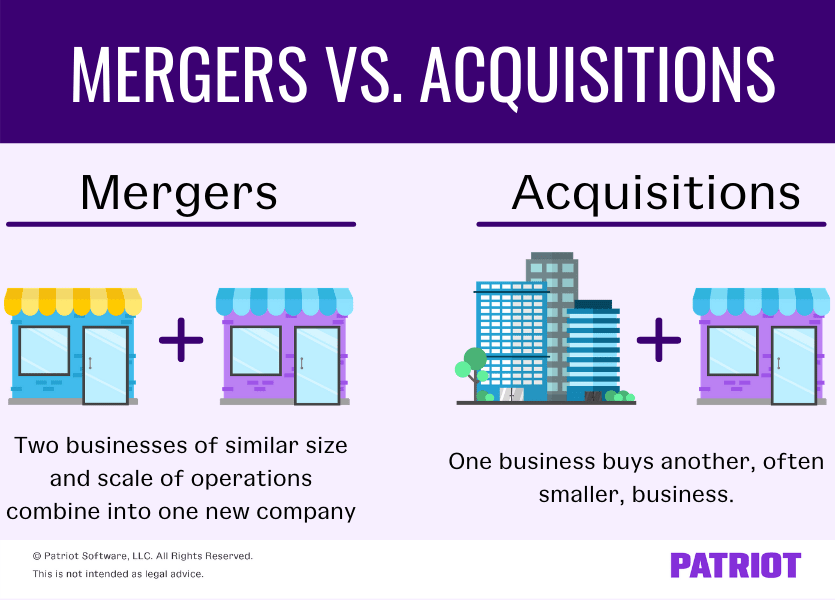
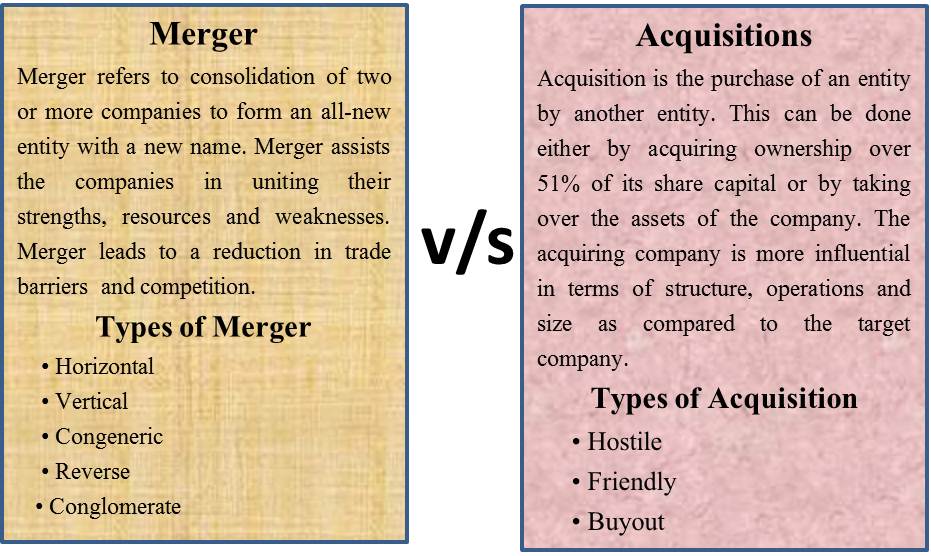
To grasp the concept of a merger, one must first distinguish it from other forms of corporate consolidation. While the terms “merger” and “acquisition” are often used interchangeably—leading to the popular acronym M&A—they represent different financial structures. In an acquisition, one company (the acquirer) purchases another (the target) and absorbs it into its existing operations. In a true merger, however, both companies cease to exist in their previous forms, and a new corporation is birthed, often with a new name and a combined board of directors.
How Mergers Differ from Acquisitions
The distinction is primarily legal and financial. In a merger, the stocks of both companies are usually surrendered, and new stock is issued in the name of the new entity. This is often referred to as a “merger of equals.” From a financial perspective, this allows both sets of shareholders to maintain a stake in the future of the combined business. Acquisitions, conversely, are often cash-heavy transactions where the target company’s shareholders are bought out entirely, losing their equity in exchange for immediate liquidity.
Common Types of Mergers
The financial structure of a merger is largely dictated by the relationship between the two companies involved.
- Horizontal Mergers: These occur between companies operating in the same industry and at the same stage of production. The goal is usually to increase market share and eliminate competition.
- Vertical Mergers: These involve companies at different stages of the same supply chain. For example, a manufacturer merging with a raw materials supplier. Financially, this is designed to reduce costs and secure the supply chain.
- Conglomerate Mergers: These involve companies in entirely unrelated business activities. The financial logic here is diversification, spreading risk across different sectors so that a downturn in one industry doesn’t cripple the entire corporation.
- Market Extension Mergers: These occur between companies that sell the same products but in different markets. This is a strategy for geographic expansion without the cost of building new infrastructure from scratch.
The Role of Equity and Stock Swaps
In many large-scale mergers, cash does not change hands in the way it does in a retail transaction. Instead, companies utilize “stock swaps.” A stock swap allows shareholders of the target company to exchange their shares for shares in the new, merged company. The exchange ratio is a critical point of negotiation, determined by the relative valuation of each company at the time of the deal. This mechanism allows for massive consolidations without the need for the new entity to take on significant debt to fund a cash buyout.
Why Companies Merge: The Pursuit of Synergy and Market Value
The primary driver behind any merger is the concept of synergy. In financial terms, synergy is the “1+1=3” effect—the idea that the combined value and performance of two companies will be greater than the sum of the separate individual parts. For the Chief Financial Officer (CFO) and the board of directors, the decision to merge must be backed by a clear path to increased shareholder value.
Cost Synergies: Reducing Overhead
One of the most immediate financial benefits of a merger is the elimination of redundant costs. When two companies become one, they no longer need two headquarters, two human resources departments, or two separate accounting firms. These “economies of scale” allow the new entity to operate at a lower cost per unit. By streamlining operations and consolidating purchasing power, the merged company can significantly improve its profit margins, which in turn drives up the stock price.
Revenue Synergies: Market Expansion and Cross-Selling
Revenue synergy focuses on the top line—increasing total sales. A merger provides immediate access to a wider customer base. If Company A has a strong presence in North America and Company B is dominant in Europe, a merger allows both to sell their products globally overnight. Furthermore, “cross-selling” becomes a powerful tool. The new entity can offer Company A’s products to Company B’s loyal customers, effectively increasing the “wallet share” of each client without the high cost of new customer acquisition.
Tax Advantages and Financial Efficiency
In some instances, mergers are driven by tax strategies. A profitable company might merge with a company that has significant “tax loss carryforwards.” These losses can be used to offset the future profits of the merged entity, thereby reducing the overall tax liability. Additionally, a larger, merged company often has better access to capital markets. With a larger balance sheet and more diverse assets, the new entity may secure lower interest rates on loans, further enhancing its financial position.
The Financial Lifecycle of a Merger Deal
A merger is not an event, but a rigorous process that can take months or even years to finalize. It requires deep financial scrutiny and a series of complex valuations to ensure that the deal makes sense for all stakeholders involved.
Valuation Methods: Determining What a Company is Worth
Before a merger can proceed, both parties must agree on a valuation. Financial analysts typically use several methods to arrive at a fair price:
- Discounted Cash Flow (DCF): This calculates the value of a company based on its expected future cash flows, adjusted for the time value of money.
- Comparable Company Analysis: Analysts look at the trading multiples (such as P/E ratios) of similar companies in the same industry to determine a market-based valuation.
- Precedent Transactions: This involves looking at what similar companies have sold for in recent mergers to establish a benchmark.
Due Diligence: Mitigating Financial Risk
Due diligence is the “investigative” phase of the merger. The acquiring or merging parties perform a deep dive into each other’s financial records, looking for “skeletons in the closet.” This includes auditing financial statements, reviewing outstanding debts, assessing pending litigation, and evaluating the health of the employee pension funds. Financial due diligence ensures that the new entity isn’t inheriting undisclosed liabilities that could tank the company’s value post-merger.
Regulatory Oversight and Antitrust Considerations
In most developed economies, large mergers must be approved by government regulators, such as the Federal Trade Commission (FTC) in the United States. Regulators examine whether the merger will create a monopoly or significantly reduce competition in a way that harms consumers. If a merger is deemed “anti-competitive,” the government may block it or require the companies to divest (sell off) certain parts of their business as a condition of approval. These regulatory hurdles can add significant financial risk and delay to a deal.
Impact on Shareholders and Personal Investing
For the individual investor, a merger announcement can be a moment of great opportunity or significant volatility. Understanding how the market reacts to M&A news is vital for managing a personal investment portfolio.
Short-Term vs. Long-Term Stock Performance
Typically, when a merger is announced, the stock price of the smaller company (the one being “merged into”) rises significantly as the market prices in the premium being paid for the shares. Conversely, the stock of the larger or “acquiring” entity may experience a short-term dip, as investors worry about the cost of the merger and the challenges of integration. However, the long-term goal is for the combined entity’s stock to outperform the broader market as the promised synergies begin to materialize.
Dividends and Dilution
Investors must also consider the impact on dividends and share value. If a merger involves issuing a massive amount of new stock to fund the deal, existing shareholders may face “dilution”—meaning their individual shares represent a smaller percentage of the total company than before. On the positive side, if the merged entity becomes more profitable, it may be in a position to offer higher dividends or engage in share buybacks, both of which return value to the investor.
Strategies for Investors During M&A Announcements
Sophisticated investors often engage in “merger arbitrage.” This involves buying the stock of the target company after a merger is announced but before it closes, betting that the deal will go through at the agreed-upon price. While this can be a lucrative side hustle or investment strategy, it carries the risk that the deal will fall through due to regulatory issues or a change in financial conditions, causing the stock price to plummet.
In conclusion, a merger is a transformative financial event that reshapes the corporate landscape. By combining resources, eliminating inefficiencies, and pursuing strategic synergies, companies use mergers to build robust, competitive entities capable of dominating the global market. For those focused on business finance and investing, a deep understanding of why and how mergers happen is the key to identifying value and navigating the risks of the modern financial world.
aViewFromTheCave is a participant in the Amazon Services LLC Associates Program, an affiliate advertising program designed to provide a means for sites to earn advertising fees by advertising and linking to Amazon.com. Amazon, the Amazon logo, AmazonSupply, and the AmazonSupply logo are trademarks of Amazon.com, Inc. or its affiliates. As an Amazon Associate we earn affiliate commissions from qualifying purchases.