
At its core, a mercantile refers to anything related to merchants or trade, encompassing the business of buying and selling goods for profit. It embodies the essence of commerce, where goods are acquired and then resold to consumers or other businesses, with the primary objective of generating financial gain. Far from merely a quaint term for an old-fashioned shop, a mercantile represents a fundamental business model centered around the movement of products and the generation of income through transaction. Understanding a mercantile business means delving into its operational structure, financial mechanisms, and its pivotal role in the economy, both historically and in the modern digital age.
A mercantile operation, by its very nature, relies on capital allocation for inventory, strategic pricing, efficient supply chains, and robust sales mechanisms to ensure sustained profitability. It’s a model that has driven economies for millennia, evolving from simple marketplace exchanges to complex global e-commerce platforms, but always retaining its core financial imperative: to profit from the trade of goods.
The Enduring Legacy: Historical Roots of Mercantile Commerce
The concept of a mercantile business is as old as civilization itself, dating back to the earliest forms of organized trade. Before standardized currencies, barter systems facilitated the exchange of goods, laying the groundwork for what would become sophisticated commercial networks. Ancient Phoenician traders, Roman merchants, and Silk Road caravans all operated on mercantile principles, moving goods across vast distances to meet demand and extract value. These early operations often required significant upfront capital for expeditions, goods acquisition, and dealing with the inherent risks of long-distance trade. The success of these ventures directly correlated with their financial acumen in managing resources and navigating market conditions.
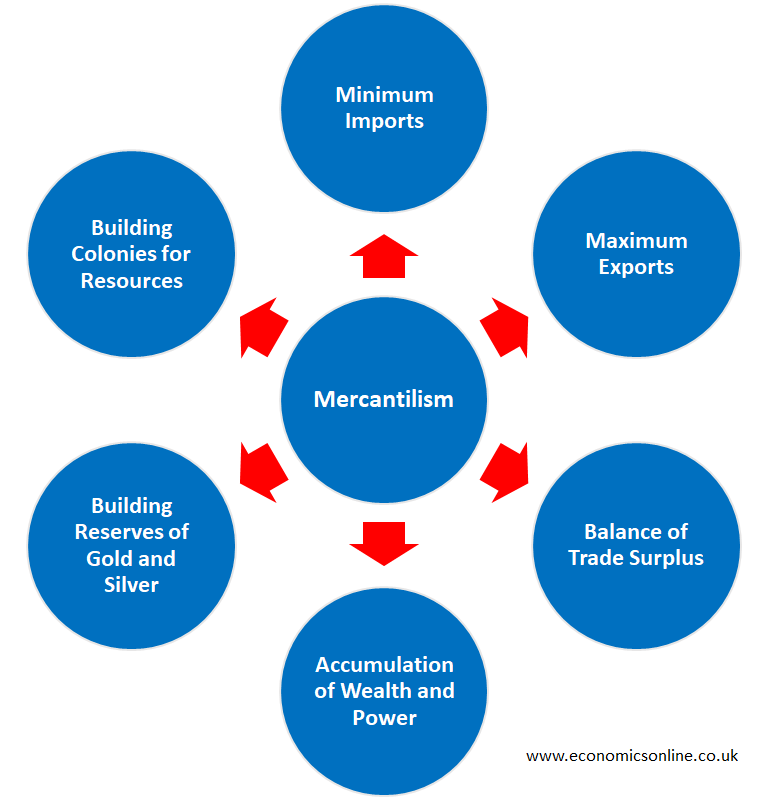
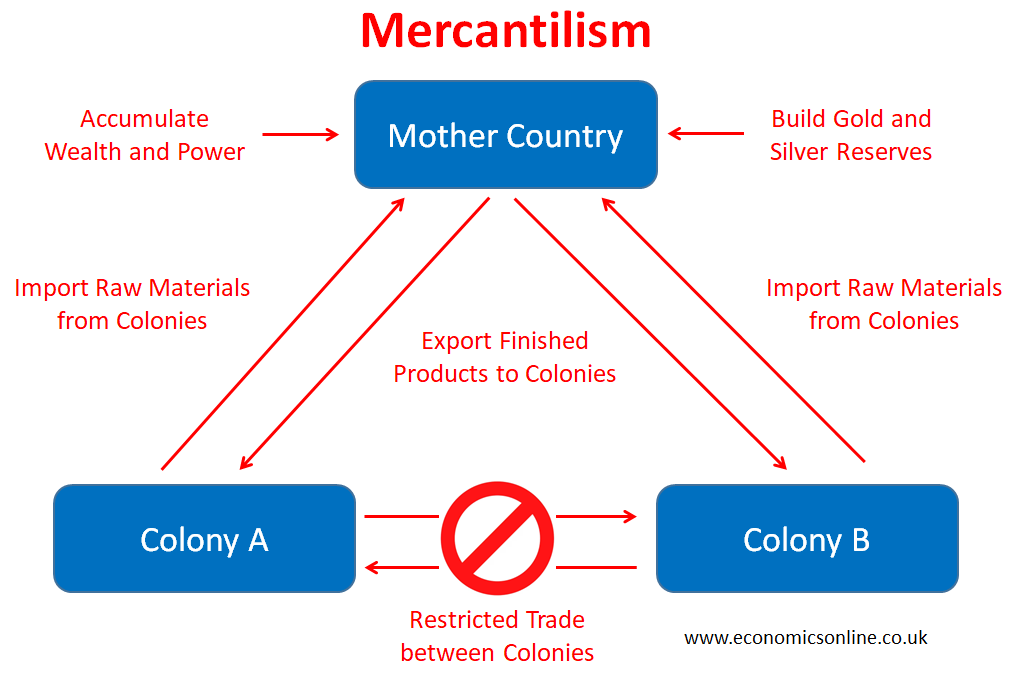
The Middle Ages saw the rise of merchant guilds and trading companies, such as the Hanseatic League, which centralized commercial activities and financial power within specific regions. These entities developed sophisticated accounting methods, credit systems, and insurance practices to mitigate financial risks associated with their extensive trade networks. The era of mercantilism, an economic theory prevalent from the 16th to 18th centuries, explicitly championed the idea that national wealth and power were best served by maximizing exports and minimizing imports, often through accumulating monetary reserves (gold and silver). While mercantilism was a governmental economic policy, it undeniably shaped the environment for individual mercantile businesses, which benefited from state-sponsored monopolies, protective tariffs, and colonial exploitation aimed at enriching the national treasury through trade.
The Industrial Revolution further transformed mercantile operations. Mass production capabilities led to a greater volume of goods, necessitating more complex distribution networks, larger retail establishments, and increased capital investment in infrastructure. Department stores emerged as grand mercantile enterprises, consolidating various goods under one roof and pioneering new forms of consumer credit and sales strategies. Throughout these historical shifts, the financial core of the mercantile business remained constant: identifying market demand, acquiring goods, managing inventory efficiently, and executing profitable sales.
Core Financial and Operational Characteristics of a Mercantile
A mercantile business distinguishes itself through several key characteristics, all of which have direct implications for its financial health and operational strategy.
Focus on Goods and Margin Generation
The primary activity of a mercantile is the buying and selling of physical or digital goods. Unlike service-oriented businesses that sell time or expertise, a mercantile’s income is directly tied to the volume and margin of products sold. The financial success hinges on the ability to acquire goods at a cost lower than their eventual selling price, creating a gross profit margin. This involves diligent sourcing, negotiation with suppliers, and an acute understanding of market value and consumer willingness to pay.
Inventory Management as Capital Investment
Inventory is the lifeblood of a mercantile business, but it also represents a significant capital investment. Funds are tied up in goods waiting to be sold, making efficient inventory management crucial for cash flow and profitability. Overstocking can lead to holding costs, obsolescence, and reduced liquidity, while understocking can result in lost sales opportunities. Effective inventory control, therefore, is a critical financial function, balancing the need to meet demand with the imperative to optimize working capital. Techniques like just-in-time (JIT) inventory, consignment, or drop-shipping are modern strategies aimed at minimizing the capital tied up in stock.
Revenue Generation Through Sales Volume and Pricing Strategy
Mercantile businesses rely on consistent sales volume to generate revenue. Pricing strategies are paramount, needing to cover the cost of goods sold (COGS), operating expenses, and generate a desired profit margin. This involves a delicate balance between competitive pricing to attract customers and maintaining sufficient margins to ensure business viability. Dynamic pricing, psychological pricing, and volume-based discounts are common tactics to optimize revenue and profitability.
Supply Chain Dependence and Cost Control
The operational efficiency and financial performance of a mercantile are heavily influenced by its supply chain. Sourcing goods, managing logistics, warehousing, and distribution all incur costs that directly impact the overall profitability. Negotiating favorable terms with suppliers, optimizing shipping routes, and implementing efficient warehouse operations are all critical for controlling expenses and maximizing financial returns. Disruptions in the supply chain can lead to increased costs, delayed sales, and significant financial losses.
Cash Flow Management Imperative
Given the capital tied up in inventory and the variable nature of sales, robust cash flow management is absolutely essential for a mercantile. The ability to meet short-term financial obligations, such as supplier payments, payroll, and operational expenses, depends on a steady inflow of cash from sales. Businesses often rely on credit lines, trade credit from suppliers, or careful planning of payment cycles to maintain liquidity and avoid financial distress.
The Modern Mercantile: E-commerce and Digital Financial Landscapes
The digital revolution has dramatically reshaped the mercantile landscape, transforming how goods are bought, sold, and financed. While the fundamental principles of trade remain, the tools and reach of modern mercantile operations are vastly different.
Online Marketplaces and Global Reach
E-commerce platforms like Amazon, eBay, Shopify, and Etsy are quintessential modern mercantile environments. They provide a digital storefront and infrastructure for individuals and businesses to operate as merchants, often with significantly lower overhead costs than traditional brick-and-mortar stores. These platforms enable merchants to access a global customer base, transcending geographical limitations and dramatically expanding their potential for revenue generation. Cross-border payments, international shipping logistics, and currency exchange tools are now integrated, facilitating seamless global trade and opening up new financial opportunities for merchants.
Direct-to-Consumer (DTC) Models
Many brands today adopt a direct-to-consumer (DTC) model, effectively becoming their own merchants. By selling directly to customers online, they eliminate intermediaries, allowing them to capture higher profit margins and gain direct control over pricing, branding, and customer experience. This shift requires significant investment in e-commerce infrastructure, digital marketing, and robust logistics, but it offers the financial reward of increased profitability and deeper customer relationships.
Innovative Inventory and Fulfillment Models
Modern mercantile operations have embraced innovative models to manage inventory and fulfillment, impacting their financial structures. Dropshipping, for instance, allows a merchant to sell products without holding any inventory themselves. When a sale is made, the product is shipped directly from a third-party supplier to the customer. This significantly reduces capital investment in inventory and minimizes warehousing costs, though often at the expense of lower per-unit profit margins. Print-on-demand services offer similar benefits for customized goods, reducing financial risk associated with unsold stock. These models allow for greater agility and reduced financial barrier to entry for aspiring merchants.
Financial Tools and Analytics for Optimization
The digital age provides mercantile businesses with sophisticated financial tools and analytics. E-commerce platforms offer detailed sales data, customer demographics, and marketing performance metrics, allowing merchants to make data-driven decisions about product selection, pricing, and marketing spend. Integrated payment gateways simplify transaction processing, while financial software and cloud-based accounting solutions streamline bookkeeping, inventory tracking, and tax compliance, contributing to more efficient financial management and improved profitability.
Financial Management and Sustainability in a Mercantile Business
Sustaining a mercantile business in the long term requires disciplined financial management and a clear understanding of its economic drivers.
Capital Allocation and Investment Decisions
Initial capital is required to acquire inventory, set up operations (physical or digital), and cover initial marketing expenses. Ongoing working capital is essential for day-to-day operations, including replenishing inventory, paying suppliers, and covering payroll. Strategic financial decisions involve allocating capital effectively, whether it’s investing in new product lines, expanding into new markets, or upgrading operational infrastructure. These investments must be carefully evaluated for their potential return on investment (ROI) and their impact on the business’s overall financial health.
Understanding Cost of Goods Sold (COGS) and Profitability
A deep understanding of COGS is paramount. This includes the direct costs of producing or acquiring the goods sold, encompassing purchase price, freight-in, and any direct production costs. Calculating COGS accurately is crucial for determining gross profit and setting appropriate pricing. Beyond gross profit, merchants must account for operating expenses (rent, utilities, marketing, salaries, shipping-out, payment processing fees) to arrive at net profit. Monitoring these metrics continuously allows for quick adjustments to pricing, sourcing, or operational costs to maintain profitability.
Managing Financial Risks
Mercantile businesses face various financial risks. Inventory risk, including obsolescence, damage, or theft, can lead to significant financial write-offs. Market risk, such as shifts in consumer demand or increased competition, can impact sales volume and pricing power. Supply chain disruptions can lead to increased costs and lost revenue. Foreign exchange rate fluctuations can impact the cost of imported goods or the value of international sales. Effective risk mitigation involves diversification of suppliers, strategic inventory planning, insurance, and careful monitoring of market trends.
Scaling for Financial Growth
For a mercantile business to grow, it often needs to scale its operations. This might involve expanding product offerings, entering new geographical markets, increasing marketing spend, or investing in larger fulfillment capabilities. Each scaling decision has significant financial implications, requiring additional capital investment and careful projections of increased revenue and expenses. Access to business loans, venture capital, or retained earnings becomes critical for financing expansion and capitalizing on growth opportunities. Ultimately, the successful mercantile business is one that not only facilitates trade but also adeptly manages its financial resources to achieve sustained growth and profitability in an ever-evolving commercial landscape.
aViewFromTheCave is a participant in the Amazon Services LLC Associates Program, an affiliate advertising program designed to provide a means for sites to earn advertising fees by advertising and linking to Amazon.com. Amazon, the Amazon logo, AmazonSupply, and the AmazonSupply logo are trademarks of Amazon.com, Inc. or its affiliates. As an Amazon Associate we earn affiliate commissions from qualifying purchases.