
The traditional definition of a mental health condition has long been rooted in the DSM-5 (Diagnostic and Statistical Manual of Mental Disorders) and clinical observation. However, as we move deeper into the 21st century, the intersection of psychology and technology—often referred to as HealthTech or MedTech—is fundamentally redefining what it means to diagnose, monitor, and treat a mental condition. In a world where our smartphones know our sleep patterns better than our doctors and AI can predict depressive episodes based on linguistic shifts, the “mental condition” is no longer just a biological or psychological state; it is a data-driven profile.
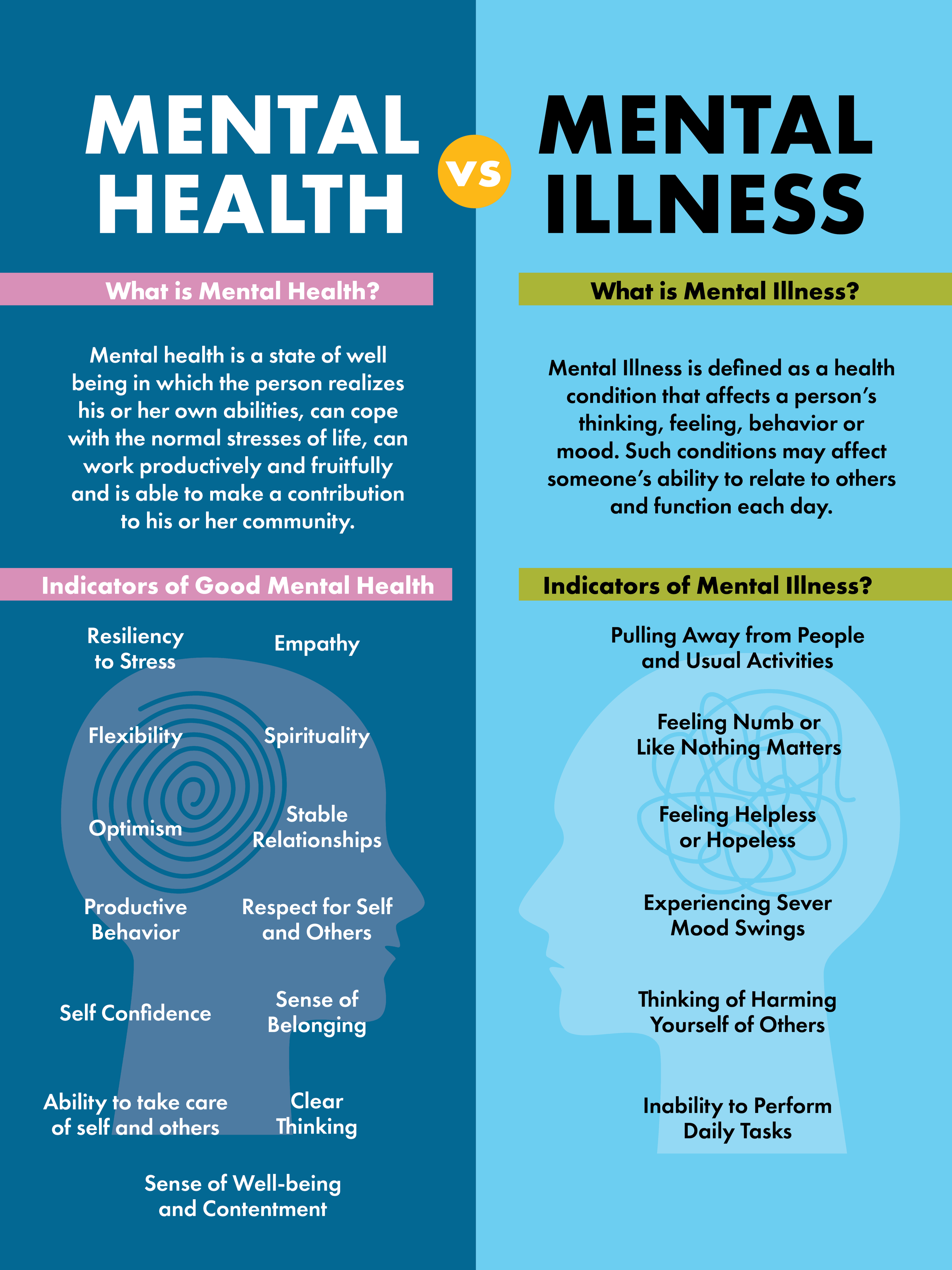
This shift from subjective clinical interviews to objective digital metrics is revolutionizing the industry. By leveraging artificial intelligence (AI), machine learning (ML), and wearable technology, the tech sector is providing the tools necessary to move mental health care from a reactive model to a proactive, predictive one. To understand what a mental condition is today, we must look at it through the lens of digital phenotyping, neural engineering, and algorithmic diagnostics.
The Evolution of Diagnostic Technology: From Observation to Bio-Data
For decades, identifying a mental condition relied heavily on self-reporting and a clinician’s subjective interpretation of symptoms. Tech-driven innovation is changing this by introducing high-fidelity biological data into the equation. Today, a mental condition is increasingly viewed as a series of physiological markers that can be tracked in real-time.
The Role of Machine Learning in Early Detection
Machine learning algorithms are now capable of analyzing vast datasets to identify patterns that are invisible to the human eye. By feeding thousands of voice recordings or written samples into a neural network, developers have created tools that can detect early signs of conditions like schizophrenia or bipolar disorder. These algorithms look for “semantic density” or “syntactic complexity,” recognizing shifts in cognitive load before a patient even realizes they are experiencing a flare-up. In this context, a mental condition becomes a detectable “anomaly” in a person’s standard data baseline.
Neuroimaging and the Mapping of Neural Circuitry
Advanced neuroimaging technology has moved beyond simple structural scans to functional analysis. Functional MRI (fMRI) and Positron Emission Tomography (PET) allow tech-forward clinics to visualize a mental condition as a physical malfunction or misfiring in specific neural circuits. By treating these conditions as “circuitry issues” rather than abstract personality traits, the tech industry is paving the way for targeted interventions like Transcranial Magnetic Stimulation (TMS), which uses electromagnetic induction to “reset” parts of the brain associated with depression.
Digital Phenotyping: How Our Devices Define Our Mental State
Perhaps the most significant tech trend in mental health is the rise of digital phenotyping. This is the moment-by-moment quantification of the individual-level human phenotype in situ using data from personal digital devices. In simpler terms, your smartphone is a continuous sensor that monitors your mental health through your interactions with technology.
Passive Sensing and Behavioral Metadata
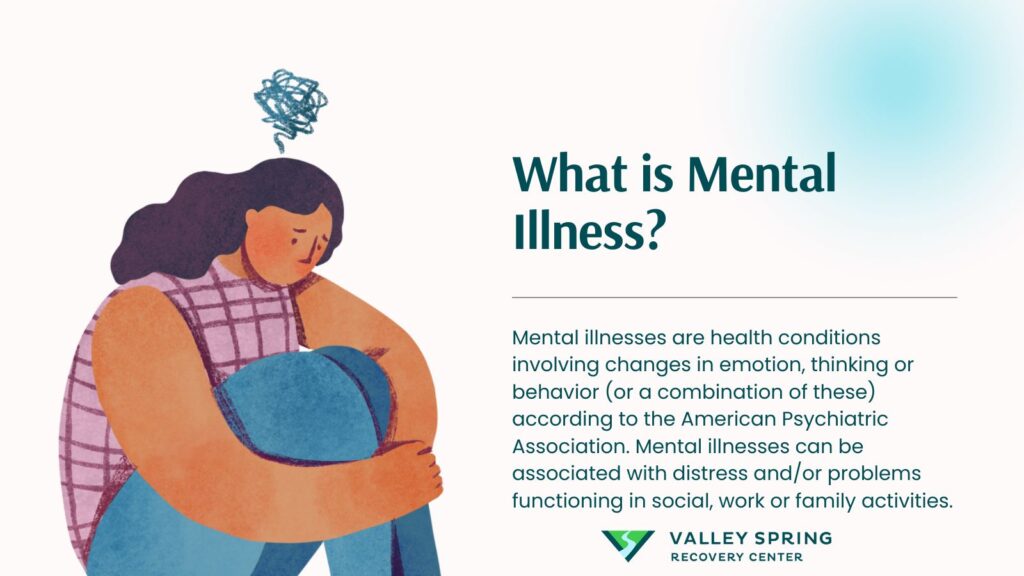
A mental condition often manifests as a change in behavior: social withdrawal, erratic sleep, or decreased physical activity. Tech platforms now use “passive sensing” to track these changes without requiring user input. For example, GPS data can track social isolation (decreased mobility), while accelerometer data monitors lethargy or agitation. Through the lens of Tech, a mental condition is a deviation from a user’s “behavioral norm” as captured by the sensors in their pocket.
The Quantified Self: Wearables and Biofeedback
The “Quantified Self” movement has migrated from fitness into the realm of mental health. Wearables like the Oura Ring, Whoop, and Apple Watch track Heart Rate Variability (HRV)—a key indicator of the autonomic nervous system’s response to stress. A low HRV over a prolonged period can signify a mental condition like chronic anxiety or burnout. By providing users with real-time biofeedback, these apps allow individuals to visualize their mental state as a “stress score” or “readiness score,” effectively gamifying the management of mental wellness.
Therapeutic Innovations: Re-engineering Mental Healthcare Delivery
Once a mental condition is identified through data, the focus shifts to intervention. The tech industry is no longer just providing tools for doctors; it is creating autonomous software that acts as the therapy itself. This is the era of Digital Therapeutics (DTx).
Virtual Reality (VR) and Exposure Therapy
Virtual Reality is being utilized to treat conditions like Post-Traumatic Stress Disorder (PTSD) and phobias in ways that were previously impossible. In a controlled VR environment, a therapist can recreate a specific “condition-triggering” scenario, allowing the patient to practice coping mechanisms in a safe, simulated space. Tech has turned the treatment of a mental condition into an immersive software experience, where the “code” helps rewire the brain’s response to trauma.
AI Chatbots and Natural Language Processing (NLP)
With a global shortage of mental health professionals, AI-driven chatbots like Woebot or Wysa have stepped in to fill the gap. These platforms use Natural Language Processing (NLP) to deliver Cognitive Behavioral Therapy (CBT) techniques. Through this tech lens, managing a mental condition becomes an asynchronous, 24/7 interaction with an algorithm. While these bots do not replace human therapists, they offer a scalable solution for “sub-clinical” mental conditions, preventing them from escalating into crises through immediate, data-backed support.
Data Ethics and the Future of Mental Condition Management
As we redefine mental conditions through technology, we face unprecedented challenges regarding data privacy and the ethics of algorithmic “labeling.” If a mental condition is a data point, then who owns that data, and how is it used?
The Privacy Paradigm and Sensitive Health Information
The digital footprint of a mental condition is incredibly sensitive. Unlike a broken arm, a mental health diagnosis carries a social stigma that could impact employment or insurance if data is leaked. Tech companies are currently under pressure to develop robust end-to-end encryption and decentralized data storage (such as blockchain-based health records) to ensure that a person’s mental state isn’t weaponized against them by third-party advertisers or predatory actors.
Addressing Algorithmic Bias in Diagnostics
A significant risk in defining mental conditions through tech is the potential for algorithmic bias. If the training data for an AI diagnostic tool is primarily gathered from one demographic, it may misdiagnose or overlook conditions in underrepresented groups. The tech industry must prioritize “inclusive datasets” to ensure that the digital definition of a mental condition is accurate across different cultures, languages, and socio-economic backgrounds. The future of HealthTech depends on the industry’s ability to remain objective and equitable.
The Convergence of Biology and Bitrate
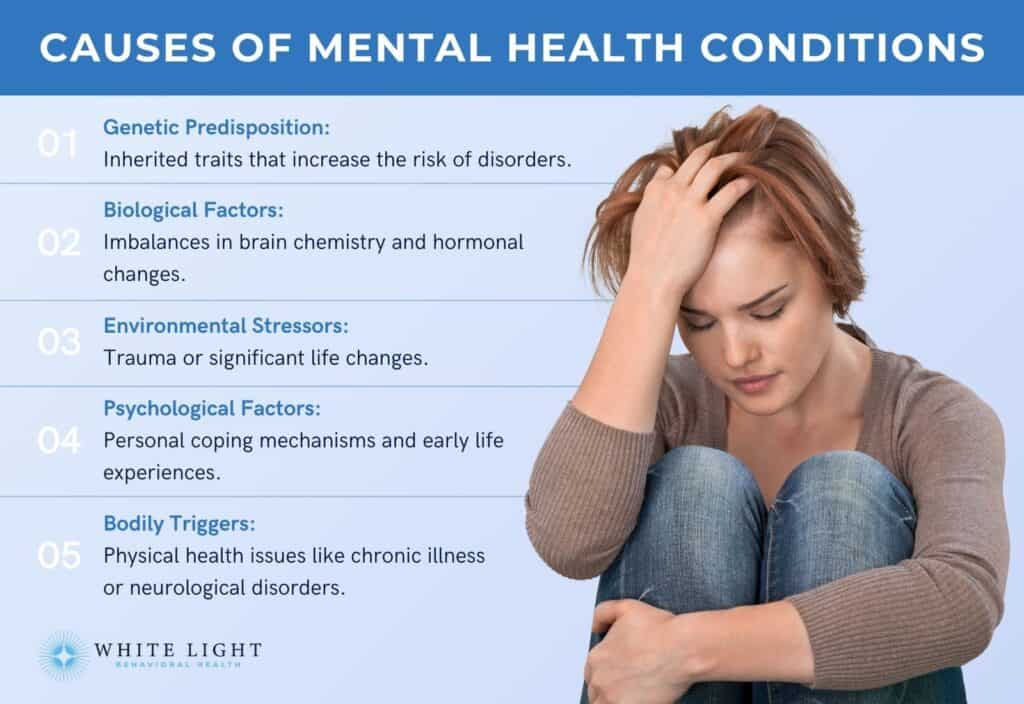
In conclusion, “what is a mental condition” is a question that is increasingly answered by software engineers as much as by psychologists. From a technology perspective, a mental condition is a complex, multi-layered data set. It is the sum of neural firing patterns, digital behavioral markers, and physiological responses.
As we continue to develop sophisticated AI tools and more sensitive wearable sensors, the line between technology and the human mind will continue to blur. We are moving toward a future where a “mental condition” is not a life sentence, but a manageable data profile—one that can be optimized, supported, and understood through the power of innovation. The integration of Tech into mental health care represents more than just a new set of tools; it represents a paradigm shift in how we perceive the very nature of human consciousness and well-being.
aViewFromTheCave is a participant in the Amazon Services LLC Associates Program, an affiliate advertising program designed to provide a means for sites to earn advertising fees by advertising and linking to Amazon.com. Amazon, the Amazon logo, AmazonSupply, and the AmazonSupply logo are trademarks of Amazon.com, Inc. or its affiliates. As an Amazon Associate we earn affiliate commissions from qualifying purchases.