
Menstruation, often referred to colloquially as a “period,” is a fundamental biological process experienced by individuals with a uterus. It’s a complex interplay of hormones and physiological changes that occurs cyclically, preparing the body for potential pregnancy and, when pregnancy doesn’t occur, shedding the uterine lining. While the science behind menstruation is well-established, its societal, cultural, and even economic implications are vast and often under-discussed. This article aims to demystify menstruation from a biological standpoint and explore its broader relevance within the contexts of technology, branding, and finance.
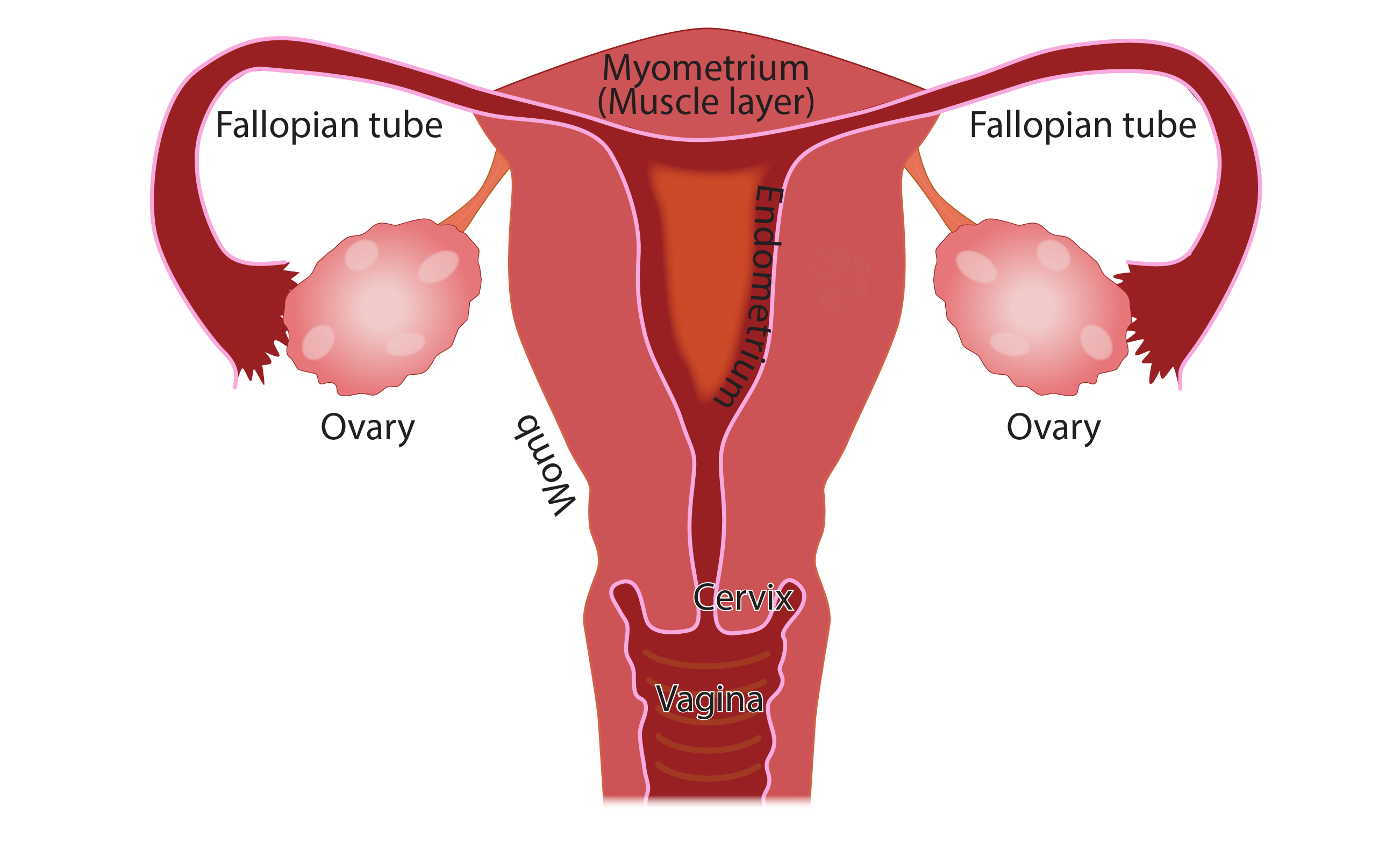
The term “menses” itself is derived from the Latin word “mensis,” meaning “month,” a nod to the typical monthly cycle. Understanding menstruation is crucial not just for reproductive health but also for dismantling the stigma that has historically surrounded it, enabling more open conversations and better access to essential resources and knowledge.
The Biological Symphony: Hormones, Ovulation, and the Uterine Cycle
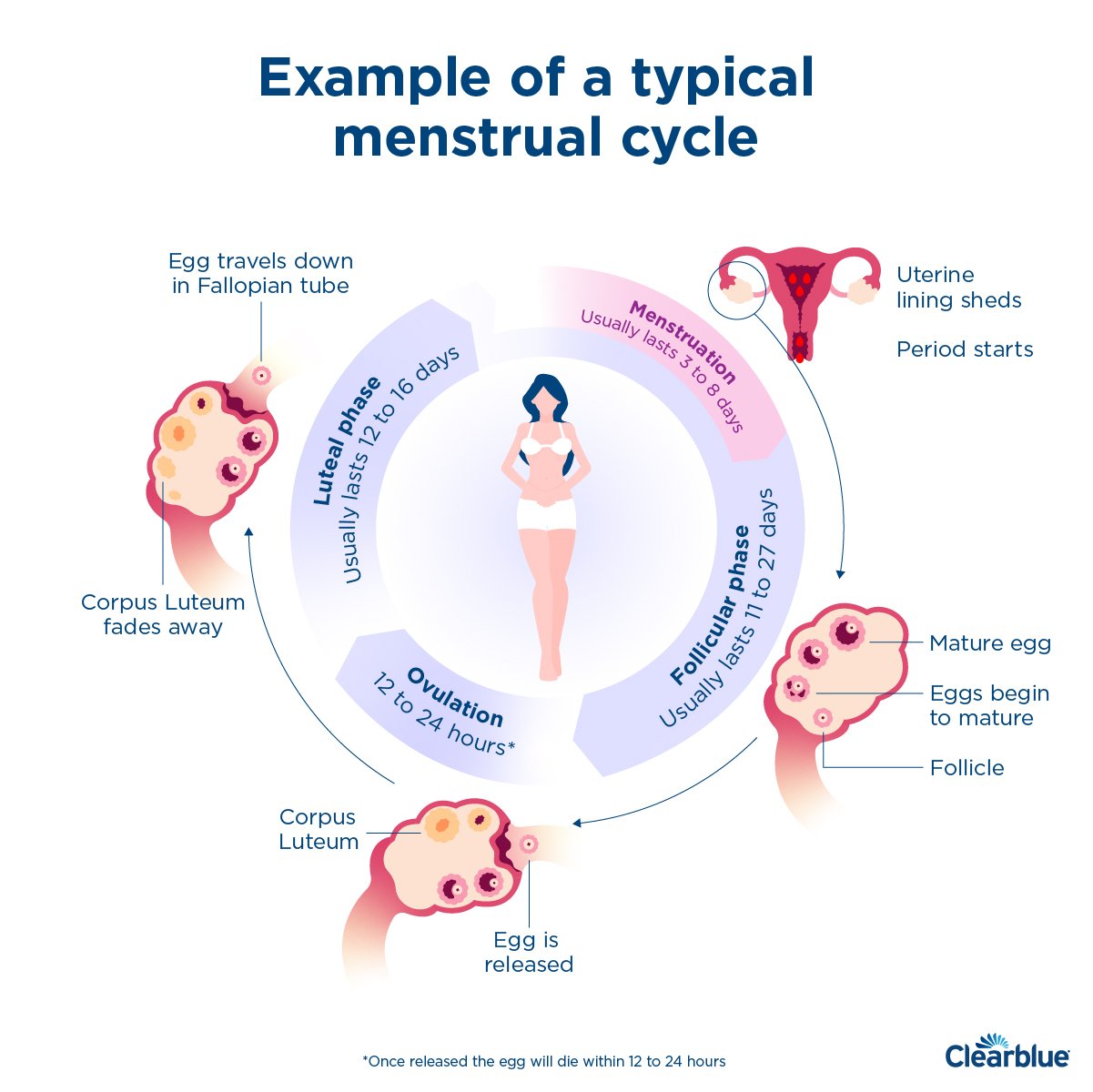
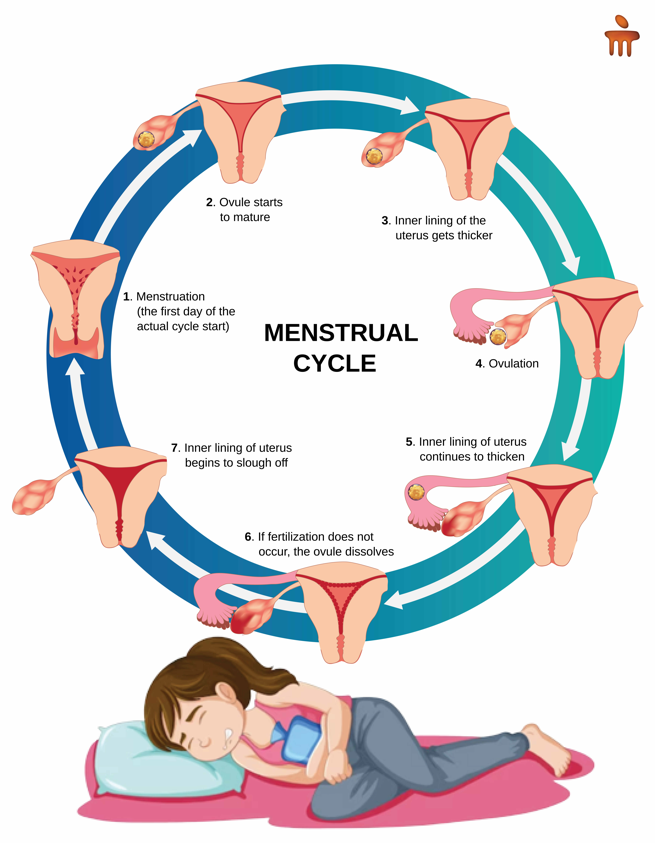
At its core, menstruation is the result of a finely tuned hormonal orchestra conducted by the brain, ovaries, and uterus. This cyclical process, known as the menstrual cycle, typically lasts around 28 days, though variations are common and perfectly normal. The cycle is divided into distinct phases, each characterized by specific hormonal fluctuations and physiological events.
The Follicular Phase: Preparing for Ovulation
The menstrual cycle begins with menstruation itself – the shedding of the uterine lining. Following menstruation, the body enters the follicular phase. During this phase, the pituitary gland in the brain releases Follicle-Stimulating Hormone (FSH). FSH stimulates the ovaries to develop follicles, small sacs containing immature eggs. As these follicles grow, they produce estrogen, a key hormone that thickens the endometrium, the inner lining of the uterus, making it receptive to a potential pregnancy. Typically, one dominant follicle will mature, preparing to release its egg.
Ovulation: The Release of the Egg
Around the middle of the menstrual cycle, typically between day 10 and day 14, a surge in Luteinizing Hormone (LH) from the pituitary gland triggers ovulation. LH causes the dominant follicle to rupture, releasing a mature egg into the fallopian tube. This is the most fertile period of the cycle, when intercourse is most likely to result in conception.
The Luteal Phase: Preparing for Implantation or Shedding
After ovulation, the ruptured follicle transforms into the corpus luteum, which produces progesterone. Progesterone plays a crucial role in preparing the endometrium for implantation of a fertilized egg. It further thickens the uterine lining and makes it rich in blood vessels and nutrients. If fertilization and implantation occur, the corpus luteum continues to produce progesterone, sustaining the pregnancy.
However, if fertilization does not happen, the corpus luteum begins to degenerate after about 10-14 days. This leads to a sharp decline in progesterone and estrogen levels. This hormonal drop signals the uterus that pregnancy has not occurred, initiating the shedding of the thickened endometrium, which is expelled from the body as menstrual blood. This marks the beginning of menstruation, and the cycle starts anew.
Menstruation Beyond Biology: Societal and Cultural Dimensions
While the biological process of menstruation is universal among individuals who menstruate, its experience and perception are profoundly shaped by societal norms, cultural beliefs, and economic realities. The historical silencing and stigmatization of menstruation have created significant barriers to education, hygiene, and overall well-being.
The Impact of Stigma and Education
For centuries, menstruation has been shrouded in taboos, often associated with impurity, shame, or even supernatural powers. This stigma has led to a lack of comprehensive sex education, making it difficult for many to understand their bodies and manage their periods effectively. The absence of open dialogue contributes to misinformation, anxiety, and isolation for those who menstruate. Addressing this stigma requires open conversations, accurate information dissemination, and the normalization of a natural biological process.
Menstrual Hygiene Management (MHM) and Accessibility
Effective menstrual hygiene management is essential for the health and dignity of menstruating individuals. This involves access to sanitary products (pads, tampons, menstrual cups, period underwear), clean water, sanitation facilities, and waste disposal options. However, many individuals, particularly in low-income communities and developing countries, face significant challenges in accessing these basic necessities. This lack of access, often termed “period poverty,” can lead to health issues, missed school or work days, and further perpetuate cycles of disadvantage.
Menstruation in the Digital Age: Tech, Brand, and Financial Opportunities
The intersection of menstruation with technology, branding, and finance presents both challenges and opportunities for innovation and empowerment. As awareness grows and stigma slowly diminishes, new avenues are emerging to address the needs of menstruating individuals and create positive change.
Tech Innovations for Menstrual Health
The technology sector is increasingly recognizing the need for solutions that support menstrual health. This ranges from apps that track menstrual cycles, predict periods, and offer personalized health insights, to the development of more sustainable and comfortable menstrual products.
- Period Tracking Apps: These apps have become indispensable tools for many. By logging dates of periods, symptoms, and other relevant data, users can gain a better understanding of their cycle regularity, fertility windows, and potential health concerns. Features often include symptom diaries, mood tracking, and reminders for medication or appointments. Advanced algorithms can even predict upcoming periods with increasing accuracy, allowing for proactive preparation.
- Smart Menstrual Products: While still in early development, the concept of “smart” menstrual products is gaining traction. Imagine pads or tampons equipped with sensors that can monitor flow levels, detect potential infections, or even release medication. Menstrual cups, with their reusable and eco-friendly nature, are also seeing design innovations for better comfort and usability.
- Digital Platforms for Education and Support: Online forums, social media groups, and dedicated websites are providing spaces for individuals to share experiences, ask questions, and access reliable information about menstruation and reproductive health. These platforms can bridge geographical gaps and connect people who might otherwise feel isolated.
- AI in Menstrual Health: Artificial intelligence is beginning to play a role in analyzing vast datasets from period tracking apps to identify trends, predict health risks, and personalize recommendations. AI-powered chatbots can also provide initial support and information, guiding users to appropriate resources.
Branding and the Normalization of Menstruation
The way brands approach menstruation has a significant impact on societal perception and accessibility. Historically, advertising for menstrual products has been veiled in euphemisms and secrecy. However, a growing number of brands are embracing a more open, honest, and inclusive approach, contributing to the normalization of periods.
- Shifting Advertising Narratives: Brands are moving away from discreet packaging and subtle references. Modern campaigns often use vibrant colors, clear language, and diverse models to depict menstruation as a natural and manageable part of life. This shift in storytelling aims to empower individuals and reduce shame.
- Focus on Inclusivity: Brands are increasingly recognizing that menstruation is not exclusive to cisgender women. Marketing efforts are beginning to acknowledge transgender and non-binary individuals who menstruate, using inclusive language and imagery.
- Sustainability and Ethical Sourcing: Consumer demand for sustainable and ethically produced goods is influencing the menstrual product market. Brands are exploring eco-friendly materials for pads and tampons, promoting reusable alternatives like menstrual cups and period underwear, and ensuring fair labor practices in their manufacturing.
- Brand Advocacy and Philanthropy: Some brands are actively engaging in advocacy for menstrual equity, partnering with organizations to combat period poverty and promote menstrual health education. This goes beyond product sales to create a positive social impact.
Financial Implications and Menstrual Equity
Menstruation has significant financial implications for individuals and presents opportunities for economic empowerment and the creation of more equitable systems.
- The Cost of Menstrual Products: For individuals who menstruate, the recurring cost of menstrual products can be a substantial financial burden. This is particularly true for low-income households. The concept of “period poverty” highlights the economic disparity in access to these essential items.
- “Tampon Taxes” and Legislation: In many regions, menstrual products have historically been taxed as luxury goods. Advocacy efforts have led to the removal of these “tampon taxes” in numerous places, recognizing menstrual products as necessities. This has a direct impact on the affordability of these products.
- Economic Opportunities in Menstrual Health: The growing awareness and market for menstrual health solutions are creating new economic opportunities. This includes the development and manufacturing of innovative menstrual products, the provision of educational services, and the establishment of subscription services for menstrual supplies.
- Financial Literacy and Planning: Understanding the cyclical nature of menstrual costs can be incorporated into personal finance planning. Budgeting for menstrual supplies, exploring cost-effective options like reusable products, and taking advantage of bulk purchases or discounts can help alleviate financial strain.
- Investment in Menstrual Health Tech: The burgeoning sector of menstrual health technology is attracting significant investment, signaling its economic potential and the growing recognition of its importance.
Conclusion: Towards a Future of Empowerment and Understanding
Menstruation, a natural and vital biological process, is far more than just a monthly occurrence. It is deeply intertwined with individual well-being, societal perceptions, and economic realities. By embracing technological advancements, fostering inclusive branding strategies, and addressing the financial implications, we can move towards a future where menstruation is understood, respected, and managed with dignity and equity for all.
The journey from stigma to empowerment is ongoing. Continued education, open dialogue, and innovative solutions across technology, branding, and finance are crucial in dismantling the barriers that still exist and ensuring that everyone who menstruates has the resources and support they need to thrive. Understanding “what is a menses” is the first step in a larger conversation about health, equality, and human dignity.
aViewFromTheCave is a participant in the Amazon Services LLC Associates Program, an affiliate advertising program designed to provide a means for sites to earn advertising fees by advertising and linking to Amazon.com. Amazon, the Amazon logo, AmazonSupply, and the AmazonSupply logo are trademarks of Amazon.com, Inc. or its affiliates. As an Amazon Associate we earn affiliate commissions from qualifying purchases.