
In the modern retail landscape, the question “What is a men’s medium in women’s?” is far more than a simple inquiry about measurements. It is a portal into the complex world of brand strategy, market segmentation, and corporate identity. For decades, the fashion and apparel industry has relied on gender-binary sizing as a foundational pillar of its business model. However, as consumer behavior shifts toward fluid identities and utilitarian fashion, brands are being forced to reconcile their traditional sizing charts with a new reality of cross-gender shopping.
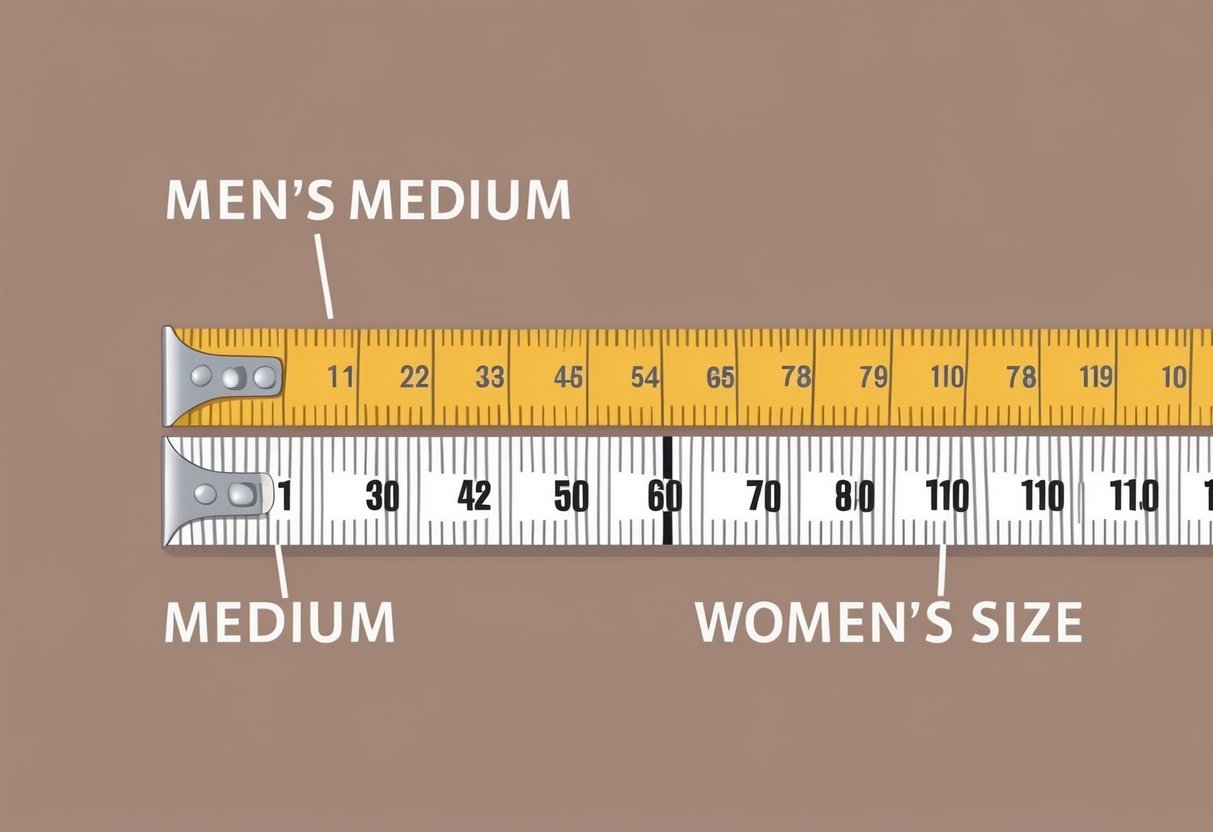
Understanding the conversion between a men’s medium and its female-focused counterpart is a critical exercise for brand managers. It reveals how a brand perceives its audience, how it manages its inventory, and how it communicates its value proposition to a diversifying global market.
The Psychology of Sizing in Brand Identity
Sizing is one of the most intimate touchpoints between a brand and its consumer. When a customer identifies as a “Medium,” that label becomes part of their self-perception within the ecosystem of that brand. However, the lack of standardization across the industry creates a “sizing gap” that brands must navigate carefully to maintain trust and loyalty.
The Role of Vanity Sizing in Brand Equity
Vanity sizing—the practice of labeling clothes with smaller size numbers than their actual measurements—is a calculated brand strategy. By making consumers feel they fit into a smaller size, brands attempt to boost customer self-esteem and, by extension, brand affinity. In the context of converting a men’s medium to women’s, this creates a significant hurdle. A men’s medium is generally equivalent to a women’s large or extra-large, but the psychological impact of moving “up” in size notation can negatively affect the consumer experience if the brand has built its identity on a specific aesthetic ideal.
Building Emotional Connection Through Fit
A brand’s “fit” is its signature. For example, a “Medium” at a luxury heritage brand like Ralph Lauren conveys a different lifestyle and physical archetype than a “Medium” at a fast-fashion outlet like H&M. When women shop in the men’s department—a trend driven by the “oversized” aesthetic—they are often seeking the structural integrity and minimalist branding associated with menswear. Brands that successfully facilitate this cross-shopping experience through clear communication build a reputation for being inclusive and practical, rather than rigid and exclusionary.
Navigating the Technical Conversion: A Brand Strategy Approach
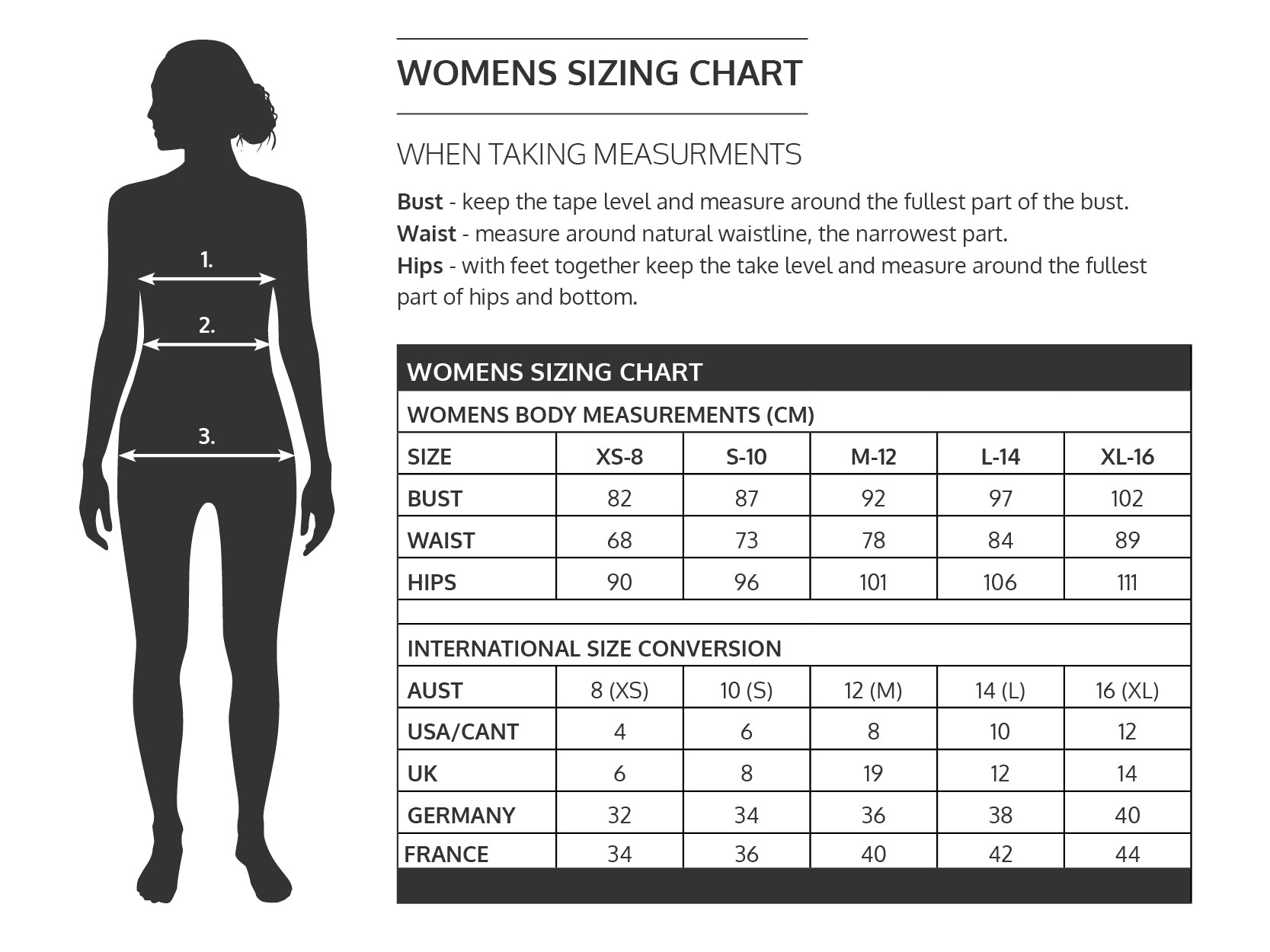
From a technical brand perspective, a men’s medium typically translates to a women’s size 12-14 or a Large/Extra-Large. However, the conversion is not merely mathematical; it is architectural. Menswear is traditionally cut with a “V-shape” (broader shoulders, narrower hips), while womenswear is designed with an “hourglass” or “pear” silhouette in mind.
The Design Philosophy of Cross-Gender Apparel
When a brand decides how to market a men’s medium to a female audience, it must decide between “shrink it and pink it” (the outdated method of simply downsizing male patterns) or “inclusive engineering.” Strategic brands are now utilizing “block patterns” that allow for more room in the chest and shoulders while maintaining a silhouette that appeals to all genders. This approach reinforces a brand’s identity as an innovator in design, rather than just a manufacturer of garments.
Case Study: The “Boyfriend” Fit as a Marketing Tool
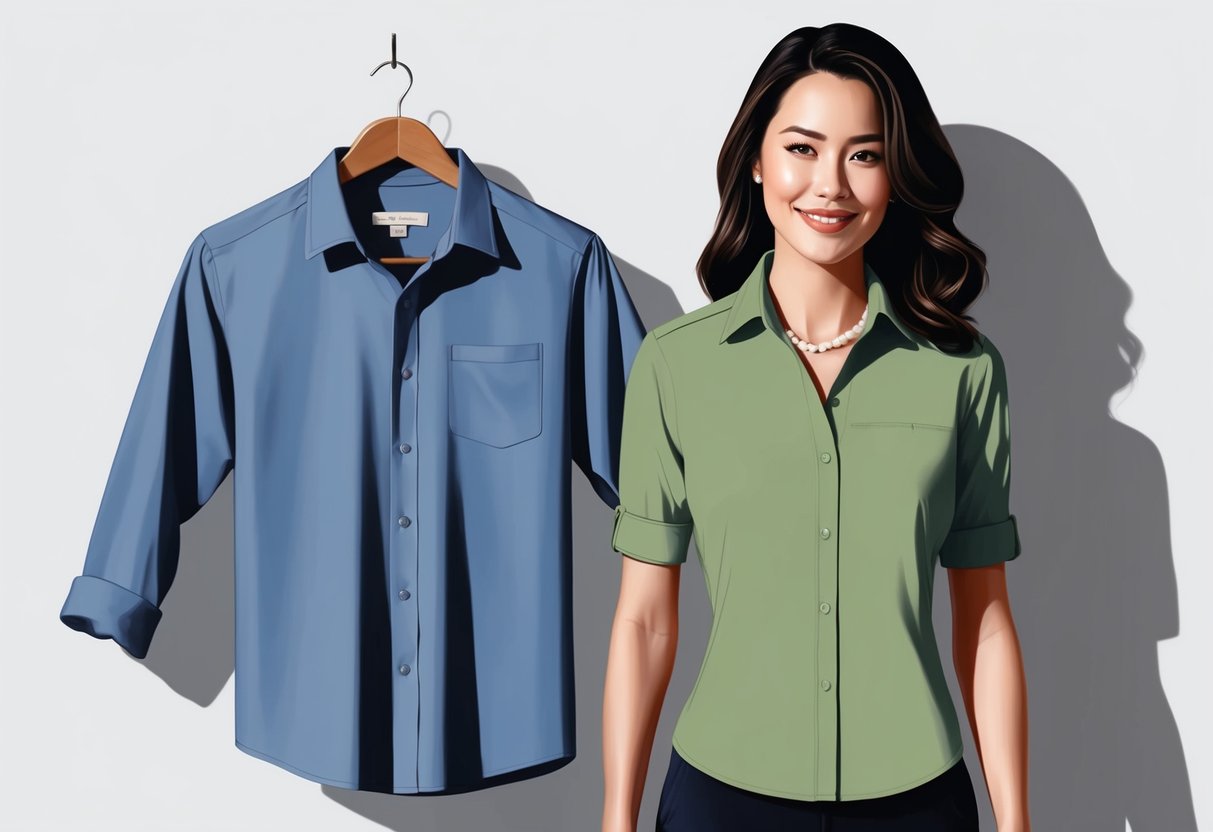
The “Boyfriend” jean or shirt is perhaps the most successful branding execution of size conversion in history. By explicitly labeling a women’s garment with a men’s-inspired fit, brands successfully bridged the gap. They took the “men’s medium” aesthetic—slightly oversized, comfortable, and durable—and rebranded it as a premium feminine style. This allowed brands to charge a “pink tax” or a premium for a specific cut while leveraging the psychological comfort of the “men’s” fit.
The Rise of Unisex Branding and Inclusive Design
As the lines between men’s and women’s fashion blur, many forward-thinking brands are abandoning traditional gendered sizing altogether. This shift is a bold move in brand strategy, moving away from “men’s vs. women’s” and toward “shape-based” or “numerical-only” systems.
Minimalism and the Gender-Neutral Identity
Brands like Everlane, Telfar, and Fear of God have mastered the art of the gender-neutral brand. In these ecosystems, a “Medium” is simply a “Medium.” This simplifies the corporate identity by focusing on the garment’s utility rather than the wearer’s gender. For a brand, this reduces the complexity of marketing collateral and streamlines the digital customer journey. Instead of a woman wondering what a men’s medium is, she sees a single size chart that uses height and weight metrics or 3D body-mapping data.
Inventory Management and Brand Sustainability
From a business strategy perspective, moving toward a more unified sizing system—where a men’s medium is the universal standard—is a sustainability play. It allows brands to produce fewer SKUs (Stock Keeping Units). By reducing the need for separate men’s and women’s production lines for basic items like hoodies and T-shirts, brands can lower their overhead and present themselves as eco-conscious, a core value for Gen Z and Millennial consumers.
Brand Loyalty and the Financial Cost of Inconsistent Sizing
The “sizing gap” is not just a branding problem; it is a significant financial drain. Inconsistent sizing is the leading cause of returns in e-commerce, which can decimate a brand’s profit margins and damage its reputation.
The Customer Journey and the “Fit” Friction
If a customer buys a men’s medium expecting a specific oversized women’s fit and receives something that is either too restrictive or excessively baggy, the brand has failed in its promise of quality. Strategic brands invest heavily in “Size & Fit” guides that include diverse model photography. By showing a men’s medium on both a male and female model, a brand provides visual proof of versatility, reducing the friction in the customer journey and decreasing the likelihood of a return.
Trust as the Ultimate Brand Currency
In the age of social media, “sizing rants” can go viral, quickly tarnishing a brand’s corporate identity. Conversely, brands that are transparent about their measurements—explicitly stating, for example, that “Our Men’s Medium fits like a Women’s Size 12″—build a foundation of trust. This transparency is a form of brand storytelling. It tells the customer, “We understand your body, and we have done the work to make sure you look good in our clothes.”
Conclusion: Sizing as a Strategic Asset
The question of what a men’s medium is in women’s sizes is indicative of a broader shift in how brands must operate in a modern, consumer-centric world. It is no longer enough to offer a product; brands must offer a seamless, inclusive, and transparent experience.
By deconstructing the “men’s medium,” brands can identify opportunities for better design, more effective marketing, and a more robust corporate identity. Whether through the adoption of unisex collections or the implementation of hyper-accurate conversion guides, the goal remains the same: to eliminate the guesswork for the consumer. In the competitive landscape of global retail, the brands that win will be those that treat sizing not as a logistical afterthought, but as a core component of their brand strategy.
aViewFromTheCave is a participant in the Amazon Services LLC Associates Program, an affiliate advertising program designed to provide a means for sites to earn advertising fees by advertising and linking to Amazon.com. Amazon, the Amazon logo, AmazonSupply, and the AmazonSupply logo are trademarks of Amazon.com, Inc. or its affiliates. As an Amazon Associate we earn affiliate commissions from qualifying purchases.