
The seemingly simple question, “What is a mani and pedi?” opens a gateway to understanding not just a cosmetic treatment, but a significant segment of the service industry with deep roots in personal care and, increasingly, in technological integration. While often grouped together as a singular experience, the manicure and pedicure are distinct, yet complementary, treatments that focus on the health and aesthetic enhancement of the hands and feet respectively. Understanding their nuances reveals a sophisticated ecosystem of products, techniques, and entrepreneurial opportunities.
The Foundation: Understanding Manicures and Pedicures
At its core, a manicure is a cosmetic treatment for the fingernails and hands, while a pedicure is a cosmetic treatment for the toenails and feet. Both aim to improve the appearance and feel of these extremities, promoting hygiene and a sense of well-being. However, the scope and execution of each can vary significantly, ranging from basic upkeep to elaborate, luxurious experiences.
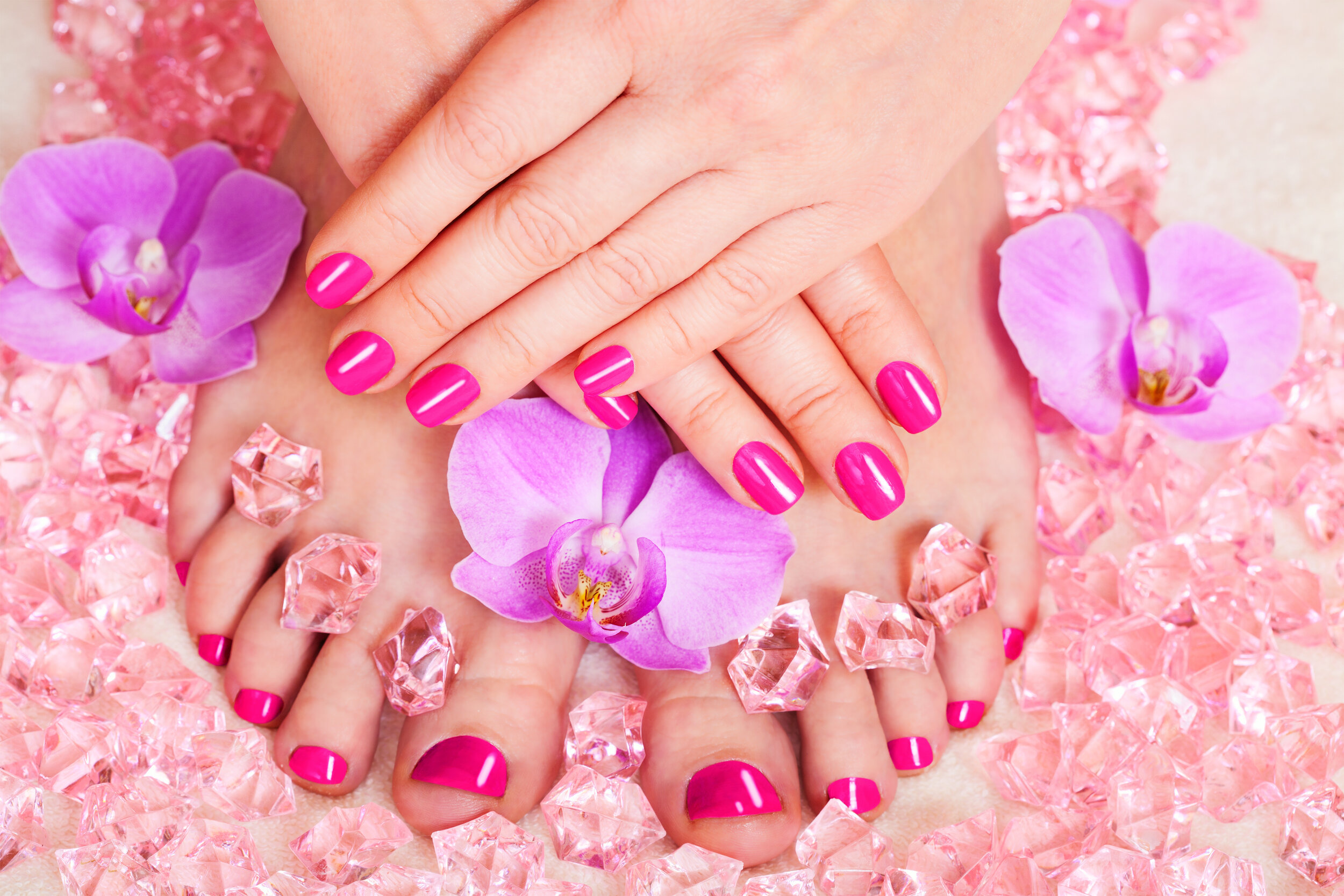
Manicure: Beyond the Polish
A traditional manicure typically involves several key steps. It begins with an assessment of the nails and cuticles, followed by shaping and filing the nails to the desired length and form. Cuticle care is crucial, involving softening and gently pushing back or trimming excess cuticle skin to reveal a cleaner nail bed. The hands are then often exfoliated to remove dead skin cells, leaving them feeling smooth and soft. This can be followed by a moisturizing hand massage to improve circulation and hydration. The final and most visible step is the application of nail polish, ranging from clear coats to vibrant colors, or the more durable shellac or gel polishes that offer extended wear.
Beyond the basic, manicures can encompass specialized treatments. French manicures, with their signature white tips and nude or pink base, remain a classic. However, contemporary variations include reverse French manicures, ombre effects, and intricate nail art. Gel and dip powder manicures have gained immense popularity due to their longevity and chip-resistant nature, offering a salon-quality finish that can last for weeks. For those seeking therapeutic benefits, aromatherapy manicures incorporate essential oils to enhance relaxation and skin nourishment. The evolution of the manicure also includes advancements in nail health, with treatments focused on strengthening brittle nails or addressing fungal infections, often incorporating specialized tools and formulations.
Pedicure: The Grounding Experience
The pedicure, mirroring the manicure in its fundamental steps, focuses on the feet. It typically starts with soaking the feet in warm, often medicated, water to soften the skin and nails. This is followed by exfoliation, often using a pumice stone or scrub to remove calluses and rough skin, particularly on the heels and soles. Nail shaping and trimming are then performed, with a focus on preventing ingrown toenails. Cuticle care is also part of the process, ensuring a neat appearance. Moisturizing lotions and foot massages are integral to a pedicure, relieving fatigue and improving skin hydration. Similar to manicures, polish application, from classic lacquers to long-lasting gels, completes the treatment.
The significance of pedicures extends beyond aesthetics. For individuals who spend long hours on their feet, or those with certain medical conditions like diabetes, pedicures can be crucial for maintaining foot health. Specialized medical pedicures, often performed by trained professionals, address issues such as corns, calluses, bunions, and fungal infections with a focus on hygiene and preventative care. Therapeutic pedicures might incorporate paraffin wax treatments for deep moisturization and pain relief, or reflexology techniques to stimulate pressure points and promote overall well-being. The choice of pedicure can also be dictated by lifestyle; athletes might opt for treatments focused on foot recovery and blister prevention, while frequent travelers might seek relief from swelling and fatigue.
The Evolution of Mani-Pedi: From Tradition to Technology
The journey of manicures and pedicures from simple grooming rituals to sophisticated beauty and wellness services is a testament to innovation and changing consumer demands. This evolution is particularly evident in the adoption of new technologies and materials that enhance the effectiveness, durability, and overall experience of these treatments.
Innovations in Nail Products and Tools
The nail care industry has witnessed a revolution in product development. Gone are the days of solely relying on basic lacquers. The advent of gel polish, which cures under UV or LED lamps, has dramatically increased the longevity and chip resistance of manicures and pedicures, offering a flawless finish for up to three weeks. Dip powder nails, another innovation, involve dipping the nail into a colored powder before applying an activator, providing a durable and often quicker alternative to gel.
Beyond polishes, the formulation of nail treatments themselves has advanced. Strengtheners infused with vitamins and proteins aim to improve nail health, while base coats and top coats are engineered for specific purposes, such as preventing staining or adding extra shine. Cuticle oils, rich in emollients and nutrients, are now commonplace for maintaining healthy cuticles.
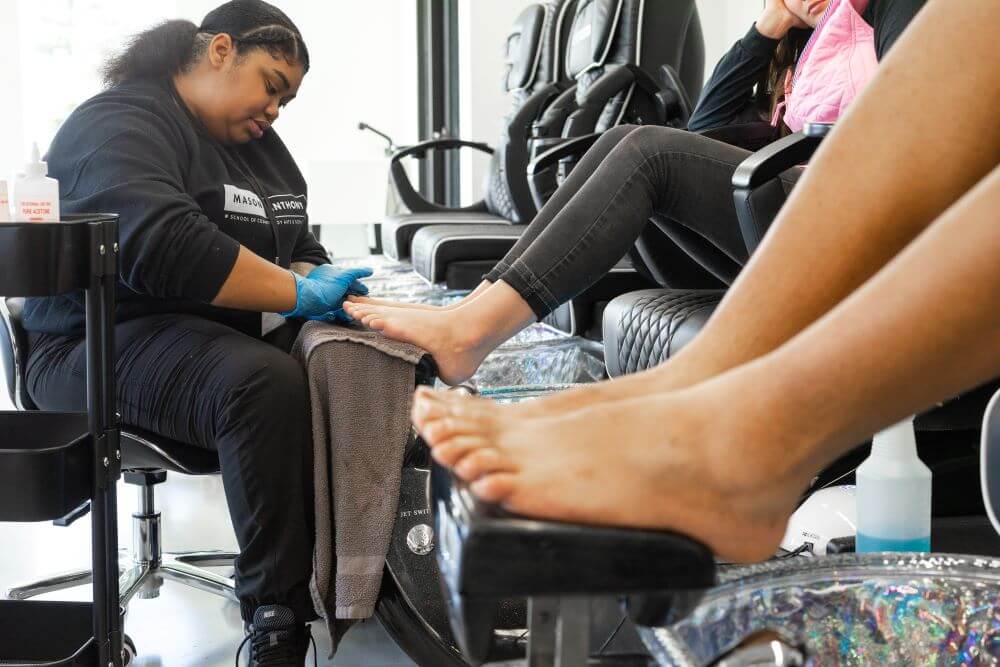
The tools used have also seen significant upgrades. Electric nail files, or e-files, have become standard in many professional settings, allowing for faster and more precise shaping and cuticle work. Sterilization techniques and equipment, such as autoclaves, are now paramount in ensuring hygiene and preventing the spread of infections, a critical development for public health and consumer confidence. The demand for personalized experiences has also led to the development of specialized tools for intricate nail art, such as fine-tipped brushes, dotting tools, and stamping plates.
The Rise of the “Smart” Salon and Digital Integration
The digital age has profoundly impacted the salon experience, transforming how clients book appointments, interact with services, and even how treatments are performed. Online booking platforms and mobile apps have become ubiquitous, allowing clients to schedule their mani-pedis at their convenience, view service menus, and even select their preferred technician. This digital shift streamlines operations for salon owners, reducing administrative overhead and enhancing customer satisfaction.
Furthermore, salons are increasingly incorporating digital technologies into the client experience itself. Interactive touchscreens can display color options and nail art designs. Some advanced salons even utilize 3D nail printers, capable of creating intricate, custom designs directly onto the nail surface, a testament to the fusion of beauty and technology. Virtual consultations, where clients can discuss their desired outcomes with technicians remotely, are also emerging.
The retail aspect of salons has also embraced digital integration. Online stores for professional nail products, loyalty programs managed through apps, and social media marketing campaigns are now standard practice, extending the salon’s reach and brand engagement beyond the physical space. The pursuit of a seamless customer journey, from initial inquiry to post-treatment follow-up, is a key driver for this digital transformation.
The Business of Mani-Pedi: Entrepreneurship and Economic Impact
The manicure and pedicure industry is a substantial contributor to the global economy, offering a wealth of entrepreneurial opportunities and supporting a vast workforce. Its accessibility, relatively low barrier to entry for independent operators, and consistent consumer demand make it an attractive sector for business ventures.
From Independent Technicians to Franchise Models
The beauty of the mani-pedi business lies in its scalability and diverse operational models. Many individuals begin as freelance nail technicians, building a client base through word-of-mouth and mobile services. This offers flexibility and a low initial investment, requiring primarily skill, quality products, and marketing.
As demand grows, independent technicians may choose to establish their own brick-and-mortar salons. This transition involves significant investment in space, equipment, inventory, and staffing. However, it allows for greater control over the brand, service offerings, and customer experience.
The franchise model is another popular route. Established nail salon chains offer a proven business system, brand recognition, and ongoing support to franchisees. This can significantly reduce the risks associated with starting a new business, as the franchisor provides guidance on operations, marketing, and supply chain management. However, it comes with franchise fees and royalties.
Regardless of the model, success in the mani-pedi business hinges on several key factors: maintaining high standards of hygiene, offering excellent customer service, staying abreast of the latest trends and techniques, effective marketing and branding, and sound financial management. The ability to adapt to evolving consumer preferences, such as the increasing demand for natural and eco-friendly products, is also crucial for long-term viability.

The Economic Significance of Nail Salons
Nail salons, encompassing a wide range of businesses from small independent shops to large chain establishments, represent a significant segment of the service economy. They provide employment for millions of technicians, managers, and support staff worldwide. The industry’s economic impact extends beyond direct employment, creating demand for nail care products, salon equipment, marketing services, and real estate.
Furthermore, the rise of mobile nail technicians and home-based businesses has expanded access to these services, particularly in underserved areas. The affordability and convenience of manicures and pedicures for many consumers contribute to their consistent demand, acting as a relatively recession-resilient industry.
The growth of the nail care market is also fueled by a global emphasis on personal grooming and self-care. As disposable incomes rise in many parts of the world, consumers are increasingly willing to invest in aesthetic treatments that enhance their confidence and well-being. This sustained demand, coupled with ongoing innovation in products and services, ensures that the mani-pedi industry will continue to be a dynamic and economically vital sector for the foreseeable future.
aViewFromTheCave is a participant in the Amazon Services LLC Associates Program, an affiliate advertising program designed to provide a means for sites to earn advertising fees by advertising and linking to Amazon.com. Amazon, the Amazon logo, AmazonSupply, and the AmazonSupply logo are trademarks of Amazon.com, Inc. or its affiliates. As an Amazon Associate we earn affiliate commissions from qualifying purchases.