
The world of musical instruments is rich and diverse, encompassing everything from the mass-produced ubiquities to the bespoke, handcrafted marvels that speak with unparalleled voice. At the heart of this latter category lies a craftsman whose skill, dedication, and artistry breathe life into wood and wire: the luthier. The term “luthier” itself hints at a specialized, almost arcane profession, conjuring images of dusty workshops filled with the scent of aged timber and the quiet hum of focused creation. But what precisely defines a luthier, and what does their craft entail in the modern era? This exploration delves into the intricate world of these instrument artisans, focusing not just on their historical roots but also on their evolving role in the contemporary Tech landscape, particularly through the lens of innovation, advanced materials, and the digital tools that are shaping their craft.

The contemporary luthier is a fascinating figure who bridges the gap between ancient artisanal traditions and cutting-edge technological advancements. While the core principles of instrument making remain rooted in centuries of experience, the modern luthier is increasingly leveraging technology to refine their processes, explore new sonic possibilities, and connect with a global clientele. This isn’t about replacing the human touch, but rather augmenting it, enabling luthiers to achieve greater precision, experiment with novel designs, and even bring their instruments into the digital realm.
The Luthier’s Craft: From Ancient Art to Modern Precision
The art of lutherie, or instrument making, has a lineage stretching back centuries. The name itself, derived from the lute, a stringed instrument popular in medieval and Renaissance Europe, signifies a deep historical connection. Luthiers are primarily known for crafting stringed instruments, particularly those of the bowed and plucked families. However, their expertise can extend to a broader range of instruments, depending on their specialization.
Historical Roots and Traditional Techniques
The foundational knowledge of lutherie is passed down through generations, often through apprenticeships. Traditional techniques involve a profound understanding of wood: its properties, how it ages, and how it resonates. Luthiers meticulously select specific tonewoods, such as spruce for soundboards, maple for backs and sides, and ebony for fingerboards, each chosen for its unique acoustic qualities. The carving of the instrument’s body, the precise shaping of the neck, and the careful fitting of components are all executed with meticulous attention to detail. These traditional methods, while time-consuming, are crucial for achieving the nuanced tonal characteristics that distinguish handcrafted instruments.
The Luthier’s Toolkit: Evolving Beyond Hand Tools
Historically, a luthier’s toolkit consisted primarily of hand tools: chisels, planes, saws, carving knives, and scraping tools. These remain indispensable, forming the bedrock of the craft. However, modern luthiers are embracing a wider array of tools and technologies that enhance their precision, efficiency, and creative potential.
Advanced Woodworking Machinery and CNC
While the romance of hand-carving persists, computer numerical control (CNC) machines have become increasingly prevalent in modern lutherie. These highly accurate automated machines can be programmed to cut intricate shapes, carve complex bracing patterns, and even shape entire instrument components with unparalleled consistency. This doesn’t diminish the luthier’s skill; rather, it allows them to focus on the more artistic and nuanced aspects of instrument making, such as finishing, voicing, and final assembly, while ensuring a perfect foundation for their work. CNC technology enables luthiers to replicate complex designs with perfect symmetry and to explore geometries that might be prohibitively difficult or time-consuming to achieve by hand.
3D Printing and Material Innovation
The advent of 3D printing has opened up exciting new avenues for luthiers. This technology allows for the creation of highly complex internal structures, lightweight yet strong bracing systems, and even entirely new instrument designs that were previously impossible. Luthiers can experiment with intricate lattice bracing, which can optimize soundboard vibration and projection, or create custom-fitted components like bridges, tailpieces, and headstocks. Furthermore, 3D printing facilitates the use of advanced composite materials, often combined with traditional wood, to achieve unique tonal characteristics, enhanced durability, or novel aesthetic properties. This is particularly relevant for experimental instruments or for creating parts that are difficult to source or manufacture traditionally.
The Integration of Technology in Sound Production and Enhancement
Beyond the construction phase, technology plays a significant role in how modern luthiers approach the sonic qualities of their instruments, as well as how these instruments interact with the wider world of sound.
Digital Modeling and Acoustic Simulation
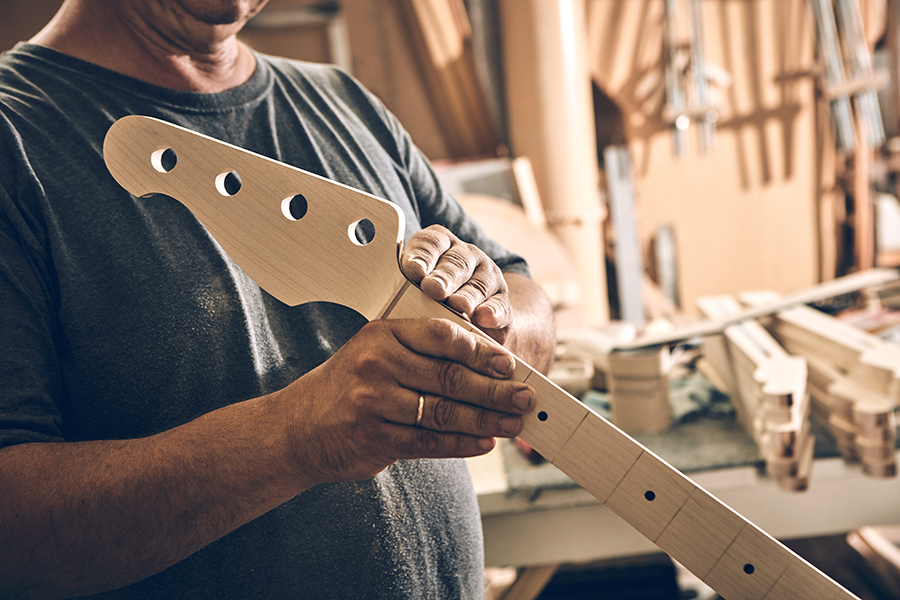
Sophisticated software allows luthiers to digitally model the acoustic properties of their instruments before construction begins. Finite element analysis (FEA) and other simulation techniques can predict how different wood densities, bracing patterns, and body shapes will affect sound projection, resonance, and tonal balance. This allows luthiers to fine-tune their designs in a virtual environment, saving time and resources, and exploring a wider range of acoustic possibilities. By simulating the flow of sound waves and the vibrational modes of the instrument, luthiers can gain a deeper understanding of acoustic principles and make more informed decisions about their designs.
Electronics and Amplification: Modernizing Traditional Instruments
For many stringed instruments, particularly guitars and violins, the integration of high-quality electronics has become a hallmark of modern lutherie. Luthiers are now skilled in installing sophisticated pickup systems, preamplifiers, and even onboard effects, allowing their acoustic instruments to be seamlessly amplified. This involves not just wiring, but a deep understanding of how transducers interact with the instrument’s natural voice and how to minimize feedback and unwanted noise. The goal is to capture the instrument’s acoustic character as faithfully as possible, whether for live performance or recording. This has led to a renaissance in acoustic-electric instruments, offering performers greater versatility without compromising the instrument’s organic sound.
Pickup Technologies and Signal Processing
The range of pickup technologies available to luthiers has expanded dramatically. From traditional piezoelectric pickups that capture string vibration to advanced magnetic pickups and even microphone systems that capture the instrument’s resonance, the choices are vast. Luthiers must understand the strengths and weaknesses of each technology and how to integrate them harmoniously with the instrument’s design. Furthermore, the rise of digital signal processing (DSP) allows for sophisticated sound shaping and effects application, often integrated directly into the instrument. Luthiers may work with manufacturers or develop their own custom DSP solutions to offer unique sonic palettes to musicians.
The Digital Luthier: Online Presence, Customization, and Community
Technology has also transformed how luthiers market their work, engage with customers, and build their brand in the digital age.
Online Showcases and Virtual Workshops
The internet has become an indispensable platform for luthiers to showcase their creations. High-quality photography, videography, and virtual reality (VR) experiences allow potential customers to explore instruments in detail from anywhere in the world. Luthiers can offer virtual tours of their workshops, provide in-depth demonstrations of their craft, and even conduct remote consultations. This digital presence breaks down geographical barriers and connects luthiers with a global audience of discerning musicians.
E-commerce and Global Reach
The ability to sell instruments directly to customers online has revolutionized the business of lutherie. Secure e-commerce platforms, coupled with efficient international shipping logistics, enable luthiers to reach markets far beyond their local communities. This not only expands their customer base but also allows for more direct feedback and relationship building with musicians worldwide. Online marketplaces and specialized forums also provide valuable avenues for luthiers to connect with each other, share knowledge, and collaborate on projects.
Customization Platforms and Digital Design Tools
Modern luthiers are increasingly offering highly customizable instruments. Through online configuration tools and detailed digital design interfaces, musicians can collaborate with luthiers to specify every aspect of their instrument, from wood selection and inlay patterns to pickup configurations and finish colors. These platforms often leverage 3D modeling to provide realistic visual representations of the custom instrument, allowing for iterative design and clear communication between luthier and client. This level of personalized design and co-creation is a testament to the fusion of artistry and technology.
AI-Assisted Design and Material Selection
Emerging AI tools are beginning to offer luthiers assistance in areas like design optimization and material selection. AI algorithms can analyze vast datasets of existing instrument designs and acoustic performance to suggest optimal bracing patterns, body dimensions, or wood combinations for specific tonal goals. While still in its nascent stages, the potential for AI to aid in the predictive modeling of acoustic properties and to identify novel material pairings promises to further push the boundaries of instrument design. This symbiotic relationship between human intuition and artificial intelligence can lead to instruments that are not only aesthetically pleasing but also acoustically groundbreaking.
The Future of Luthierie: A Harmonious Blend of Tradition and Innovation
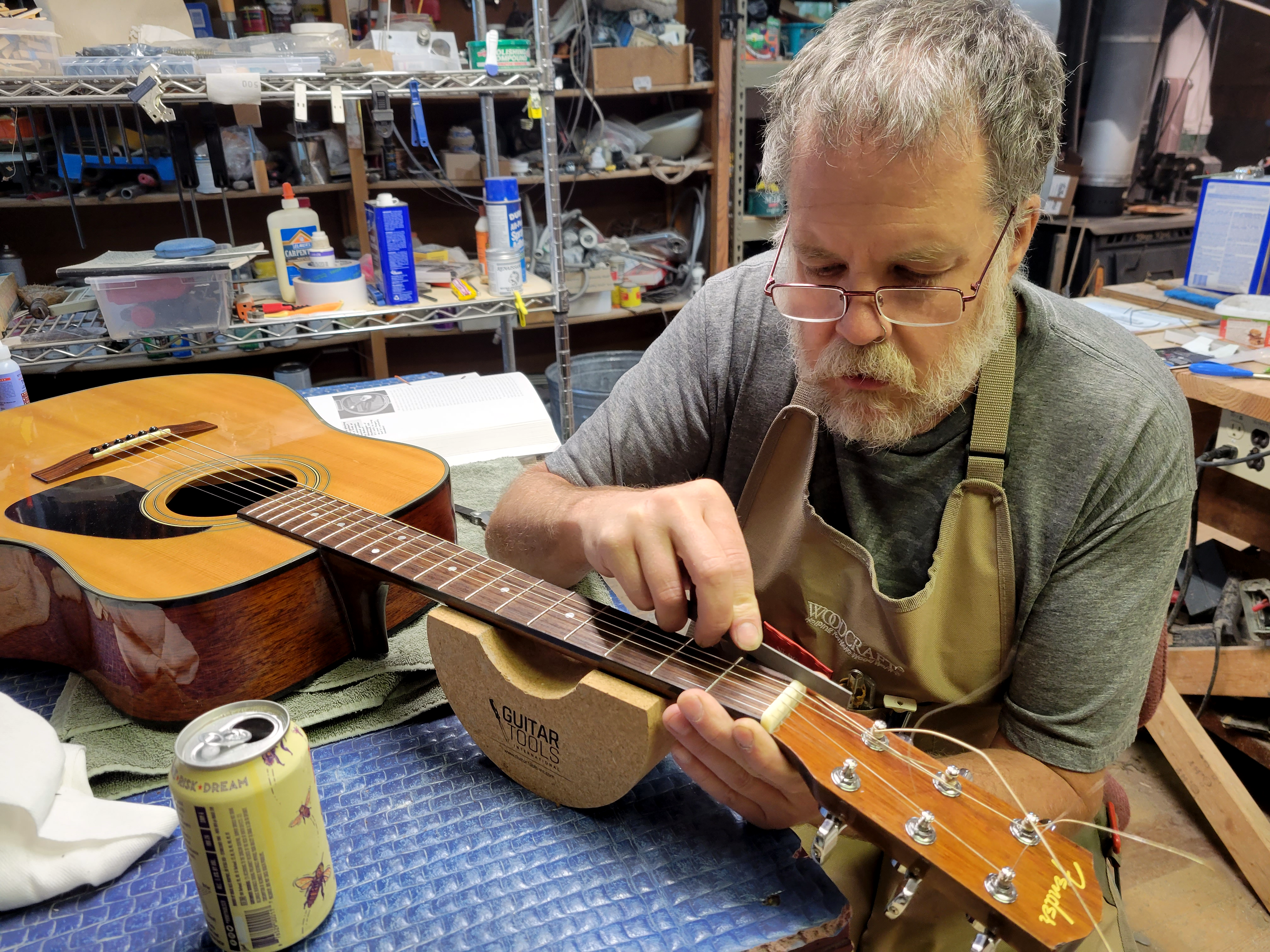
The luthier of the 21st century is a multifaceted artisan. They are keepers of ancient traditions, masters of their materials, and increasingly, sophisticated users of modern technology. The integration of tech into their craft is not a dilution of their skill but an enhancement, empowering them to achieve new levels of precision, explore uncharted sonic territories, and connect with a global community of musicians in unprecedented ways. From the precise contours cut by a CNC machine to the intricate digital simulations that guide their acoustic decisions, technology is becoming an indispensable partner in the creation of instruments that resonate with both the soul of the craftsman and the demands of the modern musical landscape. The future of luthierie promises a continued harmonious blend of timeless artistry and forward-thinking innovation, ensuring that the craft of instrument making will continue to evolve and inspire for generations to come.
aViewFromTheCave is a participant in the Amazon Services LLC Associates Program, an affiliate advertising program designed to provide a means for sites to earn advertising fees by advertising and linking to Amazon.com. Amazon, the Amazon logo, AmazonSupply, and the AmazonSupply logo are trademarks of Amazon.com, Inc. or its affiliates. As an Amazon Associate we earn affiliate commissions from qualifying purchases.