
The world of coffee is a vast and nuanced landscape, with countless terms and preparations to explore. Among these, “lungo” has carved out its own distinct identity, often misunderstood or conflated with other espresso-based drinks. Far from being a mere technicality, the lungo represents a deliberate choice in flavor profile and an intriguing facet of how coffee brands position themselves to cater to diverse consumer preferences. Understanding what a lungo truly is, beyond its literal translation, involves delving into its brewing characteristics, its sensory attributes, and, crucially, how it has been integrated into the broader narrative of coffee culture and brand offerings.

The Technical Genesis: Brewing the Lungo
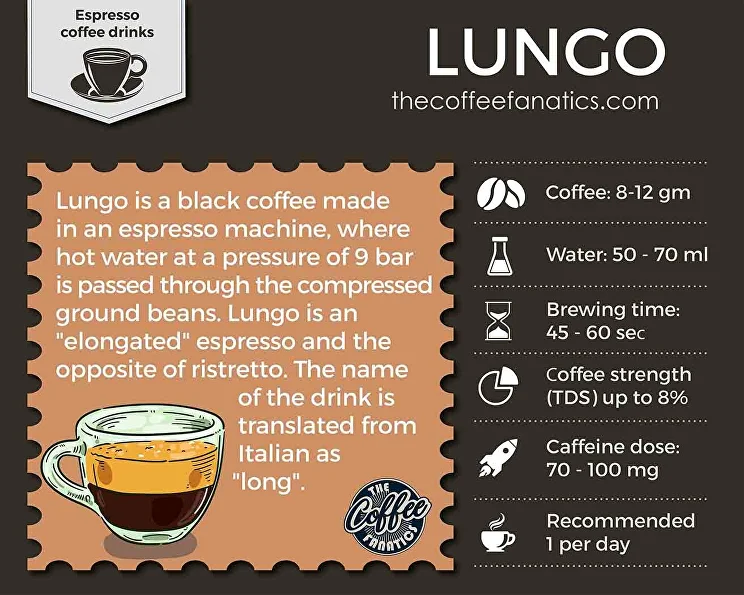
At its core, the lungo is an espresso beverage, but its distinction lies entirely in the extraction process. While sharing the same foundational ingredients – finely ground coffee and hot water – the quantity of water and the duration of the shot are what fundamentally alter its character. This technical difference, when communicated effectively by brands, becomes a key differentiator in their marketing and product descriptions.
Espresso as the Foundation
All espresso-based drinks, including the lungo, begin with a shot of espresso. This is produced by forcing hot, pressurized water through finely ground coffee beans. The standard espresso shot typically uses around 7-9 grams of coffee and yields approximately 25-30ml of liquid, extracted in about 20-30 seconds. This intensive, concentrated brewing method is designed to extract the rich oils, aromatics, and soluble solids from the coffee grounds, resulting in a potent and flavorful base. Brands that offer espresso-based beverages build their reputation on the quality of their espresso extraction, and this foundation is paramount to understanding any variation.
The Elongated Extraction: Defining the Lungo
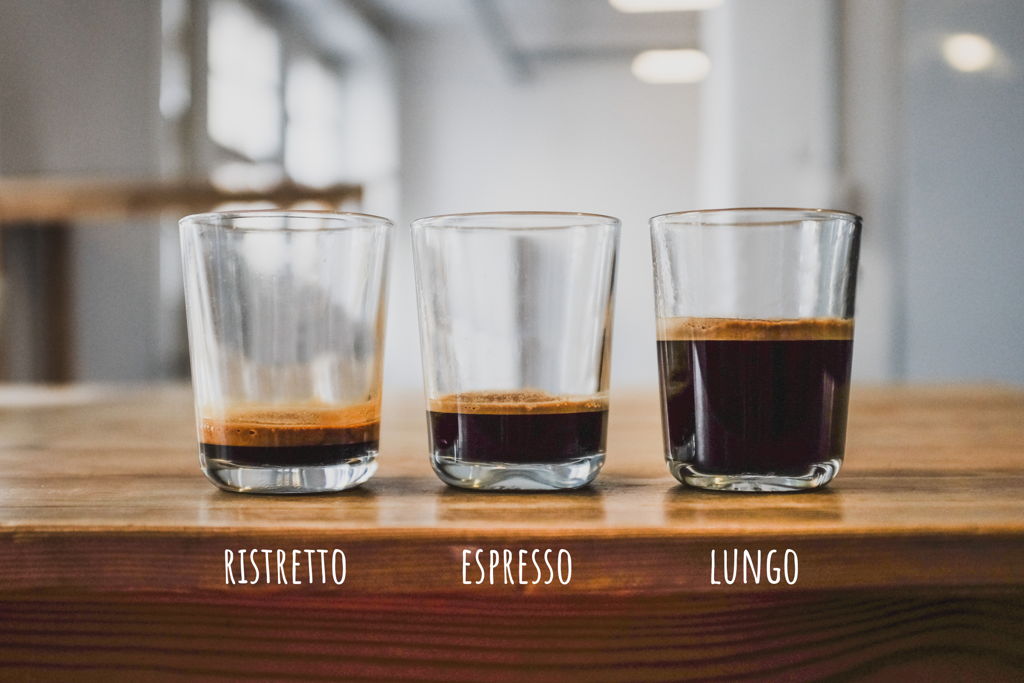
The term “lungo” itself is Italian for “long.” This literal translation directly informs the brewing process. A lungo shot uses the same amount of coffee grounds as a standard espresso but employs significantly more water, typically between 60-90ml (twice or thrice the volume of a standard espresso). This increased volume of water is passed through the coffee grounds for a longer period, often up to a minute.
This extended extraction is not simply about making a larger drink; it’s about altering the balance of flavors and mouthfeel. The initial stages of espresso extraction yield the most desirable and concentrated flavors – the sweet, fruity, and bright notes. As the extraction continues for a lungo, more water passes through the grounds, extracting compounds that are generally less soluble and can contribute to bitterness and astringency. Brands that promote lungo specifically are often aiming to appeal to consumers who appreciate this nuanced outcome, or who seek a less intense, more diluted espresso experience. The technical precision of this brewing method allows for controlled variation, a key aspect that coffee businesses leverage to create distinct product lines.
Factors Influencing the Lungo Experience
While the definition of a lungo is rooted in the water-to-coffee ratio and extraction time, several other factors, often emphasized by coffee brands, significantly influence the final beverage:
- Coffee Bean Quality and Roast Profile: The origin, varietal, and roast level of the coffee beans are paramount. Lighter roasts tend to have more acidic and brighter notes, which can be amplified in a lungo. Darker roasts, with their inherent bitterness and chocolatey notes, might become overwhelmingly bitter with a prolonged extraction if not carefully managed. Coffee companies invest heavily in sourcing and roasting beans specifically suited for different brewing methods, and this is no different for their lungo offerings. They might market specific beans as ideal for a lungo due to their balanced profile or inherent sweetness that can withstand the longer extraction.
- Grind Size: The fineness of the coffee grind is crucial for controlling the flow rate of water. For a lungo, a slightly coarser grind than that used for a standard espresso might be employed to prevent over-extraction and excessive bitterness. This level of detail in preparation is often highlighted in brand guides or barista training, contributing to the perceived expertise and quality of their coffee.
- Water Temperature and Pressure: The temperature and pressure used during extraction also play a vital role. While standard espresso parameters are generally followed, slight adjustments can be made to optimize the lungo extraction, aiming for a balanced flavor without excessive bitterness. Brands often emphasize their advanced brewing technology or precise control over these variables, reinforcing the quality of their beverages.
By focusing on these technical aspects, coffee brands can elevate the lungo from a simple preparation to a carefully crafted product, appealing to discerning consumers who value precision and expertise in their coffee experience.
The Sensory Profile: Taste, Aroma, and Mouthfeel
The impact of the prolonged extraction on the lungo’s sensory profile is what truly sets it apart. This is where the technical specifications translate into a tangible, enjoyable experience for the consumer, and where branding efforts focus on communicating these unique characteristics.
A Milder, More Diffuse Intensity
Compared to a traditional espresso, a lungo is significantly less intense. The increased water volume dilutes the concentration of dissolved solids, leading to a less potent flavor and a milder overall impression. This doesn’t mean it’s weak; rather, it’s a more nuanced and spread-out flavor experience. Brands often describe the lungo as “smoother,” “lighter,” or “more approachable” than a ristretto or standard espresso, positioning it as an ideal choice for those who find traditional espresso too overpowering. This careful language is essential for guiding consumer expectations and fostering a positive brand association.
Unveiling Subtle Flavors
While the longer extraction can extract more bitter compounds, it also has the potential to reveal subtler, more delicate flavors that might be masked by the intense concentration of a standard espresso. With the right beans and precise brewing, a lungo can showcase floral notes, citrusy acidity, or sweet fruit undertones that might be less apparent in a shorter shot. This is an area where premium coffee brands excel, guiding consumers to appreciate the complexity of their beans through specific brewing recommendations. Marketing materials might highlight tasting notes that are particularly suited to a lungo, encouraging exploration and a deeper appreciation of the coffee’s origin.
A Different Mouthfeel
The mouthfeel of a lungo also differs from that of a standard espresso. While espresso is known for its rich, syrupy texture, the increased water in a lungo tends to result in a thinner, lighter body. This can be perceived differently by consumers: some might find it refreshing and less heavy, while others might miss the viscous quality of a traditional espresso. Brands can frame this difference as a positive attribute, suggesting a “cleaner” or “brighter” finish that doesn’t linger as heavily on the palate. This framing is a deliberate branding strategy to appeal to specific preferences and create a distinct market segment for the lungo.
The Brand Narrative: Positioning the Lungo in the Coffee Market
The success of any coffee beverage, including the lungo, hinges not only on its intrinsic qualities but also on how it is presented and marketed to consumers. The branding around the lungo plays a crucial role in defining its perception, influencing consumer choice, and solidifying its place in the competitive coffee landscape.
Catering to Evolving Consumer Tastes
The coffee market is dynamic, constantly evolving to meet the diverse and often sophisticated palates of consumers. The rise of the lungo can be seen as a response to this evolution. As consumers become more adventurous and seek out varied coffee experiences, brands have found value in offering options beyond the standard espresso. The lungo, with its less intense profile, appeals to a broader audience, including those new to espresso or those who prefer a more diluted, yet still authentic, coffee flavor.
Brands that successfully integrate the lungo into their offerings often do so by:
- Educating Consumers: Providing clear explanations of what a lungo is, how it’s prepared, and what to expect in terms of taste and aroma. This education can take the form of in-store signage, website descriptions, social media content, or even barista interactions.
- Highlighting Versatility: Positioning the lungo not just as a standalone drink but also as a foundation for other beverages, such as a “lungo latte” or “lungo americano” (though the latter is technically redundant as an americano is already diluted espresso). This expands its perceived utility and broadens its appeal.
- Emphasizing Premium Quality: Associating the lungo with high-quality beans and expert brewing. This reinforces the idea that a well-prepared lungo is a refined coffee experience, not simply a diluted espresso.
The lungo as a Mark of Sophistication and Choice
For many specialty coffee brands, offering a menu that includes espresso variations like the lungo signifies a commitment to craftsmanship and a deep understanding of coffee. It suggests that the brand is not just serving coffee but is curating an experience. The ability to choose between a standard espresso, a ristretto (shorter, more concentrated), or a lungo (longer, more diluted) empowers the consumer and adds a layer of personalization to their coffee order. This personalization is a powerful branding tool, making the customer feel valued and understood.
Furthermore, the very term “lungo” carries a certain allure. Its Italian origin evokes a sense of heritage, tradition, and sophisticated coffee culture. Brands leverage this association to imbue their lungo offerings with an aura of authenticity and quality. When a brand offers a lungo, it subtly communicates to the consumer that they are part of a discerning group that appreciates the finer points of coffee preparation. This positioning helps to elevate the perceived value of the beverage and, by extension, the brand itself.
Differentiating Through Product Innovation and Storytelling
In a saturated market, differentiation is key. Brands can use the lungo to stand out by telling a compelling story around it. This story might focus on:
- The Origin of the Beans: Highlighting specific beans that are particularly well-suited for a lungo, explaining how their flavor profiles are enhanced by the longer extraction.
- The Brewing Process: Showcasing the precision and expertise involved in preparing the perfect lungo, perhaps through videos of baristas at work or detailed descriptions of their brewing equipment and techniques.
- The Consumer Experience: Creating a narrative around the enjoyment of a lungo – perhaps as a relaxing morning ritual, a contemplative afternoon break, or a sophisticated accompaniment to a pastry.
By weaving these elements together, brands transform the simple act of ordering a lungo into a more engaging and meaningful experience. This narrative approach not only educates consumers but also builds an emotional connection, fostering brand loyalty and encouraging repeat business. The lungo, when understood and marketed effectively, becomes more than just a drink; it becomes a symbol of the brand’s commitment to quality, innovation, and a rich coffee culture.
The Consumer Perspective: Why Choose a Lungo?
Understanding the technical and branding aspects of the lungo is incomplete without considering the consumer’s motivation for choosing it. While seemingly a niche offering, the lungo appeals to a distinct set of preferences and desires within the vast coffee-drinking population. Brands that succeed in marketing the lungo are adept at tapping into these consumer needs and framing the beverage as the ideal solution.
A Softer Introduction to Espresso
For many, the intense, concentrated flavor of a traditional espresso can be a barrier. The bitterness and strong aroma might be off-putting, preventing them from exploring the world of espresso-based drinks. The lungo, with its diluted intensity, serves as a gentle entry point. It offers the essential character of espresso – the rich coffee flavor and the characteristic aroma – but in a more palatable and less aggressive form. Brands that target new coffee drinkers or those seeking a milder caffeine experience can effectively position the lungo as their go-to option. This allows consumers to enjoy the sophistication of an espresso-based drink without the overwhelming intensity, fostering confidence and encouraging further exploration of other coffee offerings.
A Different Kind of Caffeine Fix
While a lungo still contains caffeine, the prolonged extraction can sometimes result in a slightly less potent caffeine concentration per volume compared to a standard espresso, due to the higher water-to-coffee ratio. This can be an attractive feature for individuals who enjoy the ritual and flavor of coffee but are sensitive to high doses of caffeine. They can savor a larger volume of coffee, enjoying its nuances over a longer period, without experiencing the jitters or anxiety associated with a very strong brew. Coffee brands can capitalize on this by marketing the lungo as a “smoother energy boost” or a “more relaxed way to enjoy your coffee ritual.” This targets a specific consumer need for controlled energy and mindful consumption.
An Appreciation for Nuance and Extended Enjoyment
Beyond the need for a milder taste or less caffeine, there are consumers who genuinely appreciate the unique sensory profile of a well-executed lungo. They are not simply looking for a less intense espresso; they are actively seeking out the specific characteristics that the longer extraction can unveil. These individuals are often more experienced coffee drinkers, perhaps with a developed palate for subtle flavor notes. They understand that a prolonged extraction, when done correctly, can bring forth delicate floral, fruity, or even slightly nutty undertones that might be lost in a shorter, more forceful extraction.
For these consumers, the lungo represents an opportunity for a more contemplative coffee experience. They can sip it slowly, allowing the flavors to evolve and reveal themselves over time. This aligns with the growing trend of “mindful consumption” and the appreciation of artisanal products. Coffee brands can cater to this segment by:
- Providing Detailed Tasting Notes: Going beyond generic descriptions and offering specific notes that are typically found in a lungo.
- Suggesting Pairings: Recommending complementary foods or activities that enhance the enjoyment of a lungo, such as a quiet reading session or a piece of delicate pastry.
- Educating on the Brewing Process: Further elaborating on the technical aspects that contribute to a superior lungo, reinforcing the idea of a craft beverage.
Ultimately, the decision to choose a lungo is a personal one, driven by a unique combination of taste preferences, desired intensity, and an appreciation for the subtle complexities of coffee. Brands that can effectively communicate these benefits and align them with consumer needs will find the lungo to be a valuable and appealing offering in their portfolio.
aViewFromTheCave is a participant in the Amazon Services LLC Associates Program, an affiliate advertising program designed to provide a means for sites to earn advertising fees by advertising and linking to Amazon.com. Amazon, the Amazon logo, AmazonSupply, and the AmazonSupply logo are trademarks of Amazon.com, Inc. or its affiliates. As an Amazon Associate we earn affiliate commissions from qualifying purchases.