
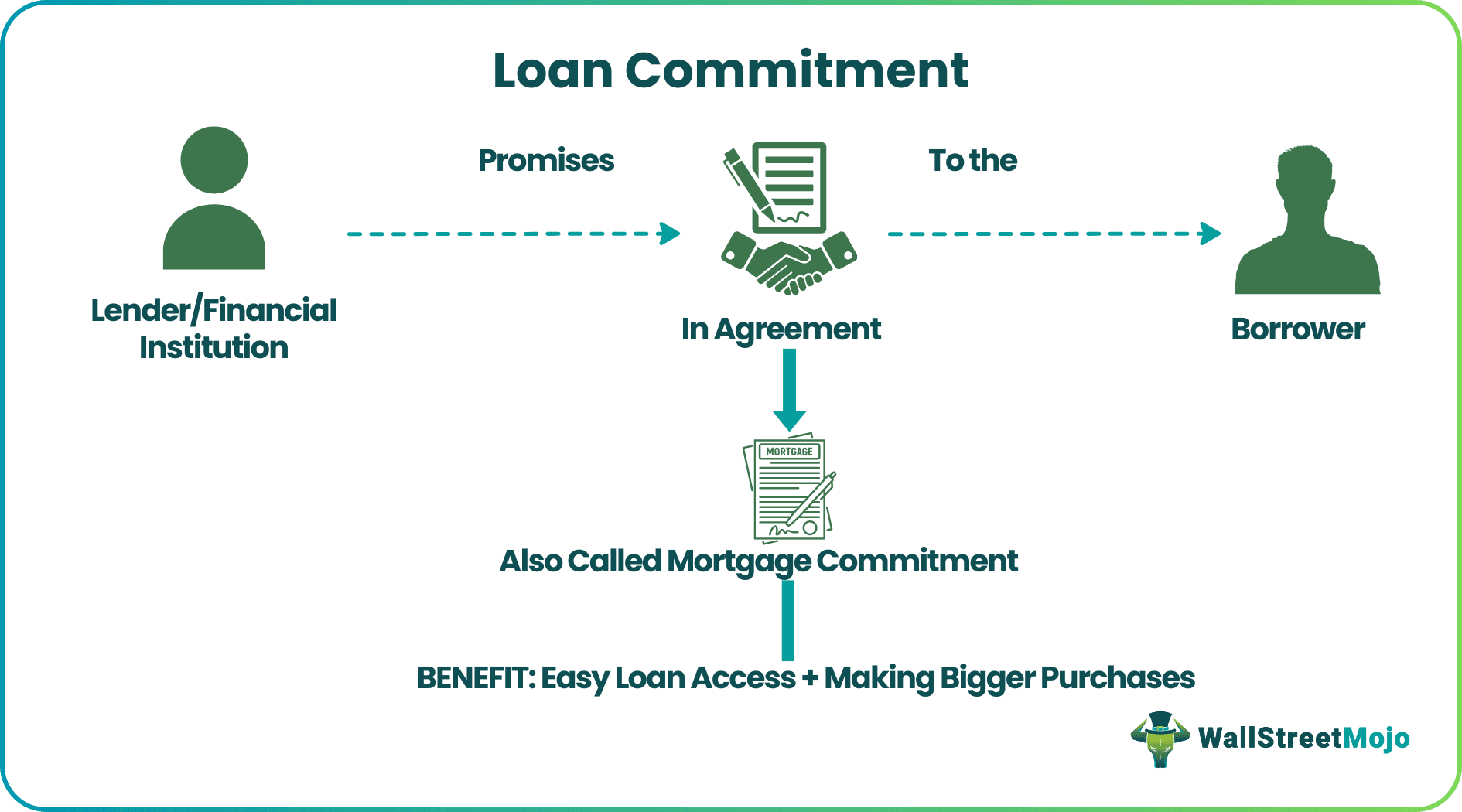
A loan commitment represents a formal agreement, typically in writing, from a lender to provide a specific amount of financing to a borrower under a predefined set of terms and conditions. It signifies a crucial step in the lending process, moving beyond initial discussions and preliminary approvals to a binding or near-binding offer. Essentially, it’s the bank or financial institution’s promise to fund a loan, provided the borrower meets all stipulated requirements before a certain deadline. This promise gives the borrower a strong degree of certainty, allowing them to proceed with financial planning, property purchases, or business investments with confidence, knowing that the capital will be available. Without such a commitment, borrowers would face significant uncertainty, potentially delaying critical transactions or even causing them to fall through.
The Core Concept of a Loan Commitment
At its heart, a loan commitment is the lender’s pledge. This pledge is not merely an expression of interest but a contractual declaration outlining the principal amount, interest rate, repayment schedule, term, and any specific conditions the borrower must satisfy prior to or at the time of funding. For the lender, it means reserving the capital and resources necessary to fulfill the loan. For the borrower, it means gaining assurance that their financing needs will be met, provided they adhere to the agreed-upon conditions. This clarity is invaluable, particularly in competitive markets or for complex financial arrangements where the availability of funds is a make-or-break factor. The formal nature of this pledge protects both parties by setting clear expectations and responsibilities.
Defining the Lender’s Pledge
A loan commitment solidifies the lender’s intention to provide funds. This pledge becomes a foundational element for the borrower’s strategic planning, whether it involves a significant personal purchase like a home or a critical business expansion. It’s a formal declaration that transforms a tentative possibility into a concrete plan, contingent only upon the borrower’s ability to meet specified requirements. This assurance is critical for maintaining timelines and avoiding the financial and logistical chaos that can arise from unexpected funding withdrawals. It provides a robust framework within which both parties can operate, ensuring mutual understanding and accountability throughout the lending lifecycle.
Binding vs. Non-Binding Commitments
While the term “loan commitment” often implies a strong assurance, it’s critical to distinguish between binding and non-binding commitments. A binding loan commitment is a firm promise from the lender to provide financing, provided all specified conditions are met. This type of commitment legally obligates the lender, making it highly reliable for the borrower. However, it nearly always comes with specific stipulations that the borrower must satisfy. Conversely, a non-binding loan commitment, sometimes referred to as a “pre-approval” or “conditional offer,” indicates a lender’s willingness to lend, but it leaves more room for the lender to back out or alter terms before the final closing. While useful for initial planning and setting expectations, non-binding commitments offer less certainty and should be approached with caution, as the final funding can still be subject to further underwriting and approval processes. The distinction often hinges on the wording in the commitment letter and whether it specifies conditions precedent to funding that must be objectively verifiable.
Key Elements of a Commitment Letter
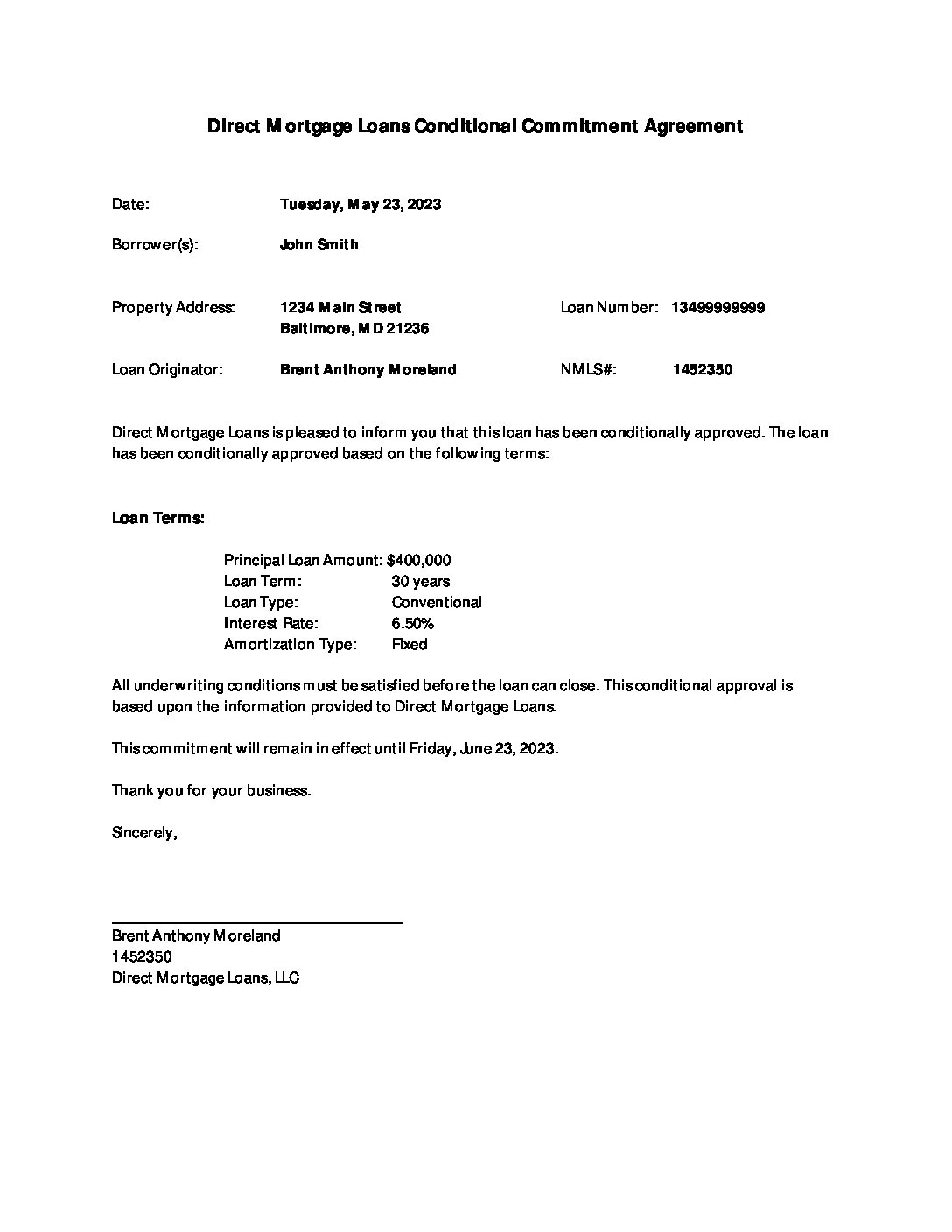
A typical loan commitment letter is a comprehensive document that meticulously details the terms and conditions of the proposed financing. Key elements include the principal amount of the loan, the interest rate (fixed or variable, and how it’s determined), the loan term, and the amortization schedule. It will also specify any fees associated with the loan, such as origination fees, commitment fees (for holding the funds available), and closing costs. Crucially, the letter outlines various conditions precedent to funding, which might include specific financial covenants (e.g., maintaining certain debt-to-equity ratios for businesses), satisfactory appraisal reports for real estate, proof of insurance, or verification of income and assets. Furthermore, it will include a validity period, stating when the commitment expires if the loan isn’t closed by a certain date. Understanding every clause in this document is paramount for the borrower, as it dictates the rights and obligations of all parties involved until the loan is fully disbursed.
Types of Loan Commitments and Their Applications
Loan commitments manifest in various forms, tailored to meet the distinct financial needs of individuals and businesses across different sectors. Each type serves a specific purpose, offering borrowers a structured pathway to secure the necessary capital for their objectives. Understanding these distinctions is crucial for anyone navigating the borrowing landscape, whether they’re buying a home, expanding a business, or managing working capital. The underlying principle remains the same—a formal promise of funds—but the context and specific terms adapt to the nature of the asset being financed or the operational needs being addressed. This segmentation allows lenders to manage their risk profiles more effectively and provides borrowers with products designed to fit their unique circumstances.
Mortgage Loan Commitments: Securing Your Home Purchase
For individuals embarking on one of life’s most significant financial undertakings, a mortgage loan commitment is indispensable. This commitment is a lender’s written promise to provide the funds needed to purchase a home, subject to specific conditions. These conditions typically include a satisfactory appraisal of the property, a clean title search, verification of the borrower’s income and employment status up to the closing date, and potentially the sale of a previous home. Receiving a firm mortgage commitment is a critical milestone in the home-buying process, offering peace of mind to the buyer and often being a prerequisite for a seller to accept an offer. It guarantees that the financing is in place, allowing the buyer to confidently move forward with closing preparations, knowing that the funds will be available to complete the transaction by the agreed-upon date. Without it, a buyer’s offer might be viewed as less credible, potentially jeopardizing their chances in a competitive housing market.
Business Loan Commitments: Fueling Growth and Operations
Businesses, from burgeoning startups to established corporations, rely on various forms of financing to fund operations, pursue expansion, or manage cash flow. A business loan commitment serves a similar purpose to its personal counterpart but is often more complex, reflecting the intricate financial structures of companies. These commitments can be for term loans—fixed amounts borrowed and repaid over a set period—or for revolving credit facilities. Conditions for business loan commitments often involve maintaining specific financial ratios (e.g., debt-to-equity, current ratio), providing collateral, adhering to reporting requirements, and limiting certain actions like incurring additional debt or selling assets without lender approval. A strong business loan commitment can be pivotal for a company to undertake capital expenditures, acquire other businesses, or smooth out seasonal revenue fluctuations, providing the necessary liquidity and strategic flexibility for growth and stability.
Lines of Credit Commitments: Flexible Access to Capital
A line of credit (LOC) commitment is a highly flexible form of financing, particularly beneficial for businesses or individuals needing ongoing access to capital rather than a single lump sum. Unlike a traditional term loan, an LOC allows the borrower to draw funds, repay them, and redraw again up to a maximum committed amount over a specified period. The commitment here is the lender’s promise to make this credit facility available. Conditions for an LOC commitment often relate to the borrower’s creditworthiness, cash flow, and sometimes inventory or accounts receivable as collateral. This type of commitment is invaluable for managing working capital, bridging short-term cash flow gaps, or funding unexpected expenses without having to reapply for a new loan each time. It provides a financial safety net, ensuring liquidity when needed, which is a significant advantage for operational continuity and strategic responsiveness in a dynamic economic environment.
The Process of Obtaining a Loan Commitment
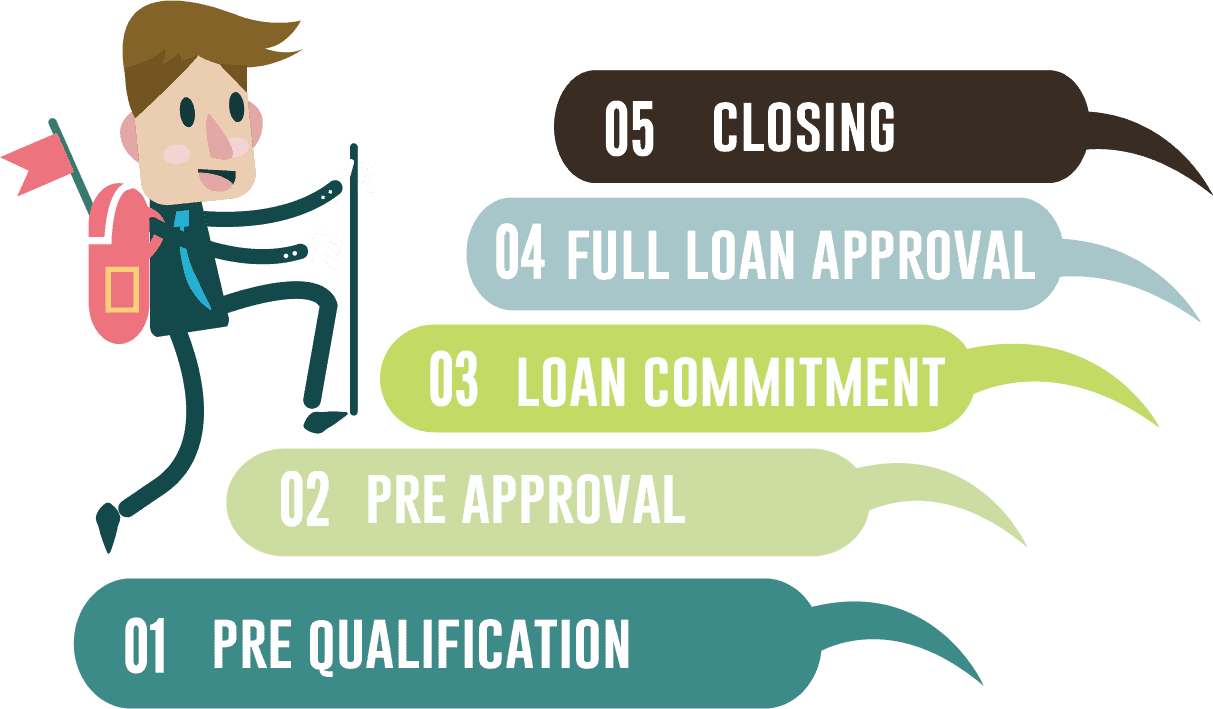
Securing a loan commitment is a multi-stage process that involves rigorous assessment, negotiation, and formalization. It’s not an overnight occurrence but rather a journey that starts with an initial inquiry and culminates in a binding agreement. Understanding each phase is crucial for borrowers to navigate the process effectively, anticipate requirements, and ensure a smooth progression towards funding. This structured approach allows lenders to thoroughly evaluate risk and borrowers to understand the obligations associated with receiving capital. Every step is designed to build confidence for both parties, ensuring that the final commitment is robust and viable.
Initial Application and Underwriting
The journey begins with the borrower submitting a comprehensive loan application. For individuals, this includes personal financial statements, income verification (pay stubs, tax returns), credit reports, and details about the asset being financed (e.g., property address for a mortgage). Businesses submit financial statements (balance sheets, income statements, cash flow statements), business plans, tax returns, and information on principals and collateral. Following the application, the lender initiates the underwriting process. This is a meticulous evaluation of the borrower’s creditworthiness, capacity to repay the loan, the value and risk associated with any collateral, and the overall viability of the proposed financing. Underwriters scrutinize financial health, income stability, debt-to-income ratios, and credit history. For businesses, they assess industry trends, market position, and management expertise. This phase can involve multiple rounds of document requests and clarifications, as the lender seeks to mitigate risk and ensure compliance with their lending policies.
The Commitment Letter Stage
Once the underwriting team has completed its assessment and determined that the borrower meets the lender’s criteria, the lender moves to issue a loan commitment letter. This is the formal document that outlines all the terms and conditions under which the lender is prepared to extend credit. As previously discussed, it specifies the loan amount, interest rate, repayment schedule, fees, and, most importantly, all the conditions precedent to funding. These conditions are requirements that the borrower must satisfy before the loan can be officially disbursed. They might range from providing updated financial statements, obtaining specific insurance policies, establishing an escrow account, to satisfying legal requirements like property surveys or environmental assessments for commercial real estate. The borrower must carefully review this letter, often with legal or financial advisors, to ensure full understanding and agreement with all stipulations before formally accepting it. Acceptance typically involves signing the letter and potentially paying an upfront commitment fee.
Fulfillment and Closing
After the borrower accepts the commitment letter, the focus shifts to fulfilling all the stipulated conditions. This can be the most time-sensitive phase, as commitment letters usually have an expiration date. The borrower must diligently work to gather all required documentation, secure necessary third-party reports (e.g., appraisals, environmental reports), and complete any actions specified in the letter. For a mortgage, this might involve finalizing homeowner’s insurance, coordinating with title companies, and undergoing a final property inspection. For a business loan, it could mean securing additional collateral, completing necessary legal filings, or obtaining shareholder approvals. Once all conditions are met and verified by the lender, the loan proceeds to closing. This is the final stage where all legal documents are signed, funds are disbursed, and the loan officially commences. The commitment letter serves as the blueprint that guides this entire process, ensuring a structured and legally sound conclusion to the borrowing endeavor.
Why a Loan Commitment Matters for Borrowers
A loan commitment is far more than just a piece of paper; it represents a critical strategic asset for borrowers, offering distinct advantages that can significantly impact their financial endeavors. For both individuals seeking personal loans and businesses pursuing growth, the certainty and structure provided by a firm commitment can be the difference between success and significant setbacks. It empowers borrowers with leverage, predictability, and a clear path forward, streamlining complex financial transactions and fostering confident decision-making.
Certainty and Planning
One of the most significant benefits of a loan commitment is the certainty it provides. Knowing that approved funds will be available, subject to meeting specified conditions, eliminates a major source of anxiety and uncertainty for borrowers. This certainty is invaluable for financial planning. Individuals can confidently budget for their home purchase, knowing their monthly mortgage payments and associated costs. Businesses can finalize strategic plans, allocate resources, and even make hiring decisions based on assured access to capital for expansion, equipment upgrades, or inventory purchases. Without this commitment, planning would be speculative, leaving critical projects or personal milestones vulnerable to unexpected financing hurdles. It transforms what could be a speculative venture into a calculated and manageable undertaking.
Competitive Advantage
In competitive markets, particularly real estate, a firm loan commitment can provide a decisive competitive advantage. A seller, when evaluating multiple offers, will often prioritize a buyer who has a binding loan commitment over one who only has a pre-approval. This is because a commitment signals that the buyer is serious, financially qualified, and less likely to encounter last-minute financing issues that could delay or derail the sale. For businesses, a loan commitment can strengthen their position when negotiating with suppliers, investors, or potential acquisition targets, demonstrating financial stability and the capacity to execute on plans. It acts as a credible endorsement from a financial institution, enhancing the borrower’s reputation and reliability in the eyes of other stakeholders.
Avoiding Last-Minute Surprises
The detailed nature of a loan commitment letter inherently helps in avoiding last-minute surprises. By explicitly outlining all terms, conditions, and requirements upfront, borrowers are fully aware of what is expected of them long before the closing date. This allows ample time to address any outstanding conditions, gather necessary documentation, or rectify minor issues. Without such a detailed commitment, borrowers could face unexpected demands from lenders just days before closing, potentially delaying funding, incurring additional costs, or even jeopardizing the entire transaction. The commitment letter serves as a comprehensive checklist, enabling proactive problem-solving rather than reactive crisis management, ensuring a smoother and more predictable path to loan disbursement.
Impact on Financial Ratios and Capital Structure for Businesses
For businesses, a loan commitment has profound implications beyond just securing funds; it directly impacts their financial ratios and capital structure. The commitment, especially for larger facilities, signals the future influx of debt capital, which affects the company’s leverage and solvency ratios. This allows businesses to forecast their debt-to-equity ratios and interest coverage ratios more accurately, which are critical metrics for investors and credit rating agencies. Furthermore, knowing the terms of debt financing allows management to make informed decisions about their overall capital structure, balancing equity and debt to optimize cost of capital and shareholder value. A strong commitment from a reputable lender can also enhance a company’s credit profile, potentially making future borrowing easier and cheaper.
Common Conditions and Covenants in Loan Commitments
Loan commitments are rarely unconditional. They are meticulously crafted documents designed to protect the lender’s interests by ensuring the borrower remains a viable credit risk throughout the life of the loan. This protection comes in the form of various conditions that must be met before funding, and covenants that must be adhered to after funding. Understanding these stipulations is paramount for borrowers, as failure to comply can lead to delays in funding, changes in loan terms, or even default. These elements reflect the lender’s due diligence and risk assessment, translating into specific requirements for the borrower.
Financial Covenants
For business loans, financial covenants are a cornerstone of loan commitments. These are measurable financial targets or limitations that a borrower must meet or maintain. Common examples include:
- Debt-to-EBITDA ratio: Limiting the company’s total debt relative to its earnings before interest, taxes, depreciation, and amortization.
- Current ratio: Requiring a certain ratio of current assets to current liabilities, ensuring sufficient liquidity.
- Debt service coverage ratio (DSCR): Ensuring that the company’s cash flow is sufficient to cover its debt obligations.
- Minimum net worth: Requiring the company to maintain a certain level of equity.
- Capital expenditure limits: Restricting the amount a company can spend on new assets without lender approval.
These covenants are actively monitored by the lender, often through periodic reporting requirements. A breach of a financial covenant typically constitutes a technical default on the loan, giving the lender the right to demand immediate repayment or renegotiate terms, although often a waiver or amendment is negotiated if the breach is minor or temporary.
Material Adverse Change (MAC) Clauses
A Material Adverse Change (MAC) clause, also known as a Material Adverse Effect (MAE) clause, is a standard provision found in many loan commitment letters. This clause allows the lender to withdraw its commitment or alter the terms of the loan if there is a significant negative change in the borrower’s financial condition, business operations, or overall market conditions that could reasonably be expected to impair the borrower’s ability to repay the loan. The interpretation of “material adverse change” can sometimes be subjective and lead to disputes, but generally, it refers to events that have a long-term, fundamental impact rather than temporary fluctuations. For instance, a sudden and catastrophic decline in the borrower’s industry, a major regulatory change impacting their core business, or significant legal judgments against the borrower could trigger a MAC clause. These clauses provide a safety net for lenders against unforeseen, detrimental events occurring between the commitment date and the closing date.
Documentation Requirements
Beyond financial performance, loan commitments invariably stipulate extensive documentation requirements. Before funding, borrowers must provide satisfactory legal opinions, certificates of good standing, proof of insurance (e.g., property, liability, hazard), environmental reports, surveys, and potentially updated appraisals. For businesses, this might also include corporate resolutions, shareholder agreements, and security agreements for collateral. During the loan’s term, ongoing documentation can include regular financial statements (audited or unaudited), tax returns, and compliance certificates confirming adherence to covenants. The sheer volume and specificity of these requirements highlight the importance of meticulous record-keeping and a proactive approach to compliance. Failure to provide timely and accurate documentation can delay funding or, if it occurs post-funding, trigger a default, underscoring the lender’s reliance on comprehensive information to manage their risk and ensure the loan remains viable.
aViewFromTheCave is a participant in the Amazon Services LLC Associates Program, an affiliate advertising program designed to provide a means for sites to earn advertising fees by advertising and linking to Amazon.com. Amazon, the Amazon logo, AmazonSupply, and the AmazonSupply logo are trademarks of Amazon.com, Inc. or its affiliates. As an Amazon Associate we earn affiliate commissions from qualifying purchases.